 bluename
 How to Make Uji Matcha Cheesecake? Authentic Tea Aroma Elegance
I’ve always believed that the perfect cheesecake should be a symphony of flavors, not just a sweet treat. Yet, so many matcha desserts I’ve tried—and even made in my early days—miss the mark. The vibrant green fades to a dull brown after baking, the bitter notes overpower the delicate cream cheese, or the tea flavor tastes dusty and artificial. If you’ve ever been disappointed by a matcha cake that promised “authentic Japanese elegance” but delivered something lackluster, I understand your frustration. That quest for a dessert where the Uji Matcha Cheesecake truly shines—with its authentic tea aroma and creamy, elegant balance—is what led me to perfect this recipe. It’s more than a dessert; it’s a crafted experience that honors the quality of the tea.
The secret, I discovered through trial and error and conversations with tea masters, isn’t just in the steps, but in the philosophy behind the ingredients. A true matcha cheesecake should let the tea be the star, supported by the richness of the cheese, not buried under it.
Why Your Matcha Choice Makes or Breaks the Cake
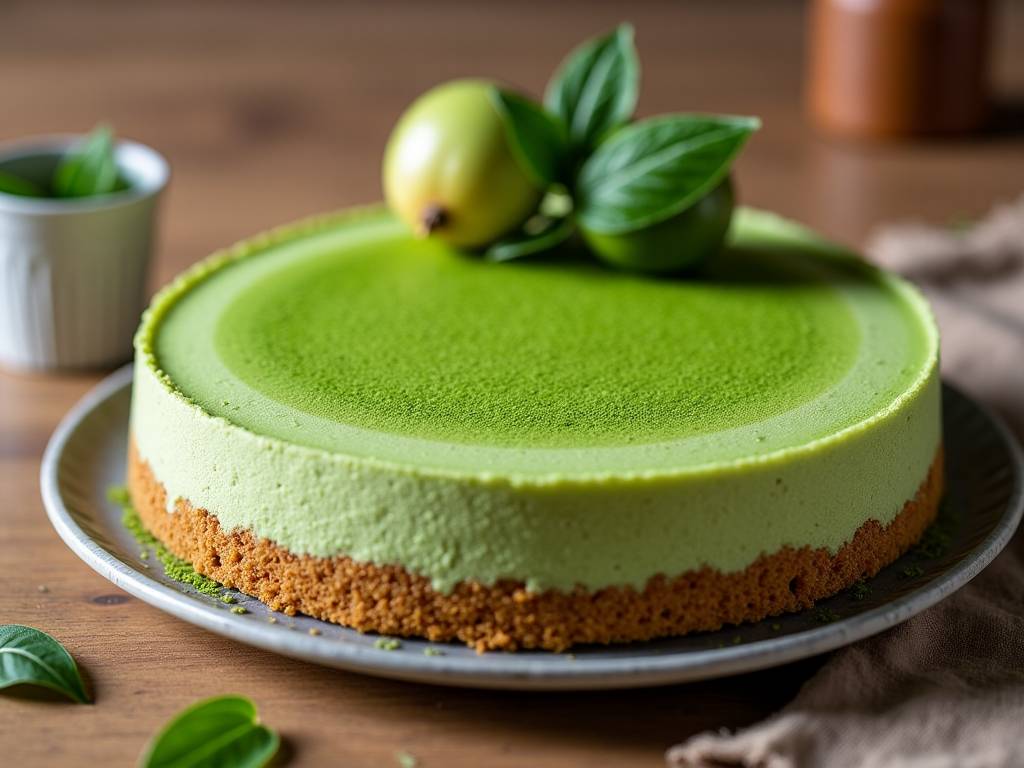
Let’s start with the heart of the matter: the matcha. Using just any green tea powder is the single biggest mistake you can make. Culinary-grade matcha from Uji, Kyoto, is non-negotiable for achieving that authentic tea aroma elegance. The region’s unique climate and shading techniques produce leaves rich in L-theanine, which gives matcha its signature umami and sweet aftertaste, balancing its natural bitterness.
I learned from a tea specialist that high-quality ceremonial or premium culinary-grade matcha possesses a finer particle size and a brighter chlorophyll content. This not only impacts flavor but also color stability. A lower-grade powder will oxidize quickly when mixed, leading to that unappetizing grayish-green hue in your baked cheesecake. Investing in good matcha is investing in the entire character of your dessert. Look for a vibrant jade green color and a fresh, grassy scent—never a stale or fishy aroma.
Building the Foundation: A Crust That Complements
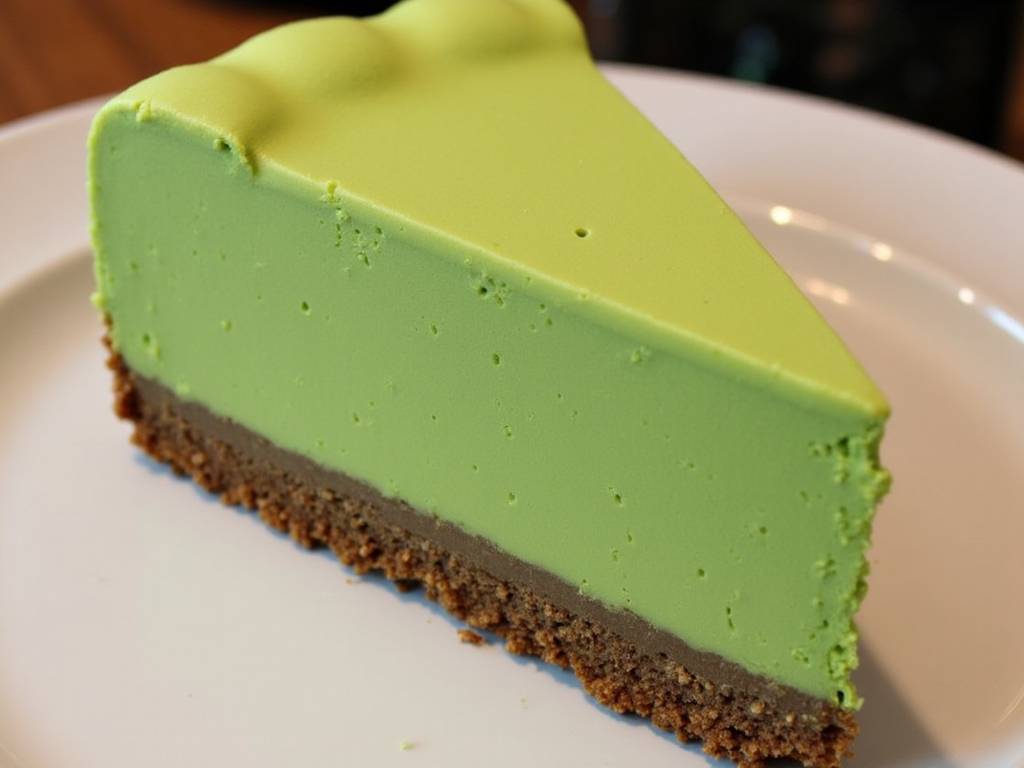
A great cheesecake begins from the bottom up. A traditional graham cracker crust can be too sweet and overwhelm the delicate tea notes. Instead, I prefer a Japanese-inspired base using crushed shirobiso (white sesame) cookies or plain digestive biscuits. Their mild, buttery flavor acts as a neutral canvas.
For every 200 grams of biscuit crumbs, I use 80 grams of melted unsalted butter and a pinch of sea salt. The salt is crucial—it heightens all the other flavors. Press this mixture firmly into your springform pan and pre-bake it at 160°C (325°F) for 10 minutes. This step ensures a crisp base that won’t become soggy from the filling, a common textural flaw in no-bake recipes.
The Core Alchemy: Mastering the Matcha Cheesecake Filling
This is where the magic happens. The goal is a luxuriously smooth filling where the matcha is fully integrated, not speckled.
- Temperature is Key: All your dairy ingredients—cream cheese, sour cream, and heavy cream—must be at room temperature. Cold cream cheese will lead to a lumpy batter, no matter how long you mix. I take mine out at least 2 hours before starting.
- The Matcha Paste Method: Never sift dry matcha powder directly into your wet ingredients. It will clump. Instead, create a smooth paste. I whisk 15-20 grams of premium Uji matcha (adjust for intensity) with 2-3 tablespoons of hot milk (not boiling, about 80°C/176°F) from the recipe’s allotted amount. The heat “awakens” the tea’s flavor. Whisk vigorously until you have a glossy, lump-free paste. Let it cool slightly.
- Gentle Incorporation: Beat the softened cream cheese and caster sugar until just smooth and creamy. Over-beating incorporates too much air, which can cause cracking during baking. Add the eggs one at a time, mixing on low speed until only just combined after each addition. Then, stir in the matcha paste, sour cream, vanilla extract, and the remaining cream/milk. The batter should be silky and uniformly green.
The Art of Baking: Low, Slow, and Steady
A high, aggressive heat is the enemy of a smooth, crack-free cheesecake. It causes the edges to set too quickly while the center remains unstable, leading to a dramatic rise and fall—and inevitable cracks.
I use a water bath (bain-marie). I wrap the bottom of my springform pan in two layers of heavy-duty aluminum foil to prevent water seepage. The pan sits in a larger roasting tray filled with hot water that comes halfway up its sides. This gentle, humid heat cooks the cheesecake evenly. I bake it at 150°C (300°F) for about 60-70 minutes. The center should still have a slight, gentle jiggle—it will firm up as it cools. This patience is what delivers that melt-in-your-mouth, elegant texture.
The Crucial Finale: Chilling for Flavor Fusion
Resist the urge to serve it warm. A matcha cheesecake’s flavor deepens and matures with chilling. Once it has cooled to room temperature in the oven with the door slightly ajar, I refrigerate it for a minimum of 6 hours, preferably overnight. This slow set allows the authentic tea aroma to fully permeate the creamy filling, resulting in a more sophisticated and unified taste profile. According to a pastry chef I trained under, this resting period allows the starches and proteins to fully set, guaranteeing the clean slices we all desire.
Presentation: Serving Your Culinary Art
Before serving, run a thin knife under hot water, dry it, and then slice for pristine edges. A dusting of extra matcha powder on top just before serving reinforces the visual and aromatic appeal. Pair it with a dollop of lightly sweetened red bean paste or a fresh berry coulis to complement the tea’s earthy notes.
Frequently Asked Questions
Can I make this recipe without a water bath? While a water bath is highly recommended for the perfect texture, you can try placing a pan of hot water on the oven rack below your cheesecake to add steam. However, for guaranteed results—no cracks and ultra-creamy consistency—the water bath is worth the extra step.
My matcha cheesecake turned out bitter. What went wrong? Bitterness usually points to two issues: the quality of the matcha or over-baking. Lower-grade matcha is often more astringent. Also, baking for too long or at too high a temperature can “cook” the tea’s delicate flavors into bitterness. Ensure you’re using a good culinary-grade powder and strictly follow the low-temperature baking guide.
How long can I store this cheesecake, and can I freeze it? Properly covered, it will keep beautifully in the refrigerator for up to 4-5 days. For longer storage, you can freeze individual slices. Wrap them tightly in plastic wrap and then foil. Thaw overnight in the refrigerator before serving. The flavor holds up remarkably well.
Creating this Uji Matcha Cheesecake is a rewarding process that blends precision with passion. By respecting the ingredients, particularly the matcha, and embracing gentle techniques, you transform simple components into an elegant dessert. The result is a slice of creamy, aromatic perfection that truly celebrates the profound, nuanced world of Japanese tea. Every smooth, balanced bite is a testament to the care taken from selection to serving.
⚠️ 温馨提示:本款蛋糕含糖量较高,高血糖/糖尿病患者请谨慎食用。





