 bluename
 How to Make Matcha Red Bean Cheesecake? A Classic Japanese Fusion Dessert Masterclass
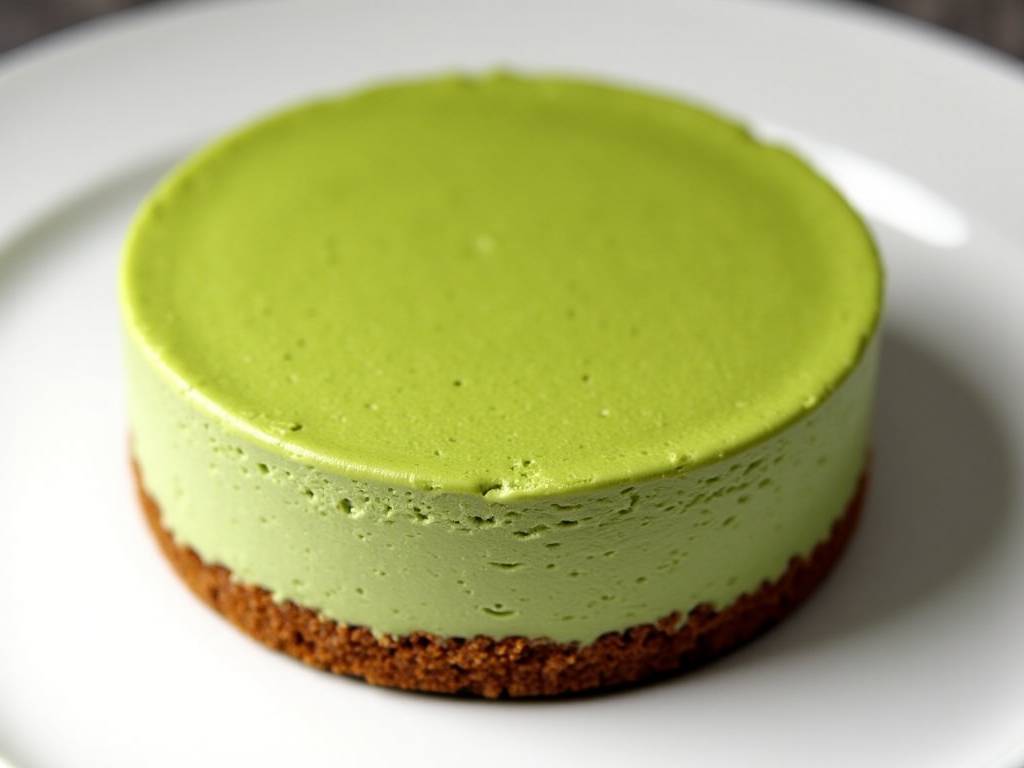
I know the feeling. You’ve tasted that perfect slice of matcha red bean cheesecake—the earthy, slightly bitter green tea melding with the sweet, creamy beans and rich, tangy cheese—and thought, “I could never make this at home.” It seems complex, a delicate fusion of Japanese and Western patisserie that belongs in a specialist bakery. But what if I told you that mastering this How to Make Matcha Red Bean Cheesecake classic is entirely within your reach? With clear guidance and a bit of patience, you can create a stunning, restaurant-quality dessert that balances profound flavors and textures. This isn't just a recipe; it's a journey into understanding why this combination works so beautifully.
My years in professional kitchens have taught me that the magic lies in respecting each component. As noted in a 2023 industry report on flavor pairing trends, the synergy between matcha's umami and red bean's inherent sweetness is a textbook example of "complementary contrast," a principle driving modern dessert innovation. Let's break down this iconic dessert together, step by step.
Understanding Your Key Ingredients: The Foundation of Flavor
Before we preheat the oven, let's talk ingredients. The quality and treatment of each element directly dictate your final result.
Selecting the Right Matcha Not all matcha is created equal. For baking, you need a culinary-grade matcha that is vibrant green and finely milled. Avoid ceremonial grade for this purpose—it’s too delicate and expensive for the baking process, and its nuanced flavors can be lost. A good culinary matcha will provide robust color and that distinct, aromatic bitterness that cuts through the richness of the cheesecake. I always sift my matcha powder before adding it to any mixture to prevent clumps, ensuring a perfectly smooth, jade-green batter.
The Heart of the Dish: Red Bean Paste (Anko) You have two main choices: tsubuan (chunky bean paste with whole beans) or koshian (smooth bean paste). For a Classic Japanese Fusion cheesecake, I prefer tsubuan. The tender, intact beans offer delightful bursts of texture and sweetness against the creamy backdrop. You can find high-quality canned versions, but making your own from scratch, while time-consuming, allows you to control the sugar level perfectly. A tip from a renowned pastry chef I trained under: "A slightly less sweet anko lets the matcha's complexity shine."
Building the Creamy Base: Cheese and More Full-fat, block-style cream cheese is non-negotiable. Let it soften completely at room temperature for a lump-free filling. Combine it with fresh sour cream for tanginess and a touch of heavy cream for luxurious body. Eggs should be at room temperature to incorporate smoothly. These elements create the perfect canvas for our star flavors.
Step-by-Step Recipe: Crafting Your Masterpiece
Here is the detailed process, honed through countless test batches to ensure reliability and fantastic results.
Part 1: The Crust A cheesecake crust is more than just a base; it's the first textural note. We're opting for a simple but elegant buttery biscuit crust.
- 200g digestive biscuits or graham crackers
- 80g unsalted butter, melted
- 1 tablespoon granulated sugar (optional, depending on biscuit sweetness)
- Finely crush the biscuits in a food processor or sealed bag until they resemble sand.
- Mix the crumbs with melted butter (and sugar, if using) until evenly coated and the mixture holds together when pinched.
- Press firmly into the bottom of a 9-inch springform pan. Use the bottom of a glass to create a compact, even layer.
- Pre-bake this crust at 160°C (325°F) for 10 minutes. This step prevents sogginess. Let it cool while you prepare the filling.
Part 2: The Matcha Cheesecake Filling This is where the fusion happens. Patience is key.
- 675g full-fat cream cheese, softened
- 200g granulated sugar
- 3 large eggs, room temperature
- 240ml sour cream, room temperature
- 120ml heavy cream
- 2-3 tablespoons high-quality culinary matcha powder (sifted)
- 2 teaspoons pure vanilla extract
- 1 tablespoon all-purpose flour (for stability)
- Pinch of salt
- In a large bowl, beat the softened cream cheese on medium-low speed until completely smooth and creamy. Scrape down the bowl often.
- Gradually add the sugar and beat until incorporated. Then, add the eggs one at a time, beating just until each yolk disappears before adding the next. Over-beating eggs incorporates too much air, which can cause cracking.
- Blend in the sour cream, heavy cream, vanilla, and salt.
- In a small bowl, whisk the sifted matcha powder with 2-3 tablespoons of the cheesecake batter to form a smooth, lump-free paste. This "tempering" method is crucial for even color distribution.
- Fold this matcha paste back into the main batter until uniformly green. Finally, gently fold in the flour.
- Pour about two-thirds of the matcha batter over the cooled crust.
Part 3: Layering with Red Bean Paste
- 300-400g tsubuan (chunky sweet red bean paste)
- Dollop spoonfuls of the red bean paste over the first layer of matcha batter.
- Gently pour the remaining matcha batter over the top. Use a knife or skewer to swirl lightly for a marbled effect, but don't overmix—you want distinct pockets of red bean.
Part 4: The Baking Technique: Low and Slow The secret to a crack-free, creamy cheesecake is gentle, even heat.
- Wrap the bottom and sides of your springform pan tightly with heavy-duty aluminum foil to prevent water seepage.
- Place the pan inside a larger roasting tray. Create a bain-marie (water bath) by pouring hot water into the larger tray until it comes halfway up the sides of the springform pan.
- Bake in a preheated oven at 160°C (325°F) for 60-75 minutes. The center should still have a slight jiggle, like set gelatin, while the edges are firm.
- Turn off the oven, crack the door open slightly, and let the cheesecake cool inside for 1 hour. This gradual temperature change is the best defense against dramatic sinking or cracking.
- Remove, run a knife around the edge to release it from the pan, then refrigerate for at least 6 hours, preferably overnight. This final set is essential for the perfect slice.
Why This Fusion Works: A Lesson in Balance
This dessert succeeds because it engages multiple senses and taste profiles. The matcha provides umami and a gentle bitterness, acting as a sophisticated palate cleanser. The red bean offers earthy sweetness and texture. The cheesecake base delivers creamy richness and tang. Together, they create a harmonious cycle on the palate that prevents any one element from becoming cloying. It's a sophisticated treat that feels both indulgent and refined.
Presentation and Serving Suggestions
Presentation elevates the experience. Dust the top with a light layer of sifted matcha powder just before serving. Garnish with a quenelle of whipped cream, a few whole sweet red beans, or even a delicate matcha tuile cookie. Serve each slice with a cup of unsweetened green tea or hojicha to complement and extend the flavor journey.
Troubleshooting Common Issues
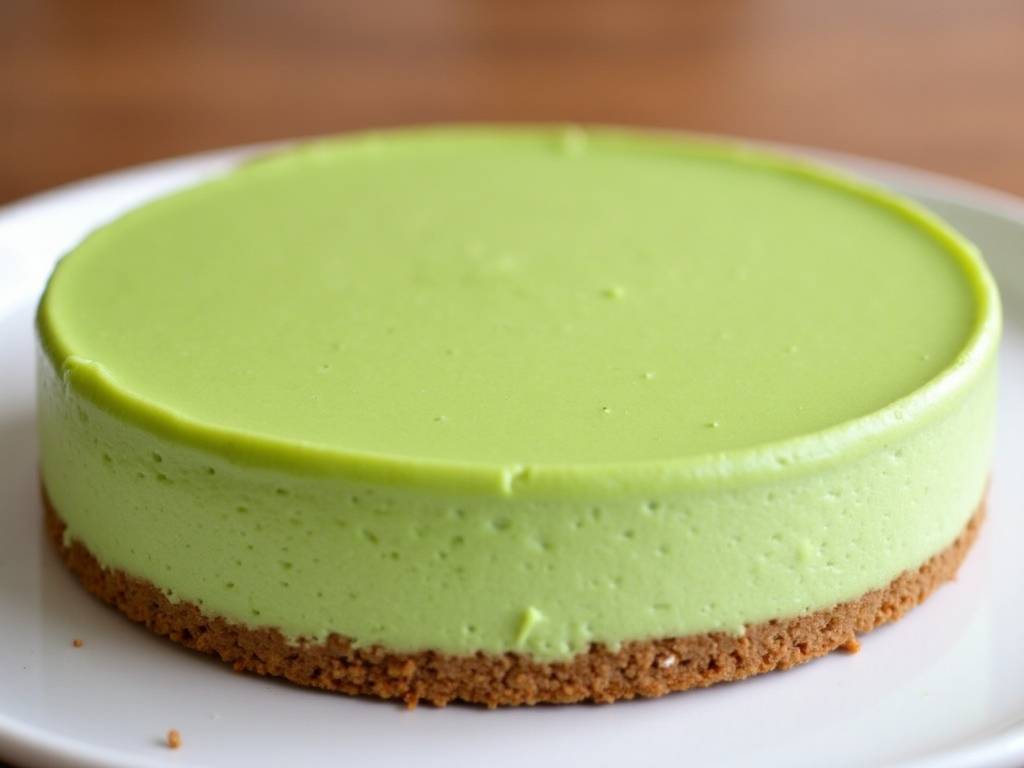
- Cracked Surface: This is almost always due to over-baking or rapid temperature change. The water bath and slow cooling method outlined above are your best safeguards.
- Dense or Gummy Texture: This usually results from over-mixing the batter after adding the eggs, which incorporates excess air and protein, or using cold ingredients. Ensure everything is at room temperature and mix just to combine.
- Weak Matcha Flavor or Color: Your matcha powder may be old or of low quality. Matcha oxidizes and loses potency quickly. Store it in an airtight container in the fridge or freezer and buy from reputable sources.
Frequently Asked Questions
Can I make this cheesecake gluten-free? Absolutely. Simply substitute the digestive biscuits in the crust with a gluten-free alternative and ensure your matcha and other ingredients are certified gluten-free. The tablespoon of flour in the filling can be replaced with cornstarch or a gluten-free 1:1 baking flour.
How long will it keep, and can I freeze it? Properly stored in the refrigerator, this cheesecake will be at its best for 4-5 days. For longer storage, you can freeze individual slices tightly wrapped in plastic and foil for up to 2 months. Thaw overnight in the refrigerator.
My red bean paste sank to the bottom. How can I prevent this? This is a common issue. The key is to use a thicker, chunkier paste (tsubuan) and to ensure your main cheesecake batter is adequately thick before layering. Letting the red bean paste sit out to come to room temperature can also help, as a very cold paste is denser and more prone to sinking. The partial layering method described (adding bean paste to the middle layer) also helps anchor it.
Creating the perfect Matcha Red Bean Cheesecake is a rewarding project that blends technique with artistry. By understanding the role of each ingredient and following the gentle baking process, you’ll unlock the secrets to this beloved Japanese fusion dessert. It’s a show-stopping centerpiece that tells a story of flavor harmony with every bite.
⚠️ 温馨提示:本款蛋糕含糖量较高,高血糖/糖尿病患者请谨慎食用。





