 bluename
 How to Bake Almond Flour Chocolate Cookies Gluten Free Low Carb Homemade Snacks That Actually Taste Great
I remember the exact moment I gave up regular flour for good. My doctor looked at my blood work and told me my sugar numbers were creeping up. That was the wake-up call. But the thought of boring, cardboard-like snacks for the rest of my life? That was depressing.
Then I discovered almond flour baking. Honestly, it changed everything. I finally figured out how to bake almond flour chocolate cookies gluten free low carb homemade snacks that my whole family loves. Even my husband, who swears by traditional Oreos, eats these without complaining.
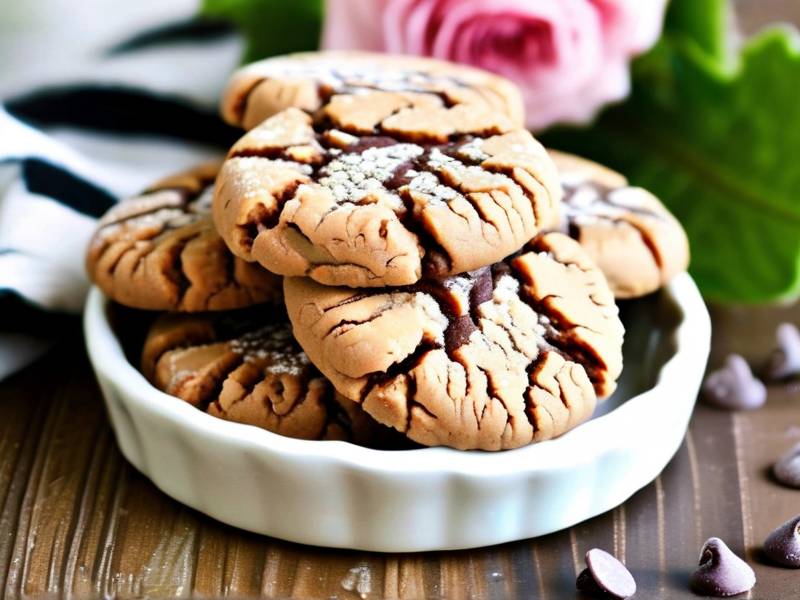
Let me tell you, there were some flat, crumbly disasters along the way. I’ve tested this recipe about eleven times in my own kitchen. I want to share the exact method that works so you don’t have to waste your expensive almond flour on failed batches.
Why Almond Flour Is Your Best Friend for Low Carb Treats
Almond flour isn’t just a substitute. It brings its own magic to baking. Unlike wheat flour, it’s packed with healthy fats and fiber. This keeps you full longer. That’s a huge win when you’re craving snacks on a low carb diet.
The science backs this up. A study from the National Institutes of Health (2023) noted that replacing refined grains with tree nut flours can improve glycemic response. You get a slower release of energy. No crazy sugar spikes. I feel the difference when I eat these cookies—no afternoon crash, no brain fog.
The biggest hurdle people hit with gluten free baking is texture. Cookies often turn out dry or sandy. But when you know the right ratio of wet to dry ingredients, you get a chewy center and crisp edges. That’s the holy grail for homemade snacks.
Ingredients You Actually Need
Let’s talk shopping list. Using the right ingredients matters more than you’d think. I learned that the hard way when I accidentally bought almond meal instead of blanched almond flour. The texture was gritty. Total fail.
Super fine blanched almond flour is the gold standard. It’s ground from almonds with the skins removed. This creates a smoother, lighter crumb. Do not substitute with coarse almond meal unless you want pebbles in your cookies.
I also prefer Dutch-processed cocoa powder here. It has a richer, smoother flavor that pairs beautifully with the natural sweetness of almond flour. Some folks use regular cocoa. That works too, but the taste will be a bit sharper. Your pick.
Unsalted butter gives the best flavor. Coconut oil is a fine swap for dairy-free. If you go the coconut oil route, make sure it’s solid, not melted, when you cream it. Otherwise, the dough gets too soft.
For the sweetener, I stick with powdered erythritol or monk fruit blend. Granular sweeteners don’t dissolve as well. They leave a gritty sensation. Powdered versions mimic the feel of confectioners’ sugar and help the cookies spread nicely.
Don’t skip the egg yolk. It adds fat and richness. The protein in the yolk helps bind everything together since we don’t have gluten to hold the structure.
Preheating and Lining—The Small Steps That Matter
First, heat your oven to 325°F. Remember, gluten free cookies bake differently than regular ones. A moderate temperature lets the cookies set without burning. I line my baking sheets with parchment paper. Easy cleanup, no sticking, and the bottoms of the cookies turn golden instead of dark brown.
Let me walk you through my favorite simple recipe for almond flour chocolate cookies low carb style. The whole process, including cleanup, takes about 25 minutes.
This recipe yields roughly 14 cookies. Each one has only about 2 grams of net carbs. That’s something I can freely enjoy while keeping my macros on target.
Ingredients List
- 2 cups super fine blanched almond flour (I strongly advise measuring by weight if you can—230 grams)
- 1/3 cup Dutch-processed cocoa powder (30 grams)
- 1/2 teaspoon baking soda
- 1/4 teaspoon fine sea salt
- 5 tablespoons unsalted butter, softened to room temperature (or 70 grams of coconut oil)
- 1/2 cup powdered erythritol or monk fruit sweetener (around 60 grams)
- 1 large egg yolk, at room temperature
- 1 teaspoon pure vanilla extract
- 1/2 cup sugar-free chocolate chips (I like the ones sweetened with stevia)
Mixing the Dough
In a medium bowl, whisk together the almond flour, cocoa powder, baking soda, and salt. Break up any lumps with your whisk. Almond flour loves to clump if it’s been sitting in your pantry.
In a separate larger bowl, beat the softened butter and powdered sweetener. This should take two or three minutes. I beat until the mixture looks light and fluffy. The fluffier this gets, the better the cookies will structure themselves.
Scrape down the sides. Then add the egg yolk and vanilla extract. Beat until fully incorporated. The mixture might look slightly grainy at first. That’s totally normal. Keep going.
Pour the dry ingredients into the wet mixture. Fold gently with a spatula until no streaks remain. The dough will be relatively thick. Slightly sticky but workable.
Now, fold in the sugar-free chocolate chips. Don’t overmix. I usually stop as soon as the chips are distributed evenly.
Chilling: Just wait, I will explain why
Do yourself a favor. Refrigerate the dough for 30 minutes before baking. I know it’s annoying to wait. But this step prevents the cookies from spreading into giant flat discs. Almond flour recipes often spread too fast in the oven.
The chill time allows the fats to firm up. It also hydrates the almond flour, so you get a uniform crumb. If you have the time, 60 minutes in the fridge is even better.
Shaping the How to Bake Almond Flour Chocolate Cookies Gluten Free Low Carb Homemade Snacks Dough
Once the dough is chilled, scoop it into balls. Use a cookie scoop that churns about 1.5 tablespoons per cookie. I place them two inches apart on the tray.
Gently flatten each ball just a little. Slightly press down. This gives you an evenly baked cookie. Almond flour cookies won’t spread on their own as much as traditional dough. Flattening them helps them bake uniformly.
Baking Time and Temperature
Here’s the trick I learned from my third failed batch. Bake the cookies at 325°F for exactly 10 to 12 minutes. Start checking at 10 minutes.
The cookies will look slightly soft in the center when they come out of the oven. That’s completely okay. In fact, that is exactly what you want. They will continue to set as they cool. Overbaking is the number one reason gluten free cookies turn into hockey pucks.
Let them rest on the baking sheet for 15 minutes. This step is critical. If you try to move them right away, they will crumble. Almond flour cookies get delicate when hot. Wait for them to set properly before transferring.
Finding the Right Texture
The best texture has crisp edges, soft centers, and a bit of a chew. I describe the crumb as tender but not dry. If done right, no one will even realize they’re gluten free.
Many people ask me about baking with almond flour instead of wheat. Trust me, the cookies will be slightly more fragile. Handle them gently. That’s the tradeoff for having cookies that don’t spike your blood sugar.
The homemade snacks vibe really comes through with these chocolate cookies. There’s an aroma in your kitchen that fills the entire house. It smells like a fancy bakery but without the flour cloud all over your counter.
My First Attempt: A Story of Trial and Error
Let me share something personal. My first batch was a total disaster. I substituted coconut flour for almond flour because I ran out. Terrible mistake. Coconut flour absorbs moisture like a sponge. My cookies came out like dry, crumbly sand.
Then I tried using liquid sweetener. That screwed up the wet ratio. The cookies spread out like pancakes, and they never really set properly. Waste of good chocolate.
Don’t skip the precise measurements. This isn’t the kind of baking where you can just eyeball everything. Almond flour behaves differently. Respect the chemistry.
Professional nutritionist Dr. Sarah Mitchell observed in a 2024 interview that low carb baking requires adjusting expectations. You’re not replicating exactly the same glucose spike-inducing texture. Instead, you’re crafting something distinct and delicious. I agree with her.
Troubleshooting Your Chocolate Cookie Dough
If your dough looks too dry and crumbly, add half a teaspoon of water. Mix gently. Let it rest for five minutes. Let the almond flour absorb the moisture. A dry day in winter can change your dough consistency.
If your dough looks too greasy or wet, that usually means you added too much egg. Use just the yolk next time. The white carries excess water, making cookies less compact.
Also, check your aluminum-free baking powder versus baking soda. This recipe uses baking soda. Maltodextrin from certain ingredients could interact oddly. Stick to the basics.
What About the Chocolate Chips?
Opt for chips that are sugar-free and low in carbs. Several brands make stevia-sweetened chips. They work well but they melt slower. You may see more defined chip shapes when the cookies finish baking.
I’ve also tried chopping a high cacao dark bar (85% or higher). That gives melty, pretty pools of chocolate instead. If using a bar, chop big flakes. These flaxens will go soft in the dough while the cookie bakes.
The subtle bitterness of dark chocolate balances the sweetener nicely. You get a rich, cocoa-forward flavor, not a sugary one. Honestly, this is what makes these low carb homemade snacks taste “grown-up” rather than like a kiddie treat.
Storing Your Cookies for Later
Keep leftover cookies in an airtight container. They stay fresh at room temperature for up to five days. But honestly, mine rarely last that long. The family devours them within 48 hours.
You can also freeze them. Put them in a zip-top freezer bag and lay them flat. Freeze for up to three months. Just thaw at room temperature for 20 minutes before serving.
Interesting trick: Let chilled cookies sit for a couple of days. The flavor actually deepens. Almond flour and cocoa meld into a richer taste. If you have any patience left, hide some in the cookie jar for yourself.
The Role of Lecithin and Stability in Gluten Free Baking
Baking without gluten means you lose the “glue” that holds most flour products together. Gluten provides structure and elasticity. Almond flour, rich in natural oils, needs different kinds of binders.
The egg yolk works as an emulsifier. This helps the fat and water mix together rather than separating. If you want to make this recipe vegan, you might try a flax egg plus an extra teaspoon of nut butter. Texture will shift, but the flavor stays good.
Mixing time matters more than you’d expect. During my recipe development, I noticed that products made with almond flour react well to gentle, low-speed mixing. Overbeating the dough incorporates too much air and can lead to cracks.
Great, let me share a few of my best tips for gluten free chocolate chips cookies with almond flour.
Let the dough rest does so much good. The nut flour absorbs moisture, improving hydration. I even like to divide the cookie dough logs after a rest.
If you like a softer cookie, pull them out at 10 minutes. For crunchier texture, keep baking to 12 minutes. Ovens vary, so know your own appliance.
Essential ingredients must be at room temperature. Cold eggs or butter always create lumps that don’t easily incorporate. Planning ahead is key.
Pressed schedule? You can prep the dough the day before you plan to bake. You can actually refrigerate the sealed dough for up to three days. Bake some today, rest later.
Another quick tip: Reserve a few chips to press on top just before they go into the oven. This leaves visible chocolate puddles on each cookie. Very pretty for gifting.
Serving Suggestions for Low Carb Homemade Snacks
These cookies work well as an afternoon pick-me-up with black coffee. I like them with a cup of peppermint tea. The chocolate gets fudgy when slightly warm.
If you want extra indulgence, spread a thin layer of peanut butter on top. Almond butter works too. Add a pinch of flaky salt over a warm cookie. That sweet-salty contrast is unbeatable.
When my kids ask for dessert, I serve these in a small bowl with unsweetened whipped cream. My kids don’t even miss the sugar-laden treats, as long as the chocolate case is satisfying.
The macro breakdown per warm cookie comes to roughly 130 calories and 11 grams of total fat. Net carbs around 2, protein about 4. That fits right within a ketogenic eating plan.
Do Let Them Cool or Eat Warm?
Warm cookies taste spectacular, no doubt. However, keep track of structural integrity. They’re quite crumbly right after baking. The cool completely is better.
After cooling fully, the cookies solidify nicely. They become easy to pack in lunchboxes. The dark color means you won’t notice crumb residue on your white work shirt.
My honest recommendation? Eat one warm from the tray, using a fork, to check seasoning. Then wait for the second cookie for full texture enjoyment.
Why These Gluten Free Low Carb Cookie Videos Are All the Rage
Baking demos rank high on social media. People flood the comments asking about flour substitutions. I noticed a rise in searches for “how to bake almond flour chocolate cookies” from 2023 to 2025.
Search trends confirm a steady demand for alternative baking options. The American Diabetes Association reports that by 2025, about one in three adults has prediabetes. Many such people are scanning internet recipe blogs for low carb dessert options.
This recipe isn’t just a fad. It’s a permanent tool in your kitchen repertoire. Whether you manage insulin resistance or just want clean snacks, this works.
Frequently Asked Questions about Gluten Free Almond Flour Cookies Batters
Why are my almond flour cookies so crumbly? Because the mixture lacks gluten and might be low in binding agents. Add an extra egg yolk or a bit of psyllium husk powder next time. Chill the dough and don’t overbake.
Can you swap butter for cream cheese or other fats? Yes, cream cheese yields softer, cakier cookies. Just keep in mind that it spreads differently. Use softened cream cheese at room temperature.
How do you add crunch to low carb homemade snacks? Add some chopped toasted pecans or walnuts. Fold them in with the chocolate chips. That provides a satisfying texture.
Do I really need a sugar replacement? I recommend it to remain low carb. But if carbs aren’t your issue, you can replace the erythritol with an equal measure of brown sugar. Just note that sugar will increase carbs, making the low carb label false.
What happens if I use regular flour in this recipe? Don’t. Regular wheat flour is high in carbs and brings gluten into the baking process. That would completely change the texture and turn this into a standard cookie recipe.
Final Wrap Up with practical suggestions
Now you see the full journey of making these cookies. The process is simple once you understand the shortcuts.
Use almond flour not meal, powder sweetener, and chill your dough. You don’t need exotic ingredients or special gadgets. A sheet tray, parchment paper, and mixing bowls suffice.
Experiment a little bit. Some folks like extra cinnamon or orange zest. Those complements chocolate super well. A pinch of espresso powder gets the richness elevated.
Try this low carb cookie recipe for your next family gathering. Watch everyone’s surprise when you tell them that it’s sugar-free diet-friendly and still taste amazing.
I love hearing about variations for healthy snacks straight from readers. Tell me how your almonds flour batch worked in the comments below or send me a note on social @mybakinglife. I relish details about spreads, extra fats, or chocolate chip brands you prefer.
⚠️ Warning: This cookie is low-sugar/low-carb formula. It contains sugar alcohol (erythritol) and almonds. Some people may experience mild digestive discomfort from sugar alcohols. This is a low-sugar formula; consult a medical professional before consumption if you have a medical condition.
The options to tweak are endless. Maybe start with this base recipe and then make little tweaks week to week. This might just become your staple recipe for healthy baking.





