 bluename
 How to Make Vegan Cheesecake? Egg-Free Milk-Free Plant-Based Recipe
Have you ever craved the rich, creamy indulgence of a classic cheesecake, only to be held back by dietary restrictions, lactose intolerance, or a commitment to a plant-based lifestyle? You're not alone. The quest for a dessert that delivers that signature velvety texture and tangy-sweet flavor without dairy, eggs, or gelatin can feel daunting. Many store-bought alternatives are filled with processed ingredients, while experimental home recipes often result in a grainy, dense, or bland disappointment. This guide is designed to solve that exact problem. We will walk you through a foolproof, delicious vegan cheesecake recipe that is entirely egg-free and milk-free, proving that plant-based desserts can be every bit as luxurious and satisfying as their traditional counterparts.
The secret to a perfect vegan cheesecake lies in understanding the role of each component and finding ingenious plant-based substitutes. According to renowned plant-based pastry chef Elena Terry, "The goal isn't to mimic cheese but to create a new paradigm of flavor and texture using nuts, seeds, and cultured plants. Cashews and coconut become your canvas for creaminess." This approach ensures your dessert stands on its own merits.
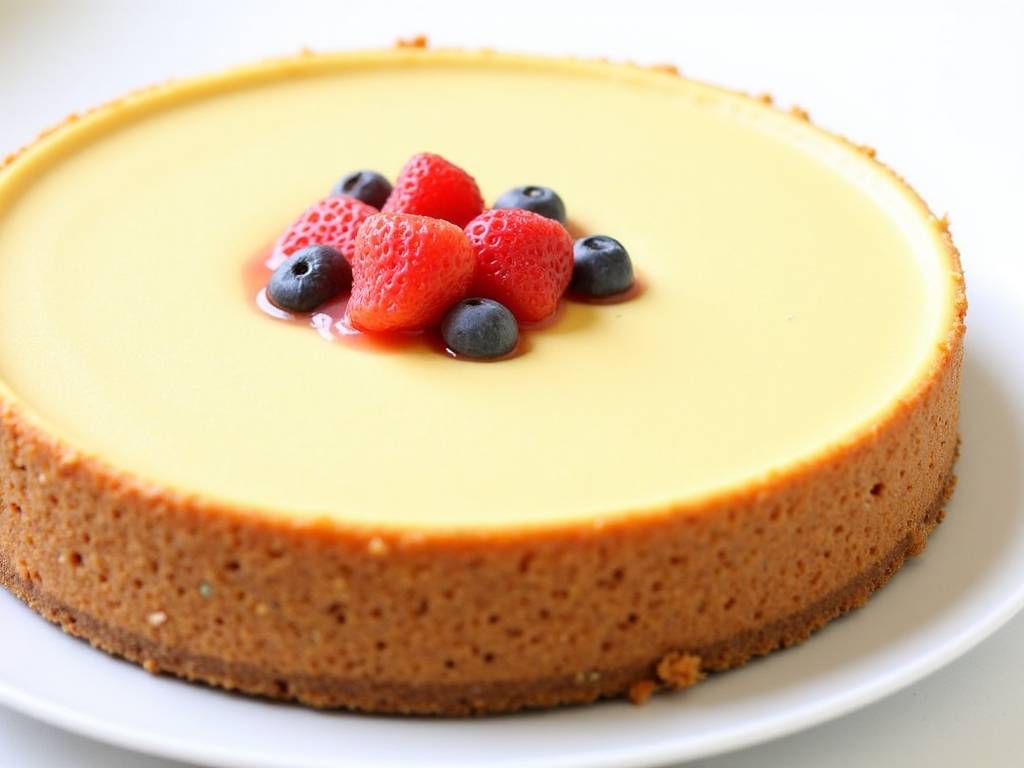
Understanding Your Key Ingredients
Before we begin, let's explore the stars of this plant-based show. Knowing why each ingredient works will empower you to adapt and innovate.
-
The Base: A Crunchy Foundation The crust provides the essential textural contrast. We'll use a mixture of raw almonds and Medjool dates. The almonds offer a sturdy, nutty crunch, while the sticky, caramel-like dates bind everything together naturally without the need for butter. For a nut-free option, sunflower seeds or gluten-free oats are excellent alternatives.
-
The Filling: Where Magic Happens This is the heart of the egg-free milk-free cheesecake. We rely on two primary ingredients:
- Raw Cashews: When soaked and blended, they transform into an unbelievably smooth, rich, and neutral base that perfectly carries flavors.
- Full-Fat Coconut Milk (chilled): The solid coconut cream from the top of a can provides the fat content and stability that heavy cream and cream cheese would traditionally offer. It whips up beautifully and sets firmly when chilled.
- Natural Sweeteners & Acids: Maple syrup or agave nectar adds sweetness, while fresh lemon juice and apple cider vinegar replicate the subtle tang of cultured dairy, cutting through the richness.
Step-by-Step Plant-Based Cheesecake Recipe
Follow these detailed instructions for a guaranteed successful outcome.
For the Crust:
- 1 cup raw almonds
- 1 cup soft Medjool dates, pitted
- A pinch of sea salt
For the Filling:
- 2 cups raw cashews, soaked in hot water for at least 1 hour (or overnight in cold water)
- 1 can (13.5 oz) full-fat coconut milk, refrigerated overnight
- 1/2 cup pure maple syrup
- 1/3 cup melted coconut oil
- 1/4 cup fresh lemon juice
- 1 teaspoon pure vanilla extract
- 1 teaspoon apple cider vinegar
- A pinch of salt
Instructions:
1. Prepare the Crust Line the bottom of a 7-inch springform pan with parchment paper. In a food processor, pulse the almonds until they resemble coarse sand. Add the pitted dates and salt. Process until the mixture sticks together when pinched. Press this mixture firmly and evenly into the bottom of the prepared pan. Place it in the freezer while you make the filling.
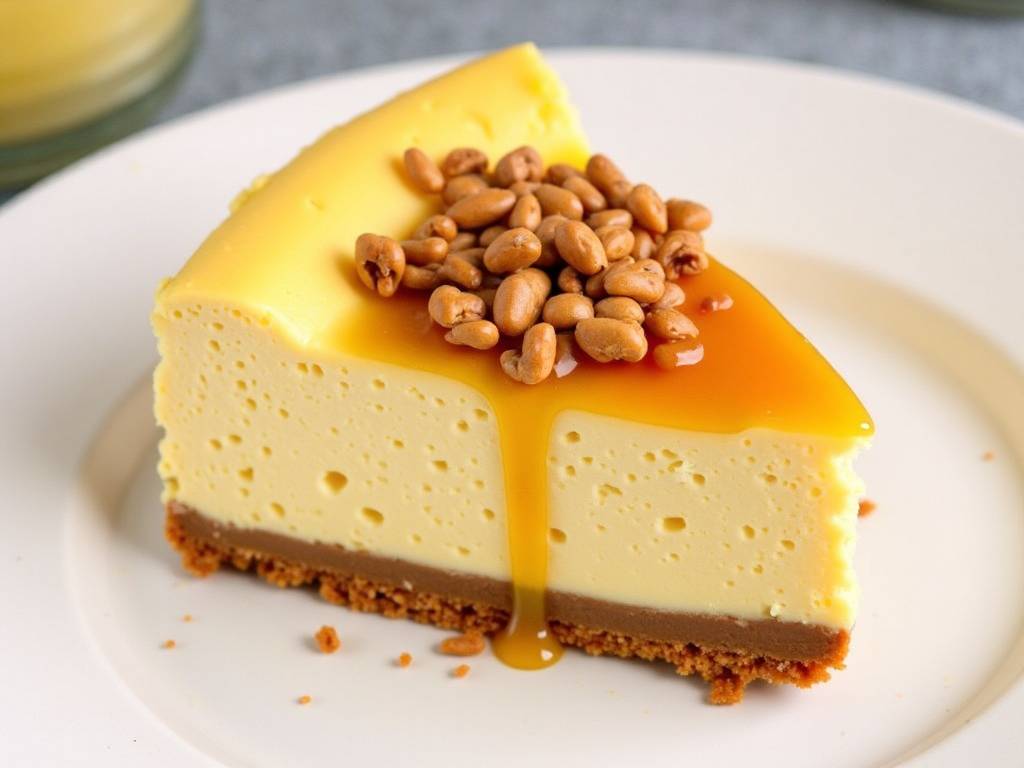
2. Create the Luxurious Filling Drain and rinse your soaked cashews. Without shaking it, open the can of refrigerated coconut milk and scoop out the solid white cream into a high-speed blender. Reserve the leftover water for smoothies. Add the drained cashews, maple syrup, melted coconut oil, lemon juice, vanilla extract, apple cider vinegar, and salt to the blender. Blend on high for 1-2 minutes, stopping to scrape down the sides as needed, until the mixture is completely smooth, creamy, and silky. This step is crucial for the perfect texture.
3. Assemble and Set Retrieve your pan from the freezer. Pour the filling over the crust, tapping the pan gently on the counter to release any air bubbles. Smooth the top with a spatula. Cover the pan with plastic wrap or a lid and place it in the freezer to set for at least 4-6 hours, or ideally overnight. For a softer, more mousse-like texture, you can set it in the refrigerator for 8-12 hours.
4. Serving and Storage When ready to serve, remove the cheesecake from the freezer and let it sit at room temperature for 10-15 minutes for easier slicing. Run a warm knife around the edge before releasing the springform ring. Top with fresh berries, a drizzle of fruit compote, or a sprinkle of crushed nuts. Store any leftovers covered in the freezer for up to a month or in the refrigerator for up to 5 days.
Expert Tips for Customization
The basic recipe is a masterpiece, but feel free to make it your own.
- Flavor Twists: For a chocolate version, add 1/2 cup of cocoa powder to the filling. For a fruity swirl, gently fold in 1/3 cup of raspberry or mango puree before pouring.
- Texture Perfection: Ensure your coconut milk is fully chilled and use only the solid cream. A high-speed blender is the best investment for achieving that ultra-smooth, grain-free consistency.
- Sweetener Flexibility: Agave nectar or brown rice syrup can replace maple syrup in equal measure.
⚠️ 温馨提示:本款蛋糕含糖量较高,高血糖/糖尿病患者请谨慎食用。
Frequently Asked Questions
Can I make this recipe without nuts? Absolutely. For a nut-free crust, use 1.5 cups of gluten-free rolled oats processed with dates. For the filling, substitute the cashews with 1.5 cups of well-cooked and peeled white sweet potato or ivory white beans, though the texture will be slightly denser.
Why didn't my cheesecake set firmly? This is usually due to two reasons: the coconut milk wasn't fatty enough or fully chilled, or the coconut oil wasn't properly incorporated. Always use a quality full-fat coconut milk brand known for separating, and ensure your melted coconut oil is liquid but not hot when blending.
Is this healthier than regular cheesecake? This plant-based recipe is free from cholesterol and lactose, and often contains more fiber and healthy fats from nuts. However, it remains an energy-dense treat. Moderation is key, as with any dessert. It's worth noting that understanding dessert's role in a balanced diet is important; for instance, excessive intake of refined sugars can elevate blood sugar fluctuation risks, as referenced in studies from journals like Food Nutrition & Health.
Creating this vegan cheesecake is more than following a recipe; it's an exploration of how simple, whole plant foods can be transformed into something extraordinary. It proves that dietary choices don't mean sacrificing joy or flavor. With its creamy, dreamy filling and satisfying crust, this cake is sure to impress everyone at your table, regardless of their dietary preferences. So, gather your ingredients, trust the process, and get ready to enjoy a slice of pure, guilt-free indulgence.





