 bluename
 How to Make Dairy-Free Cheesecake? Your Guide to an All-Plant Ingredient Delicious Replica
For many, the thought of cheesecake conjures up images of creamy, decadent indulgence. Yet, for those following a vegan lifestyle, managing lactose intolerance, or simply seeking a healthier plant-based alternative, traditional cheesecake can feel off-limits. The rich, tangy center, often seen as inseparable from dairy cream cheese, seems impossible to replicate without animal products. This leaves a gaping hole where dessert satisfaction should be. But what if you could create a dessert that captures every bit of that classic creamy texture and rich flavor, using only ingredients from the earth? The answer lies in mastering the art of the dairy-free cheesecake. This all-plant ingredient delicious replica is not just a compromise; it’s a revelation in modern baking, proving that incredible taste and inclusive eating can go hand in hand.
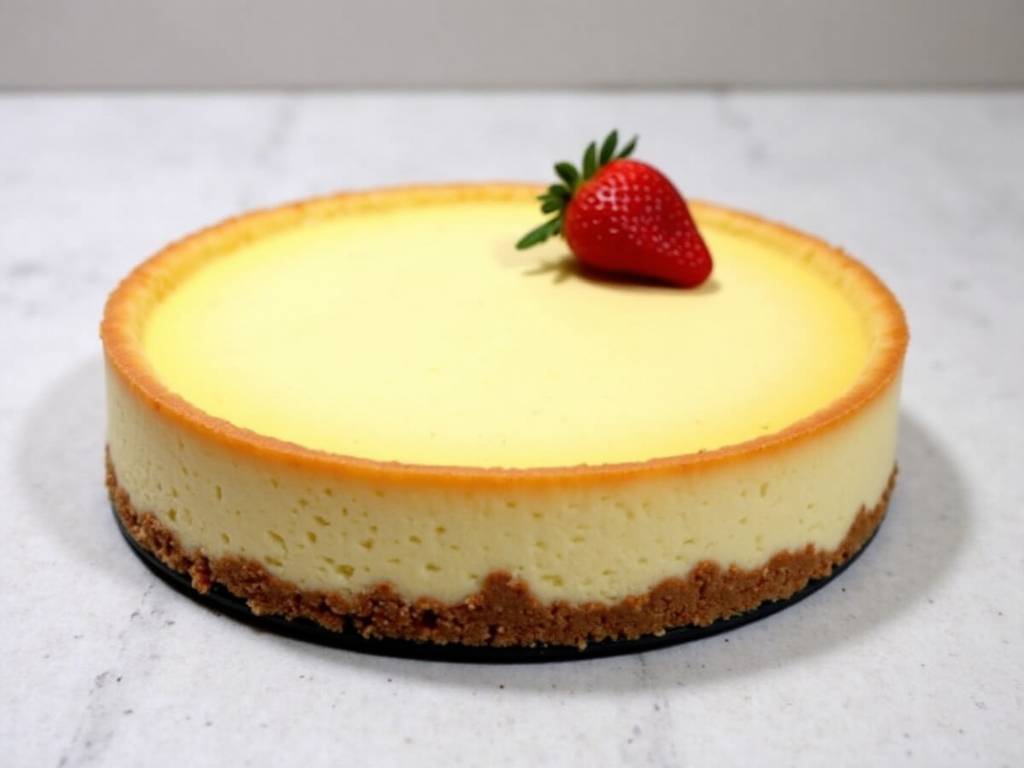
The secret to a successful dairy-free cheesecake isn’t about finding a one-to-one substitute for cream cheese. It’s about understanding how plant-based ingredients work together to mimic the structural and sensory properties we love. According to a 2023 plant-based culinary trends report, the demand for sophisticated vegan desserts has grown by over 40% in the past two years, driven by both dietary needs and environmental consciousness. This shift has led to incredible innovation in the home kitchen.
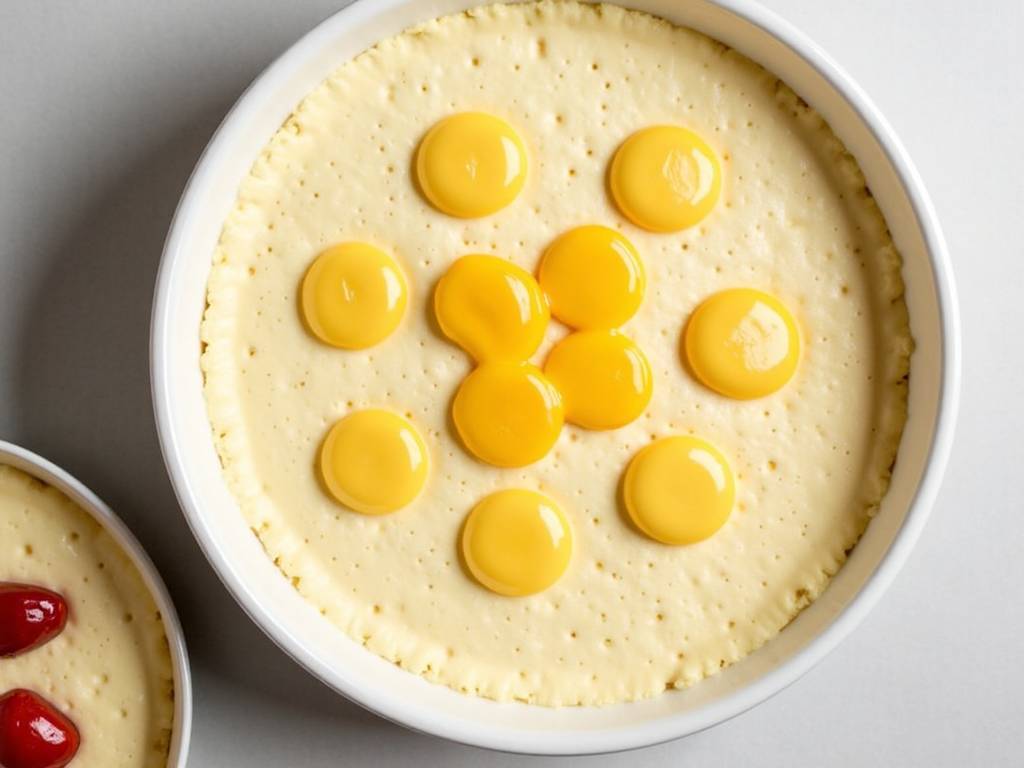
Essential Components of Your Plant-Based Cheesecake
Every great cheesecake, dairy-free or not, is built on three key elements: the crust, the filling, and the setting method. Let’s break down how to perfect each one with plants.
Crafting the Perfect Crust Without Graham Crackers
While traditional graham crackers are often vegan, you can create more nutrient-dense and flavorful bases. The principle remains the same: a blend of dry crumbs and a binding fat. A simple blend of raw almonds, pitted dates, and a pinch of salt processed until sticky works beautifully for a no-bake option. For a baked crust, try using gluten-free oat flour combined with finely ground walnuts and melted coconut oil. The key is to press the mixture firmly into your pan to create a stable foundation that won’t crumble when sliced.
The Heart of the Matter: Mastering the Dairy-Free Filling
This is where the magic happens. The goal is to achieve a luxuriously smooth, tangy, and rich consistency. Several plant-based stars can take the lead. Cashews, when soaked in hot water for 1-2 hours, become incredibly soft and blend into a phenomenally smooth, neutral base. They provide the fat and body that mimics the mouthfeel of dairy. For tanginess, fresh lemon juice and apple cider vinegar are irreplaceable. A touch of white miso paste can add a subtle fermented depth that echoes the complexity of cream cheese, a tip often shared by professional vegan pastry chefs. Another excellent option is using a base of firm silken tofu or soaked sunflower seeds for a nut-free version. The silken tofu offers a protein-rich structure and a clean canvas for flavors.
Sweeteners and Setting Agents: Achieving the Ideal Texture
Maple syrup, agave nectar, and coconut sugar are excellent liquid sweeteners that integrate seamlessly. For a smoother, whiter filling, refined cane sugar or organic powdered sugar can be used. To set the filling without eggs, full-fat coconut milk or coconut cream is a champion. Its high saturated fat content solidifies when chilled, giving the cheesecake a firm yet creamy slice. Arrowroot powder or tapioca starch (about one tablespoon per recipe) can also be added to the blended filling to enhance stability and prevent a runny center, especially in no-bake versions.
Step-by-Step Recipe: A Classic No-Bake Cashew-Based Delight
Here is a reliable, crowd-pleasing recipe to get you started on your dairy-free cheesecake journey.
Ingredients: For the Crust:
- 1 ½ cups raw almonds
- 1 cup soft pitted dates
- ¼ teaspoon sea salt For the Filling:
- 3 cups raw cashews, soaked in hot water for 2 hours, then drained
- ¾ cup fresh lemon juice
- ¾ cup coconut oil, melted
- ¾ cup full-fat coconut milk
- 1 cup maple syrup or agave nectar
- 1 tablespoon vanilla extract
- ¼ teaspoon sea salt
Instructions:
- Line a 7-inch or 8-inch springform pan with parchment paper.
- Make the crust by pulsing the almonds, dates, and salt in a food processor until the mixture sticks together when pressed. Transfer it to the pan and press down firmly and evenly. Place in the freezer while you make the filling.
- For the filling, combine all ingredients in a high-speed blender. Blend on high until the mixture is completely smooth, creamy, and silky. This may take several minutes; stop to scrape down the sides as needed. The texture should be like a very thick, luxurious batter.
- Pour the filling over the prepared crust. Tap the pan gently on the counter to release any air bubbles.
- Cover the pan and freeze the cheesecake for at least 4-6 hours, or until completely firm.
- To serve, transfer the cheesecake from the freezer to the refrigerator for about 30-60 minutes to slightly soften for perfect slicing. Garnish with fresh berries, a drizzle of dairy-free caramel, or shaved dark chocolate.
⚠️ 温馨提示:本款蛋糕含糖量较高,高血糖/糖尿病患者请谨慎食用。
Baked Option: Creating a Firm, Traditional-Style Slice
If you prefer the denser texture of a New York-style baked cheesecake, a tofu-based recipe is excellent. Blend 24 oz of firm silken tofu, ½ cup of plant-based yogurt, ¾ cup of sugar, ¼ cup of all-purpose flour, 2 tablespoons of lemon juice, and 1 tablespoon of vanilla extract until smooth. Pour into a pre-baked crust and bake at 350°F (175°C) for 45-50 minutes until the edges are set and the center has a slight jiggle. Let it cool completely, then chill overnight. This method yields a firmer, sliceable cake with a different but equally satisfying protein-rich profile.
Flavor Variations to Explore
The basic filling is a perfect canvas. After blending, you can divide it and create multiple flavors. For a chocolate version, add ½ cup of melted dairy-free dark chocolate. For a fruity swirl, gently fold in ½ cup of pureed raspberries or mango. You can also mix in espresso powder for a coffee delight or swirl in peanut butter for a decadent treat. The possibilities are truly endless, allowing you to customize this all-plant ingredient delicious replica to any occasion.
Why does my no-bake cheesecake filling taste gritty? This is almost always due to under-soaking the cashews or not blending long enough. Ensure your cashews are soaked in hot water for a minimum of two hours, or even overnight in cold water for the creamiest result. Use a powerful high-speed blender and blend for a full 3-5 minutes, until the mixture is perfectly smooth and warm to the touch from friction.
Can I make this recipe nut-free? Absolutely. Substitute the cashews with an equal amount of raw sunflower seeds (soaked) and use a nut-free crust made from gluten-free oats and seeds. The color will be slightly different, but the texture and taste will still be fantastic. For the baked version, the tofu base is naturally nut-free.
How long will a dairy-free cheesecake keep? It stores beautifully. Keep it covered in the freezer for up to 2-3 months. In the refrigerator, it will stay perfect for 4-5 days. The frozen slice holds its shape remarkably well, making it a fantastic make-ahead dessert for parties.
Embracing plant-based baking opens a world of creativity and inclusivity. This dairy-free cheesecake proves that you don’t need dairy to achieve a dessert that is rich, satisfying, and impressively creamy. By understanding the role of each component—from the sturdy crust to the cleverly set filling—you can confidently create an all-plant ingredient delicious replica that will delight everyone at the table. Start with the classic cashew version, experiment with flavors, and discover how simple and rewarding compassionate baking can be.





