 bluename
 How to Make Gluten-Free Cheesecake? Your Ultimate Safe and Delicious Guide
For anyone with celiac disease, gluten sensitivity, or simply choosing a gluten-free lifestyle, the thought of indulging in a classic cheesecake can be filled with hesitation. The worry about hidden gluten in crusts, thickeners, or flavorings is real and valid. Navigating desserts safely shouldn’t mean sacrificing flavor or texture. This comprehensive guide is dedicated to providing a foolproof method for creating a spectacular gluten-free cheesecake that is not only safe but also incredibly delicious. We’ll walk you through every step, from selecting certified ingredients to mastering the perfect bake, ensuring your dessert is a worry-free triumph.
Understanding Gluten and Cross-Contamination Risks
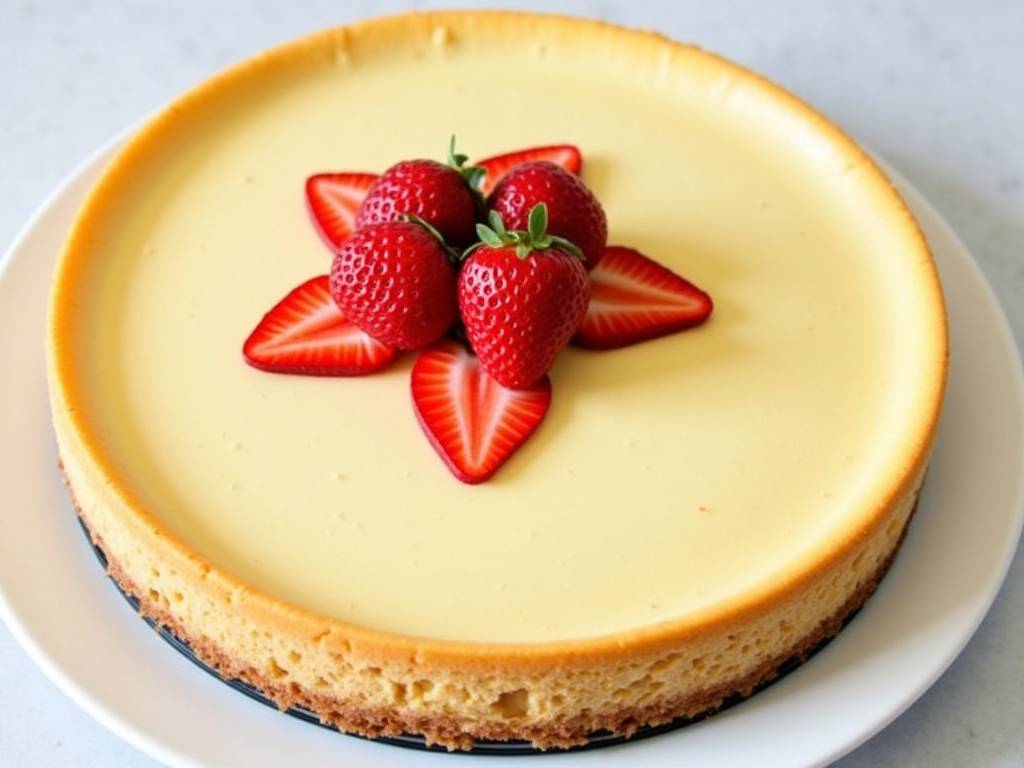
Before we begin, it’s crucial to understand what makes a cheesecake truly gluten-free. Gluten is a protein found in wheat, barley, rye, and their derivatives. The primary risk in cheesecake comes from the crust, typically made from graham crackers or digestive biscuits, and from additives in some cream cheese or fillings.
Choosing certified gluten-free ingredients is non-negotiable for safety. As noted by the Gluten Intolerance Group, even trace amounts from cross-contamination during manufacturing can cause reactions in sensitive individuals. Always look for a “Certified Gluten-Free” label on packaging, which guarantees the product has been tested to meet strict standards.
Essential Tools and Safe Kitchen Setup
You don’t need specialized equipment, but a few tools ensure success: a 9-inch springform pan (for easy release), a stand or hand mixer, a large mixing bowl, and parchment paper. To prevent cross-contamination in your kitchen, thoroughly clean all surfaces, utensils, and appliances. Consider using separate bowls and beaters if you also bake with regular flour.
Selecting Your Gluten-Free Ingredients
The beauty of cheesecake is that its creamy filling is naturally based on gluten-free dairy. The key is vigilant ingredient selection.
For the Crust: The classic graham cracker crust can be easily replicated using certified gluten-free graham crackers or cookies. Excellent alternatives include gluten-free vanilla wafers, shortbread cookies, or even almond flour for a grain-free option. You’ll also need melted unsalted butter and a touch of sugar.
For the Filling: Full-fat, brick-style cream cheese is essential for structure and richness. Ensure it’s at room temperature for a smooth, lump-free blend. Granulated sugar, eggs (also room temperature), pure vanilla extract, and full-fat sour cream or Greek yogurt are the other core components. Always check labels on vanilla extract and sour cream, though they are rarely problematic.
The Ultimate Gluten-Free Cheesecake Recipe
This recipe yields a rich, creamy New York-style cheesecake with a crisp, buttery crust.
Ingredients: For the Crust:
- 2 cups finely ground certified gluten-free graham cracker crumbs
- 1/4 cup granulated sugar
- 1/2 cup unsalted butter, melted
For the Filling:
- 4 (8-ounce) packages full-fat cream cheese, softened
- 1 1/4 cups granulated sugar
- 1 cup full-fat sour cream
- 2 teaspoons pure vanilla extract
- 4 large eggs, room temperature
Step-by-Step Instructions
Preparing the Crust Preheat your oven to 325°F (160°C). In a medium bowl, combine the gluten-free crumbs and sugar. Pour in the melted butter and mix until the crumbs are evenly moistened and resemble wet sand. Press this mixture firmly and evenly into the bottom of a parchment-lined 9-inch springform pan. Use the bottom of a glass to compact it. Pre-bake the crust for 10 minutes, then let it cool while you prepare the filling. This step helps prevent a soggy bottom.
Creating the Perfect Filling In the bowl of a stand mixer fitted with the paddle attachment, beat the softened cream cheese on medium-low speed until it is completely smooth and creamy, about 3 minutes. Scrape down the bowl frequently. Gradually add the sugar and beat until incorporated. Blend in the sour cream and vanilla extract. With the mixer on low speed, add the eggs one at a time, mixing just until each egg is blended. Overmixing at this stage incorporates too much air, which can lead to cracking. The final batter should be smooth, thick, and glossy.
Baking and Cooling for a Flawless Finish Pour the filling over the cooled crust and smooth the top. Place the springform pan on a baking sheet. Bake in the preheated oven for 60-70 minutes. The edges should be set, but the center (about a 3-inch circle) should still jiggle slightly when the pan is gently shaken—this is the key to creaminess. Turn off the oven, crack the door open with a wooden spoon, and let the cheesecake cool slowly inside for 1 hour. This gradual temperature change minimizes cracking. Then, remove it from the oven and run a thin knife around the edge to loosen it. Let it cool completely at room temperature before refrigerating for at least 8 hours, preferably overnight.
Flavor Variations and Toppings Once you’ve mastered the classic, the possibilities are endless. Swirl in a gluten-free fruit puree like raspberry or passionfruit before baking. For a chocolate version, mix 1/2 cup of sifted cocoa powder into the crust crumbs and fold 8 ounces of melted and cooled gluten-free chocolate into the filling. Top with fresh berries, a gluten-free caramel sauce, or a simple dusting of powdered sugar before serving.
Storing and Serving Your Masterpiece Store the cheesecake, covered, in the refrigerator for up to 5 days. For longer storage, you can freeze it whole or in slices for up to 2 months. Thaw overnight in the refrigerator before serving. Always use a clean, hot knife (dipped in hot water and wiped dry) for clean slices.
Frequently Asked Questions
Can I make this cheesecake dairy-free as well? Yes, you can create a dairy-free version, but it requires specific substitutions. Use a vegan cream cheese alternative, dairy-free sour cream, and a plant-based butter for the crust. Be aware that the texture and setting time may vary slightly.
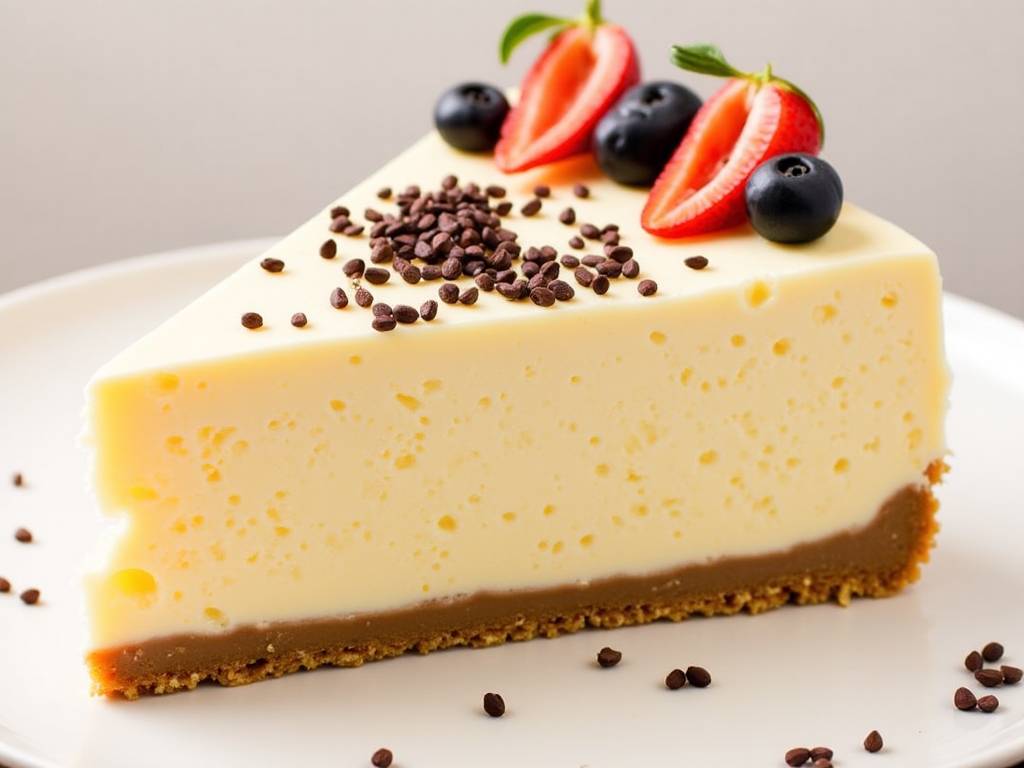
My cheesecake cracked in the center. What went wrong? Cracking is often caused by overmixing the batter (incorporating too much air), a sudden temperature change, or overbaking. Using a water bath, avoiding overmixing after adding eggs, and allowing the slow cooling in the turned-off oven as described above are the best defenses against cracks. Remember, a crack doesn’t affect the taste, and a topping can easily disguise it!
Are oreo cookies safe for a gluten-free crust? Traditional Oreos contain wheat and are not gluten-free. However, Gluten-Free Oreos are now available in many markets. Always ensure the package is labeled and certified gluten-free if you choose to use them for a crust.
Creating a safe, delicious gluten-free cheesecake is entirely achievable with careful ingredient selection and precise technique. This dessert proves that dietary restrictions don’t mean missing out on classic treats. By following this guide, you can confidently bake a centerpiece dessert that everyone can enjoy. Share your creation, experiment with flavors, and savor every creamy, worry-free bite.
⚠️ 温馨提示:本款蛋糕含糖量较高,高血糖/糖尿病患者请谨慎食用。





