 bluename
 How to Make Keto Cheesecake? A Delicious Keto-Friendly Low-Carb Recipe
Are you craving a rich, creamy slice of cheesecake but worried it will derail your ketogenic lifestyle? You're not alone. The classic dessert, loaded with sugar and a high-carb crust, is a major roadblock for anyone following a low-carb or keto diet. The thought of giving up such a beloved treat can feel like the biggest sacrifice. But what if you could indulge without guilt? This comprehensive guide will walk you through creating a perfect Keto Cheesecake that is not only delicious but also aligns with your health goals. We'll tackle the common pitfalls of keto baking and provide a foolproof, keto-friendly low-carb recipe that delivers on both texture and taste.
The beauty of a well-made keto cheesecake lies in its simplicity and adaptability. By swapping out a few key ingredients, you can transform a sugar-laden dessert into a nutritious, high-fat treat that fits your macros. Let's dive into the essentials of crafting this low-carb masterpiece.
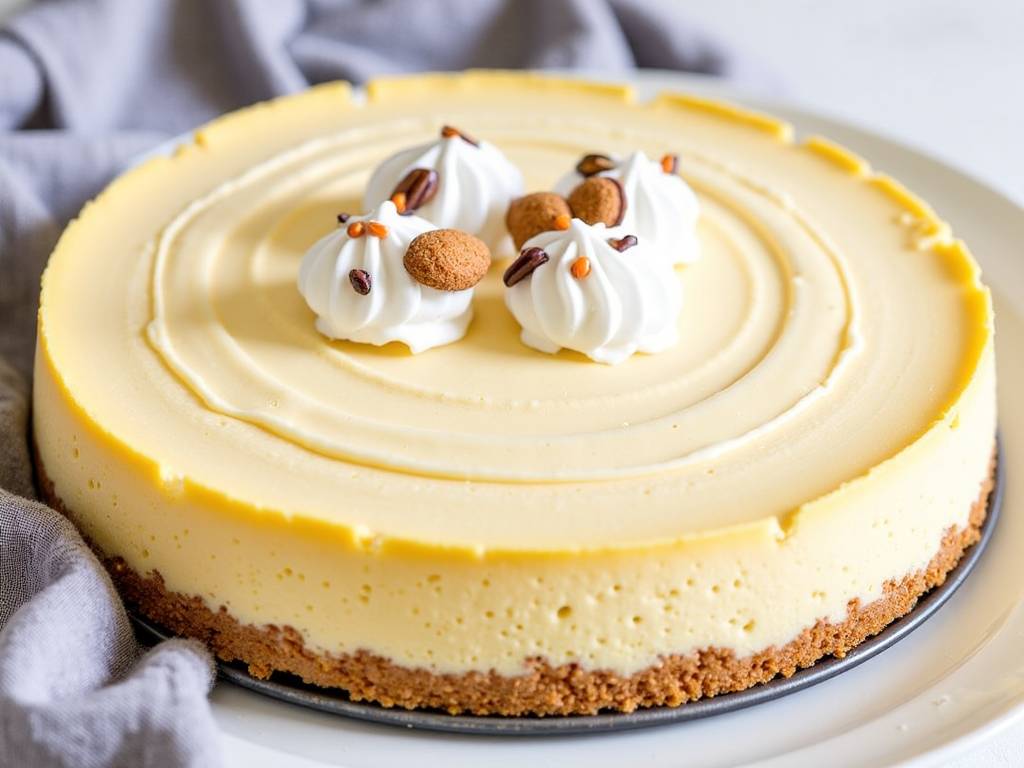
Understanding the Keto Cheesecake Formula
Traditional cheesecake gets its structure from sugar and its crust from graham crackers or biscuits—both carbohydrate nightmares. The keto version reimagines this entirely. The crust uses nuts like almonds or pecans combined with a sugar substitute and butter. The filling relies on full-fat cream cheese, eggs, and a keto-approved sweetener. The goal is to achieve that signature dense, smooth, and slightly tangy profile without the glycemic spike.
A 2023 review in the Journal of Culinary Science & Technology noted that successful alternative baking hinges on understanding the functional roles of replaced ingredients. In our case, the sweetener must provide bulk and browning, while the nut flour must bind properly to avoid a crumbly base.
Essential Ingredients for Success
Gathering the right ingredients is half the battle. Quality matters here.
For the Crust:
- Almond Flour or Finely Ground Pecans: These provide a sturdy, flavorful base with minimal net carbs. Almond flour is a classic choice for its neutral taste and fine texture.
- Granulated Keto Sweetener (e.g., Erythritol or Monk Fruit Blend): This adds the necessary sweetness and helps bind the crust.
- Melted Butter: Acts as the glue, holding the crust together and adding rich flavor.
For the Filling:
- Full-Fat Cream Cheese (room temperature): This is the star. Always use full-fat for the creamiest texture and best keto macros. Room temperature is non-negotiable for a lump-free filling.
- Keto Granulated Sweetener: The same type used in the crust ensures consistent flavor.
- Sour Cream or Heavy Cream: This adds tanginess, moisture, and helps create a luxuriously smooth texture.
- Eggs (room temperature): They provide structure and richness. Room-temperature eggs incorporate more evenly.
- Vanilla Extract & Lemon Juice: These flavor enhancers cut through the richness and replicate the classic cheesecake flavor profile.
Step-by-Step Keto Cheesecake Recipe
Follow these steps carefully for a cheesecake that is crack-free and perfectly set.
Preparing the Perfect Crust
Start by preheating your oven to 325°F (160°C). Combine 1 ½ cups of almond flour, ⅓ cup of your chosen keto sweetener, and a pinch of salt in a bowl. Stir in ⅓ cup of melted, unsalted butter until the mixture resembles wet sand. Press this firmly and evenly into the bottom of a springform pan lined with parchment paper. Pre-bake the crust for 10-12 minutes until it's lightly golden. This step prevents a soggy bottom. Let it cool while you prepare the filling.
Creating the Smooth, Creamy Filling
Ensure your cream cheese is completely soft. Using a stand mixer or hand beaters, beat the cream cheese on medium speed until it's completely smooth and creamy—about 2-3 minutes. Scrape down the bowl. Gradually add 1 cup of keto sweetener and beat again until fully combined. Incorporate 1 cup of sour cream, 2 teaspoons of vanilla extract, and 1 tablespoon of lemon juice, mixing until just blended.
The final step is to add the eggs, one at a time, mixing on low speed after each addition until only just combined. Over-beating the eggs incorporates too much air, which can lead to cracking during baking. Pour the velvety filling over your cooled crust.
Baking and Cooling for the Ideal Texture
Place the springform pan into a larger roasting pan. Pour hot water into the roasting pan until it comes halfway up the sides of the springform pan. This water bath (or bain-marie) is the secret to gentle, even heat, which prevents cracks and ensures a silky texture.
Bake for 55-70 minutes. The edges should be set, but the center should still have a slight jiggle—like Jell-O. Turn off the oven, crack the oven door open, and let the cheesecake cool inside for one hour. This gradual temperature change is another crucial anti-crack measure. Then, transfer it to the counter to cool completely before refrigerating for at least 6 hours, preferably overnight. This patience is rewarded with the perfect firm-yet-creamy slice.
Customizing Your Keto Cheesecake
Once you've mastered the base, the world of flavors opens up. You can swirl in some sugar-free raspberry jam before baking, or mix in some unsweetened cocoa powder for a chocolate version. After chilling, a topping of fresh berries, a drizzle of sugar-free chocolate ganache, or a dollop of whipped cream sweetened with a keto-friendly sweetener makes for a beautiful presentation.
Storing and Serving Suggestions
Store your finished cheesecake, covered, in the refrigerator for up to 5 days. For longer storage, you can freeze individual slices wrapped tightly in plastic film for up to 2 months. Thaw in the refrigerator overnight before serving. Serve chilled for the best texture and flavor.
Frequently Asked Questions
Can I use a different nut flour for the crust? Absolutely. While almond flour is most common, finely ground pecans, walnuts, or even macadamia nuts make excellent, flavorful crusts. Just ensure they are very finely ground to a flour-like consistency for the best binding.
Why did my cheesecake crack, and how can I prevent it? Cracking is usually caused by sudden temperature changes or over-baking. Using a water bath, allowing the cheesecake to cool gradually in the turned-off oven, and avoiding over-mixing the eggs are the three most effective strategies to guarantee a smooth top.
Which keto sweetener works best for cheesecake? Granulated erythritol-based blends (often mixed with monk fruit or stevia) are highly recommended. They measure cup-for-cup like sugar, have minimal aftertaste, and provide the necessary bulk and slight caramelization. Pure powdered stevia or liquid drops can be used but require significant recipe adjustment due to their intense sweetness.
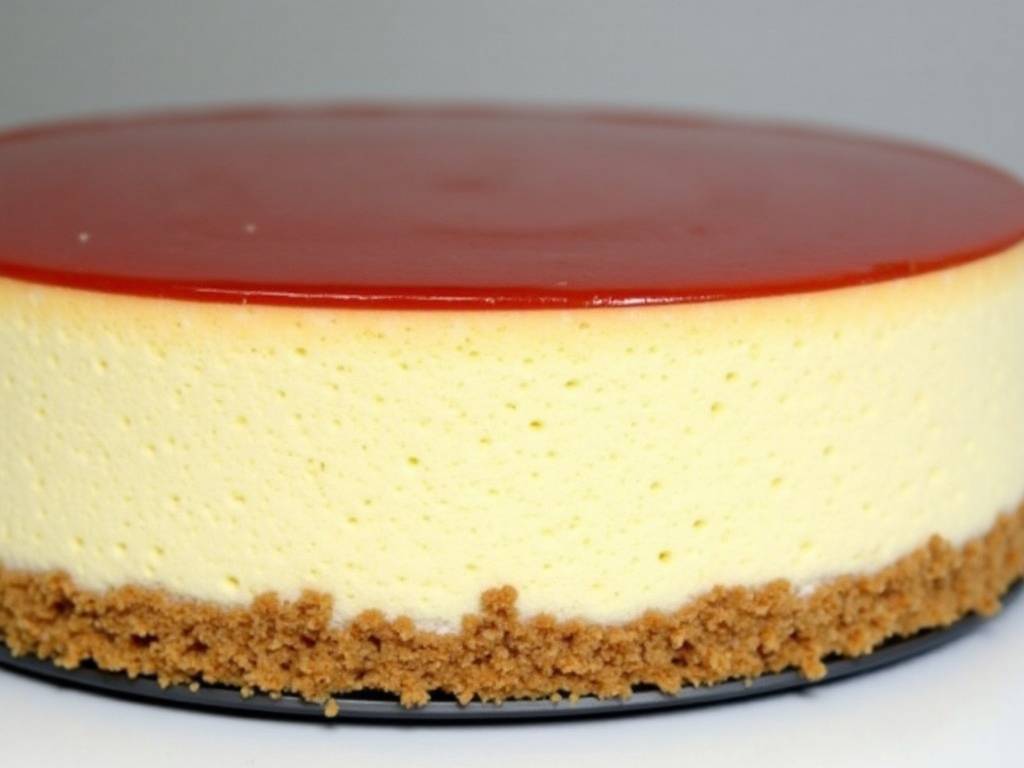
Creating a sublime keto cheesecake is entirely within your reach. By focusing on quality ingredients, precise techniques like the water bath, and—most importantly—patience during the cooling process, you can enjoy a dessert that feels decadent yet supports your wellness journey. This keto-friendly low-carb recipe proves that you don't have to miss out on the foods you love; you just need to bake them smarter.
⚠️ 温馨提示:本款蛋糕为低糖配方,建议食用前咨询专业医护人员。





