 bluename
 How to Make Cheesecake Egg Tarts? Flaky Pastry & Cheesy Delight
Have you ever craved the rich, creamy indulgence of a New York-style cheesecake and the delicate, buttery crispness of a classic egg tart, all in one perfect bite? You’re not alone. Many home bakers face the challenge of merging these two beloved desserts, often struggling with a soggy crust, a filling that’s either too dense or too runny, or flavors that don’t quite harmonize. This guide is designed to solve that exact problem. We will walk you through creating the ultimate cheesecake egg tarts—a masterpiece featuring a flaky, shatteringly crisp pastry shell cradling a velvety, tangy-sweet cheesecake filling. Get ready to impress with a dessert that balances texture and taste flawlessly.
The Secret Lies in the Foundation: Crafting the Perfect Flaky Pastry
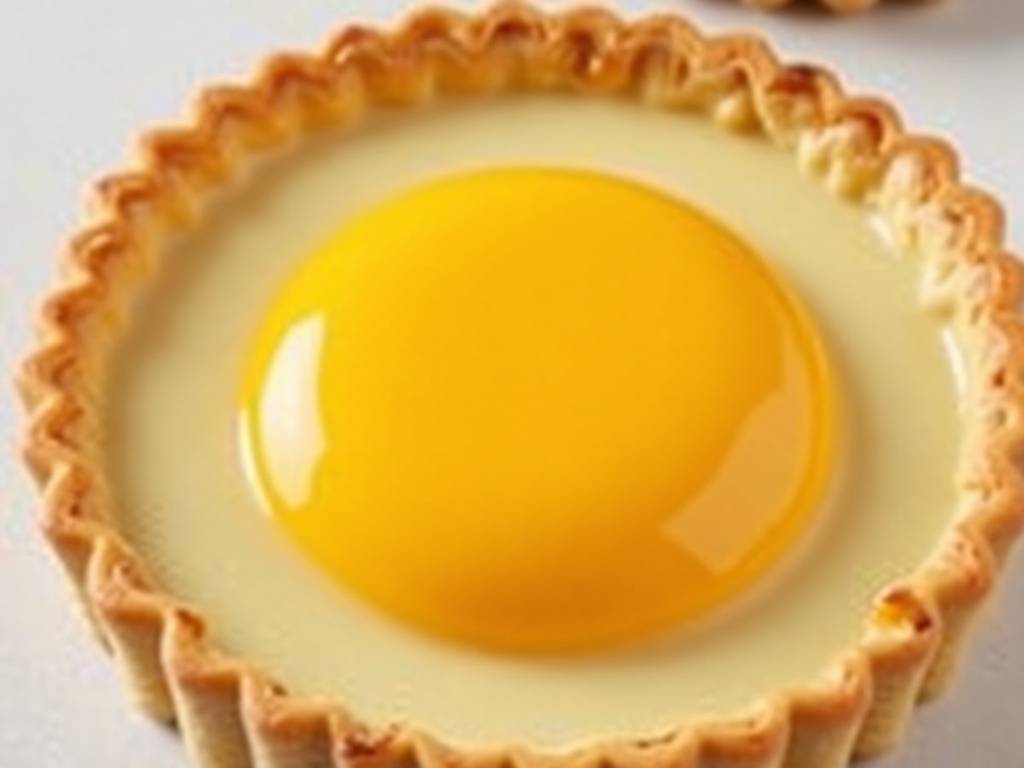
A great egg tart lives and dies by its crust. For our cheesecake egg tarts, we need a shell that can support the dense filling without becoming soggy, while offering a delightful contrast in texture. A laminated pastry, similar to a rough puff, is ideal. Pastry Chef Elena Rodriguez, in her book The Art of Patisserie, notes, “The key to flakiness is keeping the butter cold and distinct within the dough layers. When it hits the oven, the steam from the melting butter lifts the layers apart.”
You will need:
- 200g all-purpose flour
- 115g unsalted butter, cold and cubed
- ½ teaspoon salt
- 60ml ice-cold water
Begin by combining the flour and salt in a large bowl. Add the cold, cubed butter. Using your fingertips or a pastry cutter, work the butter into the flour until the mixture resembles coarse breadcrumbs with some pea-sized butter pieces remaining—this is crucial for flakiness. Gradually add the ice water, mixing just until the dough comes together. Turn it onto a lightly floured surface, shape into a rectangle, wrap in plastic, and refrigerate for at least 30 minutes. This chill period relaxes the gluten and firms up the butter.
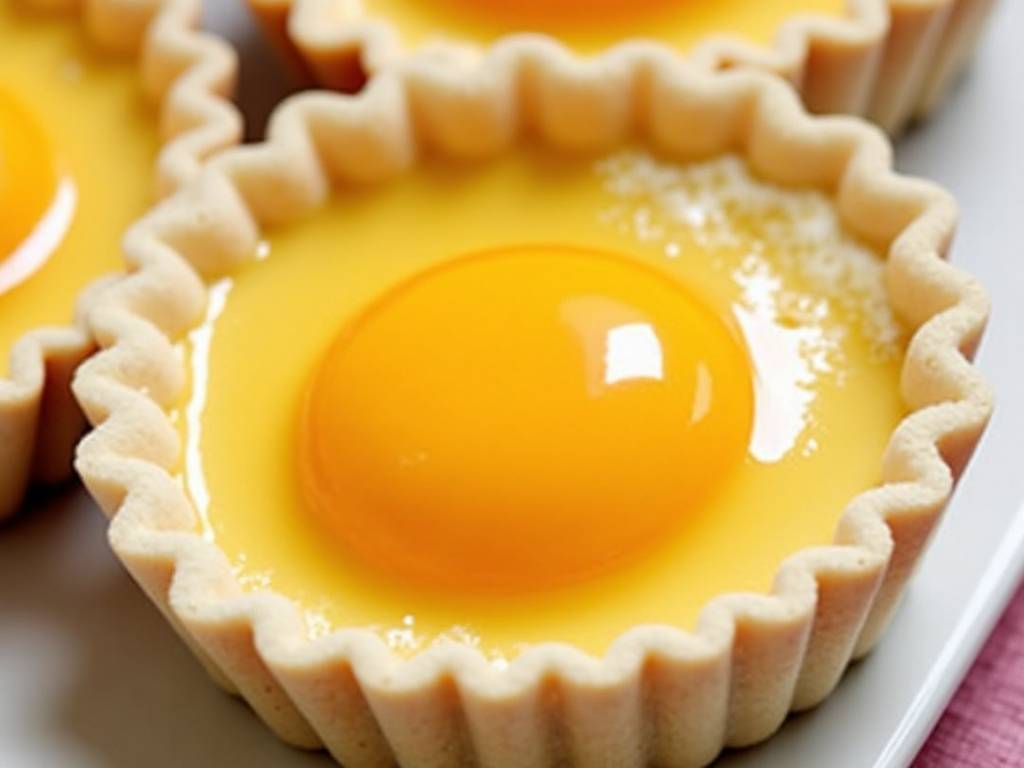
After chilling, roll the dough into a larger rectangle. Perform a simple fold: fold the bottom third up and the top third down over it, like a letter. Give the dough a quarter turn, roll it out again, and repeat the fold. Wrap and chill for another 30 minutes. This process creates those essential buttery layers. Finally, roll the dough to about 3mm thickness and cut circles to line your tart molds. Press them in gently, trim the edges, and freeze the shells for 15 minutes before blind baking. This final freeze helps the shells hold their shape.
The Heart of the Dessert: Luxurious Cheesecake Filling
While the pastry chills, let’s create the star. This filling is a hybrid: lighter than a baked cheesecake but richer and more stable than a classic custard. The goal is a smooth, creamy texture with a pronounced cheesy tang.
You will need:
- 225g full-fat cream cheese, softened to room temperature
- 60g granulated sugar
- 1 large egg + 1 egg yolk, at room temperature
- 120ml heavy cream
- 1 teaspoon pure vanilla extract
- 1 tablespoon fresh lemon juice
- A pinch of salt
In a stand mixer or with a hand mixer, beat the softened cream cheese and sugar on medium speed until completely smooth and no lumps remain, about 2-3 minutes. Scrape down the bowl. Add the whole egg and egg yolk one at a time, beating well after each addition until fully incorporated. Slowly pour in the heavy cream, followed by the vanilla extract, lemon juice, and salt. Mix on low speed just until the batter is homogenous and silky. Overmixing can incorporate too much air, leading to cracks during baking. According to a 2023 industry report by the International Dairy Foods Association, the fat content in full-fat cream cheese is essential for emulsion stability, resulting in a superior mouthfeel and reduced risk of weeping in baked fillings.
Assembly and Baking: The Final Transformation
Preheat your oven to 190°C (375°F). Take your frozen tart shells and place them on a baking sheet. Carefully pour the cheesecake filling into each shell, filling them about 85% full to allow for a slight rise. A pro tip: tap the baking sheet gently on the counter to release any air bubbles.
Bake for 18-22 minutes. The tarts are done when the edges are set and puffed slightly, but the center still has a gentle, persistent jiggle—like set gelatin. It will firm up as it cools. Overbaking is the most common mistake and leads to a dry, cracked filling. Allow the tarts to cool completely in the pan on a wire rack. For the cleanest slices and best texture, refrigerate them for at least 2 hours before serving. The cold temperature allows the filling to set perfectly and the flavors to meld.
Why This Recipe Works: The Science of Synergy
This recipe isn’t just a random combination; it’s engineered for success. The high-heat, quick bake of the pastry shell ensures maximum puff and flake before the filling has a chance to seep in. The cheesecake filling, with its balanced ratios of dairy, egg, and sugar, sets at a lower temperature than a traditional egg custard, preventing the dreaded “soggy bottom.” The result is a textural symphony: the shattering, buttery crust giving way to the cool, dense, and creamy cheesecake center.
Frequently Asked Questions
Can I use store-bought puff pastry? You can for a time-saving option, but the result will be different. Traditional puff pastry is very airy and may not provide the sturdy, crumbly structure that complements the dense filling. Our laminated shortcrust offers the ideal compromise of flakiness and substance.
My filling cracked! What went wrong? Cracks usually indicate overbaking or an oven temperature that’s too high. Remember, the center should still wobble when you take them out. Rapid temperature change can also cause stress; let them cool gradually in the turned-off oven with the door ajar if cracking is a persistent issue.
How long do they keep, and can I freeze them? These cheesecake egg tarts keep beautifully in the refrigerator, covered, for up to 3 days. The pastry may soften slightly but will still be delicious. For longer storage, you can freeze baked and cooled tarts in a single layer on a tray before transferring to an airtight container. Thaw overnight in the fridge.
Creating these cheesecake egg tarts is a rewarding baking project that yields spectacular results. By understanding the role of each ingredient and step—from keeping the butter cold in the pastry to knowing the precise jiggle of the baked filling—you master not just a recipe, but fundamental techniques that elevate all your baking. The contrast of the flaky, golden shell with the rich, cheesy delight within is a testament to the magic that happens when two classic desserts unite. Serve them at your next gathering and prepare for recipe requests.
⚠️ 温馨提示:本款蛋糕含糖量较高,高血糖/糖尿病患者请谨慎食用。





