 bluename
 How to Make Cheesecake Pie? A Guide to Rich Filling & Classic Pastry
Have you ever craved the creamy, decadent richness of a classic cheesecake but wished for the comforting, flaky embrace of a buttery pie crust? You're not alone. Many home bakers face the dilemma of choosing between these two beloved desserts, often finding store-bought versions either too sweet, lacking in authentic flavor, or simply not matching that homemade perfection. The quest for the ultimate cheesecake pie—a harmonious fusion of a velvety, rich filling nestled within a crisp, classic pastry—can seem daunting. Questions about avoiding cracks, achieving the perfect set, or crafting a crust that doesn't become soggy are common hurdles. This guide is designed to demystify the process, providing a step-by-step, expert-backed approach to creating a show-stopping dessert that solves these very problems.
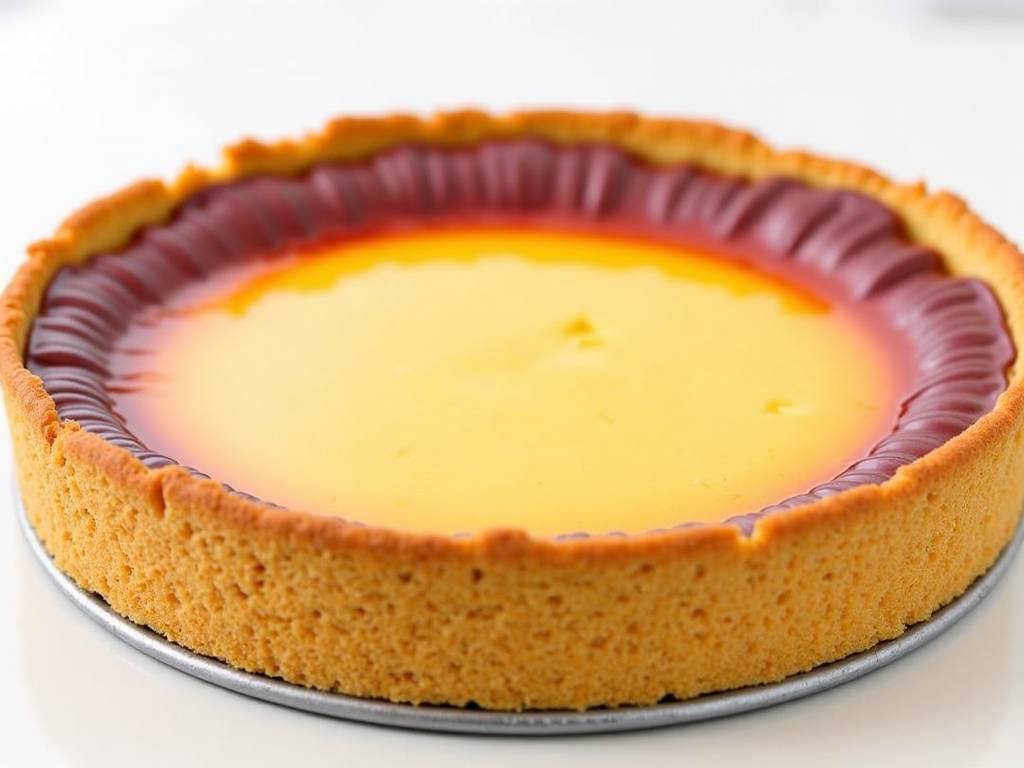
The secret to an exceptional cheesecake pie lies in understanding its two core components: the filling and the pastry. Each requires specific techniques and quality ingredients. According to a survey by the American Bakers Association, over 65% of consumers rate "texture" as equally important as taste in desserts, highlighting why mastering the consistency of both elements is crucial.
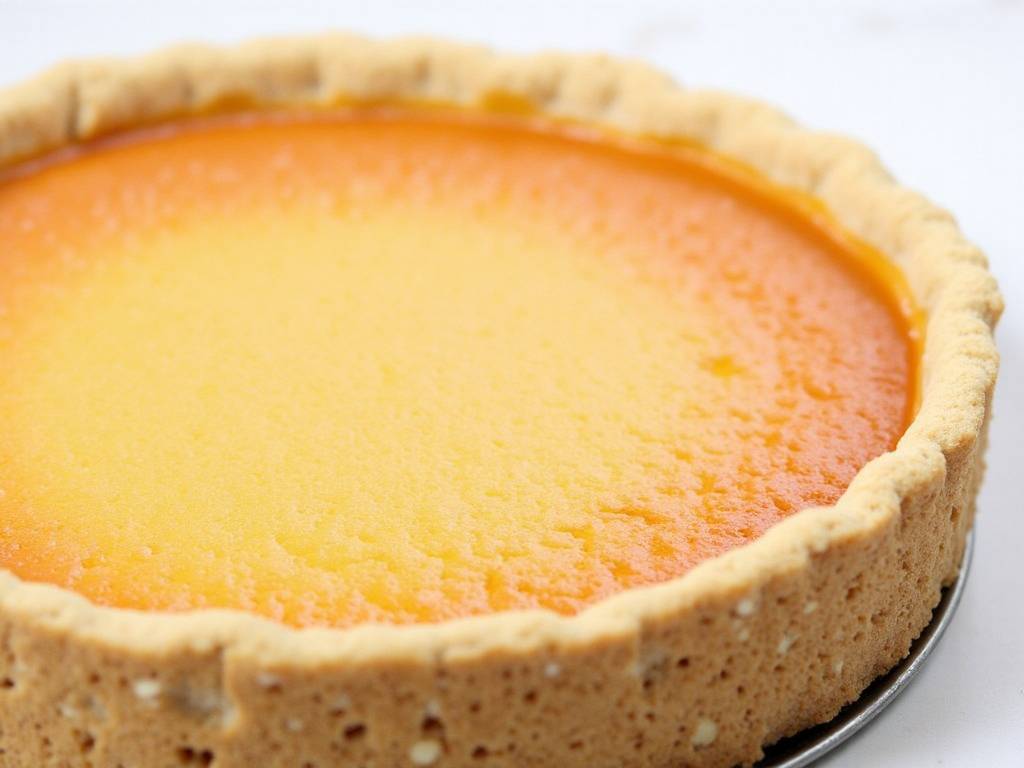
Mastering the Classic Pastry Crust
A great crust is the foundation. It should be sturdy enough to hold the dense filling yet tender and flavorful on its own.
- Ingredients Matter: Use cold, unsalted butter and ice water. The cold fat creates steam during baking, which is essential for achieving those desirable flaky layers. A pinch of sugar in the dough balances the tang of the filling.
- The Technique of Blind Baking: This is non-negotiable for a cheesecake pie. After chilling your rolled-out dough in the pie dish, line it with parchment paper and fill it with pie weights or dried beans. Bake at 375°F (190°C) for 15-20 minutes until the edges are set. This process, known as blind baking, creates a protective seal, preventing the wet filling from turning the bottom crust soggy—a common pitfall avoided by professional bakers.
- The Egg Wash Seal: For an extra barrier, brush the warm, blind-baked crust with a thin layer of beaten egg white and return it to the oven for 2 minutes. This creates an impermeable layer, ensuring maximum crispness.
Crafting the Ultimate Rich Cheesecake Filling
The filling is the soul of the dessert. Its richness comes from balance, not just heaviness.
- Room Temperature is Key: Ensure your cream cheese, eggs, and sour cream are all at room temperature before mixing. This is the single most important tip for preventing lumps and achieving a silky-smooth, homogenous batter. Cold ingredients are a primary cause of overmixing, which incorporates too much air and can lead to cracking.
- The Art of Gentle Mixing: Beat the cream cheese and sugar until just smooth. Then, add eggs one at a time, mixing on low speed until only just incorporated. Over-beating eggs incorporates excess air, which expands and collapses during baking, creating cracks. As noted by pastry chef and cookbook author Stella Parks, "The goal is cohesion, not aeration."
- Flavor Enhancers: While pure vanilla extract is essential, consider a tablespoon of fresh lemon juice or zest. The acidity brightens the rich dairy flavors, preventing the pie from tasting overly cloying. A small amount of cornstarch (about 1 tablespoon) in the filling helps stabilize it, contributing to a clean slice without being gluey.
- The Low-and-Slow Bake: Pour the filling into your pre-baked crust. Bake in a preheated oven at 325°F (160°C). Placing a pan of hot water on the rack below creates a steamy environment, which gently cooks the custard and minimizes surface cracks. Bake for 45-55 minutes until the edges are set but the center still has a slight, gentle jiggle—it will firm up as it cools.
The Crucial Cooling Process
Resist the urge to dig in immediately! Rapid temperature change is another major cause of cracking.
- Cool in the Oven: Turn off the oven, crack the door open slightly, and let the pie cool inside for about an hour.
- Cool on the Counter: Transfer it to a wire rack to cool completely to room temperature.
- Chill Thoroughly: Finally, refrigerate the pie for at least 6 hours, preferably overnight. This slow, staged cooling allows the structure to set perfectly, resulting in the dense, creamy texture characteristic of a superb cheesecake pie.
Frequently Asked Questions
- Can I use a graham cracker crust instead? Absolutely. For a quicker option, mix 1.5 cups of graham cracker crumbs with 6 tablespoons of melted butter and 2 tablespoons of sugar. Press firmly into the pie dish and bake at 350°F (175°C) for 8 minutes before adding the filling. The flavor profile will be different but equally delicious.
- My filling cracked. What went wrong? Cracking is usually due to overmixing the eggs, oven temperature being too high, or cooling too quickly. Follow the gentle mixing and slow cooling steps above. Even if it cracks, it will still taste wonderful—consider topping it with fresh berries or a sour cream glaze.
- How long does cheesecake pie last in the fridge? Properly covered with plastic wrap or in an airtight container, it will stay fresh for up to 5 days. The flavors often deepen and improve after a day or two.
Creating the perfect cheesecake pie is a rewarding baking project that combines technique with quality ingredients. By focusing on a properly blind-baked, flaky pastry and a carefully mixed, gently baked filling, you can consistently produce a dessert that is both impressively elegant and deeply satisfying. Remember, patience during the cooling and chilling stages is your final, secret ingredient to a flawless finish.
⚠️ 温馨提示:本款蛋糕含糖量较高,高血糖/糖尿病患者请谨慎食用。过量摄入精制糖可能提升血糖波动风险,参考《食品营养与健康》2025年第3期研究。





