 bluename
 How to Make Cheesecake Rice Cake: A Soft and Sweet Chinese Dessert Masterpiece
Have you ever craved the creamy, rich flavor of cheesecake but wished for a lighter, uniquely textured dessert that melts in your mouth? Perhaps you’re looking for a show-stopping sweet that combines Eastern subtlety with Western indulgence without requiring an oven. This search for a perfect fusion dessert often leads to complicated recipes or disappointing results. But what if you could create a stunning, soft, and sweet treat that is surprisingly simple to make? Enter the Cheesecake Rice Cake, a contemporary Chinese dessert that is taking home kitchens by storm. This guide will walk you through every step, transforming basic ingredients into an elegant, cloud-like delicacy that satisfies your cheesecake cravings in an entirely new way.
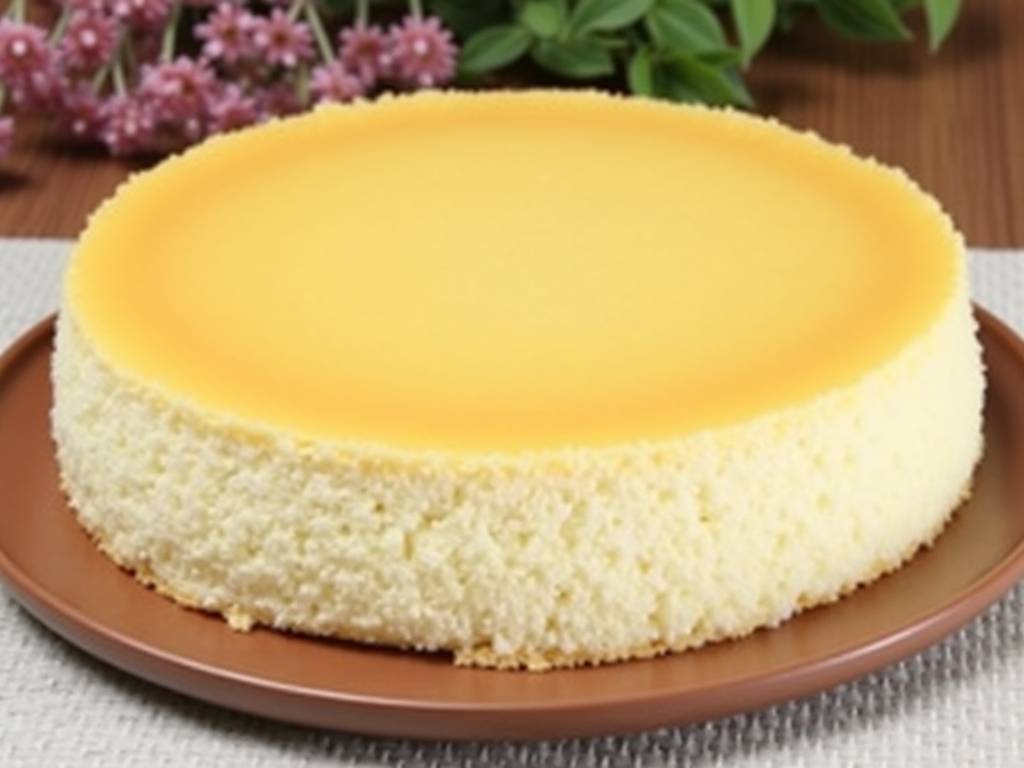
This delightful dessert is a testament to the innovation in modern Chinese cuisine, merging the beloved creamy cheese element with the soft, chewy, quintessentially Asian texture of steamed rice cakes. Our focus will be on the classic "How to Make Cheesecake Rice Cake," ensuring you achieve that perfect soft and sweet balance every time.
Understanding Your Key Ingredients
The magic of this dessert lies in the harmony of its components. Using the right ingredients is the first crucial step toward a successful outcome.
- Glutinous Rice Flour: This is the foundation, responsible for the characteristic soft, chewy, and slightly sticky texture. Do not substitute it with regular rice flour, as it lacks the necessary starch content. For the best results, seek out high-quality brands.
- Cream Cheese: The star of the "cheesecake" flavor. Full-fat, block-style cream cheese (like Philadelphia) is highly recommended for the richest taste and creamiest consistency. Ensure it is fully softened to room temperature to avoid lumps in your batter.
- Dairy Partners: Milk and heavy cream are used to adjust the batter's consistency. Milk creates a lighter cake, while heavy cream contributes to a richer, more decadent mouthfeel. A combination of both often yields the best results.
- The Sweeteners: Granulated sugar is standard, but for a deeper flavor, you can experiment with a small portion of brown sugar. A touch of condensed milk can also enhance the overall sweetness and milky flavor.
- The Leavening Agent: Baking powder is the secret to a light and airy crumb. It gives the rice cake its slight lift and soft, porous structure, preventing it from becoming overly dense.
Essential Equipment You'll Need
You don't need a professional kitchen to create this dessert. A few basic tools will make the process seamless.
- A reliable steamer is non-negotiable. A bamboo steamer set over a wok or a modern electric steamer both work perfectly.
- A sifter or fine-mesh sieve is critical for achieving a lump-free, silky batter. This step cannot be overlooked if you want that perfectly smooth texture.
- A mixing bowl, a whisk (an electric hand mixer is helpful but not essential), and a spatula are your main companions.
- You will also need a cake pan or heatproof bowl for steaming. A 6-inch round pan is an ideal size.
Step-by-Step Guide to Making Cheesecake Rice Cake
Follow these detailed instructions to craft your own soft, sweet Chinese dessert masterpiece.
Preparing the Rice Cake Batter Begin by sifting the glutinous rice flour and baking powder into a large mixing bowl. This aerates the dry ingredients and prevents any lumps. In a separate bowl, beat the softened cream cheese with sugar until the mixture is completely smooth and creamy. This initial step is vital; any lumps of cheese now will remain in the final product. Gradually whisk in the eggs, one at a time, followed by the milk and heavy cream, until everything is well incorporated.
Combining the Mixtures Now, gradually add the sifted dry ingredients into the wet cream cheese mixture. Use a spatula to fold everything together gently. Avoid overmixing; simply stir until no visible streaks of flour remain. The batter should be smooth, pourable, and slightly thick. At this stage, you can stir in a few drops of vanilla extract or a teaspoon of lemon juice to brighten the flavors, if desired.
The Steaming Process for Perfect Texture Pour the batter into your prepared cake pan, which should be lightly greased or lined with parchment paper. Cover the top of the pan tightly with a piece of foil. This is a crucial trick—it prevents steam from dripping onto the surface of your cake, ensuring a smooth, blemish-free top. Place the pan into your preheated steamer. Steam consistently over medium heat for 35-45 minutes. To test for doneness, insert a toothpick into the center of the cake; it should come out clean.
Cooling and Shaping Your Dessert Once cooked, remove the cake from the steamer and let it cool in the pan for about 15 minutes. Then, transfer it to a wire rack to cool completely. This dessert is typically served at room temperature or chilled. As it cools, it will set further, making it easier to slice. For clean cuts, use a sharp knife dipped in hot water.
Creative Flavor Variations and Toppings The basic recipe is a perfect canvas for creativity. Consider swirling in a tablespoon of matcha powder or cocoa powder into a portion of the batter for a marbled effect. You can also top the cooled cake with fresh mango slices, a drizzle of fruit coulis, or a dusting of toasted soybean powder for a traditional touch.
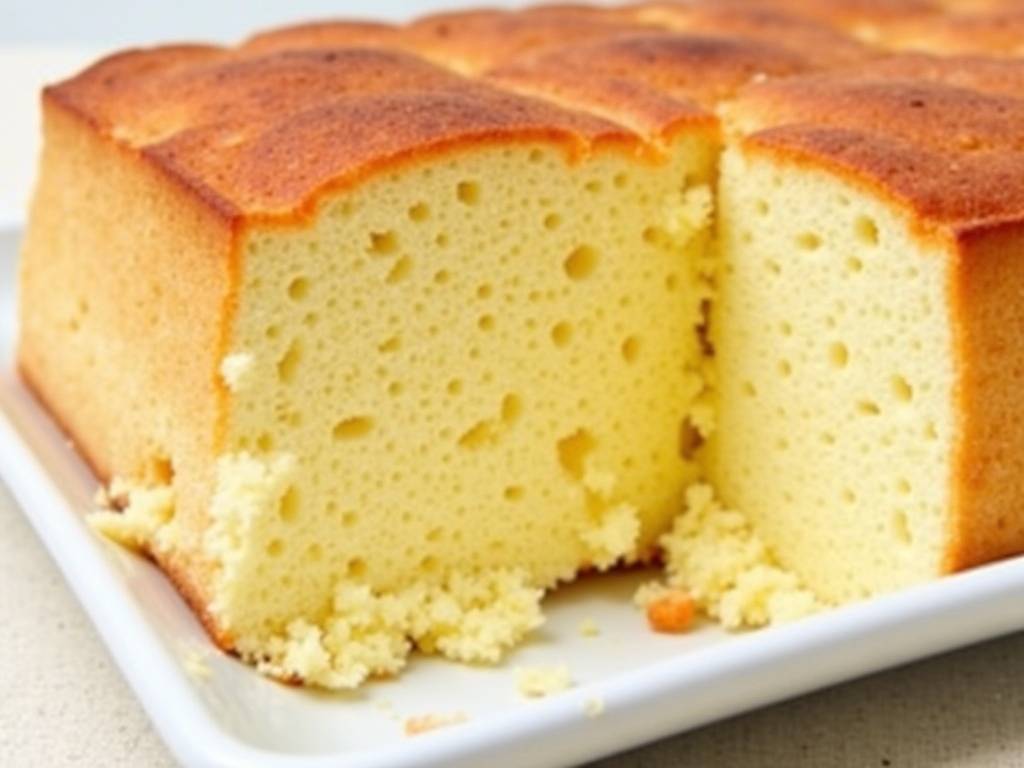
Why is my rice cake too dense and hard? A dense texture is usually the result of overmixing the batter or using expired baking powder. Overmixing develops the gluten in the rice flour, leading to a tougher cake. Always mix just until the ingredients are combined and ensure your leavening agent is fresh to guarantee a proper rise.
Can I make this dessert ahead of time? Absolutely. In fact, the flavors often improve after the cake has been chilled for a few hours. This dessert can be made a day in advance and stored in an airtight container in the refrigerator. It retains its soft, pleasant texture beautifully when chilled.
My cake turned out too sticky. What went wrong? A sticky texture often indicates that the cake needed a longer steaming time or a slightly higher ratio of rice flour. Ensure you are steaming for the full recommended time and performing the toothpick test. If you live in a very humid climate, you may need to add an extra tablespoon of glutinous rice flour to the batter to compensate.
Creating this Cheesecake Rice Cake is a rewarding experience that brings a unique and delightful dessert to your table. By understanding the role of each ingredient and following the steaming process carefully, you can consistently achieve a soft, sweet, and incredibly satisfying treat. It’s a fantastic way to enjoy the familiar comfort of cheesecake through the delightful lens of a Chinese dessert tradition. So, gather your ingredients, and get ready to impress your family and friends with your newfound culinary skill.





