 bluename
 How to Make Cheesecake Steamed Cake? Fluffy Soft Homemade Delight
There’s nothing quite like the melt-in-your-mouth magic of a perfectly steamed cheesecake. If you’ve ever been intimidated by the complexity of traditional baked cheesecakes—worrying about cracks, water baths, or a dense, heavy texture—this recipe is your game-changer. We’re tackling how to make a cheesecake steamed cake that is incredibly fluffy, soft, and surprisingly simple to create at home. This method eliminates common baking frustrations, delivering a cloud-like dessert that feels both luxurious and light. Forget about complicated equipment; with a few basic ingredients and a steamer, you can achieve a homemade delight that will impress anyone.
Why a Steamed Cheesecake is Your New Go-To Dessert
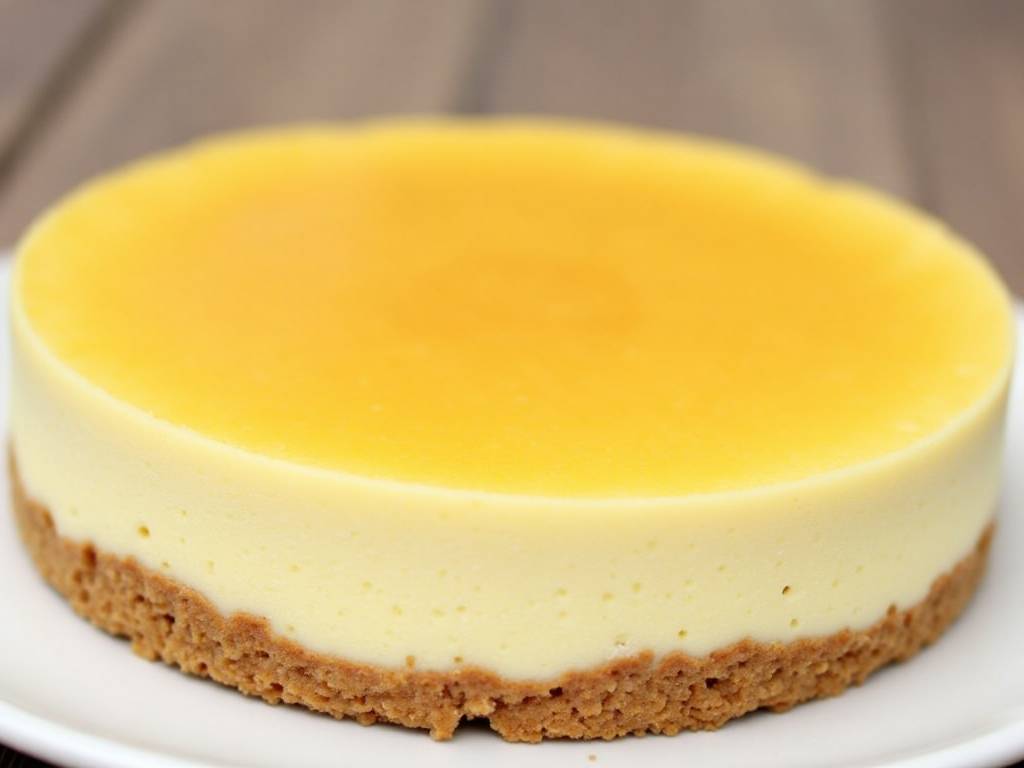
Steaming, as a cooking method, offers a unique set of advantages that baking sometimes cannot guarantee. The gentle, moist heat envelops the batter, cooking it evenly and preventing the proteins from tightening too much, which is a common cause of a rubbery texture. The result is a consistency that is unbelievably tender and moist.
- Unbeatable Fluffy Soft Texture: The steam creates a delicate, almost soufflé-like crumb that is simply impossible to achieve through baking alone. Each bite is a cloud of creamy, cheesy goodness.
- Foolproof Method: No more worrying about over-baking, curdling, or the infamous crack down the middle. The steamer provides a consistent temperature, making the process much more forgiving for beginners.
- Healthier Indulgence: Steaming typically requires less fat than traditional recipes. The natural moisture from the steam means you can often reduce the amount of butter or cream cheese without sacrificing the delightful texture.
Essential Ingredients for the Perfect Cloud-Like Cake
Gathering high-quality ingredients is the first step to success. Each component plays a vital role in creating the structure and flavor of your steamed cheesecake.
- Cream Cheese: Use full-fat, block-style cream cheese for the richest flavor and creamiest texture. Allow it to soften completely at room temperature to avoid lumps.
- Eggs: Large eggs are standard. We will separate the yolks from the whites. The whites, when beaten to soft peaks, are the secret to the cake’s signature fluffiness.
- Sugar: Fine granulated sugar dissolves easily. We'll use it in both the cheese mixture and the egg whites.
- Dairy: A touch of whole milk or heavy cream enhances the richness. A small amount of lemon juice or vinegar brightens the flavor and helps tenderize the gluten in the flour.
- Flour: Cake flour is preferred for its low protein content, which results in a more tender cake compared to all-purpose flour. A small amount of cornstarch can also be used for a slightly different texture.
- Flavor Enhancers: Pure vanilla extract and a pinch of salt are non-negotiable for rounding out the flavors.
Your Simple Kitchen Toolkit
You don't need professional bakery equipment. Here’s what you’ll need:
- A 6 or 7-inch round cake pan (preferably with a removable bottom).
- A large steamer pot or a wok with a steaming rack and a tight-fitting lid.
- Electric hand mixer or a stand mixer for beating egg whites.
- Mixing bowls, a sifter, and a spatula.
- Parchment paper for easy release.
Step-by-Step Guide to Your Fluffy Soft Homemade Delight
Follow these steps carefully, and you'll be rewarded with a stunning dessert.
Preparing Your Steaming Setup
Before you even mix your ingredients, get your steamer ready. Fill your pot with a few inches of water and bring it to a rolling boil. Then, reduce the heat to maintain a steady, medium simmer. You want active steam, not a raging boil. Prepare your cake pan by greasing the bottom and sides lightly and lining the bottom with a circle of parchment paper.
Creating the Cream Cheese Base
In a large bowl, beat the softened cream cheese until it is completely smooth and free of lumps. This is crucial for a silky texture. Gradually add in about two-thirds of your sugar and beat until well combined. Add the egg yolks one at a time, mixing well after each addition. Stir in the milk, lemon juice, and vanilla extract. Finally, sift the cake flour and salt into the wet ingredients. Gently fold them in with a spatula until just combined. Do not overmix.
Mastering the Meringue for Maximum Fluffiness
This is the most critical step for achieving that cloud-like texture. In a very clean, grease-free bowl, beat the egg whites with an electric mixer on medium speed until they become frothy. Gradually add the remaining sugar, one tablespoon at a time, while increasing the mixer speed to high. Continue beating until the egg whites reach the "soft peak" stage. This means when you lift the beaters, the peaks of the meringue will curl over gently rather than standing straight up.
Gently Folding for a Perfect Rise
Now, it's time to combine the two mixtures. Take one-third of the meringue and vigorously stir it into the cream cheese base. This first addition helps to lighten the dense base. Then, gently fold in the remaining meringue in two parts. Use a cutting and folding motion with your spatula to retain as much air as possible. The final batter should be light, pale, and homogeneous.
The Steaming Process Demystified
Pour the batter into your prepared cake pan. Tap the pan gently on the counter a few times to release any large air bubbles. Cover the top of the pan tightly with aluminum foil to prevent steam water from dripping onto the cake surface. Carefully place the pan into your preheated steamer. Cover the steamer pot with its lid and let it steam for 25-35 minutes. Avoid opening the lid during the first 20 minutes of cooking, as this can cause the cake to collapse.
How to Tell When Your Cake is Perfectly Cooked
The cake is done when the top is set and springs back lightly when touched. You can also insert a toothpick into the center; it should come out clean. Unlike a baked cake, it will not have a deep golden brown color.
Cooling and Serving for the Best Experience
Once cooked, turn off the heat and let the cake sit in the steamer with the lid slightly ajar for about 5-10 minutes. This gradual temperature change prevents sudden shrinkage. Remove the cake from the steamer, let it cool in the pan for another 10 minutes, then run a knife around the edge and transfer it to a wire rack to cool completely. For the best texture and clean slices, chill the cake in the refrigerator for at least 2-3 hours before serving.
Creative Flavor Variations to Explore
Once you've mastered the basic recipe, the world is your oyster.
- Chocolate Swirl: Fold in melted and cooled chocolate for a marbled effect.
- Matcha Green Tea: Sift 1-2 tablespoons of high-quality matcha powder with the flour.
- Fruit Infusion: Gently fold in finely chopped strawberries or a swirl of fruit puree into the batter before steaming.
What is the main difference between a steamed and a baked cheesecake? The primary difference lies in the texture and cooking method. A baked cheesecake is dense, rich, and firm, cooked with dry heat in an oven. A steamed cheesecake is incredibly light, fluffy, and moist, cooked with gentle, moist steam, resulting in a delicate, soufflé-like consistency that is far less likely to crack.
Can I make this without a professional steamer? Absolutely. A simple DIY setup works perfectly. Use a large wok or a deep pot with a lid. Place a small ramekin or a steaming rack at the bottom to elevate your cake pan above the water level. Ensure the lid fits tightly to trap the steam effectively.
Why did my cake turn out dense and not fluffy? A dense cake is usually caused by one of two issues: the meringue was not beaten to sufficient soft peaks, or it was deflated during the folding process. Ensure your egg whites are beaten correctly and that you fold them into the base with a gentle, deliberate hand to keep the air in the batter.
Creating this fluffy soft homemade delight is a rewarding experience that proves gourmet desserts can be accessible. The steamed method offers a foolproof path to a uniquely tender cheesecake that will become a staple in your recipe collection. By focusing on the quality of your ingredients and mastering the technique of the meringue, you can consistently produce a stunning, cloud-like cake that delights the senses and solves the common pains of traditional cheesecake baking.





