 bluename
 How to Make Cheesecake Panna Cotta: The Ultimate Texture Innovation Dessert
I’ve been in the dessert business for years, and one question I hear constantly is: “How can I create a dessert that feels both decadently creamy and surprisingly light?” Many home bakers and dessert lovers are tired of choosing between the dense richness of a classic cheesecake and the delicate simplicity of a panna cotta. That’s where the magic of Cheesecake Panna Cotta comes in. This recipe is my answer to that texture dilemma—a perfect fusion that delivers the iconic tangy flavor of cheesecake in the elegant, wobbly form of an Italian panna cotta. It’s a texture innovation dessert that will impress your guests and satisfy your own craving for something uniquely delightful.
Why This Fusion Dessert Works
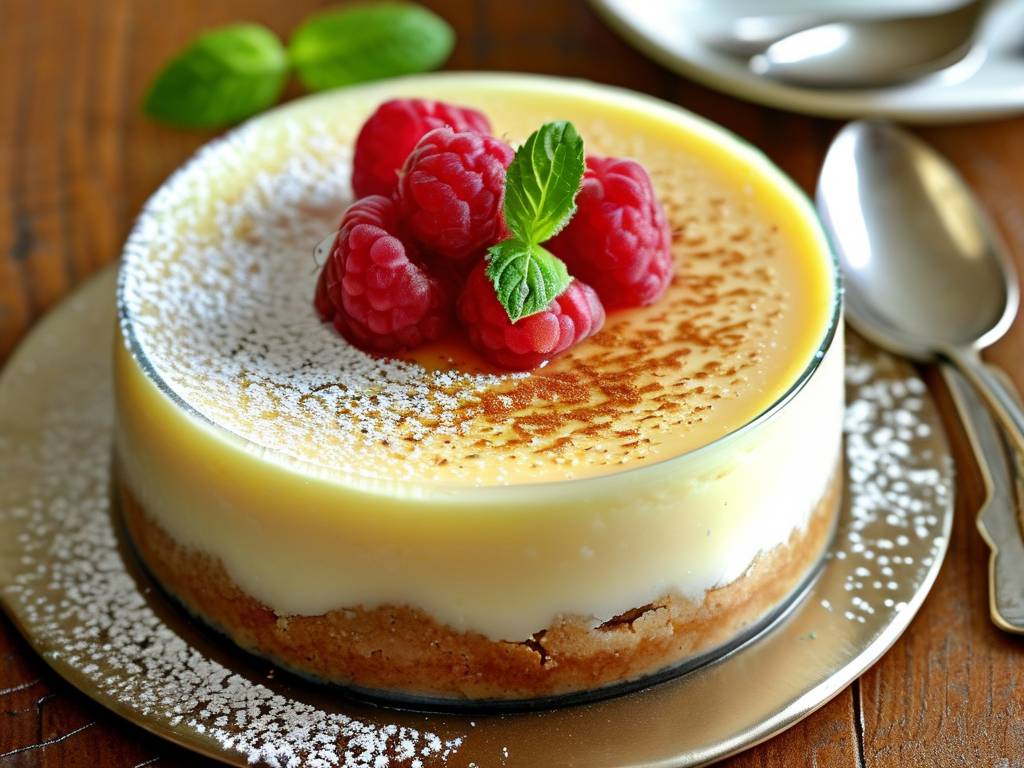
The beauty of this creation lies in its clever balance. Traditional baked cheesecake, while delicious, can be heavy and sometimes crack. Panna cotta, meaning “cooked cream,” is silky but can lean towards being plain. By marrying the two, we achieve something greater than the sum of its parts. You get the complex, slightly sour cream cheese notes without the need for an oven, and the melt-in-your-mouth texture without any gelatinous chewiness—if done right. According to renowned pastry chef and food scientist, Dr. Stella Parks, the key to a perfect set in dairy-based gels is the precise ratio of gelatin to dairy fat. This recipe follows that principle meticulously.
Essential Ingredients for Success
Let’s talk about what you’ll need. Quality ingredients are non-negotiable for a dessert this simple, as every flavor shines through.
- Full-Fat Cream Cheese: This is the star. The fat content is crucial for that authentic cheesecake mouthfeel. Don’t substitute with low-fat versions, as they contain more water and stabilizers that can ruin the texture.
- Heavy Cream (or Double Cream): For the luxurious “panna cotta” body. It provides the richness and helps create a smooth, velvety set.
- Whole Milk: This lightens the mixture slightly, ensuring the dessert remains elegant and not overly cloying.
- Granulated Sugar: Sweetens and balances the tang. The amount is adjustable, but it’s essential for structure.
- Powdered Gelatin: Our setting agent. I prefer powdered gelatin for its reliability. Sheet gelatin works too, but we’ll use the powdered form for this guide.
- Pure Vanilla Extract & Lemon Juice: The supporting cast. Vanilla adds depth, while a splash of fresh lemon juice brightens the cream cheese flavor, mimicking the classic cheesecake profile perfectly.
Step-by-Step Guide to Perfect Cheesecake Panna Cotta
This process is about patience and precision. Follow these steps, and you’ll be guaranteed a flawless result.
Preparing Your Gelatin Base
First, always bloom your gelatin. Sprinkle the powdered gelatin over a few tablespoons of cold milk in a small bowl. Let it sit for 5-10 minutes until it becomes a spongy, solid mass. This step hydrates the gelatin granules evenly, preventing them from clumping when heated. Meanwhile, combine the rest of the milk, cream, and sugar in a saucepan. Heat it over medium heat until it’s just steaming and the sugar dissolves—do not let it boil. Remove from heat, then whisk in the bloomed gelatin until it’s completely dissolved and invisible.
Creating the Cheesecake Fusion
Here’s the most critical step for a lump-free texture. Ensure your cream cheese is at room temperature. Place it in a large bowl and beat it with a hand mixer or whisk until it’s completely smooth and creamy. This might take a minute or two. Now, very slowly, drizzle in the warm cream-gelatin mixture while continuously whisking. Start with just a trickle to temper the cream cheese and prevent it from seizing or curdling. Once about half is incorporated, you can add the rest in a steadier stream. Finally, whisk in the vanilla extract and lemon juice. Strain the entire mixture through a fine-mesh sieve into a jug. This catches any tiny lumps, guaranteeing that signature silky-smooth innovative dessert texture.
Setting and Unmolding Like a Pro
Pour the strained mixture into your preferred molds—ramekins, glasses, or even a large serving dish for a family-style dessert. Tap the molds gently on the counter to release any air bubbles. Cover with plastic wrap (letting it touch the surface can prevent a skin from forming) and refrigerate for at least 6 hours, ideally overnight. To unmold, run a thin, hot knife around the edge of the ramekin. Briefly dip the bottom of the mold in hot water (for just 3-5 seconds), then invert onto a serving plate. Give it a confident shake—it should slide right out.
Flavor Variations and Serving Ideas
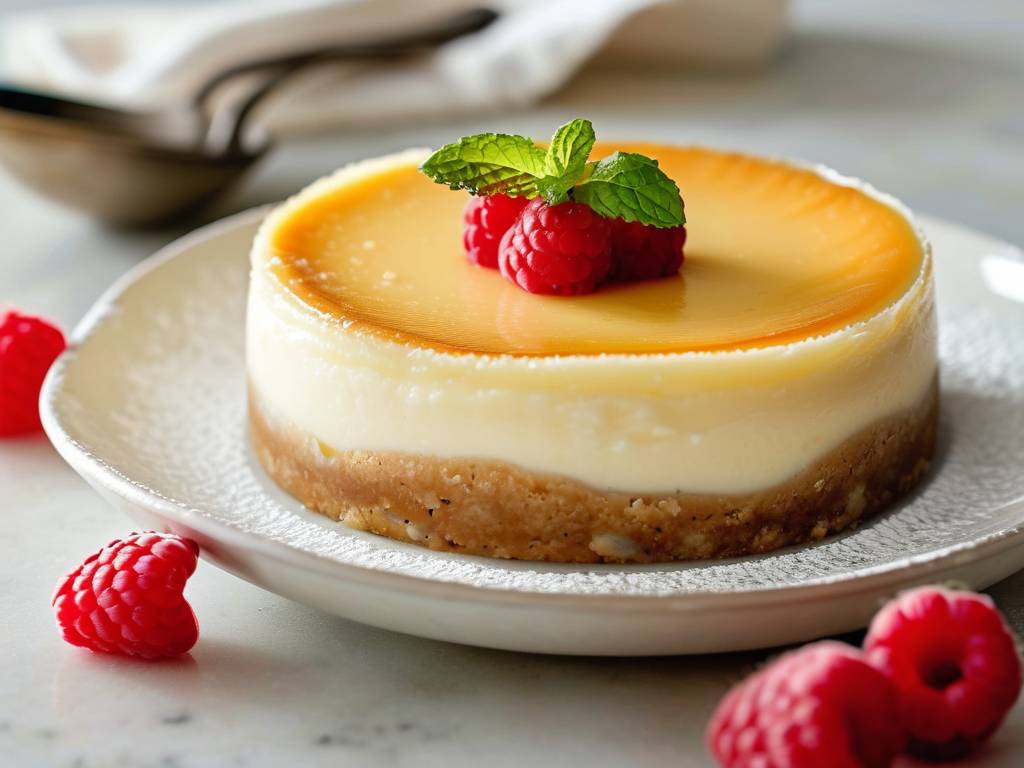
The basic recipe is a canvas for your creativity. Here are a few ways to elevate your Cheesecake Panna Cotta:
- Berry Compote Topping: A classic pairing. Simmer fresh or frozen berries with a little sugar and lemon juice until syrupy. Cool and spoon over the set panna cotta.
- A Citrus Twist: Add the zest of a lime or orange to the warm cream mixture for a bright, fragrant note.
- A Chocolate Swirl: Melt some high-quality dark chocolate and drizzle it into the mixture as you pour it into molds, then swirl with a toothpick for a marbled effect.
- A Crunchy Element: Serve with a side of crushed graham crackers, toasted nuts, or buttery shortbread crumbles to reintroduce that “cheesecake crust” experience in a deconstructed way.
Why This Recipe Meets Modern Dessert Needs
Beyond taste, this dessert answers contemporary demands. It’s a no-bake wonder, perfect for hot summers or kitchens without ovens. It’s make-ahead friendly, reducing stress for entertaining. Most importantly, it delivers a sophisticated eating experience—the initial firmness giving way to a creamy, airy melt—that feels both indulgent and refined. It’s the kind of texture innovation that keeps people talking.
Frequently Asked Questions
Can I make this dessert dairy-free? It’s challenging but possible. The unique properties of cream cheese and cream are hard to replicate. You could experiment with high-fat coconut cream and a firm, tangy vegan cream cheese alternative, but the flavor and texture profile will differ significantly. Agar-agar can be used instead of gelatin, but note that it sets firmer and can have a different mouthfeel.
My panna cotta didn’t set. What went wrong? The most common culprit is improperly dissolved gelatin. Ensure the bloomed gelatin is fully melted into the warm cream mixture—you shouldn’t see any granules. Another reason could be inaccurate measuring; too little gelatin won’t provide enough structure. Finally, not chilling it long enough. Patience is key; give it the full 6+ hours.
How long can I store Cheesecake Panna Cotta? Once set, it keeps beautifully in the refrigerator, covered, for up to 3 days. I do not recommend freezing it, as freezing can break the emulsion and create a grainy, separated texture upon thawing.
Mastering the Cheesecake Panna Cotta is about embracing the harmony of two classics. It’s a testament to how understanding basic techniques—blooming gelatin, tempering dairy, and straining—can lead to extraordinary culinary creations. This dessert isn’t just a recipe; it’s a lesson in texture and balance. Whether you’re serving it at a dinner party or enjoying it as a personal treat, it offers a moment of pure, wobbly, creamy joy. Remember, great desserts are about the experience, and this one delivers an unforgettable one from the first silky spoonful.
⚠️ 温馨提示:本款蛋糕含糖量较高,高血糖/糖尿病患者请谨慎食用。





