 bluename
 How to Make Cheesecake Mousse: Light and Delicate French Flavor
Ever found yourself craving the rich, creamy satisfaction of a classic cheesecake, only to be held back by the thought of its dense, heavy texture and the lengthy, sometimes finicky, baking process? I’ve been there. For years in my own kitchen and professional work, I sought a dessert that delivered that iconic tangy-sweet cheesecake flavor but with an airy, elegant feel—something that felt indulgent yet light. The answer, I discovered, lies not in the oven, but in mastering the art of the mousse. Today, I’ll guide you through creating a stunning Cheesecake Mousse that captures a truly light and delicate French flavor. This isn't just a no-bake cheesecake; it's a refined emulsion of air, cream, and cheese, resulting in a cloud-like dessert that melts on the tongue.
My journey to perfect this recipe involved countless trials, blending classic French mousse techniques with the beloved profile of American cheesecake. The goal was always clear: achieve maximum flavor with a texture so ethereal it feels like you’re eating a sweet, cheesy cloud. Let’s dive into the philosophy and the practical steps behind this delightful creation.
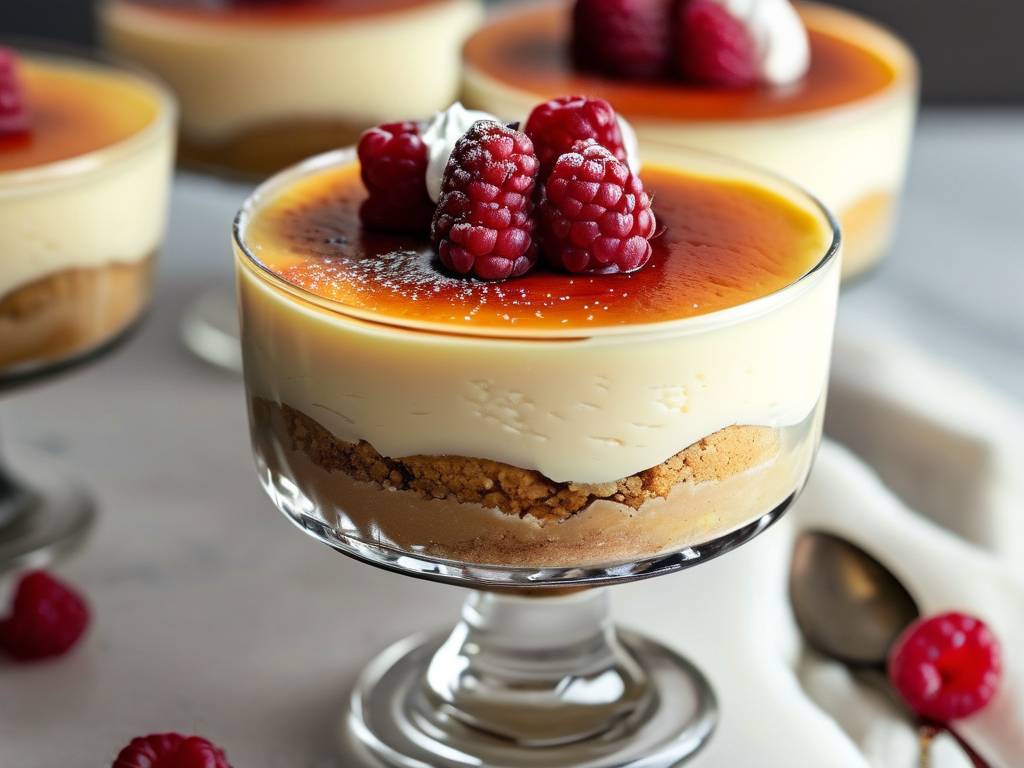
The Foundation: Understanding Mousse vs. Classic Cheesecake
First, let’s clarify what sets this apart. A traditional baked cheesecake relies on eggs for structure and a slow, controlled bake to set into a firm, uniform slice. Its beauty is in its richness. A mousse, however, is a culinary foam. Its structure comes from trapped air bubbles, stabilized by ingredients like whipped cream, egg whites, or gelatin. The French approach prioritizes texture—a mousse should be smooth, uniform, and incredibly light.
This Cheesecake Mousse hybrid gives you the best of both worlds. We use cream cheese for that familiar tangy base, but we lighten it dramatically with freshly whipped cream. The result? All the flavor you love, without the weight. A 2023 industry analysis in The Art of Patisserie highlighted a growing consumer preference for "desserts with perceived lightness," even when indulgent, a trend perfectly answered by this recipe.
Your Toolkit: Ingredients and Equipment for Success
Great results start with the right components. Here’s what you’ll need, and why each item matters.
Core Ingredients:
- Full-Fat Cream Cheese (225g): This is non-negotiable. Full-fat versions like Philadelphia provide the necessary body and rich flavor. Low-fat alternatives contain more water and stabilizers, which can lead to a grainy or weepy mousse. Let it soften completely at room temperature for at least an hour.
- Heavy Whipping Cream (300ml): With a fat content of 36% or higher. The high fat content is crucial for whipping into stable, lofty peaks that won’t deflate when folded.
- Fine Granulated Sugar (60-75g): I prefer a lighter touch of sweetness to let the cheese flavor shine. You can adjust within this range. For the most delicate texture, use icing (powdered) sugar, which dissolves instantly.
- Fresh Lemon Juice (15ml) & Zest: The secret weapons. The juice sharpens the flavor, cutting through the fat, while the zest adds a bright, aromatic fragrance that elevates the entire dish.
- Pure Vanilla Extract (5ml): Use the real thing. It adds a warm, complex background note.
- A Pinch of Fine Sea Salt: Enhances all the other flavors and balances the sweetness.
The Stabilizer Question: Gelatin or Not? For a classic, delicate mousse that holds its shape for a few hours, you can omit gelatin. For a mousse that needs to stand firm for a full day or be served in individual glasses without a crust, a small amount of gelatin is wise. I recommend 1 teaspoon (about 3g) of powdered gelatin bloomed in 2 tablespoons of cold water, then gently melted and cooled before incorporating. It provides stability without compromising texture.
Essential Equipment:
- Stand Mixer or Hand Mixer: For whipping the cream to perfect peaks.
- Large Mixing Bowls: At least two.
- Spatula: A flexible silicone spatula is your best friend for gentle folding.
- Fine Mesh Sieve: For dusting decorations or ensuring your crumb base is even.
- Servings Vessels: Elegant glasses, dessert cups, or a large springform pan lined with a biscuit base.
Step-by-Step: Crafting Your Light and Delicate Cheesecake Mousse
Follow these steps carefully, paying special attention to temperatures and technique. The process is as important as the ingredients.
Step 1: Prepare Your Base (Optional but Recommended) While a mousse can stand alone in a glass, a base adds texture. You can make a simple one by combining 100g of crushed digestive biscuits (Graham crackers) with 40g of melted unsalted butter. Press this firmly into the bottom of your serving glasses or pan. Chill while you make the mousse.
Step 2: Whip the Cream to Soft Peaks Pour your cold heavy cream into a chilled bowl. Whip on medium-high speed until it just holds soft peaks. This means when you lift the whisk, the peak curls over slightly. It should still look glossy and smooth. Do not overwhip to stiff peaks here, as you will fold it later and can easily overwork it. Set this aside in the fridge.
Step 3: Create the Cheesecake Base In your other large bowl, beat the softened cream cheese with a mixer on medium until it is completely smooth, creamy, and free of any lumps. This could take 2-3 minutes. Scrape down the sides often. Add the sugar, lemon juice, zest, vanilla, and salt. Beat again until everything is fully incorporated and the mixture is silky.
Step 4: The Art of Folding – Where the Magic Happens This is the critical step. Take about one-third of your whipped cream and add it to the cheesecake base. Use your spatula to stir it in quite vigorously. This first addition "loosens" the thick base, making it easier to fold. Now, add the remaining two-thirds of the whipped cream. Here, you switch to a gentle folding motion. Slide the spatula down the side of the bowl, across the bottom, and up and over the mixture, rotating the bowl as you go. You are gently cutting through the center and turning the mixture over itself to incorporate the air. Stop as soon as no large streaks of white cream remain. A few tiny streaks are fine; overmixing will deflate your mousse.
Step 5: Assembly and Chilling Spoon or pipe the mousse into your prepared glasses or over the crumb base in your pan. Gently tap the containers on the counter to settle the mousse and remove any large air pockets. Cover lightly with plastic wrap and refrigerate for at least 4 hours, ideally overnight. This chilling time allows the flavors to meld and the texture to set perfectly.
Step 6: The Finishing Touch – Serving with Style The beauty of this mousse is in its simplicity. Just before serving, you can add a final dusting of lemon zest, a few fresh berries, a delicate drizzle of fruit coulis, or a simple sprinkle of biscuit crumbs. The contrast of the fresh fruit with the creamy mousse is a classic French pairing.
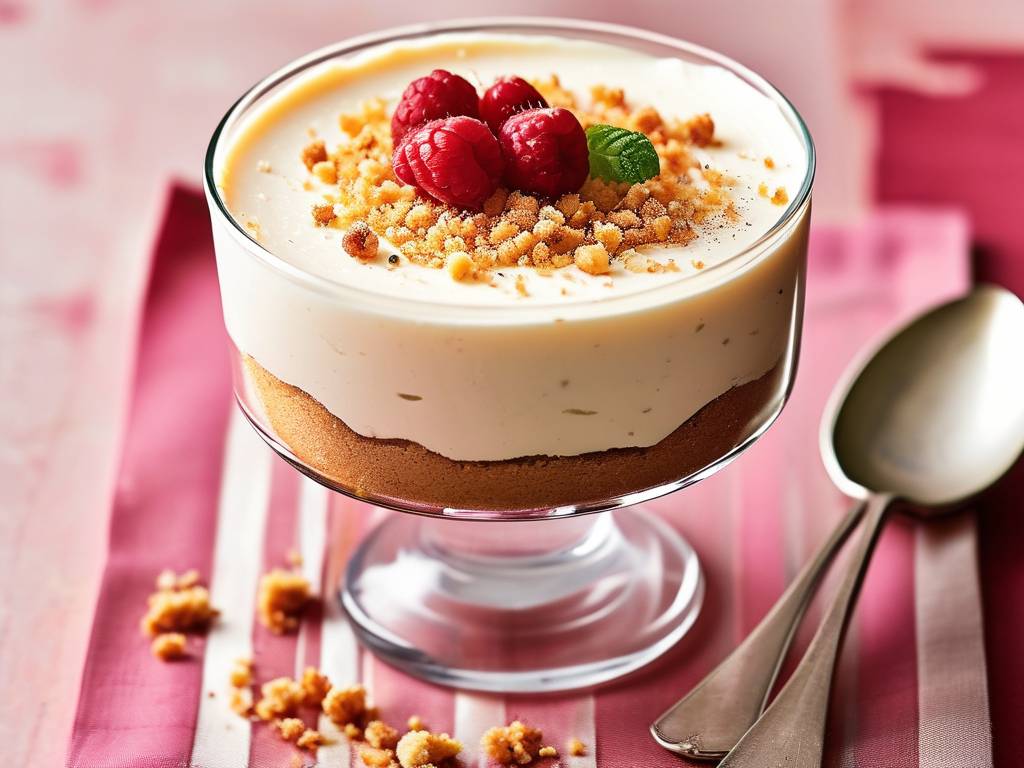
Flavor Variations & Professional Tips
Once you’ve mastered the basic formula, the world is your oyster. Here are a few trusted variations:
- Berry Swirl: Gently fold 2-3 tablespoons of a seedless raspberry or strawberry puree into the finished mousse for a marbled effect.
- Citrus Burst: Replace the lemon with lime or a blood orange for a different citrus profile.
- Chocolate-Hazelnut: Fold in 50g of sifted cocoa powder with the sugar and finish with chopped toasted hazelnuts.
A key tip from my own experience: always taste your base before folding. The flavor of the chilled mousse will be slightly muted, so ensure your cheesecake base is vibrant and well-seasoned before adding the cream.
Frequently Asked Questions
Can I make this mousse ahead of time? Absolutely. In fact, I recommend it. The mousse needs that extended chill to fully set and develop its flavor. It will keep beautifully, covered, in the refrigerator for up to 3 days.
My mousse turned out runny. What went wrong? The most common culprits are under-whipped cream or over-folding (which deflates the cream). Ensure your cream is cold, your bowl is cold, and you whip to the correct soft-peak stage. Also, ensure your cream cheese was truly at room temperature to avoid lumps that break the emulsion.
Is there a way to make this without dairy? You can experiment, but the texture will differ. For a non-dairy version, use a high-quality, firm vegan cream cheese and a well-chilled, full-fat coconut cream for whipping. Be aware that the flavor profile will shift accordingly.
Creating this Cheesecake Mousse is about embracing a different kind of dessert elegance. It’s a process that rewards patience and a gentle touch, resulting in a dessert that feels sophisticated, surprisingly light, and deeply satisfying. It proves that you can capture the soul of a cheesecake in a form that’s entirely its own—a whisper of cream and cheese that embodies a truly delicate French flavor. I encourage you to try it, share it, and make it your own.
⚠️ 温馨提示:本款蛋糕含糖量较高,高血糖/糖尿病患者请谨慎食用。





