 bluename
 How to Make Cheesecake Snowy Mooncake: Sweet Wrap with Soft Glutinous Skin
I remember the first time I tried to make snowy mooncakes at home. The skin was too sticky, the filling was too sweet, and the delicate cheesecake core I envisioned turned into a messy, runny disappointment. It felt like I was wrestling with dough rather than creating an elegant Mid-Autumn treat. If you’ve ever faced the same struggle—wanting that perfect, melt-in-your-mouth cheesecake snowy mooncake with its signature soft, sweet wrap of glutinous skin—you’re not alone. The balance is tricky. Today, I’m sharing the method I’ve refined over years, a recipe that finally delivers that cloud-like texture and harmonious flavor.
Understanding the Magic Behind the Snowy Mooncake
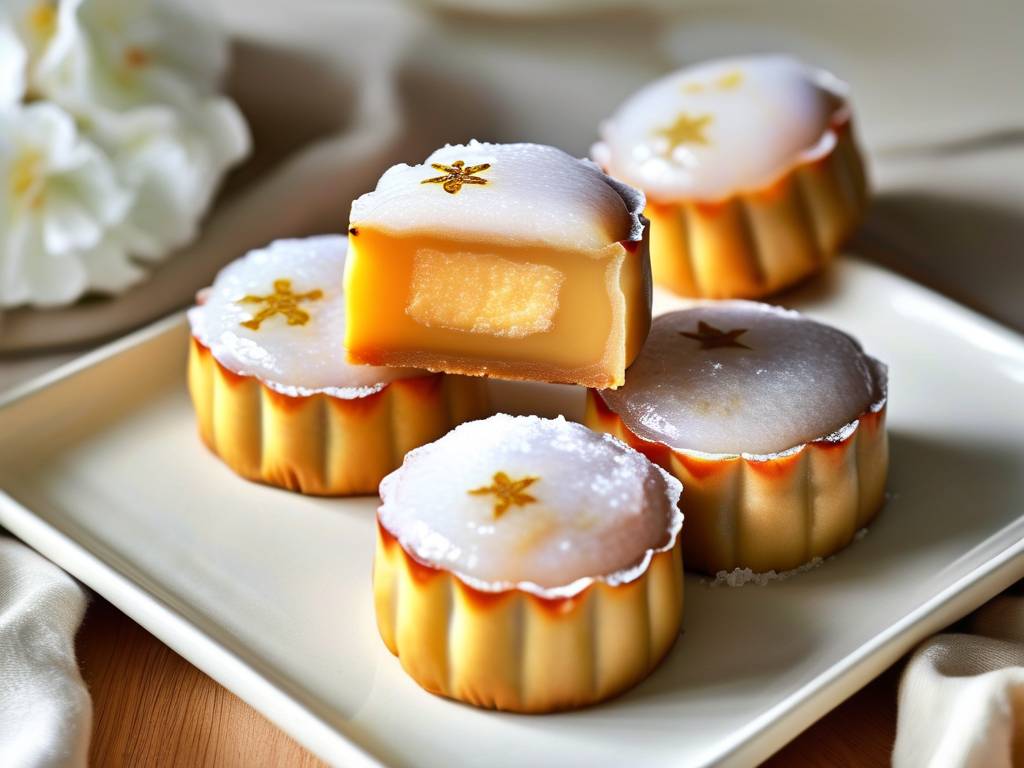
Unlike traditional baked mooncakes, snowy mooncakes are a modern, no-bake delight. Their magic lies in the contrast: a chilled, creamy filling encased in a tender, slightly chewy wrapper. According to pastry chef and food scientist Elena Lin, the success of the skin hinges on the precise gelatinization of glutinous rice flour. “Too much heat or moisture, and the skin becomes unworkably sticky; too little, and it cracks,” she notes in her analysis of contemporary Asian desserts. This is why a controlled, step-by-step process is non-negotiable.
Essential Tools and Ingredients for Success
Before we begin, let’s gather our arsenal. You don’t need professional equipment, but a few tools make a world of difference.
- A reliable digital kitchen scale: Volume measurements for these delicate components are simply not accurate enough.
- A fine-mesh sieve: Crucial for achieving that impossibly smooth skin texture.
- Non-stick silicone molds: They ensure clean release and beautiful shapes.
- Food-grade plastic wrap: Essential for keeping the dough pliable.
For the soft glutinous skin, you’ll need cooked glutinous rice flour (also called koufen or fried rice flour), fine sugar, full-fat coconut milk, and glutinous rice flour for cooking. For the sweet wrap filling, we’ll prepare a luscious cream cheese filling and a simple white bean paste or lotus paste base. The quality of your cream cheese directly impacts the final taste—opt for a full-fat, brick-style variety for the richest flavor.
Step-by-Step: Crafting the Perfect Soft Glutinous Skin
This is the foundation of your snowy mooncake. The goal is a dough that’s soft, pliable, and not tacky to the touch.
First, combine the cooked glutinous rice flour and sugar in a bowl. In a saucepan, gently heat the coconut milk with a portion of the raw glutinous rice flour, stirring constantly until it thickens into a smooth paste. This step pre-cooks part of the flour, ensuring the final skin is safe to eat and has the right texture.
Allow this paste to cool slightly before mixing it into the dry ingredients. Use a spatula at first, then your hands. Knead until a smooth, soft dough forms. If it feels too sticky, dust very lightly with extra cooked glutinous rice flour. The dough should feel like soft modeling clay. Immediately wrap it tightly in plastic to prevent drying.
Creating the Dual-Layer Cheesecake Heart
The filling is where the “cheesecake snowy mooncake” truly shines. We’ll create a two-tone heart for a beautiful cross-section.
For the outer sweet wrap layer, I prefer a smooth, mildly sweet white bean paste. It complements the tangy cheesecake without overpowering it. For the core, beat softened cream cheese with a touch of powdered sugar and a splash of heavy cream until smooth and spreadable. For a vibrant contrast, you can divide the cheesecake mix and color one portion with matcha powder or strawberry puree.
Take a portion of the white bean paste, flatten it into a disc, and place a smaller ball of cheesecake filling in the center. Gently wrap and seal, rolling it into a smooth ball. This layered ball will become the surprise inside your mooncake. Chilling these filled balls for 20 minutes makes them easier to handle.
The Art of Assembly and Shaping
Now for the satisfying part: bringing it all together. Divide your rested skin dough into portions. On a surface lightly dusted with cooked glutinous rice flour, roll a portion into a thin, even circle. It should be thick enough to hold the filling but thin enough to be elegant.
Place a chilled filling ball in the center. Use the palm of your hand to gently cradle the skin upwards, while your other hand carefully pleats and seals the dough at the top. Patience is key here—any tears can be patched with a tiny bit of extra dough. Once sealed, roll it gently between your palms to smooth the surface.
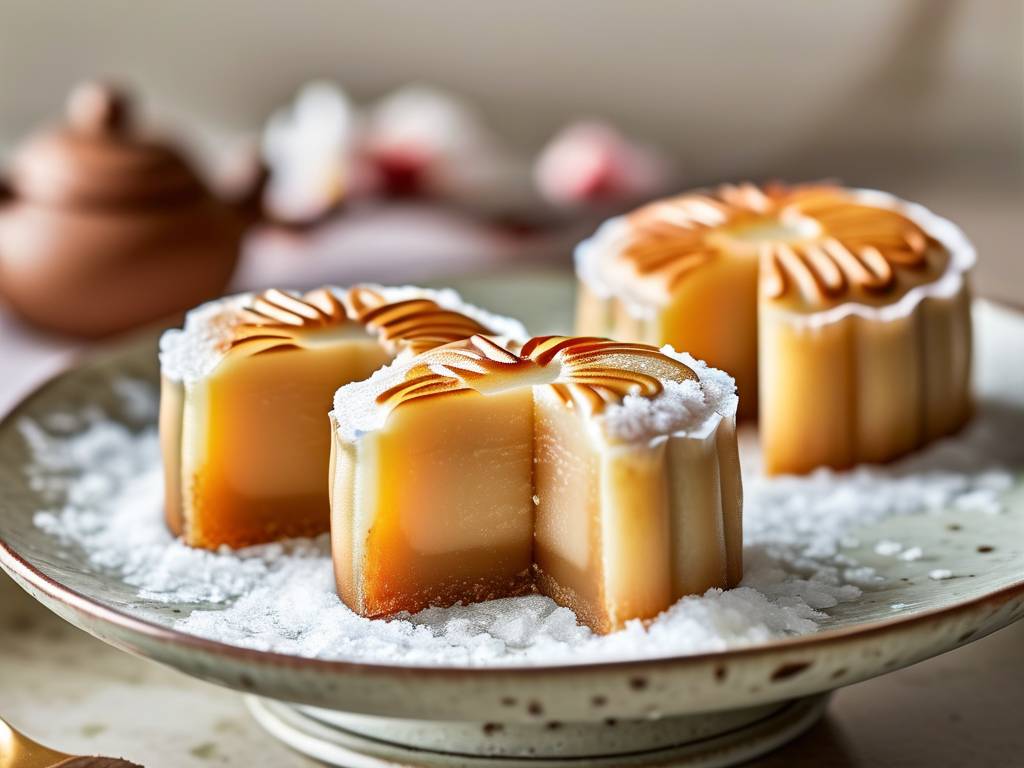
Lightly dust your mooncake mold with cooked flour. Place the assembled ball into the mold, sealed side up. Press down firmly and evenly, then gently unmold. The first one is always a thrill!
Setting, Storing, and Serving Your Masterpiece
Your snowy mooncakes are not ready to eat yet. They need to rest in the refrigerator, covered, for at least 4-6 hours, or preferably overnight. This chilling time allows the skin to set fully, achieving its characteristic soft yet firm bite and allowing the flavors to meld perfectly.
Store them in an airtight container in the fridge for up to 3 days. For the best texture and taste, let them sit at room temperature for about 10 minutes before serving. The slight softening makes the soft glutinous skin and the creamy cheesecake filling even more delightful.
⚠️ 温馨提示:本款蛋糕含糖量较高,高血糖/糖尿病患者请谨慎食用。
Can I make the skin without coconut milk? Yes, you can substitute with full-fat milk or a nut milk, but coconut milk provides a richer flavor and helps achieve the ideal soft, slightly glossy texture that pairs so well with the cheesecake filling.
My skin dough is too dry and cracks. How can I fix it? This usually means the dough has lost moisture. Try kneading in a teaspoon of room-temperature water or coconut milk at a time until it becomes pliable again. Always keep unused dough covered.
Can I freeze snowy mooncakes for later? Absolutely. Place them in a single layer on a tray to freeze solid, then transfer to a freezer bag. Thaw in the refrigerator overnight before serving. Note that the skin may become slightly harder after freezing.
Creating the perfect cheesecake snowy mooncake is a rewarding journey. It’s about understanding how simple ingredients transform through careful technique. When you finally bite into that homemade treat—the delicate give of the skin, the cool, tangy burst of cheesecake—you’ll know every step was worth it. It’s more than a dessert; it’s a crafted experience of texture and taste, a sweet wrap of tradition and innovation you can proudly share.





