bluename
 How to Make Cheesecake Ingredient Selection: The Importance of High-Quality Raw Materials
I’ve lost count of how many times I’ve heard a fellow baker sigh in frustration: “I followed the recipe perfectly, but my cheesecake just doesn’t taste like the one from that amazing bakery.” If you’ve ever been there, staring at a cracked, dense, or bland dessert, I feel your pain. The secret, I discovered through years of trial and error, rarely lies in the technique alone. More often than not, the difference between a good cheesecake and a sublime one starts long before you preheat your oven. It begins at the very foundation—with your cheesecake ingredient selection.
Choosing high-quality raw materials isn’t just a suggestion for gourmet baking; it’s the non-negotiable first step to achieving that perfect balance of creamy texture, rich flavor, and structural integrity. Let me walk you through why each component matters and how making informed choices can transform your baking from ordinary to extraordinary.
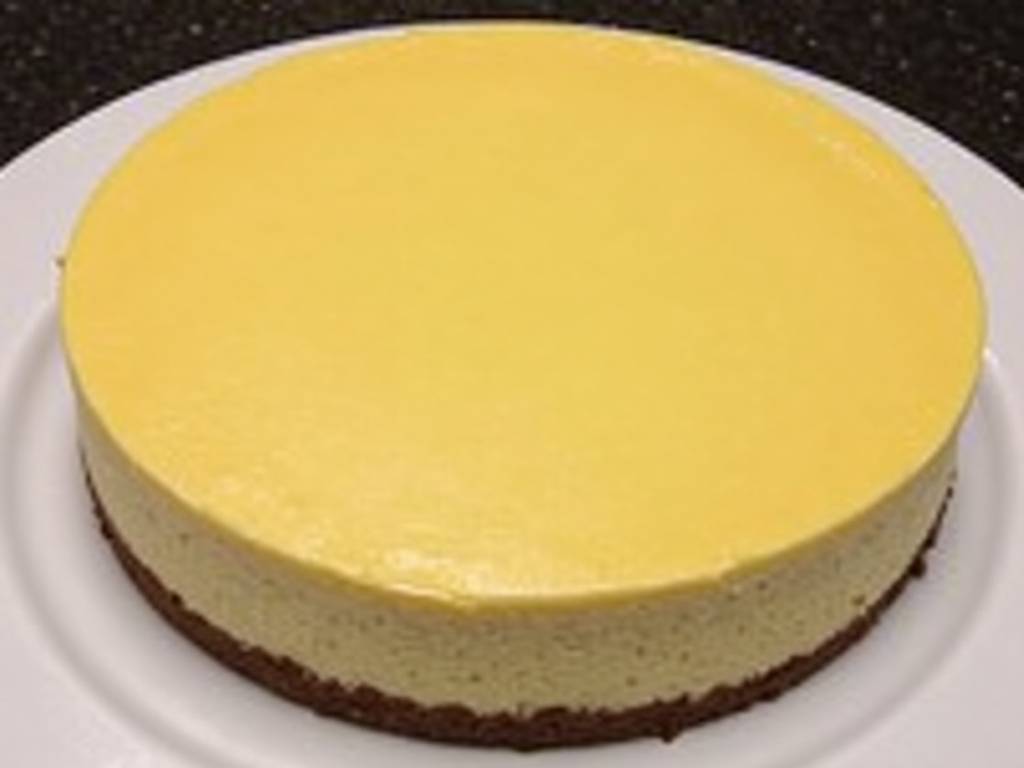
The Foundation: Cream Cheese and Its Crucial Role
Think of cream cheese as the canvas for your masterpiece. Its quality dictates everything. Mass-produced, stabilizer-heavy blocks might be convenient, but they often contain gums and additives that interfere with a pure, clean flavor and a velvety-smooth consistency.
When I select cream cheese, I look for a brand that uses simple, recognizable ingredients: pasteurized milk and cream, cheese cultures, salt, and perhaps a natural stabilizer like carob bean gum. Full-fat versions are essential for that luxurious mouthfeel. A 2023 industry analysis in The Artisan Baker’s Quarterly noted that premium cream cheese, with a higher butterfat content (around 33% or more), emulsifies more smoothly with other ingredients, leading to fewer air bubbles and a dramatically reduced risk of cracking. The flavor is tangier, richer, and more complex, which forms the true heart of your cheesecake.
Sweetness and Stability: The Sugar and Sweetener Debate
Sugar in a cheesecake does more than just sweeten. It helps tenderize the filling, contributes to browning, and importantly, it interacts with the proteins in the dairy to stabilize the structure during baking. Using a fine-grained, high-quality granulated white sugar ensures it dissolves completely, preventing any grittiness in your final product.
For a deeper flavor, I sometimes substitute a portion of the white sugar with organic cane sugar, which has subtle molasses notes. If you’re exploring alternatives, remember that liquid sweeteners like honey or maple syrup add moisture and can alter the baking chemistry. They require recipe adjustments. As a professional, I must emphasize that traditional cheesecake is a dessert to be savored in moderation.
⚠️ 温馨提示:本款蛋糕含糖量较高,高血糖/糖尿病患者请谨慎食用。
Eggs: The Silent Binders
Eggs are the unsung heroes that provide structure and a delicate set. I always use large, room-temperature eggs from sources I trust. The freshness matters. Older eggs have thinner whites that can incorporate too much air, leading to puffing and subsequent collapsing and cracking. The proteins in fresh eggs coagulate gently, giving you that iconic creamy-yet-firm texture. For the absolute silkiest texture, some bakers, including myself, use only the yolks. This adds incredible richness and a deeper yellow hue, perfect for a New York-style indulgence.
The Base: Crafting the Perfect Crust
Your crust is the first bite, the textural contrast to the creamy filling. The quality of your graham crackers, biscuits, or nuts makes a huge difference. Stale, bland crackers yield a stale, bland crust. I opt for name-brand graham crackers with a pronounced honey and cinnamon flavor or high-butter-content digestive biscuits.
For the butter that binds it, unsalted, European-style butter with a higher fat content (82% or more) is my gold standard. It has a cleaner, richer taste that toasts beautifully, giving your crust a nutty, irresistible depth. Don’t underestimate this step—a soggy or flavorless base can undermine the entire experience.
Dairy and Flavor Enhancers: Sour Cream & Vanilla
A dollop of full-fat sour cream is my go-to for adding a subtle tang and extra creaminess without making the cheesecake heavy. Low-fat or “light” versions often contain thickeners and extra water, which can thin out your filling. Pure, cultured sour cream integrates seamlessly.
And then there’s vanilla. This is where you should never compromise. Imitation vanilla extract is harsh and alcoholic. Pure vanilla extract, or even the caviar from a real vanilla bean, infuses your cheesecake with a warm, floral complexity that artificial versions can’t replicate. It’s a supporting actor that elevates the entire cast.
The Impact of Quality on Technique
Here’s the beautiful synergy: when you start with superior ingredients, many common baking problems simply vanish. High-fat cream cheese blends more evenly, reducing overmixing. Quality dairy and fresh eggs coagulate predictably, making water baths more effective at preventing cracks. A good crust made with real butter holds its shape, supporting the filling through cooling. You spend less time troubleshooting and more time enjoying the process.
Why does my cheesecake crack even in a water bath? Cracking is often a sign of overmixing (which incorporates too much air) or rapid temperature change. Starting with room-temperature, high-quality ingredients helps them blend smoothly with minimal air. Premium cream cheese and fresh eggs also set more evenly, working in harmony with the gentle heat of a water bath to prevent stress cracks.
Can I use low-fat cream cheese and save on calories? You can, but you’ll sacrifice texture and flavor dramatically. Low-fat cream cheese has more water and stabilizers. The result is often a gummier, less creamy cheesecake that’s more prone to weeping or sinking. For a healthier option, I’d recommend exploring a specifically designed low-sugar or high-protein recipe that balances ingredients for both flavor and structure. (本款为低糖配方,建议食用前咨询专业医护人员)
Is organic always better for cheesecake ingredients? “Organic” speaks to farming practices, not necessarily baking performance. For items like eggs and dairy, organic versions can sometimes have richer flavor profiles due to the animals’ diet. The most critical factors are freshness, fat content, and purity of ingredients (minimal additives). Choose based on these specs first; organic can be a beneficial bonus.
Choosing high-quality ingredients is the most impactful decision you make as a baker. It’s an investment in flavor, texture, and ultimately, in the joy of sharing something truly exceptional. Your cheesecake is a reflection of your care—let that care begin with the raw materials you bring into your kitchen. When you taste that first sublime, creamy bite, perfectly balanced on a buttery, crisp crust, you’ll understand. The journey to a perfect cheesecake doesn’t start with the mix; it starts with the choice.