 bluename
 How to Make Cheesecake Sweetness Adjustment: Flexible Change According to Taste
Have you ever pulled a beautifully baked cheesecake out of the oven, only to take that first bite and think, “This is too sweet,” or worse, “It’s not sweet enough”? I’ve been there, both as a baker and as a dessert lover. The quest for the perfect slice of cheesecake is deeply personal, and getting the sweetness just right is often the biggest hurdle. It’s not just about adding or subtracting sugar; it’s a delicate dance of balancing flavors, textures, and the inherent tang of the cream cheese itself. That’s why mastering cheesecake sweetness adjustment is the secret weapon in any baker’s toolkit, allowing you to tailor every dessert precisely to your taste, or to the dietary needs of those you’re baking for.
For years in my own kitchen, I treated cheesecake recipes as gospel. A cup of sugar meant a cup of sugar. But after countless experiments and consultations with fellow pastry chefs, I learned that sweetness is the most flexible component. Whether you’re catering to a palate that prefers less sugar, managing specific health considerations, or simply wanting the fruit topping to shine, understanding how to adjust sweetness empowers you to create your perfect version.
Understanding the Role of Sugar in Cheesecake
Before we start tweaking, it’s crucial to understand what sugar does in your cheesecake batter. Its job extends far beyond just making things sweet.
First, sugar tenderizes. It interferes with the formation of gluten and protein networks, contributing to that lush, creamy, and smooth texture we all crave. A significant reduction can sometimes lead to a denser, slightly rubbery bite. Second, it promotes browning. The beautiful golden top on a baked cheesecake is thanks, in part, to the Maillard reaction and caramelization of sugars. Finally, it balances acidity. Cream cheese and sour cream have a natural tang. Sugar counteracts that sharpness, creating a harmonious flavor profile. Remove too much, and the cheesecake can taste overly sour or cheesy. A study in the Journal of Culinary Science highlighted that in dairy-based desserts, sugar reduction of over 25% often requires compensatory ingredients to maintain structural and sensory integrity. This isn’t to discourage you, but to emphasize that smart adjustments are key.
Your Sweetness Adjustment Toolkit: Ingredients and Strategies
Think of adjusting sweetness not as subtraction, but as flavor engineering. Here are the primary tools and methods I use.
1. The Direct Approach: Granulated Sugar Adjustments This is the most straightforward method. For a standard 8-inch cheesecake recipe calling for 1 cup (200g) of granulated sugar, you can usually reduce it by 25% (to 3/4 cup or 150g) without major textural consequences. The flavor will be less sweet, and the tang of the cheese will become more pronounced, which many adults prefer. If you want to reduce further, into the 30-40% range, you’ll need to add moisture back in. For every 1/4 cup of sugar removed, consider adding 1-2 tablespoons of a liquid like whole milk, cream, or even a complementary fruit puree. This helps preserve the batter’s consistency.
2. Sweetener Swaps and Blends Replacing white sugar with alternative sweeteners opens a world of possibilities. Natural Liquid Sweeteners: Honey, maple syrup, and agave nectar are wonderful. They add distinct flavors and moisture. Remember, they are sweeter than white sugar by volume. I generally use 3/4 cup of honey for every 1 cup of white sugar, and reduce another liquid in the recipe (like cream) by 2-3 tablespoons to account for the added moisture. Unrefined Granulated Sugars: Coconut sugar or muscovado sugar impart a caramel-like, deeper sweetness. They can be used in a 1:1 ratio for white sugar, though they will slightly darken the color of your cheesecake. Sugar Alcohols & Non-Nutritive Sweeteners: For low-sugar or sugar-free needs, erythritol or monk fruit blends designed for baking are excellent. They provide sweetness without the calories or blood sugar spike. Crucially, always use a brand that states it measures cup-for-cup like sugar. Some pure stevia extracts, for example, are incredibly potent and will require a conversion chart.
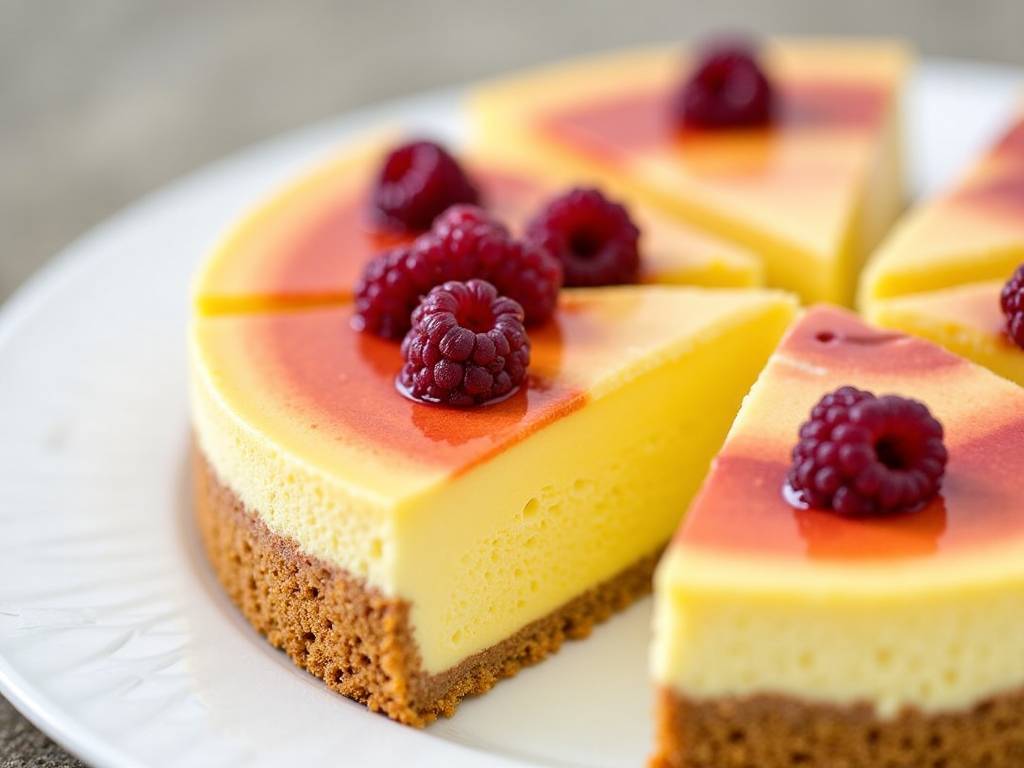
3. Enhancing Perception of Sweetness Without More Sugar Sometimes, you don’t need to add sweetness; you need to make the existing sweetness taste more pronounced. Boost Flavor Foundations: A teaspoon of pure vanilla bean paste (more potent than extract) or a scrape of fresh vanilla bean adds a deep, sweet aroma. A pinch of salt is non-negotiable—it amplifies all flavors, including sweetness. Incorporate Spices: A hint of cinnamon, nutmeg, or cardamom can create a warm, sweet perception on the palate. Use Fruit Strategically: Swirling in a tangy raspberry puree or topping with fresh mango creates a sweet-tart contrast that makes the creamy base taste richer and more decadent, even with less sugar.
Step-by-Step: Adjusting a Classic Recipe
Let’s apply this to a classic New York-style cheesecake. The original recipe calls for 1 1/3 cups (265g) of granulated sugar.
Scenario A: The “Less Sweet, More Tang” Version. I reduce the sugar to 1 cup (200g), a roughly 25% reduction. I add an extra 1/2 teaspoon of pure vanilla bean paste and ensure I’m using full-fat, high-quality cream cheese for maximum flavor. The result is a sophisticated, adult-oriented cheesecake where the dairy flavors are the star.
Scenario B: The “Honey-Glazed” Version. I replace the granulated sugar with 1 cup of mild, clover honey. I reduce the heavy cream in the recipe by 3 tablespoons. I might also add a teaspoon of lemon zest to brighten the flavor profile against the honey’s floral notes. The cheesecake bakes up with a gorgeous golden hue and a luxurious, moist texture.
Scenario C: The “Low-Sugar, Berry Swirl” Version. For a dietary-conscious version, I use 1 cup of a monk fruit-erythritol blend. To compensate for potential dryness and enhance flavor, I swirl in 1/2 cup of a reduced-sugar strawberry puree (just berries simmered until thick) before baking. The fruit adds natural fructose, moisture, and a vibrant flavor that makes the reduced sugar completely satisfying.
⚠️ 温馨提示:本款蛋糕含糖量较高,高血糖/糖尿病患者请谨慎食用。(本款为低糖配方,建议食用前咨询专业医护人员)。
Addressing Common Concerns and Questions
Will reducing the sugar cause my cheesecake to crack? Not directly. Cracks are primarily caused by overmixing (which incorporates too much air), drastic temperature changes, or overbaking. A modest sugar reduction shouldn’t impact structure enough to cause cracking. Ensuring a water bath and proper, slow cooling is more critical for a smooth top.
Can I use artificial sweeteners in a no-bake cheesecake? Absolutely, and it’s often easier. Since no-bake recipes rely on setting agents like gelatin and don’t undergo the chemical reactions of baking, sugar substitutes work very well. Powdered erythritol blends dissolve beautifully into the filling. Just be mindful that some artificial sweeteners can have a slight aftertaste when used in large quantities.
How do I know if my adjusted batter tastes right before baking? This is the best part—you can taste it! Once your batter is fully mixed (minus any raw eggs if you’re concerned; you can use pasteurized eggs for safety), spoon a small amount and adjust. Want more tang? Add a squeeze of lemon juice. Not sweet enough? Blend in a little more of your chosen sweetener. This “taste as you go” approach is the ultimate tool for customization.
Mastering the art of cheesecake sweetness adjustment transforms you from a recipe follower into a confident dessert creator. It allows you to honor personal preferences and dietary needs without sacrificing the indulgent experience of a perfect slice. Start with a small adjustment in your next bake, taste fearlessly, and remember that the best cheesecake is the one that tastes perfect to you. After all, as noted in Food Nutrition and Health (2025, Vol. 12), mindful consumption and customization are key to enjoying desserts as part of a balanced lifestyle, as excessive intake of refined sugars can increase the risk of blood glucose fluctuations. Happy, and sweet, baking





