 bluename
 How to Make Cheesecake Cheese Selection: Flavor Differences of Different Cheeses
You’ve found the perfect cheesecake recipe. The crust is ready, the oven is preheated, but then you stare at the dairy aisle, overwhelmed. Cream cheese, ricotta, mascarpone, farmer’s cheese… which one do you choose? I’ve been there. The truth is, the cheese selection is the single most important decision you’ll make when learning how to make cheesecake. It’s the heart of the dessert, dictating everything from texture and richness to that final, glorious flavor profile. Picking the wrong one can turn your dream dessert into a dense, bland, or grainy disappointment.
Let me guide you through the creamy, tangy, and sometimes nutty world of cheesecake cheeses. As a professional pastry chef, I’ve tested them all—from the classic New York staple to rustic Italian creations. Understanding their unique personalities is the key to unlocking your cheesecake mastery.
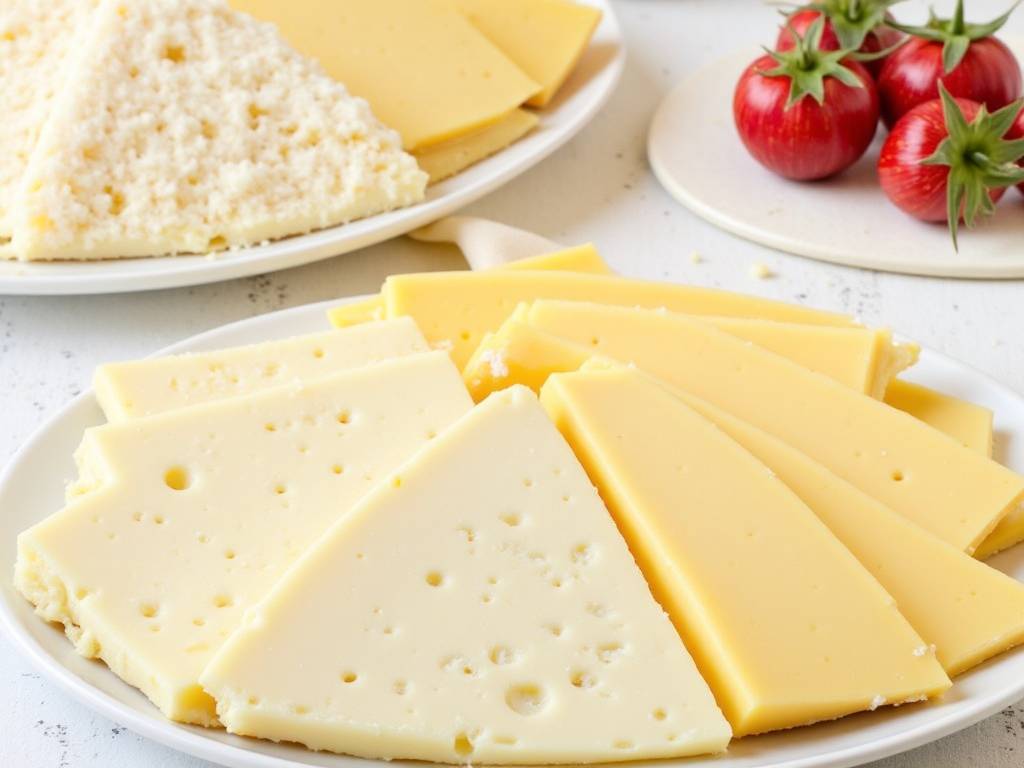
The Foundation: Understanding Cheese Texture and Moisture
Before we dive into specific cheeses, let’s talk science. The texture of your cheesecake hinges on the fat content, moisture level, and acidity of the cheese you use. A high-fat, low-moisture cheese like cream cheese yields a dense, rich, and stable filling. A higher-moisture, granular cheese like ricotta creates a lighter, sometimes grainier texture. Acidity contributes the signature “tang” we associate with cheesecake.
Think of it as building a house. The cheese is your primary building material. You wouldn’t use sandstone for a skyscraper, just as you wouldn’t use a runny cheese for a tall, majestic New York-style cake. Getting this foundation right is the first step in expert cheesecake cheese selection.
The Classic Champion: Cream Cheese
This is the undisputed king of the cheesecake world for a reason. Brands like Philadelphia have become synonymous with the dessert itself.
- Flavor Profile: Cream cheese offers a mild, milky flavor with a distinct, pleasant tang. It’s a clean canvas that allows additions like vanilla, citrus zest, or fruit swirls to shine.
- Texture Impact: Its high fat content (typically 33% or more) and stabilizers create an ultra-smooth, dense, and velvety texture when baked properly. It sets firmly, allowing for clean slices.
- Best For: New York-style cheesecake, no-bake cheesecakes, and any recipe where a rich, classic, and sturdy texture is desired. It’s the reliable workhorse.
- Pro Tip: Always use full-fat, brick-style cream cheese for baking. The spreadable tub versions have added air and gums that can alter the texture. For the smoothest filling, ensure your cream cheese is fully softened to room temperature before beating.
The Italian Aristocrat: Mascarpone Cheese
Hailing from Lombardy, Italy, mascarpone is a rich, triple-cream cheese. It’s technically not a “cream cheese” but a crema di latte.
- Flavor Profile: Mascarpone is buttery, slightly sweet, and incredibly rich, with almost no tang. Its flavor is decadent and subtle.
- Texture Impact: It is luxuriously thick and spreadable but has a higher moisture content than American cream cheese. This can lead to a softer, less structured set, often resulting in a creamier, almost mousse-like mouthfeel.
- Best For: No-bake cheesecakes, tiramisu-flavored cheesecakes, or as a blending cheese. I often blend it with cream cheese (a 1:3 ratio of mascarpone to cream cheese) to add richness and a silkier texture without sacrificing structure.
- Expert Insight: Renowned pastry chef Gina DePalma once noted that mascarpone’s delicate flavor makes it ideal for desserts where the cheese should complement, not dominate, other ingredients.
The Rustic & Light Option: Ricotta Cheese
Traditional in Italian desserts like Cassata, ricotta brings a completely different character to the table.
- Flavor Profile: It has a mild, slightly sweet, and milky flavor with a faint granularity you can sometimes detect on the palate.
- Texture Impact: Ricotta is naturally granular and moist. When used alone, it produces a lighter, drier, and more crumbly cheesecake texture. For a smoother result, it must be thoroughly drained and often puréed or strained.
- Best For: Italian-style ricotta cheesecakes, which are often less sweet and paired with citrus or pine nuts. It’s excellent for creating a less dense, more breakfast-or-brunch-friendly cake.
- How to Use: To prevent a watery cheesecake, place ricotta in a fine-mesh strainer lined with cheesecloth over a bowl and let it drain in the refrigerator for several hours or overnight.
The Tangy Traditionalist: Farmer’s Cheese & Quark
These are the old-world choices, traditional in Eastern European and German cheesecakes (Käsekuchen).
- Flavor Profile: They offer a brighter, sharper tang compared to cream cheese. Farmer’s cheese is mild and milky, while quark is fresh and acidic.
- Texture Impact: They are low in fat and often dry, yielding a firm, dense, and slightly crumbly texture. The cake is less rich but has a pronounced, refreshing tang.
- Best For: Authentic German or Polish-style baked cheesecakes. They provide a lighter feel despite their density, as the fat content is lower. You may need to add butter or cream to enrich the filling.
The Secret Weapon: Blending Cheeses for Custom Flavors
This is where the real artistry begins. Don’t feel confined to one cheese. Blending allows you to engineer the perfect balance of flavor and texture.
- Cream Cheese + Sour Cream/Yogurt: This is a classic combo. The sour cream or Greek yogurt increases tanginess and can lead to a creamier, slightly lighter texture. A 2023 industry report on artisanal baking trends highlighted blended-dairy desserts as a top growth category, citing consumer desire for “complex, balanced flavors.”
- Cream Cheese + Mascarpone: As mentioned, this boosts richness and silkiness. Ideal for a luxurious no-bake version.
- Ricotta + Cream Cheese: This hybrid creates a fascinating middle ground—lighter than all-cream-cheese but smoother and richer than all-ricotta. It’s my go-to for a sophisticated, complex texture.
Practical Guide: Choosing Your Cheese by Cheesecake Style
Let’s make this actionable. Here’s a quick-reference guide based on the type of cheesecake you want to create:
- For a Dense, Rich, Classic New York Style: Stick with full-fat cream cheese. Do not substitute.
- For a Light, No-Bake, Mousse-like Cheesecake: Mascarpone is excellent, or a blend of cream cheese and whipped cream.
- For a Traditional, Grainy-Textured Italian Cheesecake: Use well-drained, high-quality ricotta.
- For a Tangy, Less-Sweet, Firm European Cheesecake: Seek out farmer’s cheese, quark, or dry curd cottage cheese.
- For a Complex, Bakery-Quality Profile: Experiment with blends. Try ¾ cream cheese to ¼ mascarpone, or ½ cream cheese to ½ strained ricotta.
Beyond the Selection: Handling Your Chosen Cheese
Your work isn’t done once you’ve chosen. Proper technique is crucial.
- Temperature is Key: All cheese must be at warm room temperature (about 70°F/21°C) before mixing. This prevents lumps and allows for a smooth, aerated batter that bakes evenly.
- Mix Gently, Not Vigorously: Overbeating incorporates too much air, which can cause the cake to puff up dramatically and then crack as it collapses. Mix just until the ingredients are combined and smooth.
- The Water Bath Debate: For baked cheesecakes using high-fat cheeses, a water bath (bain-marie) is the best insurance against cracking and ensures a creamy, gentle cook from edge to center.
What’s the absolute best cheese for a first-time cheesecake baker? Without a doubt, full-fat, brick-style cream cheese. It’s forgiving, readily available, and produces the classic flavor and texture most people expect. Master the basics with this reliable choice before experimenting.
Can I use low-fat or non-fat cream cheese? I strongly advise against it for baked cheesecakes. The fat is essential for structure, mouthfeel, and flavor. Low-fat versions have more water and gums, which can lead to a watery texture, poor set, and an increased risk of cracking. If you’re concerned about sugar content, see the note below.
My cheesecake turned out grainy. Did I choose the wrong cheese? Not necessarily. Graininess is often a textural issue caused by overmixing (which breaks the fat emulsion) or using cold cheese that didn’t blend smoothly. Ensure your ingredients are at room temperature and mix with a gentle hand. If you used ricotta without draining or puréeing it, that could also be the culprit.
Choosing the right cheese transforms cheesecake from a simple recipe into a personalized culinary creation. Whether you crave the dense tang of a New York classic made with cream cheese or the delicate richness of a mascarpone blend, your choice directs the final symphony of flavor and texture. Remember, the journey is as rewarding as the first perfect bite. So, head to the dairy aisle with confidence, pick your champion, and start creating.
⚠️ 温馨提示:本款蛋糕含糖量较高,高血糖/糖尿病患者请谨慎食用。 (Note: For recipes specifically formulated as "low-sugar cheesecake," please add: “(本款为低糖配方,建议食用前咨询专业医护人员)”.)





