 bluename
 How to Make Cheesecake: Egg Function as the Important Ingredient Affecting Texture
You’ve followed the recipe to the letter. You’ve used premium cream cheese, real vanilla, and a perfectly baked crust. Yet, when you slice into your homemade cheesecake, the texture isn’t quite right. Maybe it’s denser than a brick, or perhaps it’s weepy and loose, collapsing on the plate. If this sounds familiar, you’re not alone. The secret to bridging the gap between good and sublime often lies in one humble, yet profoundly important ingredient affecting texture: the egg.
Many bakers focus on the cheese or the sugar, but mastering the role of eggs is what unlocks a cheesecake’s true potential. As a professional pastry chef, I’ve seen firsthand how a deep understanding of this single component can transform your results. Today, I’ll guide you through the science and art of using eggs, ensuring your next cheesecake has that dreamy, creamy, sliceable perfection we all crave.
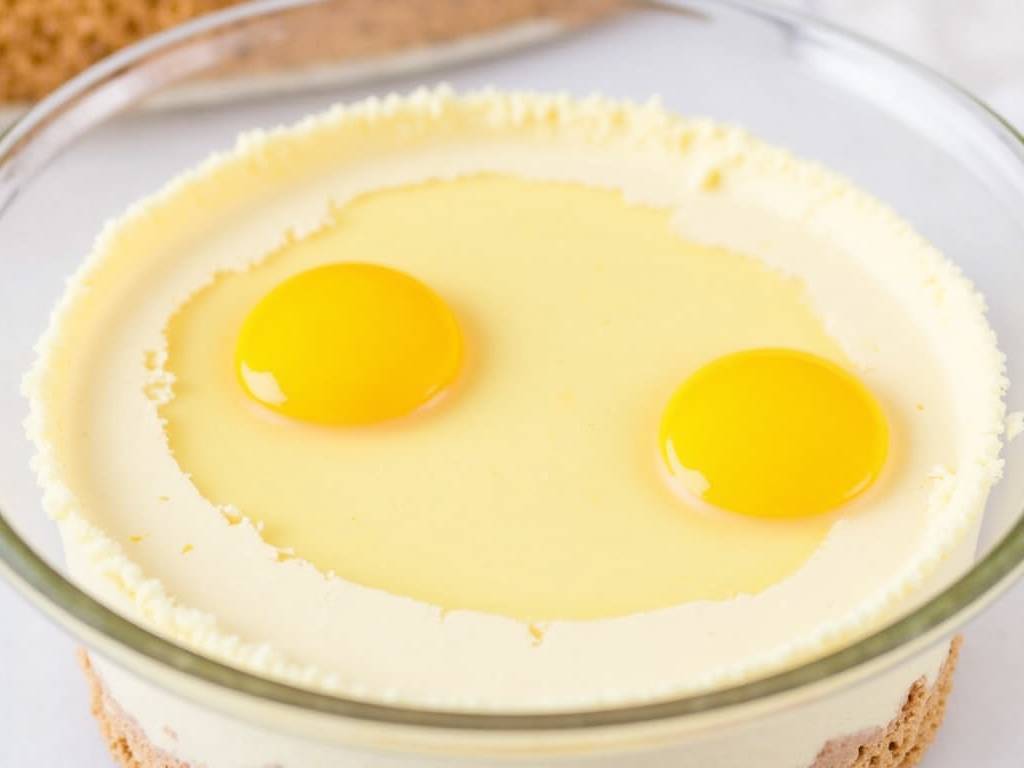
The Multifunctional Power of Eggs in Cheesecake
Think of eggs as the orchestra conductor of your cheesecake batter. They don’t just add richness; they perform several critical, simultaneous functions that determine the final mouthfeel and structure.
First and foremost, eggs are a primary binding and setting agent. The proteins in both the white and the yolk unwind and form a network when heated. This protein matrix is what solidifies the cheesecake, transforming the liquid batter into a firm yet tender solid. Without it, you’d essentially have a sweet, cheesy soup.
Secondly, they are incredible emulsifiers. The lecithin in egg yolks acts as a bridge between the water-based and fat-based components—like the moisture in the cheese and the butterfat. This creates a stable, homogenous batter that bakes evenly, preventing a greasy or grainy texture.
Finally, they contribute to leavening and richness. While cheesecake isn’t supposed to rise like a soufflé, the incorporation of air when beating eggs, especially whole eggs or whites, introduces tiny bubbles. This provides a subtle lift, lightening the texture just enough. The yolks, packed with fat, deliver that luxurious, velvety mouthfeel and rich golden color.
Yolks vs. Whites: A Textural Breakdown
Not all eggs are used equally. The ratio of yolks to whites is a chef’s dial for fine-tuning texture.
Egg yolks are the source of supreme creaminess and richness. They are emulsification powerhouses. A yolk-heavy batter, like that for a classic New York-style cheesecake, results in a dense, profoundly smooth, and decadent custard. The fat in the yolks also tenderizes the protein network, preventing it from becoming too tough.
Egg whites, on the other hand, are about structure and lightness. They are about 90% water and 10% protein, which sets into a firm gel. Using more whites, or even whipped egg whites folded in, yields a lighter, airier, and slightly taller cheesecake, such as a Japanese soufflé cheesecake. However, over-reliance on whites without the balancing fat from yolks can lead to a rubbery or spongy texture.
Most classic recipes use whole eggs, striking a beautiful balance between the lushness of the yolk and the gentle structure from the white. Understanding this balance allows you to adjust recipes or troubleshoot. Is your cheesecake too dense? Perhaps incorporating an extra white could help. Too fragile? An extra yolk might add the necessary stability.
The Science of Coagulation: How Heat Transforms the Batter
The magic—and the potential pitfall—happens in the oven. Egg proteins coagulate, or set, between 144°F and 160°F (62°C-71°C). This is the single most important concept for cheesecake texture.
Your goal is to heat the cheesecake gently and evenly to this target temperature range without exceeding it. If the internal temperature climbs too high, the protein network tightens excessively, squeezing out moisture. This leads to a dry, crumbly, and cracked cake. As food scientist Dr. Stella Parks explains, “Over-coagulation of egg proteins is the leading cause of syneresis—that’s the technical term for weeping—in custards.”
This is precisely why we bake cheesecakes in a water bath (bain-marie). The water surrounds the pan with gentle, moist heat, preventing the edges from overheating before the center sets. It’s the best insurance policy for a uniform, silky texture from edge to center.
Step-by-Step: Mastering Egg Incorporation for Perfect Texture
Technique is as crucial as understanding the theory. Here’s how I handle eggs for a flawless batter every time.
1. Temperature is Key. Always use room-temperature eggs. Cold eggs can cause the softened cream cheese to seize up, leading to a lumpy batter. To quickly warm eggs, place them in a bowl of warm water for 5-10 minutes before cracking.
2. The Sequential Mixing Method. This is non-negotiable for preventing cracks. After creaming your cheese and sugar until completely smooth, add your eggs one at a time. Beat each egg fully into the batter before adding the next. Why? This allows each egg to emulsify properly. Dumping all eggs in at once overwhelms the fat network, often resulting in a curdled-looking batter that bakes unevenly.
3. Low and Slow. Once eggs are added, mix on low speed just until combined. Over-beating after adding eggs incorporates too much air. During baking, these large air bubbles expand and then collapse, creating tunnels and a puffy, then sunken, top. You want incorporation, not aeration.
4. The Water Bath Protocol. Wrap your springform pan bottom in heavy-duty foil to prevent leaks. Place it in a roasting pan and pour the batter in. Then, pour hot water into the roasting pan until it comes halfway up the sides of the springform. This gentle environment is what allows the egg proteins to set gracefully.
Troubleshooting Common Egg-Related Texture Issues
- Dense and Heavy: Likely causes: over-mixing the batter after adding eggs (developing gluten if using flour, or toughening proteins), using only egg yolks without adjusting other liquids, or baking at too high a temperature which causes rapid setting before air can stabilize.
- Cracked Surface: Almost always a sign of over-baking or too-rapid heating, causing severe protein over-coagulation. The center contracts as it cools, tearing the surface. The water bath and proper, slow cooling are your best defenses.
- Runny or Underset Center: The egg proteins haven’t fully coagulated. Ensure your oven temperature is accurate with an oven thermometer. Bake until the edges are puffed and set, but the center (about a 3-inch diameter) still jiggles slightly like Jell-O when gently shaken. It will set completely as it chills.
- Rubbery Texture: Usually from using too many egg whites or over-beating the batter, creating an overly strong and tight protein network.
Expert Insights and Data-Driven Baking
A study published in the Journal of Culinary Science & Technology highlighted the stabilizing effect of egg yolk phospholipids in dairy emulsions, noting their critical role in preventing phase separation in high-fat systems like cheesecake batter. This isn’t just kitchen lore; it’s food science. By treating eggs with the precision they deserve, you’re applying proven scientific principles.
Your Cheesecake Texture FAQs, Answered
Can I make a cheesecake without eggs? You can, but the texture will be fundamentally different. Eggs are the primary setting agent. Substitutes like cornstarch, agar-agar, or silken tofu can create a firm set, but they won’t replicate the rich, creamy, and delicate custard texture that eggs provide. It becomes a different, though potentially delicious, dessert.
I’m scared of raw eggs. Is the cheesecake really safe? When properly baked to an internal temperature of 160°F (71°C), any potential bacteria in the eggs are eliminated. The slow, controlled bake of a cheesecake achieves this safely. Using pasteurized eggs from the store adds an extra layer of security for peace of mind.
Why do some recipes call for extra egg yolks? Extra yolks are used when the goal is maximum luxury—a richer, creamier, and more velvety texture with a deeper yellow hue. It’s a common adjustment in premium or “ultra-creamy” style recipes. Remember, it shifts the balance, so the baking time and temperature may need slight adjustment to account for the extra fat and emulsifiers.
Mastering the cheesecake is a journey of understanding how ingredients interact. The egg, so often taken for granted, is the linchpin holding the dream of a perfect texture together. It’s the difference between a serviceable dessert and a show-stopping masterpiece. By respecting its role—controlling its temperature, incorporating it with care, and baking it with gentle heat—you gain complete control over the final result. So, crack those eggs with confidence, and get ready to bake your most stunning, smooth, and sliceable cheesecake yet.
⚠️ 温馨提示:本款蛋糕含糖量较高,高血糖/糖尿病患者请谨慎食用。





