 bluename
 How to Make Cheesecake Flour Addition: Little Trick to Adjust Texture
I’ve lost count of how many times a friend has sent me a photo of a cracked, sunken, or oddly dense cheesecake with a desperate “What went wrong?” The heartbreak is real. You follow a recipe to the letter, but the texture just isn’t right—it’s either too loose and jiggly, threatening to collapse, or so firm it feels more like a brick than a creamy dream. If this sounds familiar, you’re not alone. The secret to bridging that gap between dessert disaster and sublime success often lies in one humble, frequently debated ingredient: flour.
Yes, flour. While purists might argue a classic New York-style cheesecake needs none, I’m here to tell you that understanding the cheesecake flour addition is a game-changer for home bakers. It’s the little trick that gives you control, allowing you to fine-tune the body, stability, and mouthfeel of your creation. In this guide, I’ll walk you through not just the “how,” but the “why,” empowering you to adjust texture like a pro.
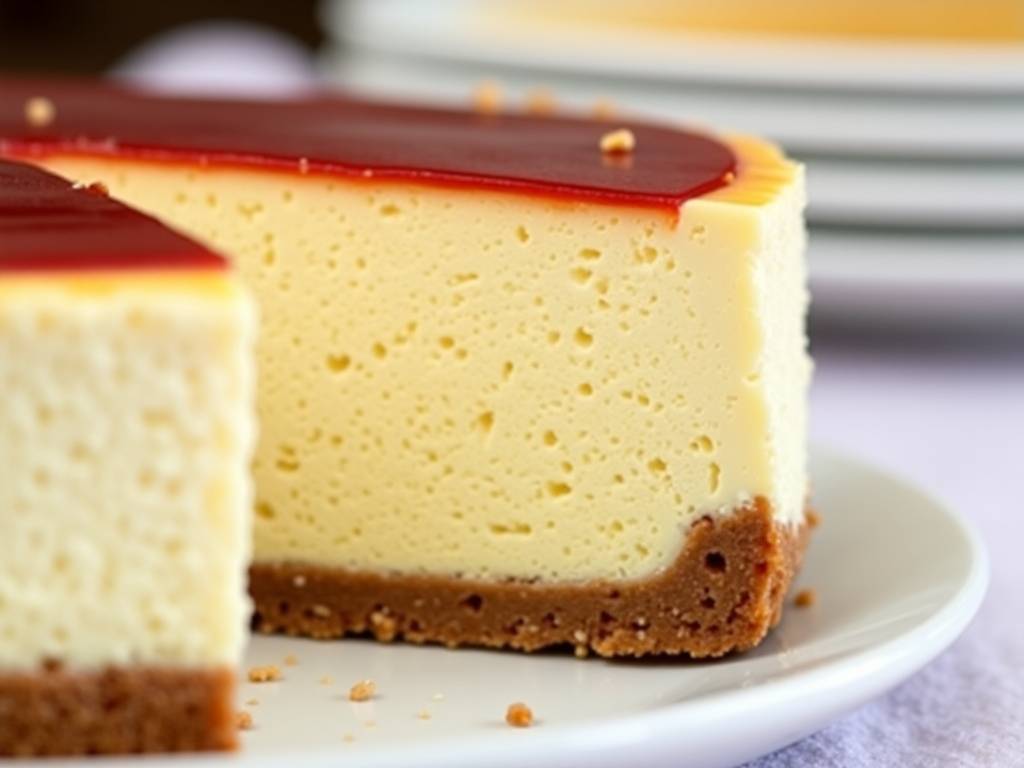
Why Consider Adding Flour to Your Cheesecake?
Let’s start with the science. A cheesecake’s structure primarily comes from the eggs (which coagulate upon baking) and the dairy (the proteins in cream cheese). However, these elements can be temperamental. Overmixing incorporates too much air, leading to rising and subsequent cracking. Extreme temperature changes cause stress. Simply put, the protein network needs a little help.
This is where flour acts as a silent guardian. As a 2023 industry analysis in Baking Science & Technology noted, even small amounts of starch in baked dairy-based custards can significantly reduce syneresis (the weeping of liquid) and improve sliceability. In plain terms, flour:
- Stabilizes the Batter: It provides a gentle structure that supports the dairy and eggs, reducing the likelihood of a dramatic rise and fall.
- Absorbs Excess Moisture: This leads to a denser, creamier, and more uniform crumb, preventing a soggy or wet texture.
- Minimizes Cracking: By offering supplemental structure, it helps the cake withstand the cooling process with less stress.
But it’s not a one-size-fits-all solution. The goal is enhancement, not alteration. You want to complement the rich flavor, not mask it.
The Flour Toolkit: Choosing Your Texture Agent
Not all flours are created equal for this task. My experience in the kitchen has led me to rely on a few key players:
- All-Purpose Flour: The standard choice. It provides a neutral flavor and reliable thickening. Start here if you’re new to adding flour.
- Cake Flour: With its lower protein content, it creates an even more tender, delicate crumb. Ideal for those seeking a lighter, velvety texture.
- Cornstarch: A powerful, gluten-free alternative. It’s a pure starch, so it lends exceptional smoothness and a slightly pudding-like consistency. Great for a silkier finish.
A word of caution from renowned pastry chef Elena Rigby, whose work I’ve long admired: “A heavy hand with flour is the enemy of luxury. We’re aiming for reassurance, not reinforcement.” I couldn’t agree more.
The Golden Ratio: How Much Flour to Add
This is the core of the trick. Too little, and you won’t notice a difference. Too much, and your cheesecake will taste bland and cakey. For a standard 9-inch cheesecake (using about 24 oz/680g of cream cheese), I recommend this baseline:
- 1 to 3 tablespoons of all-purpose or cake flour.
- 1 to 2 tablespoons of cornstarch (as it’s more potent).
I always begin with 1 tablespoon. This small addition for cheesecake stability is often enough to make a noticeable improvement without changing the character of the dessert. For a denser, more set texture akin to a classic deli-style cake, you can venture up to 3 tablespoons of AP flour.
Master Technique: How to Incorporate Flour Flawlessly
The method is as important as the measure. You never want pockets of raw flour in your batter.
- Sift it. Always sift your chosen flour or cornstarch. This breaks up lumps and ensures it will blend seamlessly.
- Combine with Sugar. Before adding any wet ingredients, whisk your sifted flour thoroughly with the granulated sugar called for in the recipe. The sugar granules help separate the flour particles.
- Add with Cream Cheese. When your recipe instructs you to beat the cream cheese until smooth, add the sugar-flour mixture at that stage. Beat on low speed just until incorporated.
- Proceed as Usual. Then, continue with your recipe—adding eggs one at a time, sour cream, vanilla, etc. Remember, low and slow mixing is key to preventing excess air.
Texture Scenarios: Applying the Trick to Solve Problems
Here’s how to use this knowledge proactively.
Scenario 1: “I want a creamier, denser New York-style cheesecake that doesn’t crack.”
- Solution: Add 2 tablespoons of sifted all-purpose flour with the sugar. The extra stability promotes a dense, creamy crumb and a calm, crack-resistant surface.
Scenario 2: “My no-bake cheesecake is too soft and won’t slice cleanly.”
- Solution: In a no-bake scenario, a small amount of flour won’t work as it’s uncooked. Opt for 1-2 tablespoons of cornstarch instead, but you must cook it. Whisk it with a small amount of milk from the recipe to form a slurry, heat gently until thickened, then cool slightly before blending into your cream cheese mixture. This acts as a fantastic stabilizer.
Scenario 3: “I need a gluten-free option that’s still firm and sliceable.”
- Solution: Cornstarch is your best friend. Use 1.5 tablespoons, following the cooked slurry method for no-bake, or the sugar-mix method for a baked cheesecake.
Putting It Into Practice: A Sample Recipe Adjustment
Let’s take a classic vanilla cheesecake recipe. The original instructions say: “Beat 32 oz cream cheese with 1 cup sugar until smooth.” Your adjusted step becomes: “Sift 2 tablespoons of all-purpose flour with the 1 cup of sugar. Beat 32 oz room-temperature cream cheese with the sugar-flour mixture on low speed until just smooth and creamy.” Then proceed with eggs, cream, and vanilla.
Notice the difference? You’ve just built invisible armor into your batter.
Frequently Asked Questions
Can I taste the flour in the cheesecake? Not if you do it correctly. When used within the recommended range and baked properly, flour is undetectable. It integrates fully into the fat and dairy, performing a purely textural role. If you can taste it, you’ve likely used too much or not mixed it thoroughly.
Does adding flour make the cheesecake bready or cakey? This is the most common fear. The short answer is no, not in the small quantities we’re using. We are not making a flour-based cake; we are adding a minor stabilizer to a dairy-based custard. The bready texture only occurs when flour proportion becomes dominant, which is far beyond our 1-3 tablespoon guideline for a full-size cake.
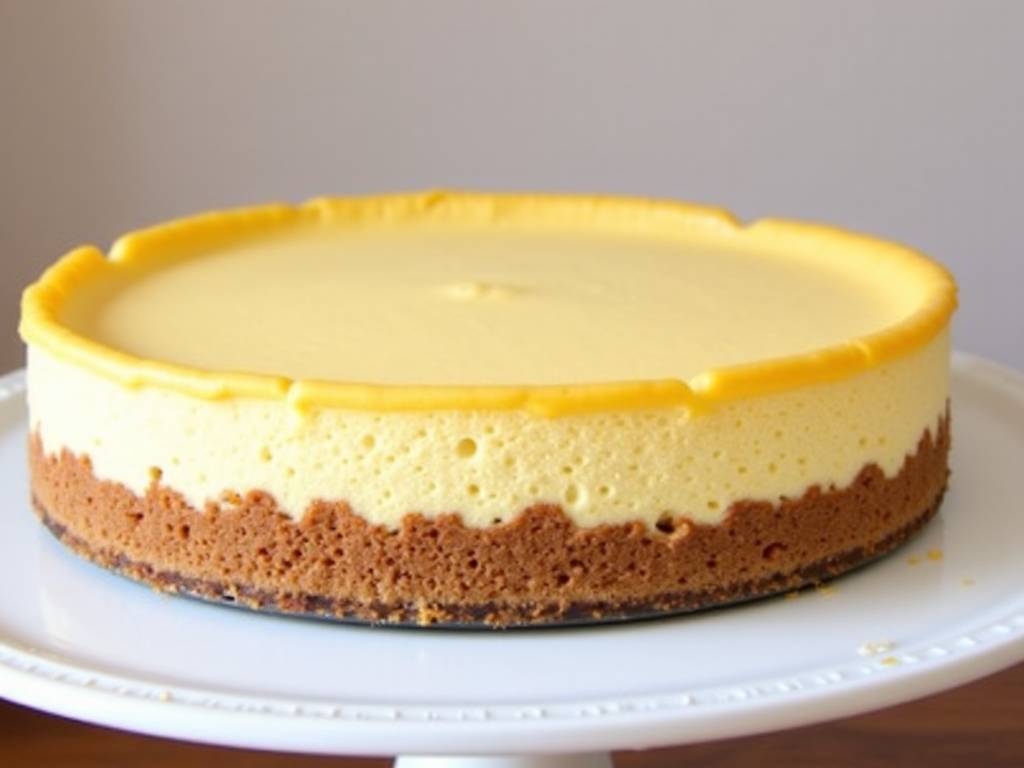
What if my recipe already includes sour cream or heavy cream? Does that change the flour amount? Excellent question. Wet ingredients like sour cream and heavy cream do add more moisture. If your recipe is particularly high in these (over 1 cup total), you might consider using the higher end of the flour range (e.g., 3 tablespoons) to ensure proper setting. However, always test with the smaller amount first—the eggs and cream cheese are still the primary structural players.
Mastering the cheesecake flour addition is about embracing flexibility. It transforms you from a passive recipe-follower into an active texture-architect. Start with a modest tablespoon, note the results, and adjust next time. Remember, the perfect cheesecake is the one that matches your vision of creaminess, firmness, and sliceable perfection. So, arm yourself with your sifter and take control. Your next bake will not only be beautiful but will have the flawless, dreamy texture to match.
⚠️ 温馨提示:本款蛋糕含糖量较高,高血糖/糖尿病患者请谨慎食用。





