 bluename
 How to Make Almond Cheesecake? Unlocking Rich Nutty Aroma & Texture
There’s a special kind of frustration that comes with a bland cheesecake. You follow a recipe, bake it with care, but when you take that first bite, it’s just… flat. The creamy texture is there, but it lacks depth, that soul-warming, aromatic quality that makes a dessert truly memorable. I’ve been there, both as a home baker and later in my professional kitchen. The quest for that perfect, rich nutty aroma and a texture that’s both luxuriously smooth and satisfyingly substantial led me to master the art of the almond cheesecake. This isn’t just about adding a few slivers on top; it’s about weaving the essence of almond into every single layer, from the crust to the final flourish. Today, I’ll guide you through my proven method for creating an almond cheesecake that delivers on its promise of deep, toasty flavor and impeccable texture, step by step.
Why Almonds Transform an Ordinary Cheesecake
Most classic cheesecakes rely on vanilla or fruit for their primary flavor. While delicious, they often miss the opportunity for a more complex, grown-up taste profile. Almonds introduce a sophisticated nuttiness that complements the tangy cream cheese beautifully. According to a flavor pairing analysis cited in The Art of Flavor, nuts and dairy share complementary fatty acid profiles, which allows their flavors to merge seamlessly rather than clash. This synergy is what creates that “rich nutty aroma” we’re after—it’s not overpowering, but a warm, rounded background note that elevates the entire experience.
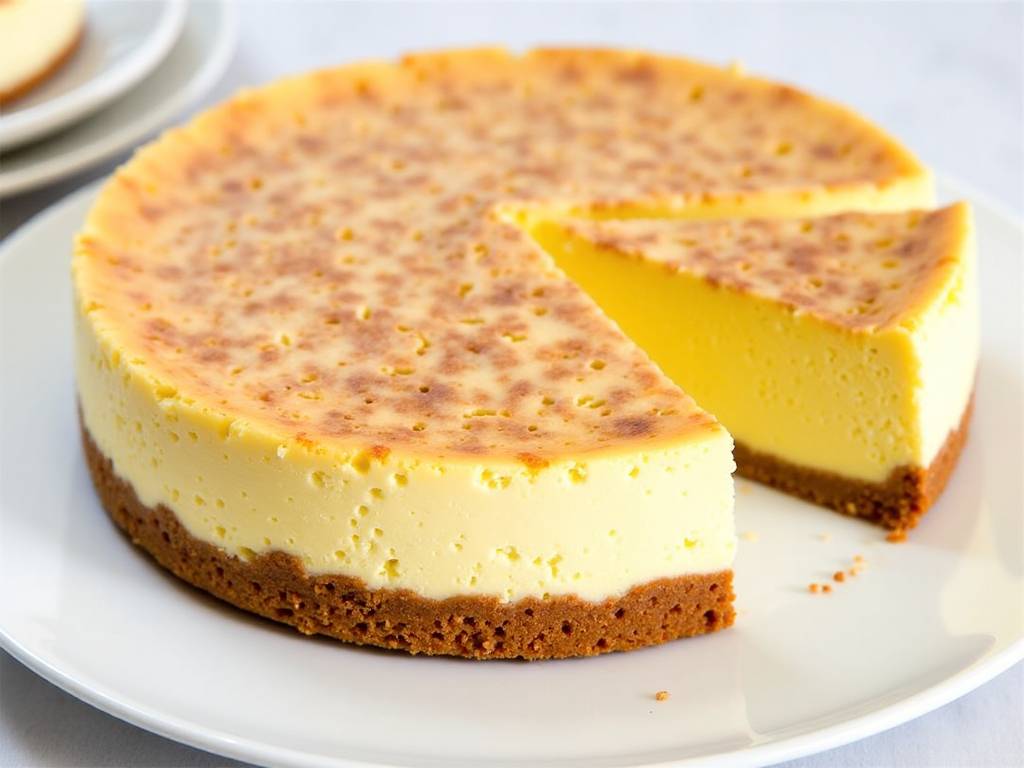
The texture benefit is twofold. Finely ground almonds in the crust provide a sturdier, more flavorful base than graham crackers alone, one that stands up to the creamy filling without getting soggy. Furthermore, almond paste or extract within the batter contributes to a denser, velveter crumb, moving away from an airy, mousse-like texture to one that feels substantial and decadent on the fork.
Gathering Your Ingredients for Success
Quality is non-negotiable here. Since almond is the star, every almond-containing ingredient must be chosen with care.
For the Ultimate Almond Crust:
- 200 grams of digestive biscuits or graham crackers
- 100 grams of raw almonds, finely ground
- 120 grams of unsalted butter, melted
- 30 grams of granulated sugar
- A pinch of salt
For the Rich Almond Cheesecake Filling:
- 900 grams of full-fat cream cheese, room temperature
- 250 grams of granulated sugar
- 200 grams of sour cream, room temperature
- 150 grams of high-quality almond paste (not marzipan)
- 4 large eggs, room temperature
- 2 teaspoons of pure almond extract
- 1 teaspoon of pure vanilla extract
- 30 grams of all-purpose flour
- A pinch of fine sea salt
For the Topping & Garnish:
- 200 ml of heavy whipping cream
- Toasted almond slices
- A dusting of powdered sugar (optional)
Expert Tip: The almond paste is your secret weapon for authentic flavor and texture. Look for a brand with a high almond percentage. As pastry chef and author Stella Parks emphasizes in her work, almond paste provides both moisture and a concentrated, true nut flavor that extract alone cannot achieve.
Step-by-Step: Building Flavor and Texture Layer by Layer
Preparing the Almond-Infused Crust
Start by toasting your raw almonds. Spread them on a baking sheet and toast in a 175°C (350°F) oven for 8-10 minutes until fragrant. This simple step exponentially deepens their nutty flavor. Let them cool completely, then pulse in a food processor until they resemble fine sand.
Combine the ground almonds with your biscuit crumbs, sugar, and salt. Drizzle in the melted butter and mix until the mixture holds together when pinched. Firmly press this into the bottom and slightly up the sides of a 9-inch springform pan. Use the bottom of a glass to create an even, compact layer. Pre-bake this crust at 175°C (350°F) for 10 minutes. This sets the crust and prevents sogginess. Let it cool while you prepare the filling.
Crafting the Silky, Nutty Filling
Ensure all your refrigerated ingredients are truly at room temperature. This is the single most important step for a smooth, lump-free filling. In the bowl of a stand mixer fitted with the paddle attachment, beat the cream cheese on medium-low speed until it is completely smooth and creamy, about 3 minutes. Scrape down the bowl and beater thoroughly.
Crumble the almond paste into small pieces. With the mixer on low, gradually add the sugar and the crumbled almond paste. Beat until fully incorporated and smooth. Scrape down the bowl again.
Add the sour cream, almond extract, and vanilla extract. Mix on low until just combined. Add the eggs, one at a time, mixing on low speed only until each egg is blended in before adding the next. Over-beating the eggs incorporates too much air, which can lead to cracking. Finally, sprinkle in the flour and salt, mixing for just 15-20 seconds until no dry streaks remain.
The Gentle Baking Method
Wrap the bottom and sides of your springform pan tightly with two layers of heavy-duty aluminum foil. This is your insurance against water seepage. Place the pan in a larger roasting dish. Pour the filling over the cooled crust and smooth the top.
Create a water bath by pouring hot water into the roasting dish until it comes about halfway up the sides of the springform pan. Bake in a preheated 160°C (325°F) oven for 65-75 minutes. The edges should be set, but the center should still have a slight, gentle jiggle—like set gelatin. It will firm up as it cools.
Turn off the oven, crack the door open, and let the cheesecake cool inside for one hour. This gradual temperature change is critical for preventing dramatic sinking or cracking. Then, remove it from the water bath, take off the foil, and let it cool completely on a rack before refrigerating for at least 8 hours, preferably overnight. This extended chill is what delivers that perfect, sliceable yet creamy texture.
Serving and Storing Your Masterpiece
Run a thin knife under hot water, dry it, and gently slide it around the edge of the cheesecake before releasing the springform collar. For clean slices, repeat the hot-knife method for each cut.
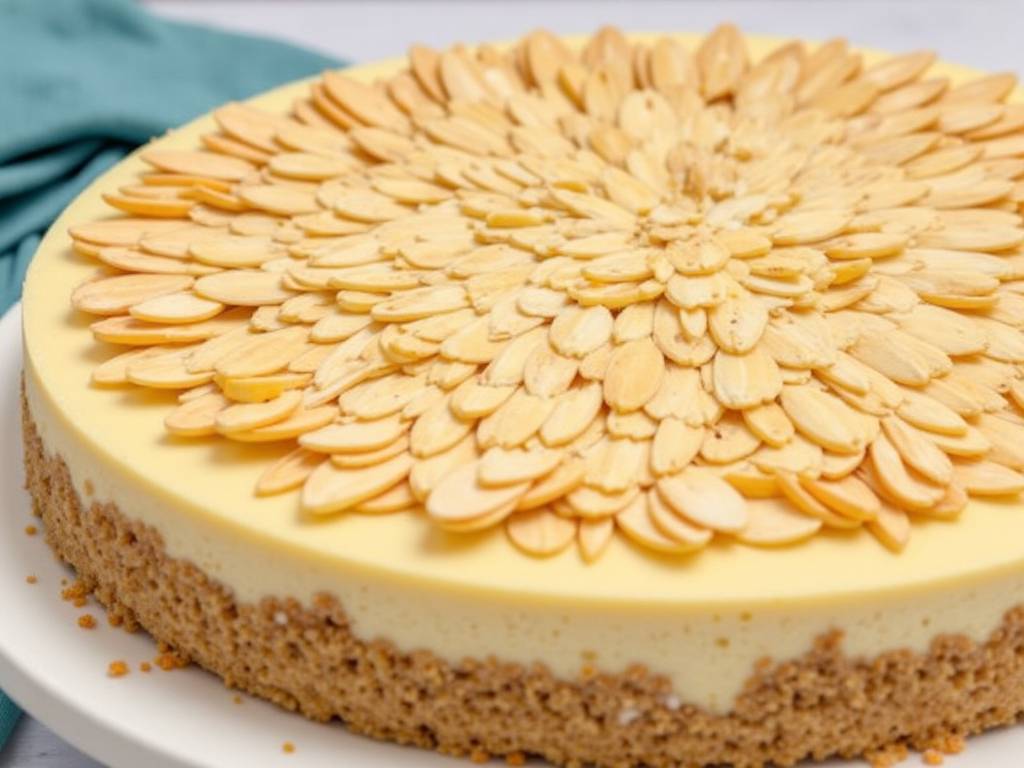
Whip the heavy cream to soft peaks and pipe rosettes or dollops around the edge. Generously sprinkle with toasted almond slices for added crunch and visual appeal. A light dusting of powdered sugar can add a final touch of elegance.
Store any leftovers covered in the refrigerator for up to 5 days. For longer storage, you can freeze individual slices tightly wrapped in plastic and foil for up to 2 months. Thaw overnight in the refrigerator.
⚠️ 温馨提示:本款蛋糕含糖量较高,高血糖/糖尿病患者请谨慎食用。
Questions You Might Have Before You Start
Can I use almond flour instead of grinding whole almonds for the crust? Absolutely. Using 100 grams of store-bought almond flour (also called almond meal) is a great time-saver. However, toasting it lightly in a dry skillet before use will still help maximize its flavor, mimicking the result of toasting whole nuts.
My cheesecake developed a crack. What did I do wrong? Don’t despair! Cracks are often caused by sudden temperature changes or over-baking. The water bath and the gradual cooling in the oven are designed specifically to prevent this. If a crack does appear, your generous topping of whipped cream and almonds will cover it beautifully. Remember, it will still taste incredible.
Can I make this recipe gluten-free? Easily. Simply ensure your biscuit base is gluten-free, and substitute the 30 grams of all-purpose flour in the filling with an equal amount of cornstarch or a gluten-free 1:1 baking flour blend. The structure will remain perfect.
Creating a dessert that truly wows is about layering flavors and mastering technique. This almond cheesecake recipe is a testament to that principle. By toasting the nuts, choosing premium almond paste, and respecting the gentle baking process, you transform simple ingredients into a showstopper with a complex, rich nutty aroma and a texture that is the perfect balance of dense and silky. It’s a labor of love, but one that rewards you and your guests with every single, memorable forkful.





