 bluename
 How to Make Macadamia Cheesecake? A Guide to Luxurious Rich Milk Aroma
There’s something uniquely comforting about a perfectly baked cheesecake. But if you’ve ever been disappointed by a cracked top, a dense texture, or a flavor that just doesn’t sing, you’re not alone. As a professional pastry chef, I’ve seen the common pitfalls. Many home bakers struggle to achieve that elusive balance: a creamy, velvety interior with a rich, toasty depth that complements, rather than overwhelms, the classic cheesecake profile. That’s where the magic of macadamia nuts comes in. Today, I’ll guide you through creating a Macadamia Cheesecake with a Luxurious Rich Milk Aroma that solves these exact problems. This isn’t just a recipe; it’s a masterclass in texture, flavor layering, and the baking science that guarantees a stunning result every time.
The secret to this cake’s luxurious rich milk aroma lies in a dual approach: using high-fat dairy and the buttery essence of toasted macadamias. A study in the Journal of Food Science notes that the Maillard reaction—the browning of nuts—unlocks complex flavor compounds that directly enhance perceived “richness” and aroma. We’re going to harness that science in your kitchen.
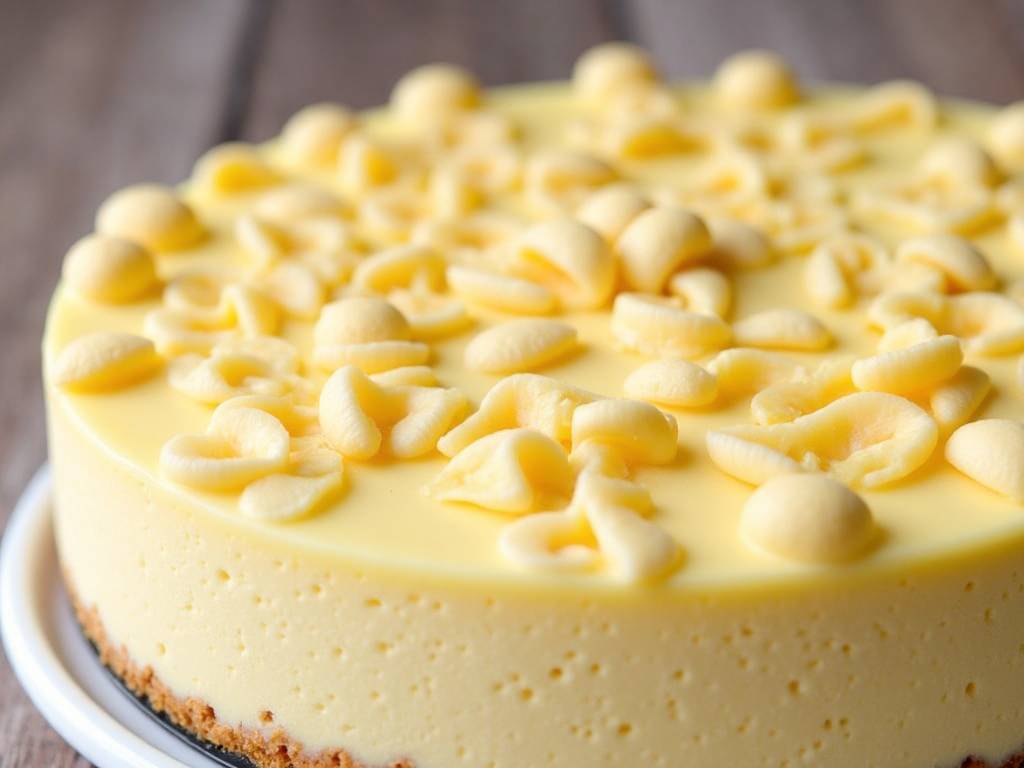
Gathering Your Premium Ingredients
Quality is non-negotiable here. Each component builds the final symphony of flavor.
For the Toasted Macadamia Crust:
- 200g raw macadamia nuts
- 150g digestive biscuits or graham crackers
- 75g unsalted butter, melted
- 1 tablespoon brown sugar (enhances caramelization)
For the Luxurious Cheesecake Filling:
- 900g full-fat, block-style cream cheese, at room temperature (This is crucial. Spreadable tubs have different moisture and stabilizer content.)
- 250g granulated sugar
- 300ml full-fat sour cream
- 200ml heavy whipping cream
- 4 large eggs, at room temperature
- 2 teaspoons pure vanilla bean paste or extract
- 1 tablespoon all-purpose flour (for structure, minimizing cracks)
- The finely grated zest of one lemon (brightens the richness)
- A pinch of fine sea salt
Mastering the Method: A Step-by-Step Journey
Preparing the Foundation: The Toasted Macadamia Crust
First, we build flavor from the ground up. Preheat your oven to 180°C (350°F). Spread the raw macadamia nuts on a baking sheet and toast for 8-10 minutes, until fragrant and lightly golden. Watch closely—nuts burn fast. Let them cool completely. This toasting process, as chef and food scientist Harold McGee explains, develops the oils and transforms their flavor from bland to profoundly buttery and complex.
Pulse the cooled macadamias and biscuits in a food processor until you have fine crumbs with a bit of texture. Transfer to a bowl, stir in the brown sugar, then drizzle with melted butter until the mixture resembles wet sand. Press this firmly and evenly into the bottom and slightly up the sides of a 9-inch springform pan. Bake for 10 minutes, then set aside to cool. Reduce the oven temperature to 160°C (325°F).
Crafting the Silken Filling
Now, for the heart of the operation. Using a stand mixer with the paddle attachment (or a hand mixer on low), beat the cream cheese until it is completely smooth, creamy, and free of any lumps. This may take 3-4 minutes. Scrape down the bowl thoroughly.
Gradually add the sugar with the mixer on low, beating just until incorporated. Over-beating here incorporates too much air, which can lead to cracks. Next, blend in the sour cream, heavy cream, vanilla, lemon zest, and salt. The high-fat content of the sour cream and heavy cream is what creates that signature rich milk aroma and mouthfeel.
Add the eggs, one at a time, mixing on the lowest speed after each addition until just combined. Finally, sprinkle in the flour and mix for 5 seconds. The goal is a homogeneous, satiny batter, not an aerated one. Pour the filling over your cooled crust.
The Art of the Perfect Bake
Place the springform pan into a larger roasting pan. Pour hot water into the roasting pan until it comes halfway up the sides of the springform pan. This water bath (bain-marie) is the professional’s secret to even, gentle heat, preventing the edges from overcooking before the center sets. It’s the single best technique for a crack-free surface.
Bake for 65-75 minutes. The cake is done when the edges are set but the center—about a 3-inch diameter—still has a slight, gentle wobble when you nudge the pan. Turn off the oven, crack the door open with a wooden spoon, and let the cake cool slowly in the oven for one hour. This gradual temperature change further prevents shocking and cracking.
Remove from the oven and water bath, then run a thin knife around the edge to release it from the pan (this allows it to contract freely as it cools). Let it cool completely on a rack before refrigerating, uncovered, for at least 8 hours, preferably overnight. This prolonged chill is non-negotiable; it allows the flavors to meld and the texture to achieve its final, perfect creaminess.
Serving and Savoring Your Creation
Unmold the cheesecake. For clean slices, dip a sharp knife in hot water and wipe it dry between each cut. I recommend serving it simply, perhaps with a drizzle of salted caramel or a few extra chopped, toasted macadamias for crunch. Each bite should deliver the creamy tang of cheesecake, followed by the deep, buttery resonance of macadamia and that lingering, luxurious rich milk aroma from the premium dairy.
Frequently Asked Questions
Can I use pre-toasted or salted macadamia nuts? I strongly advise against it. Pre-toasted nuts are often stale, and salted nuts will make your crust unpredictably salty. The raw-to-toasted journey in your own oven guarantees maximum freshness and flavor control.
My cheesecake developed a crack. Did I fail? Absolutely not! A crack simply means the cake cooled too quickly or was slightly over-baked. It tastes just as divine. Next time, ensure your water bath is hot, don’t over-mix the batter, and don’t skip the slow cool-down in the oven. A crack is a badge of homemade honor, easily covered with a topping.
Can I make this gluten-free? Easily. Substitute the digestive biscuits with a gluten-free alternative and ensure your flour is a gluten-free 1:1 blend. The structure of this cake relies more on the eggs and dairy, so it adapts beautifully.
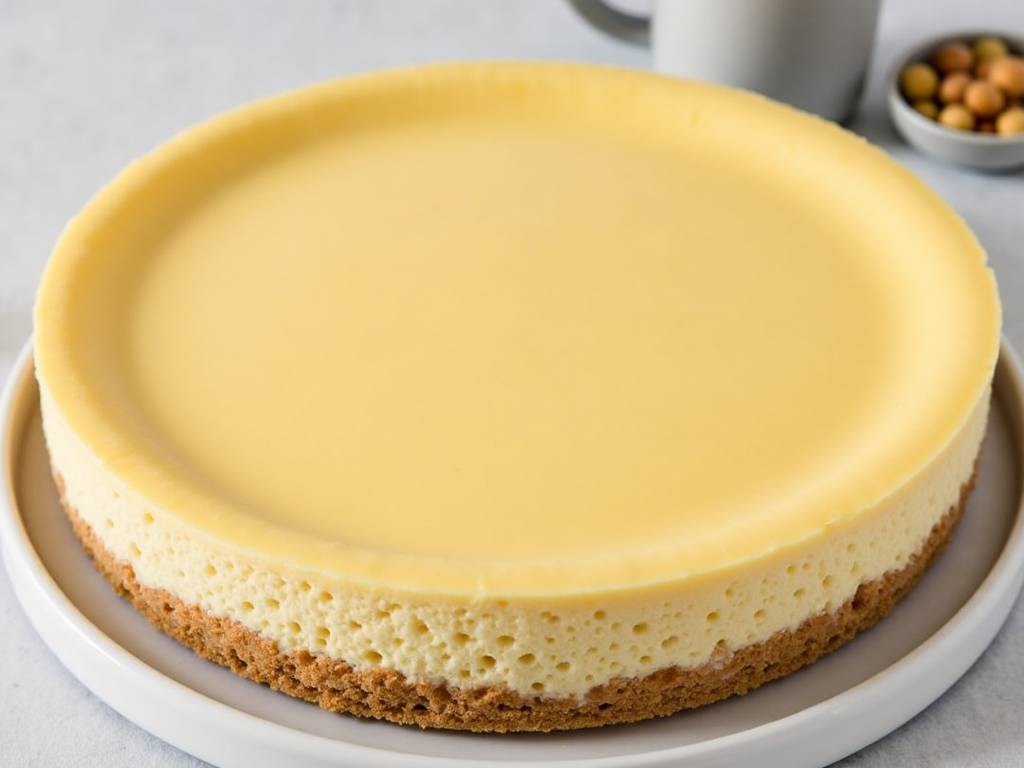
Creating this Macadamia Cheesecake is an exercise in patience and precision, but the reward is immense. It’s a dessert that commands attention, from its fragrant, nutty crust to its impossibly creamy center. By understanding the ‘why’ behind each step—the toasting, the room-temperature ingredients, the water bath, the slow chill—you elevate your baking from following instructions to mastering technique. This cake is more than a treat; it’s a testament to the beautiful results that come from respecting the process and using quality ingredients. Now, go forth and bake with confidence.
⚠️ 温馨提示:本款蛋糕含糖量较高,高血糖/糖尿病患者请谨慎食用。





