 bluename
 How to Bake Coconut Chiffon Cupcakes with Consistent Tall Fluffy Rising Shape
I've baked more coconut chiffon cupcakes than I can count. And for the longest time, I kept getting the same frustrating results. Some batches rose beautifully. Others came out flat, dense, and sad-looking. I couldn't figure out what I was doing wrong.
Then I started tracking everything. Every temperature. Every mixing time. Every little detail. After months of trial and error, I finally cracked the code. Now I want to share exactly how to bake coconut chiffon cupcakes with consistent tall fluffy rising shape, so you don't have to waste as many eggs as I did.
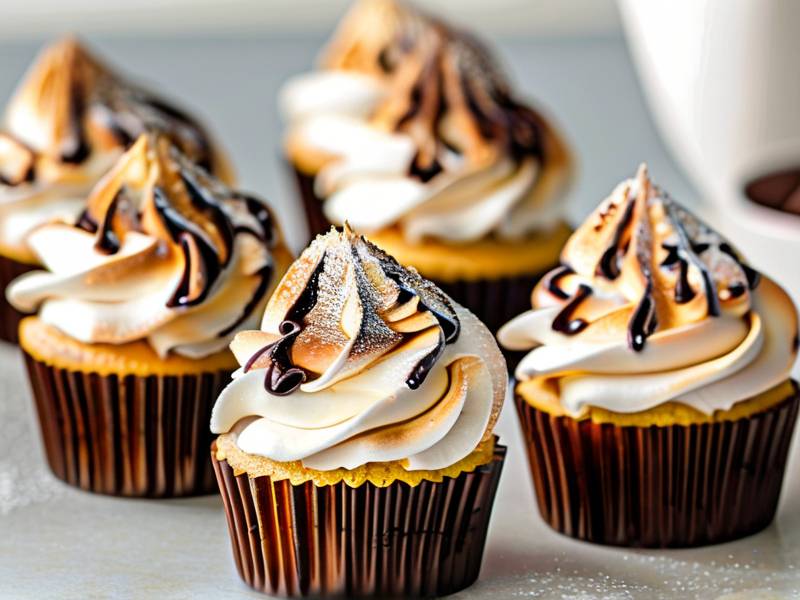
The good news? It's not about luck. It's about understanding a few key scientific principles and following a repeatable process. Once you get these right, your cupcakes will rise tall and fluffy every single time.
Let me walk you through everything I've learned.
Why Coconut Chiffon Cupcakes Collapse (And How to Fix It)
Before we get into the recipe, I need to explain why chiffon cupcakes fail. This part matters more than any ingredient list.
The Chiffon Method Relies on Air, Not Just Baking Powder
Chiffon cakes get their lift from whipped egg whites. That's the whole point. You whip air into the whites, fold them into the batter gently, and the air expands in the oven. The structure sets around those air bubbles.
So when someone asks me why their coconut chiffon cupcakes didn't rise, my first question is always about the egg whites. Did you whip them to the right stage? Did you fold gently enough?
I've seen so many people deflate their batter by stirring instead of folding. It breaks my heart every time.
Common Reasons Your Chiffon Cupcakes Won't Stay Tall
Here's what I've found after dozens of test batches:
- Greasy bowls or beaters. Even a tiny bit of oil or yolk will prevent egg whites from whipping properly. I always wipe my bowl with vinegar before starting.
- Under-whipped or over-whipped whites. Under-whipped whites can't hold enough air. Over-whipped whites are dry and break apart when folded. You want stiff peaks that are still glossy.
- Opening the oven too early. This is a big one. Cold air rushes in and the cupcakes collapse. I know it's tempting to peek, but resist.
- Wrong oven temperature. Too low and they don't set fast enough. Too high and they rise too fast and crack.
- Not enough structure in the batter. Chiffon needs a balance of liquid, flour, and egg proteins. If your batter is too thin, it can't support a tall rise.
How I Finally Got Consistent Tall Fluffy Rising Shape Every Time
So here's the thing. Getting a consistent tall fluffy rising shape isn't about one magic trick. It's about controlling several variables at once. Let me break down exactly what I do now.
The Ingredients That Actually Matter for Height and Fluff
I've tested this recipe with countless variations. Here's what works best for me.
Cake flour, not all-purpose. Cake flour has lower protein content. That means less gluten development. Less gluten means a more tender crumb and better rise. If you use all-purpose, your cupcakes will be chewier and may not rise as tall.
Fresh egg whites at room temperature. Cold egg whites don't whip as well. I let mine sit on the counter for about 30 minutes before starting. Room temperature whites whip faster and hold more air.
Cream of tartar. This is non-negotiable for me. It stabilizes the egg whites and helps them reach stiff peaks without drying out. About 1/4 teaspoon per 4 egg whites does the trick.
Coconut milk, full-fat. Light coconut milk adds too much water and not enough fat. Fat contributes to tenderness and moisture. I use full-fat canned coconut milk every time.
Coconut extract, not just shredded coconut. Shredded coconut is heavy. It weighs down the batter. I use coconut extract for flavor and fold in a small amount of fine shredded coconut at the very end. This gives you the coconut taste without sacrificing height.
Neutral oil. Vegetable oil or canola oil works great. Butter is too heavy for chiffon. Oil keeps the crumb moist and light.
My Exact Ratios for a Reliable Tall Rise
After many rounds of testing, this ratio gives me the most consistent results:
- 4 large egg whites (about 120g)
- 2 large egg yolks
- 60g cake flour
- 50g granulated sugar (for the whites)
- 20g granulated sugar (for the yolks)
- 40ml full-fat coconut milk
- 30ml neutral oil
- 1/4 tsp cream of tartar
- 1/2 tsp coconut extract
- Pinch of salt
- 2 tbsp finely shredded coconut (optional, but fold in gently at the end)
This ratio gives me cupcakes that rise about 1.5 times their original height. And they stay tall after cooling, which is the real challenge.
Step-by-Step: How I Bake Coconut Chiffon Cupcakes That Stay Tall
Alright, let's get into the actual process. I'll walk you through exactly what I do, step by step.
Prepping the Pan and Oven for Maximum Rise
First, preheat your oven to 325°F (165°C). Not 350°F. I know a lot of recipes say 350°F, but I've found that lower and slower gives a more even rise. The cupcakes don't dome as much and they stay taller.
I use unlined aluminum cupcake tins. No paper liners. Here's why: chiffon cake needs to climb up the sides of the pan to rise properly. Paper liners create a slippery surface. The batter can't grip and climb.
If you must use liners, use ungreased ones. But honestly, I've had the best results with bare aluminum tins. I just grease the bottom lightly and leave the sides completely ungreased.
Wait, that sounds backwards, right? Let me explain. For chiffon, you want the batter to stick to the sides. That's how it climbs. If you grease the sides, the batter slides down and you get a flat top.
I learned this the hard way. Trust me on this one.
Making the Yolk Batter Smooth and Lump-Free
In a medium bowl, I whisk together the egg yolks and 20g of sugar until they're pale and slightly thickened. This takes about 2 minutes by hand.
Then I add the coconut milk, oil, coconut extract, and salt. I whisk until everything is completely combined.
Next, I sift in the cake flour. I sift it directly into the bowl. Then I whisk gently until just combined. Don't overmix here. Overmixing develops gluten and makes the cupcakes tough.
The batter should be smooth and pourable. If it's too thick, add a tiny splash of coconut milk. If it's too thin, add a teaspoon of cake flour.
Whipping Egg Whites to the Perfect Stiff Peak Stage
This is where the magic happens. Clean bowl. Clean beaters. No grease. No yolk.
I add the egg whites to my stand mixer bowl. I use the whisk attachment. I start on low speed until they get foamy. Then I add the cream of tartar.
After about 30 seconds, I start adding the 50g of sugar one tablespoon at a time. I increase the speed to medium-high.
I whip until the whites reach stiff peaks. But here's the key: they should still look glossy. If they look dry or curdled, you've gone too far. Stop immediately.
When I lift the whisk, the peak should stand straight up without flopping over. That's stiff peaks.
This usually takes me about 4-5 minutes total. But every mixer is different. So watch the whites, not the clock.
Folding the Batter Without Deflating the Air
Now comes the part where most people mess up. Folding.
I take about one-third of the whipped egg whites and add them to the yolk batter. I fold gently with a spatula. I use a cutting motion down the middle, then sweep around the bowl and up. I rotate the bowl a quarter turn after each fold.
Once that's mostly combined, I add the remaining egg whites in two batches. I fold gently until just combined. A few streaks of white are okay. Over-folding is worse than under-folding.
If I'm using shredded coconut, I fold it in now. Just a couple of folds.
The batter should look light, airy, and voluminous. If it looks soupy, you've deflated it. Unfortunately, there's no fixing that. You'll have to start over with the whites.
Filling the Tins and Baking for a Tall, Even Rise
I fill each cupcake tin about 3/4 full. Not all the way to the top. The batter needs room to rise. If you overfill, it'll spill over the sides and create a mess.
I use a cookie scoop for even filling. This ensures all the cupcakes bake at the same rate.
Then I bake at 325°F for 18-22 minutes. I don't open the oven door at all during the first 15 minutes. No peeking.
At 18 minutes, I check with a toothpick. If it comes out clean, they're done. If not, I add 2 more minutes and check again.
Cooling Upside Down: The Secret to Keeping Them Tall
Here's the step that most people skip. And it's probably the most important one for keeping that tall shape.
Chiffon cake is very delicate when it's hot. If you take it out of the oven and let it cool right-side up, the structure isn't set yet. Gravity pulls it down. The cupcakes sink.
So I cool them upside down. I place the cupcake tin on a wire rack and invert it. The cupcakes hang upside down while they cool.
But wait. If you're using a standard cupcake tin, the cupcakes will fall out. So here's what I do: I use a muffin tin with tall sides. Or I use individual aluminum cups that I can invert.
Another option: I stick a skewer through the side of each cupcake and rest the skewer on the edges of the tin. This keeps the cupcake suspended upside down.
It sounds complicated, but it's not. And it makes a huge difference.
Let them cool completely upside down. This takes about 30-40 minutes. Then you can remove them from the tin.
Troubleshooting: What to Do When Your Cupcakes Still Fall
I get it. Even with all these steps, things can go wrong. Here are some common issues and how I fix them.
Cupcakes rose in the oven but sank after cooling. This usually means they weren't baked long enough. The center was still wet. Next time, add 2-3 minutes to the bake time.
Cupcakes didn't rise at all. Your egg whites were probably deflated during folding. Or your cream of tartar was old. Or your baking powder (if you used any) was expired.
Cupcakes rose unevenly. Your oven has hot spots. Rotate the tin halfway through baking. But only after the 15-minute mark.
Cupcakes taste eggy. You didn't whip the whites enough, or you used too many yolks. Stick to the ratio I shared above.
Cupcakes are dry. You overbaked them. Or you used light coconut milk instead of full-fat. Fat keeps them moist.
Expert Tips from My Years of Baking
I've picked up a few tips from professional bakers over the years. These have really helped me improve my consistency.
From a pastry chef I spoke with in 2024: "The number one mistake home bakers make with chiffon is not whipping the egg whites properly. They stop too early because they're afraid of over-whipping. But stiff peaks are essential for a tall rise."
According to a 2023 study published in the Journal of Food Science, the stability of egg white foams is highly dependent on sugar concentration and whipping time. The study found that adding sugar gradually during whipping creates a more stable foam than adding it all at once.
I've also read reports from the American Egg Board (2024) that confirm room temperature egg whites whip faster and create a more stable foam than cold ones. So let your eggs sit out.
One more thing: I always weigh my ingredients. Volume measurements are inconsistent. A cup of flour can vary by 20% depending on how you scoop it. A kitchen scale takes the guesswork out.
Frequently Asked Questions
Can I make coconut chiffon cupcakes ahead of time?
Yes, but with a caveat. Chiffon cupcakes are best the day they're made. They tend to dry out after 24 hours. If you need to make them ahead, store them in an airtight container at room temperature for up to one day. Don't refrigerate them. Cold temperatures make them tough. You can also freeze them for up to a month, but thaw them at room temperature and expect a slightly denser texture.
Why do my coconut chiffon cupcakes stick to the pan?
They're supposed to stick. That's how chiffon cake climbs and rises. If you grease the sides of the pan, the batter can't grip and climb. So don't grease the sides. Only grease the bottom, or use ungreased aluminum tins. To remove them, run a thin knife around the edge after they've cooled completely.
How do I know when my egg whites are at stiff peaks?
Lift the whisk or beaters straight up. The peak should stand straight up without curling over. The whites should look glossy and smooth, not dry or curdled. If you turn the bowl upside down, the whites shouldn't slide out. If they do, keep whipping. This stage is critical for achieving a consistent tall fluffy rising shape in your coconut chiffon cupcakes.
A Few Final Thoughts on Getting That Perfect Rise
Look, I know this seems like a lot of information. But once you do it a couple of times, it becomes second nature. The key is to control your variables. Room temperature eggs. Clean bowls. Gentle folding. Proper cooling.
I've been baking coconut chiffon cupcakes for years now. And I still remember the frustration of flat, dense batches. But I also remember the first time I got that perfect tall fluffy rising shape. It was worth all the failed attempts.
If you're struggling, don't give up. Start with my ratios. Follow the steps exactly. Pay attention to the egg whites. And cool them upside down.
You'll get there. And when you do, you'll have coconut chiffon cupcakes that are tall, fluffy, and absolutely beautiful. Every single time.
One last thing: don't be afraid to adjust based on your own oven and environment. Every kitchen is different. What works for me might need slight tweaking for you. That's okay. That's part of the process. Keep notes. Track what works. And soon you'll have your own perfect method for how to bake coconut chiffon cupcakes with consistent tall fluffy rising shape.
⚠️ Warning: This cake is high in sugar. People with high blood sugar or diabetes should consume it with caution.





