 bluename
 How to Thin Fruit Compote for a Perfect Vertical Drizzle Down Frosted Cake Sides
I still remember the first time I tried to decorate a frosted cake with fruit compote. It was a disaster. My compote was too thick, so instead of a graceful vertical drizzle down the sides, I got clumps. They plopped down in ugly blobs. The cake looked messy. I felt so frustrated.
If you've ever tried to thin fruit compote for drizzling, you probably know this pain. You want that beautiful, glossy drip. You want it to run smoothly down the frosting. But the texture just isn't right. It's either too thick and won't budge, or too thin and it soaks right in.
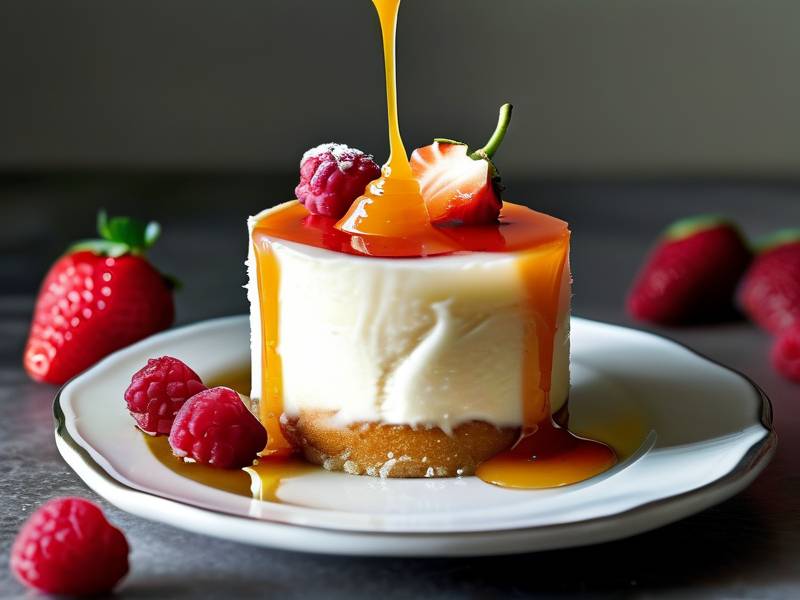
The secret is all in the consistency. You need to learn how to thin fruit compote so it becomes the perfect drizzle. Then you can master the technique of a vertical drizzle down frosted cake sides. It sounds fancy, but it's simple once you know the rules.
I've been baking and decorating cakes for over a decade. I've made every mistake possible. I've wasted countless batches of compote. I've ruined more buttercream finishes than I care to admit. But I finally figured out the exact steps. I want to share them with you.
This guide is for anyone who wants to make a stunning cake at home. You don't need professional tools. You just need a little patience and the right method. I'll walk you through thinning your compote. Then I'll show you how to drizzle it perfectly. Let's fix this together.
Understanding the Right Consistency for a Drizzle
The biggest mistake I see is people trying to drizzle cold compote. You cannot thin fruit compote properly if it's straight from the fridge. Cold compote is stiff. It will never flow. It will just sit on top of your cake in a lump.
You need to bring your compote to room temperature first. This is step one. It takes about 30 minutes on the counter. If you're in a hurry, you can gently warm it in a saucepan. Use low heat. Stir constantly. Don't let it simmer. You just want it warm to the touch, not hot.
Once it's warm, check the texture. Spoon some up. Let it fall back into the bowl. Does it flow off the spoon in a slow ribbon? Or does it plop? If it plops, it's too thick. If it runs off like water, it's too thin.
For a vertical drizzle, you want a consistency like warm honey. It should hold its shape slightly when you lift the spoon. But it should also flow in a steady, controllable stream. This is the sweet spot. This is what you're aiming for.
I always test my compote on a small plate first. I put a dollop on a chilled plate. This mimics the temperature of a frosted cake. I tilt the plate. If the compote runs down slowly and leaves a nice trail, it's perfect. If it stops moving, it's too thick. If it disappears into a puddle, it's too thin.
You might be wondering, "Can I just use any fruit compote?" The answer is mostly yes. Strawberry, raspberry, blueberry, cherry, apricot—they all work. But some fruits have more natural pectin. Pectin makes them thicker. Berries tend to be thicker. Stone fruits like peaches and plums are usually thinner.
So you'll need to adjust your thinning liquid based on the fruit. A thick cherry compote might need more liquid than a thin peach compote. You'll learn to eyeball it. Trust your gut. But always start with less liquid. You can always add more. You cannot take it out.
The Tools You Need to Thin Fruit Compote Successfully
You don't need a lot of fancy equipment. But having the right tools makes a huge difference. I learned this the hard way. I used to try thinning compote in a deep mixing bowl. It was impossible to see the texture. I ended up adding way too much liquid.
Here is what I use now. It's a simple list. You probably have most of these things already.
First, you need a small saucepan. A heavy-bottomed one is best. It heats evenly. This prevents scorching. Scorched compote tastes bitter. You don't want that.
Second, get a silicone spatula. It's perfect for stirring. It scrapes the sides of the pan clean. It doesn't scratch your cookware. I use mine for everything.
Third, you need a liquid for thinning. There are many options. Water is the simplest. But it dilutes the flavor. I prefer using fruit juice. Use the same juice as the fruit in your compote. Cherry compote? Use cherry juice. Peach compote? Use peach nectar. This boosts the fruit flavor instead of watering it down.
You can also use a simple syrup. It's just equal parts sugar and water. It adds sweetness and liquid. But be careful. If your compote is already very sweet, this might make it too sugary.
Another option is a liqueur. A little bit of Chambord in raspberry compote is heavenly. A splash of amaretto in cherry compote is amazing. But remember, alcohol doesn't cook off completely when you're just warming. So it adds a distinct flavor. Use it sparingly.
Finally, you need a fine-mesh strainer. This is optional. But it's great for making a smooth drizzle. If your compote has seeds or big chunks, straining it makes it more liquid. It removes the solids. This gives you a beautiful, clear glaze. I use this method for raspberry compote because I hate seeds in my frosting.
A small whisk is also helpful. It ensures your thinning liquid is fully incorporated. No lumps allowed.
Now, let's talk about the frosting on your cake. The type of frosting matters. If you have a crusting buttercream, it will absorb some liquid. You need a thicker compote for that. If you have a Swiss meringue buttercream, it's more delicate. It can handle a slightly thinner drizzle. But a very thin compote will bead up and roll off. It won't stick.
I learned this the hard way with a whipped cream cake. My compote was too thin. It just slid right off the sides. The cake looked naked. It was so sad. So always consider your frosting.
Step-by-Step: How to Thin Fruit Compote for a Drizzle
Alright, let's get into the actual process. This is where I'll show you how to thin fruit compote. It's not complicated. But it requires a gentle hand. Follow these steps closely.
Start with your compote in a small saucepan. It should be at room temperature or slightly chilled. Turn the heat to low. You want a gentle warmth. You are not cooking the compote. You are just loosening it up.
Stir it constantly with your spatula. Break up any large chunks. You want a smooth, even texture. As it warms, it will naturally become thinner. This might be enough. If your compote is only slightly thick, just warming it can fix the problem. You might not need to add any liquid at all.
If it's still too thick, it's time to add liquid. This is the critical moment. Do not pour. You will regret it. I promise you.
Instead, dip a spoon into your thinning liquid. Drizzle just a tiny amount over the compote. Maybe a teaspoon. No more. Then stir. Stir for a full 30 seconds. The liquid needs to fully absorb. You can't judge the texture until it's mixed in.
Check the consistency again. Spoon test. Does it flow? If not, add another teaspoon. Stir again. Repeat this process. It might take a few minutes. Be patient. This is the secret to success. Adding liquid a little at a time.
I remember one time I got impatient. I poured a quarter cup of juice into my strawberry compote. It turned into soup. I tried to fix it by adding cornstarch. But then it got gluey. I had to throw the whole batch away. It was a waste. Don't be like me. Go slow.
Once you reach the perfect consistency—the warm honey texture—remove the pan from the heat. Don't let it keep warming. It might reduce and thicken again.
Now, if you want a very smooth drizzle, pour the compote through a fine-mesh strainer. Use your spatula to push the liquid through. Discard the solids left in the strainer. You'll be left with a gorgeous, glossy syrup. This is perfect for a vertical drizzle down frosted cake sides.
Let the strained compote cool for just a minute. You want it warm, but not hot. If it's too hot, it will melt your frosting. That's a whole other problem. A warm compote is ideal. It flows beautifully.
If you accidentally made it too thin, don't panic. You can fix it. Return the compote to the saucepan. Add a small amount of cornstarch slurry. That's equal parts cornstarch and cold water. Whisk it in. Warm gently. Stir constantly. It will thicken. But you have to cook it for a minute to activate the starch. Just be careful not to overdo it. You can always add more slurry. You can't take it out.
The Art of the Vertical Drizzle Down Frosted Cake Sides
Now comes the fun part. You have your perfectly thinned compote. Your cake is frosted and chilled. You are ready to create that stunning vertical drizzle. This is the technique that makes people say "wow." It looks professional. But it's actually very simple.
First, make sure your cake is cold. The frosting should be firm to the touch. If it's soft, the compote will run uncontrollably. It will pool at the bottom. I always chill my frosted cake for at least an hour. Sometimes two. This sets the frosting. It gives you a firm canvas.
Place your cake on a turntable. This is a game-changer. You don't need a fancy one. A basic $20 turntable works fine. It allows you to spin the cake as you drizzle. This creates an even, continuous line. If you don't have a turntable, you can use a cake stand. Just rotate it manually.
Now, get your compote into a squeeze bottle. This is the easiest way to control the drizzle. You can also use a piping bag with a very small tip. Or even a ziplock bag with the corner snipped off. But a squeeze bottle gives you the most control. I use a simple plastic squeeze bottle. I got it at a craft store.
Fill the bottle with your warm compote. Don't fill it all the way to the top. You need room to squeeze. Wipe the tip clean.
Hold the bottle directly over the top edge of the cake. You want to start at the very top. Squeeze gently. Let a small bead of compote form. Then, slowly start to move the bottle down the side of the cake. Go straight down. A vertical line.
The key is speed and pressure. If you squeeze too hard, you'll get a thick blob. If you move too fast, you'll get a thin, broken line. You want a steady, even stream. Let gravity help you. You don't need to push the compote down. Just guide it.
I like to do one vertical line at a time. I start at the top. I go straight down to the bottom. Then I stop squeezing. I pull the bottle away quickly. This creates a clean break. A little tail might form. That's okay. It looks artistic.
Wipe the tip of the bottle clean with a paper towel between each line. This prevents drips and messes. Trust me, it's worth the extra second.
Now, spin your turntable. You want to create multiple vertical lines. They should be evenly spaced. I like to do one line every inch or two. It depends on the size of your cake. A small cake might need 6-8 lines. A larger cake might need 12 or more.
You can also do a single vertical line for a minimalist look. Or you can cluster them. Some people like a "drip" effect. That's where the compote runs down just a little bit. That's different from a full vertical drizzle. For a full vertical drizzle, you go all the way down.
As you work, the compote in the bottle will cool. It might thicken. If it does, just put the bottle in a bowl of warm water for a minute. Shake it. It will loosen back up.
Here is a tip for a really professional look. Slightly overlap the lines. Start your next line just a hair to the right of the previous one. This creates a beautiful, continuous curtain effect. It's stunning.
But don't overdo it. The compote should be a decoration. It shouldn't cover the entire cake. You want to see the frosting. The drizzle is an accent. It's a pop of color and flavor.
Once you've finished drizzling, let the cake sit for a few minutes. The compote will set slightly. It will cling to the frosting. Then you can serve it. Or you can refrigerate it. But if you refrigerate it, the compote might become too firm. It might crack when you cut it. So I prefer to serve it within a few hours.
I made a chocolate cake with cherry compote drizzle last week. It was a hit. My friends couldn't stop talking about how beautiful it was. They thought I spent hours on it. But it only took me five minutes to do the drizzle. The thinning process took the longest. But that's the important part.
Troubleshooting Common Drizzle Problems
Even with the best instructions, things can go wrong. I've been there. I've cried over a ruined cake. Okay, maybe not cried. But I've been really upset. Let me help you avoid these common pitfalls.
Problem: My compote is too thick. It won't flow down the sides. Solution: It's not warm enough. Gently warm it in a saucepan. Or add a teaspoon of juice and stir. Repeat until it flows.
Problem: My compote is too thin. It runs right off the cake. Solution: You added too much liquid. You can fix this. Return the compote to a saucepan. Add a cornstarch slurry. Whisk and warm gently. It will thicken. Or, you can just use it as a sauce on the plate instead of on the cake. No shame in that.
Problem: My drizzle is lumpy. Solution: You didn't strain it. For a smooth drizzle, you must strain the compote. Use a fine-mesh strainer. Push it through with a spatula. This removes seeds and chunks.
Problem: The compote is melting my frosting. Solution: Your compote is too hot. Let it cool down. It should be warm, not hot. If your frosting is very delicate, like whipped cream, you need to be extra careful. A thin drizzle of cold compote might be better. But it won't flow as well. It's a trade-off.
Problem: The drizzle looks messy on the cake board. Solution: This is normal. But you can prevent it. Tuck strips of parchment paper under the cake before you start drizzling. When you're done, pull the strips out. The board stays clean. It's a magic trick.
Problem: The compote is too sweet. Solution: Use a fruit juice that isn't sweetened. Or use water. You can also add a squeeze of lemon juice. It balances the sweetness. It brightens the flavor.
I once made a blueberry compote that was so sweet it hurt my teeth. I added a tablespoon of lemon juice. It made a huge difference. It was perfect after that.
FAQ: Your Top Questions Answered
Can I thin fruit compote with water instead of juice? Yes, you can. But water will dilute the flavor. I only use water in a pinch. I prefer to use fruit juice or even a little simple syrup. It keeps the flavor intense. If you use water, add a tiny squeeze of lemon or a drop of vanilla extract to boost the taste.
What is the best way to create a vertical drizzle down frosted cake sides without a squeeze bottle? You can use a piping bag with a small round tip. Or a ziplock bag with the very tip of the corner cut off. The key is to have a small opening. A large opening will release too much compote. You won't get a fine, vertical line. A squeeze bottle is still my top choice for control. It's inexpensive and reusable.
How do I prevent my thin fruit compote from pooling at the bottom of the cake? First, make sure your cake is very cold. The frosting needs to be firm. Second, don't make the compote too thin. It should be like warm honey. Third, work quickly. Don't let the compote sit on the cake for too long before serving. If pooling happens, you can use a paper towel to gently dab the bottom edge. But prevention is better. A chilled cake and the right consistency are your best tools.
Final Thoughts on Mastering the Drizzle
Learning how to thin fruit compote correctly is a skill. It takes a little practice. But once you get it, you'll be able to decorate cakes like a pro. The key is patience. Warm the compote gently. Add liquid a tiny bit at a time. Strain it for a smooth finish. And always chill your cake before you drizzle.
I still make mistakes sometimes. Just last month, I got distracted and poured too much juice into a raspberry compote. It was too thin. But I didn't throw it out. I strained it and used it as a sauce for ice cream. It was delicious. So even a "mistake" can be a happy accident.
Don't be afraid to experiment. Try different fruits. Try different juices. Try a little liqueur. You'll find your favorite combination. And you'll develop your own rhythm for the vertical drizzle down frosted cake sides.
The most important thing is to enjoy the process. Baking should be fun. It shouldn't be stressful. If your drizzle isn't perfect, that's okay. It will still taste amazing. Homemade cakes are always better than store-bought. They have love in them.
So go ahead. Make that compote. Thin it carefully. Drizzle it beautifully. And then slice a big piece for yourself. You deserve it.
⚠️ Warning: This cake is high in sugar. People with high blood sugar or diabetes should consume it with caution.





