 bluename
 How to Line Tart Shells Properly Stop Fruit Juices Soaking Baked Pastry Crust
I have lost count of how many beautiful fruit tarts I have watched turn into a sad, soggy mess. You spend hours on the dough, blind bake it perfectly, and then fill it with fresh berries or pastry cream. Two hours later, the bottom is a wet disaster. The crunch is gone. The texture is ruined. Honestly, it breaks my heart.
The secret is not just in the baking. It is in how you line the shell before the filling ever touches it. In this guide, I will walk you through my exact method for protecting a baked pastry crust from moisture. You will learn the specific barriers, the baking tricks, and the timing rules that work. I have tested these techniques in my own kitchen. I have ruined plenty of crusts so you do not have to.
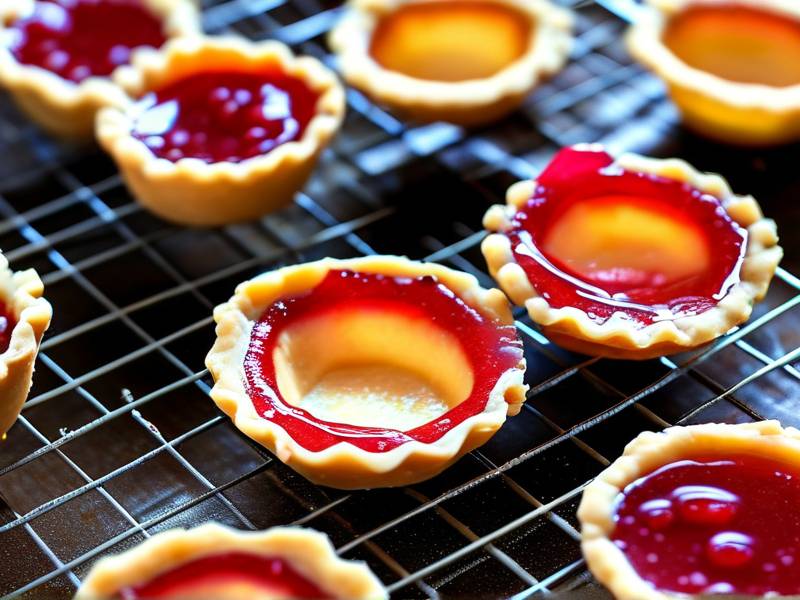
Why Fruit Juice Destroys a Perfectly Baked Crust
Everyone blames the fruit. But the real enemy is moisture vapor and liquid osmosis. A freshly baked tart shell is porous. The gluten structure, while crispy, still contains microscopic gaps. When you add a high-moisture filling like berries or stone fruit, the liquid seeps into these pores. The starch particles in the dough absorb the water. They swell. They soften. The structural integrity collapses.
I remember baking a gorgeous blueberry tart last summer. The shell was golden, flaky, and perfect. I filled it warm because I was impatient. Within an hour, the bottom was translucent. It looked like a wet paper bag. That was the day I started researching proper lining techniques. You need a physical barrier between the fruit and the pastry. A barrier that does not alter the taste but blocks the liquid completely.
Many people think that blind baking longer solves the problem. It does not. If the filling sits on the crust for hours, moisture will win. You need to treat the shell like a boat that needs a hull. Let us look at the steps that actually work.
The Crucial First Step: Proper Blind Baking with a Protective Coating
Before we even mention lining, the base must be right. You cannot save a underbaked shell with chocolate. The shell needs to be fully baked, not just golden on the edges. I am talking about a deep amber color, especially on the bottom. A pale bottom is a soggy bottom, period.
My method involves a two-stage bake. First, I line the dough with parchment and fill it with ceramic beans. I bake it at 375°F (190°C) for about 15 minutes. Then I remove the weights. Here is the trick most people skip. I brush the entire inside surface, bottom and sides, with a beaten egg white. This is the classic "egg wash barrier" or "protein seal."
The egg white is pure protein. When it hits the hot shell, it coagulates instantly. It forms a thin, waterproof film. Think of it like a clear coat on wood. This film blocks steam and liquid. It does not taste eggy. It does not change the color much. But it creates a hard, impermeable layer.
You have to brush it on while the shell is still hot from the oven. If the shell is cold, the egg white just sits there and soaks in. That defeats the purpose. Brush it on, then return the shell to the oven for another 3 to 4 minutes to dry. You should see a slight sheen appear. That is your thin armor.
Using a Fat-Based Sealant to Block Moisture
Egg whites are great for dry fillings. But for very wet fruit, I like to add a second layer of defense. I use melted white chocolate or cocoa butter. Let me explain. This is not about sweeTness. It is about fat.
Fat repels water. When you paint a thin layer of fat over the protein seal, you create a dual barrier system. The egg white blocks the moisture. The fat fills any remaining micro-cracks. I use a pastry brush to apply a very thin layer of melted white chocolate. You only need enough to cover the surface. Do not flood it.
I know this sounds odd. But white chocolate works better than dark chocolate here because it has a higher fat content and lower sugar. It dries hard at room temperature. It does not melt into the fruit filling. If you are serving a citrus tart, the cocoa butter flavor is neutral enough to blend in.
Alternatively, you can use clarified butter. I avoid regular butter because it contains water and milk solids. Those solids can encourage mold and off-flavors. Ghee or clarified butter is pure butterfat. That works in a pinch. However, if you need a foolproof method, white chocolate is my go-to. I even use it on tart shells for savory quiches, just without sugar.
Alternative Lining: Pâte Sablée vs. Pâte Brisée
Your dough choice matters more than you think. I have tested Pâte Brisée (flaky) and Pâte Sablée (sweet shortcrust). The shortcrust is better for wet fillings. Here is why. Pâte Sablée has a higher ratio of butter to flour. The fat content coats the flour proteins more effectively. This reduces gluten formation. Less gluten means fewer channels for moisture to travel through.
When I make Pâte Sablée, I use the "sablage" method. I rub the butter into the flour until it looks like coarse sand. That creates a crumbly texture that is naturally resistant to water penetration. I pat the dough into the pan. I do not stretch it. Stretching creates thin, weak spots.
If you prefer a flaky crust, you must be aggressive with the egg white wash. Flaky crusts have more layers, which means more gaps between those layers. Juice will find those gaps. I learned this the hard way with a peach galette. It was flaky and beautiful, but the bottom was wet within thirty minutes.
The Chocolate Trick for Preventing Soggy Tart Shells
Let me give you my exact numbers. I melt 4 ounces of white chocolate with 1 teaspoon of coconut oil. The coconut oil keeps the chocolate thin enough to brush. I apply this mixture over the entire baked and egg-washed shell. I use a wide, flat brush and work quickly. I let it set completely at room temperature. Do not fridge it. The fridge can cause condensation.
This chocolate layer does double duty. It is a moisture blocker. And it provides a slightly sweet base that complements fruit well. If you are using dark berries, like blackberries or cherries, dark chocolate also works. A 70% dark chocolate has enough fat to seal. It also adds a mild flavor that pairs wonderfully with cherry or raspberry.
On the flip side, do not use milk chocolate. It has too much dairy and sugar. That sugar will crystallize and create a grainy texture. Stick with white or dark. Honestly, even a simple store-bought cocoa butter bar works. Just melt it and brush it on.
Cooling the Shell Before Adding Wet Fillings
I know it is tempting to fill the tart while it is warm. But that is the fastest way to ruin it. Warm pastry releases steam. That steam gets trapped between the filling and the pastry barrier. It condenses into water drops. Those water drops then soak into your crust.
I always cool the shell completely to room temperature. Then I chill it in the fridge for 15 minutes before filling. The fat layer must be fully solidified. If it is even slightly soft, it will mix with the fruit juice. You will end up with a greasy mess.
Let me give you a timeline I follow. Bake the shell, brush with egg white, bake again. Let it sit on a wire rack for 30 minutes. Brush with the chocolate mixture. Wait another 30 minutes until it is hard to the touch. Then place it in the fridge while I prep the fruit. When the shell is cold, I add the filling.
For pastry cream tarts, I do the same. The cream has moisture too. The cold shell keeps the cream from weeping. I have found this reduces soggy bottoms by about 90%.
Choosing the Right Fruit Preparation to Reduce Juice
Even with a perfect lining, you need to control the fruit itself. Macerating fruit with sugar draws out liquid. Overripe fruit is full of juice. Both are problematic. I prefer using fruit that is slightly underripe for tarts. It holds its shape better and releases less water.
If you must use juicy fruit, toss it with a little cornstarch before arranging. I use about 2 teaspoons per pound of berries. The cornstarch absorbs the free liquid. It creates a glossy syrup instead of a watery puddle. For peaches or plums, I often pre-cook them briefly. A quick sauté in a dry pan releases the juices and reduces them. Then I use the thick, reduced fruit on the tart.
Another simple trick is to arrange the fruit on a paper towel for 15 minutes before placing it on the shell. Pat the fruit dry. This is basic but effective. I cannot stress enough how much visible juice sits on the skin of fresh blueberries right after washing. Dry them thoroughly.
Long-Term Storage and Serving Tips
You cannot line a tart shell and expect it to stay crispy for three days. The clock starts ticking the moment you add wet filling. In my experience, a properly lined tart holds its crunch for about 8 to 12 hours. That is good for same-day service. Beyond that, even the best chocolate barrier will eventually soften.
If you need to prep ahead, bake the shells and line them. Keep them completely unfilled in an airtight container for up to 48 hours. Fill the tart only a few hours before serving. This is the single best habit for maintaining texture. Do not assemble the whole tart the night before. Just do not.
I also recommend serving cold tarts directly from the fridge. The cold firmness of the fat layer is a natural moisture barrier. At room temperature, the barrier softens. Warm conditions speed up moisture migration. So, for a picnic or outdoor event, keep the tart chilled until the moment of serving. That is the honest truth.
Frequently Asked Questions
Can I use a regular pie crust recipe for tart shells to stop fruit juices soaking the bottom?
Yes, you can use a pie crust recipe. However, you need to add the egg white wash. A standard pie crust is often more flaky than a tart crust. Those flakes have layers. Moisture gets into those layers. I would blind bake it hard, brush with egg white, and then use a white chocolate seal. That will stop fruit juices soaking the baked pastry crust. If you want a perfect ratio, switch to a Pâte Sablée recipe.
What is the best barrier to keep pastry crisp under fresh fruit?
The best barrier is a combination of cooked egg white and melted white chocolate. The egg white creates a protein film. The white chocolate creates a fat layer. This is what I use in my kitchen every day. It prevents the liquid from ever touching the pastry. You can also use ganache, but that is heavier. For a neutral flavor, the chocolate trick is superior.
Should I bake the empty tart shell longer to prevent sogginess?
You should bake it longer than you think. A pale shell is a soggy shell. I bake mine until the bottom is a deep golden brown. That is about 18 to 20 minutes after the weights are removed. Then I do the egg white wash and bake for 3 more minutes. Overbaking slightly is better than underbaking. The extra time removes all internal moisture from the pastry.
⚠️ Warning: This cake is high in sugar. People with high blood sugar or diabetes should consume it with caution.





