 bluename
 Alright, let’s talk about something that has wrecked more beautiful batches of buttercream than I care to remember.
You spend twenty minutes whipping up a silky, stable American buttercream. You’ve got the perfect consistency. Then, you grab that gorgeous strawberry reduction or passion fruit puree. You fold it in with confidence. And boom. It looks like scrambled eggs in a bowl.
Curdled. Split. Grainy.
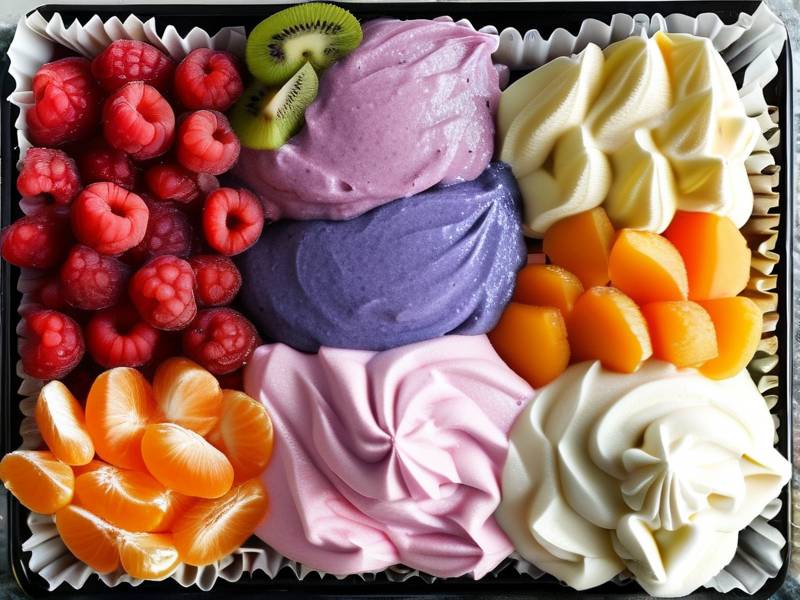
Honestly, I’ve been there. It’s frustrating. The worst part is that you can’t really fix it once it goes too far, or you can, but it’s a pain. So how do you fold fruit puree into buttercream to prevent frosting curdling or splitting? It’s not just about the folding technique, though that matters. It’s about temperature, fat content, and the science of emulsions.
Let me share the exact method I use in my kitchen. It works for mango, raspberry, blueberry, you name it. We’re going to break this down so you never waste another batch of good butter.
Why Buttercream Curdles When You Add Fruit Puree (The Real Culprit)
Before we get to the fix, we need to understand the enemy. Buttercream is an emulsion. Basically, you’ve got fat (butter) suspended in water (or sugar syrup). The structure holds because the fat molecules are stable and the temperature is consistent.
When you add fruit puree, you’re introducing a lot of water and acid. Those are the two biggest threats to your emulsion.
Here is what happens physically. The water in the puree starts to separate the fat from the sugar. The acid in the fruit breaks down the fat structure slightly. If the puree is cold, it solidifies the butter into little hard chunks. If it’s too warm, it melts the butter into a soup.
Simple terms? You’re shocking the system. The buttercream doesn't know how to handle the sudden change in liquid and pH.
The 60/40 Emulsion Rule and Temperature
I learned a long time ago that temperature is 80% of the battle. Your buttercream and your puree need to be close in temperature. I know it sounds like a pain, but it’s the difference between a silky finish and a disaster.
Think about it. If your puree is 40°F (4°C) and your buttercream is 70°F (21°C), that cold liquid hits the fat. The fat seizes up. It creates a lumpy mess. Conversely, if your puree is hot, you get melted butter sliding around.
You want both components to be around 68-72°F (20-22°C). That’s the sweet spot for a stable emulsion.
Also, that acid thing? High-acid fruits like lemon or passionfruit are more likely to break the emulsion than a low-acid fruit like banana. You can’t change the fruit, but you can change how you handle it.
How to Fix or Prevent the Split Before It Starts
If you haven't added the puree yet, let's get you on the right path. The key is to reduce the puree first. Don't just dump in raw blended fruit. That’s throwing a grenade.
Reducing means simmering it on the stove. You’re cooking out excess water. You’re concentrating the flavor. You’re also breaking down some of the pectin. This makes the puree thicker and less watery.
Steps to Prep the Puree:
- Simmer it. Put your puree in a small saucepan.
- Cook it down. Let it bubble gently until it reduces by at least half. You want a thick, jam-like consistency. This isn't about cooking the fruit like a pie filling, just thickening it.
- Cool it completely. This is non-negotiable. Put it in the fridge or set the pan in an ice bath. Get it to about 70°F.
- Force it through a sieve. This removes seeds and any stringy bits. It gives you a smoother texture. I hate biting into a seed in a cupcake frosting.
Once you have a thick, cool, strained puree, you’re ready to fold.
The "Reverse Folding" Technique
Here is where people mess up.
They dump the puree in the center and go crazy with a spatula. Don't do that. You're crushing the air bubbles and creating a mess.
Location matters. I take about one-third of my finished buttercream and put it in a separate clean bowl.
The Mixing Bowl Strategy:
- Add puree to the one-third batch. Mix this small batch aggressively first. Just stir it until it’s fully combined. It might look weird or slightly separated, but that’s okay. This is your base.
- Set that mixture aside.
- Take your main batch of plain buttercream. Add the pre-mixed colored one to the uncolored one.
- Fold gently. Use a rubber spatula. Cut down the middle, scrape the side, and fold over. Do this until it just streaks, then fold a few more times until it’s homogenous.
This method works because you’re creating a more concentrated version first. It reduces the shock to the main batch.
I know this sounds like extra work. But it saves you the heartache of a split batch.
Fixing a Curdled Buttercream (Salvage Steps)
Okay, so maybe it’s too late. You already dumped the puree and now it looks like cottage cheese. Don't throw it out yet. There is a rescue method.
This usually happens when the puree was too cold. The butter is firming up incorrectly. What you need to do is gently warm the entire mixture.
The Double Boiler Recovery:
- Set the bowl over a pot of barely simmering water.
- Stir constantly with a whisk. Just a few seconds. You don't want to melt everything, just warm the edges.
- Take it off the heat immediately.
- Whisk it vigorously by hand. You’re forcing the fat and water back together while it’s slightly warm.
You’ll see it start to come back together and become glossy again. If it’s still lumpy, you can add a tablespoon of heavy cream or a tiny pinch of salt. The cream helps re-establish the emulsion.
The Cream Trick for a Heavy Break
Sometimes, the break is too severe. The whisking doesn't work. Use this trick for that heavy, curdled mess.
Add about one tablespoon of cold heavy whipping cream per cup of failed frosting. Mix it on low speed with a paddle attachment. If that doesn't work, try a teaspoon of warm water. But just a little. Too much liquid and you've made soup.
Adjusting Sugar and Acidity for a Better Emulsion
I have found that fine sugar makes a difference too. If you are making a recipe that uses granulated sugar in the buttercream, make sure it’s fully dissolved. Undissolved sugar crystals can cut through the fat structure. They create tiny fissures. Then, when the puree hits it, the whole thing falls apart.
Also, let’s talk about lemon juice.
Many recipes call for lemon juice to help stabilize Italian meringue buttercream. But too much acid, combined with fruit puree, is a recipe for disaster. If you are using puree, reduce the lemon juice in your base recipe by half.
Balance is key:
- Sour fruits (lemon, raspberry) need more fat to stay stable.
- Sweet fruits (mango, peach) are usually easier to fold in.
If you have a super sour puree, mix a tiny pinch of baking soda into it first. Just enough to neutralize the acid. It doesn’t affect the taste, but it stops it from breaking the butter.
The Importance of Butter Quality and Temperature
Let’s get back to basics. The butter you use is the backbone of the structure. Use unsalted butter. Salted butter has a higher water content and can make the emulsion weaker.
More importantly, the butter must be at 65-68°F (18-20°C).
If you use cold butter, you don't get the creamy texture. If it's too warm, you get melting and sloppiness. The butter needs to be soft but not greasy.
In 2024, the American Butter Institute reported that butter with an 82% fat content is superior for baking emulsions. Higher fat means less water. Less water means less chance of splitting when you introduce the puree. So check your labels. Look for that European-style or high-fat butter, especially for this specific task.
A Note on the Weather
I mix frosted cakes in the air conditioning during summer. If it’s humid and hot, the butter fat is just unstable. The puree will have a harder time integrating.
In humid weather, I add a teaspoon of cornstarch to my puree while reducing it. This helps bind the water molecules. It stabilizes the puree so it doesn't weep into the buttercream. This is a chef trick I picked up, and it honestly works like a charm.
My Favorite Quick Puree Ratios
Let me give you a foolproof starting point for the ratio of puree to buttercream.
- For 1 cup of American buttercream: use 2 tablespoons of reduced puree.
- For 1 cup of Swiss Meringue Buttercream: use 3 tablespoons of reduced puree.
SMB is a bit more stable because of the egg whites. But it’s also more sensitive to temperature. Don't push these ratios too much. Adding too much puree will always result in a broken mess, safe technique or not. You cannot double the liquid without consequences.
The Stiffening Effect
When you fold in the puree, you'll notice the buttercream gets slightly looser. Don't panic. It will stiffen back up in the fridge. If you need it stiff right away, pop the bowl in the fridge for 10-15 minutes.
Then, when you take it out, give it a quick vigorous stir with a spatula. It will stabilize again. This is called "structure setting."
The Slow Fold Method vs. The Fast Whip
Let me tell you about the machine method. I see people online just dumping puree into the stand mixer with the paddle attachment going full speed.
This works for some flavors, but it's risky. In a mixer, you're incorporating air rapidly while adding moisture. It's easy to overwhip. Overwhipping breaks the butterfat globules.
My recommendation:
- Manual folding for purees that are runny or high-acid.
- Machine mixing on low speed (speed 2) for thick, jam-like purees.
If you do use the mixer, scrape the bowl well. You have to get the puree off the bottom. If it sits at the bottom, it’s not emulsifying. It’s just staying as a separate layer.
How to Fold Fruit Puree into Buttercream to Prevent Frosting Curdling Splitting: Step-by-step
Let’s wrap this up with the exact order of operations I use every single time.
This is the checklist, my non-negotiable system:
Step 1: The Reduction Put your fresh or frozen fruit puree in a saucepan. Simmer over medium heat. Stir occasionally to prevent burning. Cook until it coats the back of a spoon thickly. Remove from heat.
Step 2: The Strain and Cool Pass the hot puree through a fine mesh strainer. Discard the seeds. Then, put the puree in the fridge for 20 minutes or until it's just slightly cooler than room temperature. If it’s too cold, it’s okay, you can warm it slightly before mixing.
Step 3: The Soft Butter Check Check your butter. Press your finger into it. It should leave an indent but not look shiny or greasy. If it’s too squishy, put it back in the fridge for 5 minutes.
Step 4: The Pre-Mix Measure out your puree. Take a cup of your finished buttercream and put it in a mixing bowl. Add the puree to this cup. Mix it with a spatula until fully combined. Don't worry about the texture here. It’s okay if it looks a little funny.
Step 5: The Main Fold Add this pre-mixed cup back into the main bowl of buttercream. Gently fold with a spatula. Use a wide spatula. Cut through the center and bring up the bottom. Rotate the bowl. Repeat 10-15 times.
Step 6: The Rest Let the frosting sit for 5 minutes. If it looks tight and smooth, you're good. If it looks dull or lumpy, give it one quick whisk by hand until it comes together.
That’s the whole process. It’s a little bit of patience, but it saves you a ton of stress.
Common Mistakes That Lead to a Split
Let me tell you what kills the emulsion before you even start. I see these mistakes all the time in the comments section on my baking posts.
Mistake 1: Using ice-cold puree. This is the biggest one. Stop using puree straight out of the freezer. Honestly, the temperature shock is too great.
Mistake 2: Adding all puree at once. Just because the recipe says 4 tablespoons doesn't mean you dump all 4 tablespoons in. Add one tablespoon, fold it, feel the texture, then add more. This slow build is key.
Mistake 3: Overmixing after adding puree. Once you see the color is even, stop mixing. If you keep going, the air rises out, the texture gets tight, and the liquid separates. You need to know when to stop.
Mistake 4: Using a glass bowl to fold. Glass holds temperature differently. It doesn't cool or warm as fast. Use a stainless steel bowl for folding. It's better for temperature control, especially if you need to warm the bowl to stabilize the mix.
FAQ: Frequently Asked Questions on Folding Puree
I get a lot of the same questions in my DMs about this. I’ll answer the top ones here.
Can I use frozen puree directly without defrosting?
No. Please, do not use frozen chunks. Defrost it first, reduce it, and cool it. Cold chunks will cause immediate “butter shock” and give you a curdled mess. There is no way around reducing it. It’s the rule.
Why does the buttercream turn liquid even though I followed the steps?
This usually happens because the butter was too warm initially. If the base buttercream is soft or oily, the puree liquid has nothing to grip onto. The sugar is dissolved, and the fat is liquid. It can't hold the water. Put the whole batch in the fridge for 15 minutes, then beat it again on low speed. That should bring it back to a pipeable consistency.
Is there a specific type of fruit that is worse for this?
High-water fruits like watermelon or citrus are the worst. Berries are also tough because of their tiny seeds. The pomace gets in the way of the fat structure. Low-water fruits like mango, banana, or peach are much more forgiving. If you want to use berries, really get that puree thick—almost like a jelly.
Can I add gel food coloring to the buttercream after the puree?
You can, but be cautious. Adding more liquid—even gel color—after the puree can push the emulsion over the edge. Try to mix your color into the buttercream before you add the puree, or mix it directly into the puree itself.
Final Thoughts
Folding in puree doesn’t have to be a gamble. It’s all about patience and temperature.
I used to dread making strawberry frosting. It always tasted good but looked terrible. Since I started pre-mixing and reducing the puree, I've never had a broken batch. It’s a game changer.
Remember the core steps. Reduce the puree. Cool the puree. Pre-mix a small batch. Fold gently into the rest.
That’s really all there is to it.
You will still have a bad day in the kitchen sometimes. It happens to all of us. But if you control the temps and use the pre-mix method, I guarantee you will have a smoother success rate.
Go on, have a try with some mango puree. You’ll be amazed at the difference.
⚠️ Warning: This cake is high in sugar. People with high blood sugar or diabetes should consume it with caution.





