 bluename
 How to Bake Small Almond Financier Cakes: Nutty, Buttery Individual Cake Servings That Melt in Your Mouth
I still remember the first time I bit into a proper financier. It was at a tiny patisserie in Lyon. I expected a dry, boring tea cookie. Instead, I got this incredibly moist, nutty little cake with crisp edges and a soft, almost chewy center. The browned butter aroma hit me before I even tasted it. I was hooked. Honestly, I went home and spent the next two weekends trying to figure out how to bake small almond financier cakes with that same nutty, buttery flavor in individual cake servings. There is a science to it, and once you get it, you’ll never buy bakery versions again.
The whole thing looks fancy, but the process is actually forgiving once you understand the basic steps. These French cakes are famous for their high ratio of butter and almonds, which makes them naturally rich and fragrant. Many people think they need special molds or fancy equipment. I’m here to tell you that’s simply not true. You just need the right technique, a little patience, and a few solid tips.
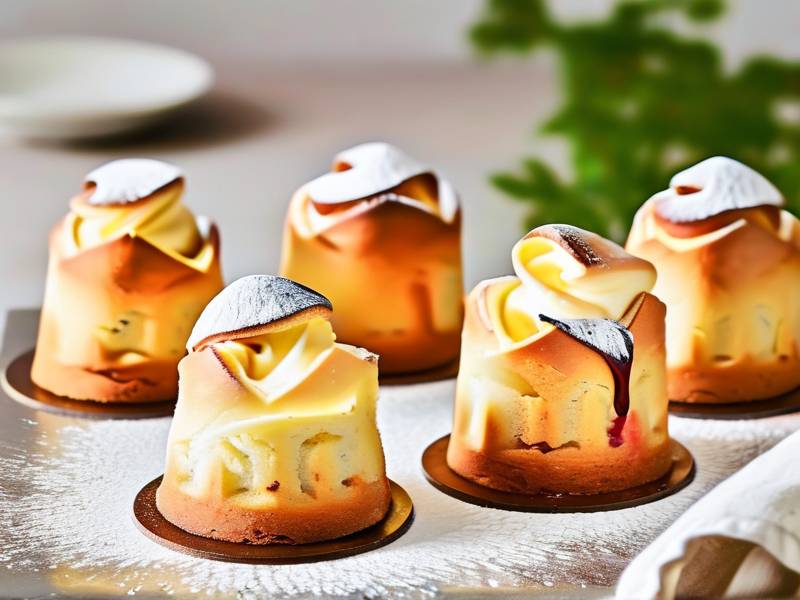
Let me walk you through everything I have learned. I will cover the ingredients, the crucial step of browning butter, the mixing method, baking times, and even storage tips. By the end, you’ll feel confident to make these beautiful individual cake servings right in your own kitchen.
Why Financiers Are Perfect for Individual Cake Servings and Easy Entertaining
Before we dive into the method, it helps to understand why these little cakes shine in single-serve form. Financiers are naturally small. They don't need frosting or complicated decoration to look stunning. It’s a great option for a dinner party dessert or a special treat for your family.
Another reason I love them is the texture. The exterior gets slightly crispy from the brown butter and the almond flour creates a dense, moist crumb. Because they are baked in small molds, you get a higher ratio of that delicious browned crust to soft interior. It's a texture contrast that makes every bite interesting. Also, they are naturally gluten-free, since the base is almond flour instead of regular flour. That makes them a hit with friends who have dietary restrictions.
Using individual molds also means perfect portion control. It’s easy to pop a couple in a lunchbox or serve them with a scoop of ice cream without cutting a big cake. This makes these small almond financier cakes a super practical recipe to have on hand.
Essential Ingredients for Authentic Nutty and Buttery Financiers
Getting the ingredients right is half the battle. You don't need a long list, but quality matters, especially for the two main stars: almonds and butter.
-
Almond Flour: You absolutely must use fine blanched almond flour. Not almond meal. Almond meal has coarse pieces and skins, which will make your cakes gritty and bumpy. Finely ground almond flour creates a smooth, tender crumb. I often pulse my almond flour in the food processor for about 10 seconds just to make sure there are no lumps, especially if it has been sitting in my pantry for a while.
-
Unsalted Butter: This is non-negotiable. You need unsalted butter so you can control the salt level. The butter gets browned, which is the secret to that deep nutty flavor we are chasing. Make sure you use good quality butter. It should taste fresh and sweet. During browning, the milk solids will turn a deep amber color.
-
Egg Whites: We use room-temperature egg whites. Old egg whites work best. If you have leftover egg whites from another recipe, even better. The texture of fresh egg whites is too tight. You want them loose so they incorporate easily. Let them sit on the counter for at least 30 minutes before you start mixing.
-
Confectioners' Sugar: Also called powdered sugar. It contains a little cornstarch which helps tenderize the cakes. It dissolves into the almond flour easily, making sure you don't have a gritty texture.
-
All-Purpose Flour: You only need a tiny bit, about 2 to 3 tablespoons. You could even swap it for brown rice flour if you want them strictly gluten-free. The flour provides just enough structure to hold the cakes together.
Step-by-Step Guide: How to Bake Small Almond Financier Cakes from Scratch
OK, let’s get to the actual baking process. I am going to break this down into simple stages. I’ve made this recipe dozens of times, and this is the most foolproof way I know.
Stage 1: Browning the Butter for that Deep Nutty Flavor
This is where the magic happens. Put your unsalted butter in a light-colored saucepan. Trust me, use a light-colored pan. It’s much easier to see the color change and avoid burning the butter.
Set the pan over medium heat. The butter will start to melt, then bubble and foam. Stir it occasionally with a spatula. After about 5 minutes, you will see brown specks at the bottom. The butter will smell intensely nutty and caramelized. Take it off the heat immediately.
Pour the brown butter into a small bowl to stop the cooking process. You want to include all those brown bits, as they are full of toasty flavor.
Stage 2: Mixing the Dry Ingredients and Wet Ingredients
Let the brown butter cool slightly, but keep it liquid. In a separate large bowl, whisk together your almond flour, confectioners' sugar, and all-purpose flour. Add a pinch of salt. Ensure there are no clumps of almonds.
Now, pour the room-temperature egg whites into the dry ingredients. Mix with a whisk until the batter is smooth. The batter will be quite thick at this stage.
Stage 3: Combining Batter and Brown Butter
This is a step that took me a few attempts to get right. You should have your batter smooth, thick, and glossy. Now, add the cooled brown butter. There are two ways to do this.
You can pour the butter down the side of the bowl and fold it in with a spatula. Or, you can use a stick blender for a super emulsified batter. I prefer the manual spatula method for a more rustic texture. This whole process should be gentle. Mix until the butter is just incorporated. Overmixing will make the cakes tough.
Stage 4: Resting the Batter (Crucial Step)
I know you are excited, but listen to me. You must rest the batter. This is a mandatory step that many home bakers skip. Cover the bowl and put it in the refrigerator for at least 1 hour. Ideally, rest it overnight.
Why does this matter? The flour and almond meal need time to hydrate. This ensures the cakes are moist and tender. The gluten also relaxes, which helps keep the cakes from becoming rubbery. I have tested both ways, and the rested batch is always better. This is the old French technique, and there is a reason they do it.
Stage 5: Preparing Your Financier Molds
After the batter has rested, preheat your oven to 375°F (190°C). Generously butter your individual financier molds. You can bake these as French-style bar cakes or in round tartlet molds.
Brush melted butter into every nook and cranny. If you have a non-stick pan, you can try without flouring, but I like to lightly dust the molds with flour and tap out the excess. This guarantees they will come out without breaking.
Stage 6: Baking Time and Temperature
Spoon the cold batter into the prepared molds. Fill them about 3/4 of the way full. They will rise slightly and dome in the center. Bake for 12 to 16 minutes. The exact time depends on your oven and mold size.
You know they are done when the edges are deeply golden brown and the center feels springy to the touch. They should be slightly darker at the edges than in the middle. This is a classic sign of a perfect financier. Let them cool in the pan for 5 minutes, then tip them out onto a wire rack.
Common Mistakes and How to Fix Your Financier Batter Issues
Even with a simple recipe, things can go wrong. I have faced a few issues in my early days of baking. Here is how to fix them so you don't have to learn the hard way.
Why Did My Cakes Stick to the Mold?
This is a very common problem. If you don’t butter your molds enough, they will stick. Don’t try to pop them out when they are hot. Give them a few minutes to cool and set. The edges will pull away slightly from the pan.
If you have intricate silicone molds, place them on a baking sheet first for stability. For metal pans, ensure you get butter into the ridges. use a pastry brush to be thorough for best results. This is the key to easy individual cake servings.
Why Are My Financiers Dry and Crumbly?
A dry financier usually comes from overbaking or not using enough butter. Check your oven temperature. Many home ovens run hot. Use an oven thermometer. Also, make sure you measure the almond flour correctly.
Spoon it into your measuring cup and level it off. Do not scoop directly from the bag, as you can pack too much. The correct ratio of almond to butter is what keeps them moist and buttery.
Why Did the Cake Taste Too Eggy?
Almond financier cakes are rich with egg whites. If it tastes too eggy, you might be using too few almonds or sugar. Check that you are using the full amount of confectioners sugar. The sugar caramelizes the edges and balances the eggs. For the best result, use a scale for measuring ingredients.
Flavor Variations for Your Small Almond Financier Cakes
Once you master the basic recipe, you can play around with it. The fundamental formula is very versatile. Here are a few of my favorite ways to change it up without ruining the texture.
Adding Citrus or Chocolate
You can add the zest of one lemon or orange to the batter. This brightens up the nutty flavor. I love adding a teaspoon of vanilla bean paste. For a chocolate version, reduce the flour by one tablespoon and add one tablespoon of Dutch-processed cocoa powder.
Topping Ideas for Individual Cake Servings
Before baking, you can press a few fresh raspberries or sliced almonds on top. Sometimes I add a small square of dark chocolate in the center. When baked, it melts into a gooey surprise. These tiny touches make them look gourmet.
The Role of Brown Sugar vs. White Sugar
Try replacing half of the confectioners’ sugar with light brown sugar. This adds a slight molasses flavor that pairs beautifully with brown butter. Just know the color will be a bit darker and the texture slightly more dense, but still delicious.
Why Browned Butter Transforms the Texture of Financiers
It’s not just about the flavor. The process of browning the butter changes the moisture content. You remove some water from the butter. This helps create the unique crust. The milk solids caramelize, creating strong flavor compounds. It is the defining taste of a classic French financier.
I always have a batch of browned butter in my fridge. If you make it ahead, you can just reheat it slightly before adding it to your batter. That simple step of prepping this ingredient makes the assembly so quick.
Serving Suggestions and Storage Tips for Financiers
These little cakes are best eaten fresh, but they store quite well if you do it right. If you keep them in an airtight container, they will stay moist for up to 3 days.
When you store them, try to place a piece of plastic wrap against the cut side of the cakes to keep moisture in. For these small almond financier cakes, you can gently reheat them in a toaster oven for 2 minutes. This brings back the crispy exterior and the soft, warm center. It’s amazing with a cup of coffee.
Modern Twist: Baking with Honey or Maple Syrup
If you want a healthier spin on the sweetener, you can swap the sugar. However, honey and maple syrup change the liquid content of this small cake recipe. If I use maple syrup, I usually reduce the egg whites by about a tablespoon and add the syrup with the butter. They will be a little less cake-like and a bit more chewy, but the flavor is still wonderful.
How to Serve These Cakes for Brunch
Individual cake servings are so elegant. I like to dust them with powdered sugar right before serving. Serve them warm alongside a bowl of lightly sweetened whipped cream or a scoop of vanilla bean ice cream. The contrast between the crisp edge and creamy topping is unbeatable. This recipe is my go-to for weekend brunch entertaining.
Troubleshooting the Crust: Getting Those Crispy Edges
The crispy edge comes from the right pan material and high heat. Metal pans conduct heat better than silicone, giving you a crunchier edge. Also, do not move the cakes around while they bake. Let them sit undisturbed in the hot oven.
I also suggest brushing the molds with a generous amount of melted butter. If you use a non-stick spray, you won't get the same browning effect. Butter is not just for greasing; it contributes to the flavorful fried edges that make individual servings so special.
FAQ: Your Top Questions About Baking Financiers Answered
Do I really need to rest the batter overnight, or can I bake them immediately?
A short rest of one hour is fine, but overnight is better. The resting period hydrates the dry ingredients, making the crumb more tender. It also firms up the batter, which helps prevent spreading. If you bake it immediately, you will notice a denser, less delicate texture. So, plan ahead if you can.
My household dislikes greasy cakes. Should I reduce the butter?
No, I would not reduce the butter very much. Butter is about 15% water and 85% fat. The high butter ratio gives financiers their signature soft interior and moist mouthfeel. If you reduce the butter, you will end up with a dry, eggy muffin texture. Stick to the recipe, and use high-quality butter for the best flavor.
What if I don't have traditional financier molds? Can I use a muffin tin?
You can absolutely use a standard mini-muffin tin. Just be aware the shape will be rounder. If you use a regular large muffin tin, you will need to increase the baking time by 5 to 7 minutes. Watch them closely. The edges should turn a nice golden brown. Just check for browning around the sides.
Ensuring Your Success: Final Checkpoints Before Baking
Before you slide the tray into the oven, run this quick mental checklist. First, is the oven preheated to 375°F (190°C)? Second, did you rest the batter? Third, are the molds generously buttered? If you have these three things sorted, your cakes will come out perfect.
Don’t over-bake these small almond financier cakes. It is better to have a slightly undercooked center than a dry cake. The internal temperature should be around 200°F (93°C). This ensures the center is set but still moist. Take them out when you see the deep golden ring.
My Final Thoughts on Making This French Classic
I’ve said it before, and I’ll say it again. The magic of the financier is in the contrast. The crisp exterior holds a molten center that is packed with the flavor of toasted almonds and butter. It’s a humble dessert that tastes very luxurious. I truly believe that once you’ve made these small almond financier cakes with their nutty and buttery individual cake servings, you will be asked for the recipe everywhere you go.
Now, go ahead and get your ingredients out. Get your hands in the bowl. You are about to make the best little cake you have ever had. Just be patient with the brown butter and the resting time. Trust the process. You will not be disappointed.
⚠️ Warning: This cake is high in sugar. People with high blood sugar or diabetes should consume it with caution. This is a low-sugar/sugar-free formula, consult a medical professional before consumption.





