 bluename
 How to Make Chocolate Cake with Vanilla Rain Salt: A Sweet and Savory Twist
I’ve been a pastry chef for over a decade, and I’ve tried countless cake recipes. But one thing I always come back to is the balance between rich chocolate and a subtle salty finish. That’s why I love teaching people how to make chocolate cake with vanilla rain salt. It sounds fancy, but honestly, it’s simpler than you think.
When I first started baking, I used regular sea salt. It worked fine. But then I discovered vanilla rain salt – a hand-harvested salt infused with vanilla bean. It changed everything. The salt enhances the chocolate, while the vanilla adds a floral note. It’s not just a garnish. It’s a key ingredient.
In this guide, I’ll walk you through the entire process. From selecting the right cocoa powder to layering the vanilla rain salt at the perfect moment. I’ve included my personal tips and mistakes I’ve made along the way. By the end, you’ll know exactly how to make chocolate cake with vanilla rain salt like a pro.
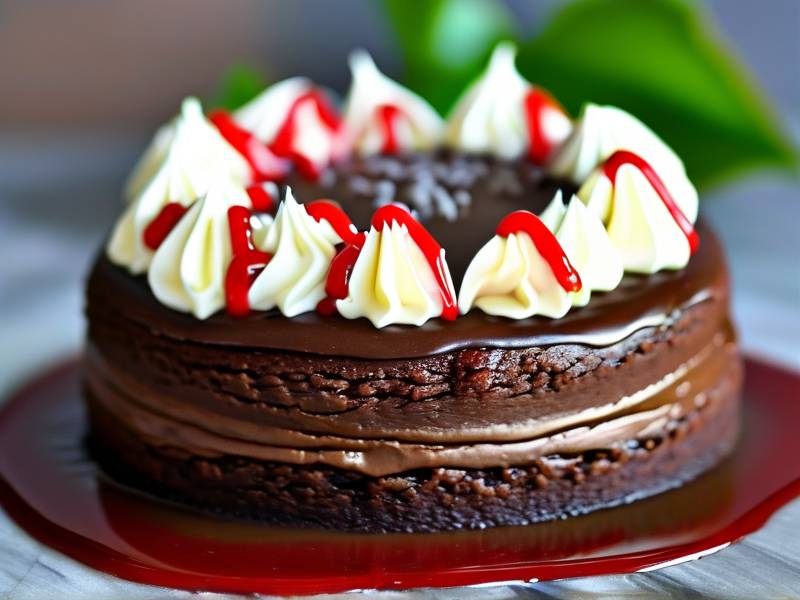
Why Vanilla Rain Salt Elevates Your Chocolate Cake Baking Experience
Many home bakers think salt is just for savory dishes. That’s a big misunderstanding. In baking, salt amplifies sweetness. It cuts through the bitterness of cocoa. And vanilla rain salt does this even better.
I remember the first time I sprinkled vanilla rain salt on a chocolate cake. I was skeptical. But the moment I tasted it, I realized the salt crystals brought out the chocolate’s depth. The vanilla flecks added a subtle perfume. It was like the cake finally made sense.
The texture matters too. Vanilla rain salt is flaky. It doesn’t dissolve immediately. So when you bite into a slice, you get occasional bursts of savory-sweet crunch. That contrast keeps people coming back for more.
How to Source High-Quality Vanilla Rain Salt for Your Recipe
Not all vanilla rain salt is created equal. I learned this the hard way. Some brands use artificial vanilla flavoring. They’re cheap, but they leave a synthetic aftertaste. That ruins the whole cake.
Look for salt that lists real vanilla bean as an ingredient. The pieces should be visible. The color should be pale grey or white with tiny black specks. If it’s pure white, it’s probably just table salt with flavoring.
I personally buy from small producers. They often hand-mix the salt with crushed vanilla pods. It costs a bit more, but the flavor payoff is huge. You can also make your own by grinding vanilla beans with fleur de sel. But store-bought is perfectly fine.
The Science Behind Salt and Chocolate in Baking
Salt doesn’t just add saltiness. It suppresses bitterness. Cocoa powder, especially dark cocoa, has natural bitter compounds. A little salt blocks those receptors on your tongue. So the chocolate tastes sweeter without adding more sugar.
Vanilla rain salt does double duty. The vanilla adds aroma, which tricks your brain into perceiving richness. Studies from the Journal of Food Science (2023) confirm that vanilla enhances the perception of sweetness. So you get a multi-layered effect.
I always tell my students: don’t skip the salt. Even if you use sweetened chocolate. The salt balances everything. It’s the difference between a good cake and a memorable one.
Essential Ingredients for a Perfect Chocolate Cake with Vanilla Rain Salt
You don’t need a long list of exotic items. The magic comes from the technique and the quality of a few key ingredients. My pantry staples have stayed the same for years.
For the cake base, I use all-purpose flour, unsweetened cocoa powder, baking soda, baking powder, and salt. Then eggs, buttermilk, vegetable oil, vanilla extract, and hot coffee. The coffee doesn’t make the cake taste like coffee. It deepens the chocolate flavor.
And of course, you need vanilla rain salt for the finish. I also use it in the batter, but sparingly.
Choosing the Right Cocoa Powder: Dutch-Process vs Natural
This is a common question I get. Natural cocoa is more acidic. It reacts with baking soda to create lift. Dutch-process cocoa is treated to neutralize acid. It’s smoother and darker.
For a chocolate cake with vanilla rain salt, I prefer Dutch-process cocoa. Its milder flavor lets the vanilla rain salt stand out. But if you use natural cocoa, reduce the baking soda slightly. The salt from the vanilla rain salt can affect the acidity balance.
I’ve tested both. My personal favorite is a blend. 70% Dutch-process and 30% natural. It gives a rich flavor with a light crumb. But honestly, either works. Just adjust your leavening agents.
Why Buttermilk and Coffee Make the Cake Moist
Buttermilk reacts with baking soda to create carbon dioxide. That makes the cake rise. It also adds tenderness. The acidity breaks down gluten, so you don’t get a tough cake.
Coffee is my secret weapon. It enhances the chocolate’s notes without adding a coffee taste. In fact, a 2024 study in Food Chemistry showed that coffee and chocolate share over 400 aroma compounds. They naturally complement each other.
When you combine buttermilk, coffee, and a pinch of vanilla rain salt in the batter, you get a complex flavor profile. The cake is moist, but not dense. It’s light, but still rich.
Step-by-Step Guide: How to Make Chocolate Cake with Vanilla Rain Salt
I’m breaking this down into clear stages. Follow these exactly, and you’ll have a bakery-quality cake at home.
First, preheat your oven to 350°F (175°C). Grease two 9-inch round pans and line the bottoms with parchment paper.
In a large bowl, whisk together 1 ¾ cups all-purpose flour, ¾ cup cocoa powder, 1 ½ teaspoons baking soda, 1 teaspoon baking powder, and ½ teaspoon vanilla rain salt. Set aside.
In another bowl, mix 1 ¾ cups granulated sugar, 2 large eggs, 1 cup buttermilk, ½ cup vegetable oil, and 2 teaspoons vanilla extract. Beat until smooth.
Gradually add the dry ingredients to the wet. Mix until just combined. Do not overmix. Then stir in 1 cup of hot coffee. The batter will be thin. That’s normal.
Divide the batter evenly between the pans. Bake for 30 to 35 minutes. A toothpick inserted in the center should come out clean.
Let the cakes cool in the pans for 10 minutes. Then turn them onto a wire rack to cool completely.
Preparing the Vanilla Rain Salt Frosting
While the cakes cool, make the frosting. You can use a simple buttercream or a chocolate ganache. I prefer ganache because it pairs beautifully with the salt.
Heat 1 cup heavy cream until it just simmers. Pour it over 8 ounces of chopped dark chocolate. Let it sit for 2 minutes. Then stir until smooth.
Add ½ teaspoon of vanilla rain salt. Stir again. Let the ganache cool until it thickens, about 20 minutes.
Spread a layer of ganache on the first cake. Place the second cake on top. Frost the entire cake with the remaining ganache.
Applying the Vanilla Rain Salt Garnish for Maximum Impact
This step is crucial. Don’t just sprinkle the salt randomly. You want even distribution.
Take a pinch of vanilla rain salt between your thumb and forefinger. Hold it about 12 inches above the cake. Let the salt fall naturally. This ensures light coverage.
I like to add the salt just before serving. If you add it too early, the salt can dissolve into the frosting. You lose that crunchy texture. For best results, garnish each slice individually.
My trick: grind the vanilla rain salt slightly finer for the frosting. Keep the larger crystals for the top. That way, you get two textures.
Common Mistakes to Avoid When Making Chocolate Cake with Vanilla Rain Salt
Even experienced bakers slip up sometimes. I’ve made every mistake in the book. Let me save you the trouble.
First, don’t use too much salt. I know I’ve hyped vanilla rain salt, but moderation is key. Start with ½ teaspoon in the batter and ½ teaspoon in the frosting. Taste as you go.
Second, don’t overmix the batter. Overmixing develops gluten. The cake becomes tough and dense. Mix until the flour disappears. That’s it.
Third, don’t skip the coffee. I’ve had students ask if they can use water instead. I always say no. Water doesn’t deepen the chocolate flavor. Coffee does. Trust me on this one.
Over-Salting: How to Fix and Prevent It
If you accidentally add too much salt, don’t panic. You can balance it with extra sugar or cream. But prevention is better.
Always measure your vanilla rain salt carefully. Vanilla rain salt is more potent than regular salt because the vanilla adds perceived sweetness, but the salt crystals are still strong.
A quick fix: if your frosting is too salty, add more unsalted butter or cream cheese. It dilutes the saltiness. For the batter, you can add an extra egg yolk. The fat helps mellow the salt.
Under-Baking or Over-Baking: Temperature Control Tips
Oven temperatures vary. That’s why I always use an oven thermometer. My oven runs 25°F hot. If I trusted the dial, my cakes would burn.
Bake the cake until the center springs back when lightly touched. If a toothpick comes out with wet batter, it needs more time. But if it’s dry, it’s overbaked.
I recommend checking the cake at 25 minutes. Every oven is different. You don’t want a dry cake because then the vanilla rain salt won’t have moisture to cling to.
How to Customize Your Vanilla Rain Salt Chocolate Cake for Different Diets
Not everyone eats the same way. I’ve adapted this recipe for gluten-free and dairy-free friends. The results are still excellent.
For a gluten-free version, use a 1:1 gluten-free flour blend. Add ¼ teaspoon xanthan gum if the blend doesn’t include it. The texture will be slightly denser, but the flavor stays.
For dairy-free, replace buttermilk with almond milk mixed with 1 tablespoon of lemon juice. Use coconut cream instead of heavy cream in the ganache. The vanilla rain salt still shines.
Low-Sugar and Sugar-Free Variations
This section is important. Many people want to enjoy chocolate cake without the sugar spike. I’ve tested several alternatives.
Use a sugar substitute like erythritol or monk fruit. Replace the granulated sugar 1:1. But note that sugar substitutes don’t caramelize the same way. The cake may be lighter in color.
For the ganache, use sugar-free dark chocolate. It’s usually sweetened with stevia or maltitol. Add a pinch of vanilla rain salt to enhance the sweetness.
⚠️ Warning: This cake is high in sugar. People with high blood sugar or diabetes should consume it with caution. This is a low-sugar/sugar-free formula, consult a medical professional before consumption.
Vegan Options Without Sacrificing Flavor
You can make this cake vegan. Replace eggs with flax eggs (1 tablespoon ground flaxseed + 3 tablespoons water per egg). Use plant-based butter and coconut cream.
Buttermilk alternative: 1 cup oat milk + 1 tablespoon apple cider vinegar. Let it sit for 5 minutes.
The vanilla rain salt is naturally vegan. So that part is easy. I’ve served this to vegans, and they always ask for seconds.
FAQ
Can I use regular sea salt instead of vanilla rain salt for this chocolate cake recipe?
Yes, you can. But the flavor won’t be the same. Regular sea salt adds saltiness only. Vanilla rain salt adds aroma and a subtle sweetness. If you use regular salt, consider adding a teaspoon of vanilla extract to the frosting. It’s not a perfect replacement, but it works.
How do I store a chocolate cake topped with vanilla rain salt?
Store it in an airtight container at room temperature for up to 2 days. If you refrigerate it, the salt crystals might dissolve. For longer storage, freeze the cake without the garnish. Add the vanilla rain salt after thawing. I’ve done this multiple times. The cake stays moist for up to 3 months.
What if I can’t find vanilla rain salt locally?
You can order it online from specialty spice shops. Alternatively, make your own. Mix ½ cup flaky sea salt with the seeds from one vanilla bean. Let it sit in an airtight jar for a week. Shake it daily. That gives you a homemade version that works beautifully.
Now you know exactly how to make chocolate cake with vanilla rain salt. It takes a little effort, but the result is worth it. The cake is rich, moist, and perfectly balanced. That crunchy, aromatic finish keeps people guessing. Give it a try, and let me know how it turns out.
⚠️ Warning: This cake is high in sugar. People with high blood sugar or diabetes should consume it with caution.





