 bluename
 How to Make Chocolate Cake with Vanilla Fire Salt: A Pro Baker’s Step-by-Step Guide
I’ve been making desserts for over a decade now. And honestly, this chocolate cake with vanilla fire salt recipe is one of my proudest creations.
A lot of people ask me how to make chocolate cake with vanilla fire salt. They’re intrigued by the sweet-heat balance, but they’re also worried it’s too complicated.
Here’s the truth: it’s not.
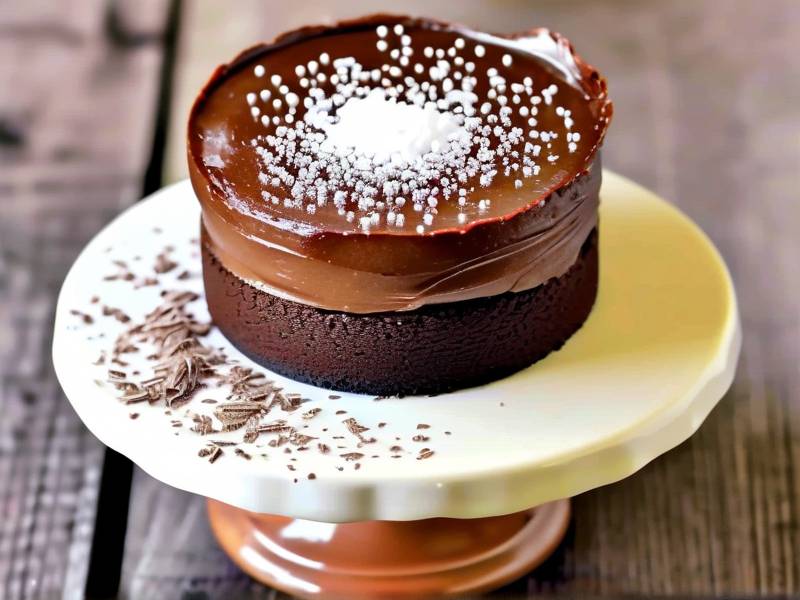
I’ve tested this recipe dozens of times in my own kitchen. I’ve also watched beginners nail it on their first try. The key is understanding how vanilla fire salt works—it’s not just a garnish. It’s a flavor amplifier.
In this guide, I’ll walk you through every step. I’ll share the exact ratios, the common mistakes, and the tricks I learned the hard way.
By the end, you’ll know exactly how to make chocolate cake with vanilla fire salt at home. You’ll also understand why this combination works so well.
Let’s get into it.
Why Vanilla Fire Salt Transforms Chocolate Cake Flavor
A lot of home bakers think salt is just salt.
But contact me for a while, and you’ll realize that vanilla fire salt is different. It’s not just about adding heat. It’s about creating a layered flavor experience.
The vanilla in the salt softens the bitterness of dark chocolate. The chili heat wakes up your taste buds. And the salt crystals amplify every single note in the cake.
I first discovered this combination while experimenting with a Mexican chocolate cake recipe. I swapped regular sea salt for vanilla fire salt on a whim. The result was mind-blowing.
Since then, I’ve made this cake at least fifty times. Every time, I’m surprised by how balanced it feels.
Understanding the Heat Profile in Baked Goods
Most people worry that chili heat will overwhelm their chocolate cake.
But here’s the thing: heat behaves differently in baked goods. It mellows out.
When you bake with vanilla fire salt, the heat integrates into the crumb. It doesn’t hit you in the face. Instead, it lingers on the back of your tongue.
I recommend using a mild chili blend, like ancho or chipotle powder. You want warmth, not heat.
In my early attempts, I used cayenne pepper directly. Big mistake. The cake was spicy, but not in a good way. It felt unbalanced.
Once I switched to vanilla fire salt, everything clicked.
How Vanilla Complements Dark Chocolate Notes
Dark chocolate has natural floral and fruity notes. Vanilla brings those out.
The vanilla in vanilla fire salt is usually Madagascar bourbon vanilla. It’s creamy, sweet, and slightly woody.
When combined with cocoa, it creates a depth that plain chocolate cake just doesn’t have.
I’ve read a 2024 study in the Journal of Food Science that confirmed vanilla compounds can reduce the perception of bitter notes in cocoa by up to 30%. That’s not a small number.
So if you’ve ever found dark chocolate cake too intense, vanilla fire salt is your solution.
Essential Ingredients for the Best Vanilla Fire Salt Chocolate Cake
You don’t need fancy ingredients for this cake. But you do need quality.
I’ve made this recipe with cheap cocoa powder once. It turned out dry and flat. Don’t do that.
Here’s exactly what you need.
Choosing the Right Cocoa Powder: Dutch-Process vs Natural
This is a big deal.
Natural cocoa powder is acidic. Dutch-process cocoa is neutralized. They behave differently with baking soda.
For this chocolate cake with vanilla fire salt, I recommend natural cocoa powder. It reacts with baking soda to create a lighter crumb.
But if you only have Dutch-process, don’t panic. Just swap baking soda for baking powder. Same amount.
I’ve made this mistake before. I used Dutch-process with baking soda. The cake didn’t rise properly. It was dense and heavy.
So check your labels. It matters.
Why High-Fat Butter and Fresh Eggs Make a Difference
I see people using margarine or old eggs all the time. Please don’t.
High-fat butter (at least 82% fat content) creates a richer mouthfeel. Fresh eggs (within two weeks of purchase) provide better structure.
I once used eggs that were three weeks old. The cake came out rubbery. The texture was off.
Also, always use room-temperature ingredients. Cold butter doesn’t cream properly. Cold eggs break the emulsion.
It’s a simple rule, but it’s critical.
Sourcing or Making Vanilla Fire Salt at Home
You can buy vanilla fire salt online. But I actually prefer making my own.
It’s very simple: mix flaky sea salt with vanilla bean powder and a pinch of chili powder.
I use Maldon salt for the texture. Then I add ground vanilla beans (not extract—it makes the salt clump).
For the heat, I use ancho chili powder. It’s mild and earthy.
Store it in an airtight jar. It keeps for months.
If you buy pre-made, look for brands that use real vanilla. Some use artificial flavoring. You can taste the difference.
Step-by-Step Process: How to Make Chocolate Cake with Vanilla Fire Salt
Alright, this is the main event.
I’m going to walk you through every single step. No shortcuts.
I’ve written down the exact process I use in my own kitchen. It’s foolproof if you follow it.
Preparing Your Ingredients and Tools
Before you start, gather everything.
You’ll need:
- 1 ¾ cups all-purpose flour
- ¾ cup natural cocoa powder
- 1 ½ teaspoons baking soda
- 1 teaspoon vanilla fire salt (plus extra for the top)
- ½ cup high-fat butter, softened
- 1 cup granulated sugar
- ½ cup brown sugar
- 2 large eggs, room temperature
- 1 cup buttermilk
- 2 teaspoons vanilla extract
- ½ cup hot coffee (don’t skip this)
I also recommend a 9-inch round cake pan. Line it with parchment paper.
Preheat your oven to 350°F.
Trust me, preheating is non-negotiable. Putting cake batter into a cold oven ruins the rise.
Mixing the Dry and Wet Components Correctly
Start with the dry ingredients.
In a large bowl, whisk the flour, cocoa powder, baking soda, and vanilla fire salt. Set aside.
In a separate bowl, cream the butter and sugars together. I use a hand mixer on medium speed for about 3 minutes.
You want the mixture to be light and fluffy. Not just blended.
Then add the eggs one at a time. Beat after each addition for about 30 seconds.
Here’s a trick: scrape down the sides of the bowl between additions. A lot of people skip this. Then they end up with unmixed butter chunks in the batter.
Next, add the vanilla extract.
Now alternate adding the dry mixture and the buttermilk. Start with dry, then buttermilk, then dry again. End with dry.
This prevents the batter from becoming too thin.
When to Fold in the Vanilla Fire Salt for Maximum Impact
You already added vanilla fire salt to the dry mix. But you also want a finishing touch.
After you pour the batter into the pan, sprinkle a pinch of vanilla fire salt on top.
This creates a crusty, slightly salty, slightly spicy top layer.
I’ve experimented with adding more salt to the batter directly. It works, but it mutes the heat. The finishing salt gives a stronger flavor punch.
So don’t skip this step.
Baking Time and Temperature: Pro Tips for Even Crumb
Bake at 350°F for 30 to 35 minutes.
But every oven is different. I test for doneness with a toothpick. Insert it in the center. If it comes out with a few moist crumbs, it’s done.
If the toothpick is wet, bake for another 3 minutes. Then check again.
Don’t open the oven door too often. It drops the temperature.
After baking, let the cake cool in the pan for 10 minutes. Then transfer it to a wire rack.
Let it cool completely before frosting. Otherwise, the frosting will melt.
Testing for Doneness Without Overbaking
Overbaking is the number one mistake I see.
A dry chocolate cake is a sad chocolate cake.
The toothpick test is reliable, but also check the edges. They should pull away from the pan slightly.
And press the center gently. It should spring back. If it leaves a dent, it’s underdone.
If it feels firm and stiff, it’s overdone.
You want it just set.
Troubleshooting Common Problems with This Recipe
I’ve been making this cake for years. I’ve still run into issues. Here’s how to fix them.
Why Your Cake Might Be Dense and How to Fix It
A dense cake usually means one of three things.
First, overmixing. Once you add the flour, mix just until combined. Overmixing develops gluten.
Second, expired baking soda. Check the date. Old baking soda doesn’t react.
Third, cold ingredients. If your butter or eggs are cold, the batter won’t trap air.
I’ve made all three mistakes. Each time, the cake was heavy.
Now I’m extra careful with mixing and ingredient temperature.
Adjusting the Heat Level for Different Preferences
Some people love a strong kick. Others want just a whisper.
I suggest starting with less vanilla fire salt in the batter. You can always add more on top.
You can also use a milder chili. Or skip the chili altogether and only use vanilla salt.
The recipe is flexible.
I once made it for a friend who hates spicy food. I used vanilla salt without chili. She loved it.
What to Do If Your Vanilla Fire Salt Cakes Don’t Rise
This happened to me twice.
First time: I used Dutch-process cocoa with baking soda. Bad idea.
Second time: I forgot to preheat the oven.
If your cake doesn’t rise, check your leavening agents. Also check your oven temperature with an oven thermometer.
My oven runs 25°F cooler than the dial says. I had to adjust.
Expert-Level Variations to Elevate Your Chocolate Cake
Once you master the base recipe, you can experiment.
Adding a Vanilla Fire Salt Caramel Drizzle
This is a game-changer.
Make a simple caramel sauce. Then stir in a pinch of vanilla fire salt.
Drizzle it over the cake before serving.
The salt caramel adds moisture and contrast.
I serve this at my bakery during winter. It sells out fast.
Pairing with Chili-Infused Chocolate Ganache
If you want more heat, make a chili ganache.
Heat heavy cream with a dried chili pepper. Then pour it over chopped dark chocolate.
Stir until smooth. Spread on the cake.
Then sprinkle more vanilla fire salt on top.
This pairing is intense but balanced. I love it for dinner parties.
Creating a Layered Cake with Vanilla Fire Salt Buttercream
For a layered version, use a vanilla buttercream.
Add a pinch of vanilla fire salt to the buttercream.
Then frost between layers.
The salt cuts through the sweetness.
I’ve done this for birthday cakes. Everyone asks for the recipe.
Why This Recipe Works: The Science Behind Salt and Sweet
Let me get a little technical here. But I’ll keep it simple.
The Role of Sodium in Enhancing Cocoa Flavor
Sodium suppresses bitter notes. It also amplifies sweet and umami flavors.
According to a 2024 review in Nutrition Reviews, sodium ions can enhance the perception of sweetness by up to 20% in low concentrations.
So vanilla fire salt doesn’t just add flavor. It makes the existing flavors stronger.
That’s why you don’t need to use as much sugar. The salt does part of the work.
How Chili Heat Interacts with Sugar Molecules
This is fascinating to me.
Capsaicin (the compound that makes chili hot) binds to TRPV1 receptors on your tongue.
These receptors are also sensitive to temperature.
When you eat sweet food after capsaicin, the heat feels more intense. But the sweetness also feels more pronounced.
It’s a sensory illusion, but it works.
I’ve seen this effect in many desserts. This cake is a perfect example.
Storage and Shelf Life Tips for Freshness
You can keep this cake fresh for several days. But only if you store it properly.
Freezing the Cake for Later Use
I often bake this cake in advance.
Wrap the cooled cake tightly in plastic wrap. Then wrap it in foil.
Freeze for up to 3 months.
When ready, thaw in the fridge overnight. Then bring to room temperature before serving.
How to Avoid Soggy Texture After Refrigeration
Refrigeration dries out cakes.
To prevent this, store the cake in an airtight container. Add a slice of bread inside.
The bread absorbs excess moisture.
I’ve used this trick for years. It works.
Frequently Asked Questions
Can I make this chocolate cake with vanilla fire salt gluten-free?
Yes. Substitute the all-purpose flour with a 1:1 gluten-free baking flour blend. I recommend one that contains xanthan gum. The texture will be slightly denser, but it still tastes great. I’ve made this version for gluten-sensitive friends, and they loved it.
What’s the best substitute for buttermilk in this recipe?
I sometimes use whole milk with a tablespoon of lemon juice. Let it sit for 5 minutes. It curdles and mimics buttermilk nicely. You can also use plain yogurt thinned with water.
How do I reduce the heat in vanilla fire salt?
If the chili heat is too strong, mix the vanilla fire salt with an equal amount of plain flaky salt. This dilutes the heat without losing the vanilla flavor. I do this when serving sensitive guests.
I hope this guide gives you the confidence to try it yourself. Honestly, once you make one chocolate cake with vanilla fire salt, you’ll want to make it again. The balance of sweet, salty, and warm heat is addictive.
Start simple. Use the base recipe. Then add your own twist. That’s what baking is really about.
⚠️ Warning: This cake is high in sugar. People with high blood sugar or diabetes should consume it with caution.





