bluename
 How to Make Cheesecake Frosting: The Ultimate Guide to a Delicious Topping for Desserts
That moment of truth arrives. You've baked a beautiful cake, a batch of cupcakes, or even a simple sheet cake. It looks good, but something is missing. It needs a crowning glory—a topping that is creamy, tangy, slightly sweet, and utterly luxurious. You dream of a frosting that tastes like the best part of a cheesecake, but the thought of a complicated recipe or a runny, unstable mess holds you back. What if you could create a smooth, pipeable, and incredibly delicious cheesecake frosting that holds its shape and steals the show? Your search ends here. This guide is your complete resource for mastering this versatile dessert topping, ensuring you never have to settle for a subpar frosting again.
Understanding Cheesecake Frosting: More Than Just Cream Cheese and Sugar
At its heart, cheesecake frosting is a beautiful, spreadable incarnation of classic cheesecake flavor. It’s designed to be lighter and more stable than its baked counterpart, making it the perfect companion for a wide array of desserts. Unlike buttercream, which can be overwhelmingly sweet, cheesecake frosting offers a delightful tanginess that cuts through the sweetness, creating a more balanced and sophisticated flavor profile.
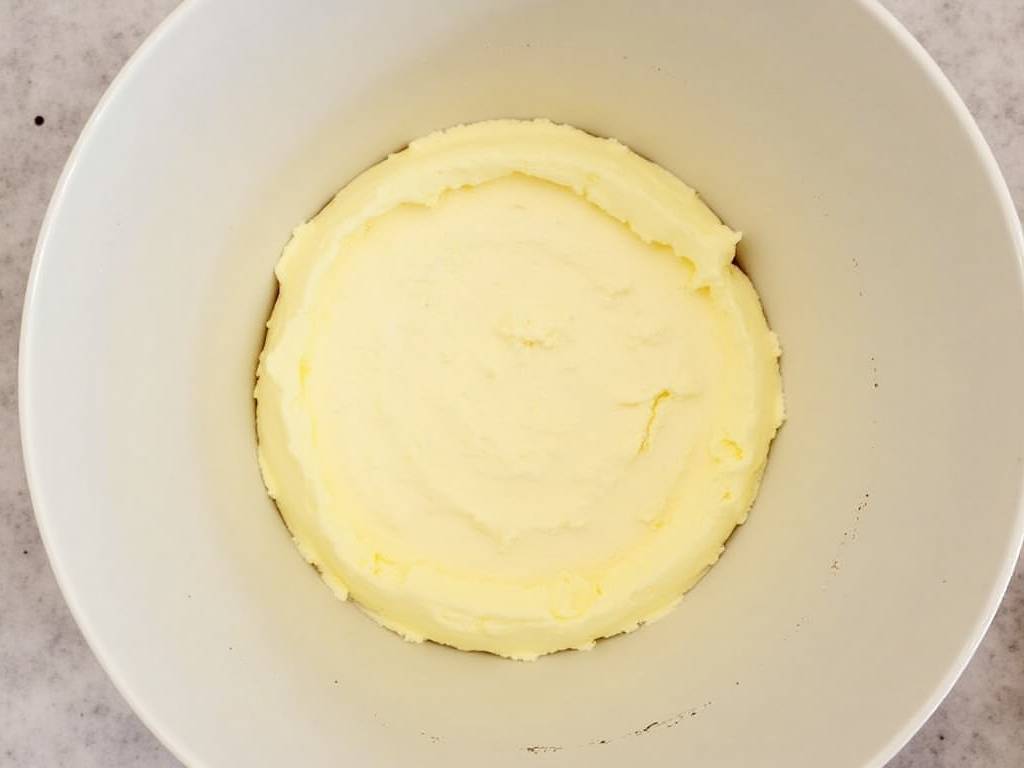
The magic lies in its core components. When these ingredients are combined correctly, they create a symphony of texture and taste that can elevate even the simplest baked good into a gourmet treat. Understanding the role of each ingredient is the first step to frosting success.
Essential Ingredients for the Perfect Cheesecake Frosting
Gathering the right ingredients is crucial. Using high-quality components and ensuring they are at the proper temperature will make the process seamless and the result exceptional.
- Cream Cheese: This is the star of the show. Always use full-fat, brick-style cream cheese for the best texture and flavor. The tubs of spreadable cream cheese contain more water and stabilizers, which can lead to a runny frosting. For optimal results, your cream cheese must be at room temperature to blend smoothly without lumps.
- Butter: Unsalted butter is recommended, as it allows you to control the salt level in your frosting. Like the cream cheese, it should be at room temperature for easy creaming. The butter adds structure and a rich, velvety mouthfeel, helping the frosting hold its shape when piped.
- Sweeteners: Confectioners' sugar (powdered sugar) is the most common choice. It dissolves easily and contains a small amount of cornstarch, which helps thicken the frosting. For a deeper flavor, some recipes incorporate a small amount of brown sugar.
- Flavor Enhancers: A splash of pure vanilla extract is non-negotiable for warmth and aroma. A pinch of salt is equally important; it doesn't make the frosting taste salty but rather enhances all the other flavors, making the cheesecake taste pop. A little lemon juice can also brighten the overall profile.
Step-by-Step: How to Make Classic Cheesecake Frosting
Follow these steps precisely for a flawless, lump-free frosting every single time.
- Preparation is Key. Take your cream cheese and unsalted butter out of the refrigerator at least 1-2 hours before you begin. They should be soft to the touch but not greasy or melted. This is the most critical step for preventing a lumpy or curdled frosting.
- Cream the Base. In the bowl of a stand mixer fitted with a paddle attachment (or using a hand mixer), beat the room-temperature butter on medium speed for about 1 minute until it is smooth and creamy.
- Combine Butter and Cream Cheese. Add the room-temperature cream cheese to the bowl with the butter. Beat them together on medium speed for 1-2 minutes, until the mixture is fully combined, smooth, and free of any lumps. Scrape down the sides and bottom of the bowl to ensure everything is incorporated.
- Incorporate Dry Ingredients. With the mixer on low speed, gradually add the sifted confectioners' sugar. Once the sugar is mostly incorporated, increase the speed to medium and beat for another 1-2 minutes until the frosting is light and fluffy.
- Add the Final Flavors. Mix in the vanilla extract, a pinch of salt, and any other flavorings (like lemon juice) until just combined. Avoid overmixing at this stage.
Pro Tip from Master Bakers: As noted in professional baking guides, "The single biggest mistake home bakers make with cream cheese frosting is overbeating after all the ingredients are in. Once it's smooth and combined, stop the mixer. Overbeating incorporates too much air and can cause the frosting to become too soft."
Flavor Variations to Customize Your Topping
Once you've mastered the classic version, the world is your oyster. Here are a few popular variations to inspire you.
- Lemon Cheesecake Frosting: Add the zest of one lemon and 1-2 tablespoons of fresh lemon juice. This is perfect for summer cakes and cupcakes.
- Chocolate Cheesecake Frosting: Sift in 1/2 cup of unsweetened cocoa powder along with the confectioners' sugar. You may need to add a tablespoon of milk or cream to reach the desired consistency.
- Strawberry Cheesecake Frosting: Incorporate 2-3 tablespoons of finely ground, freeze-dried strawberry powder. This method provides intense strawberry flavor without adding extra liquid that would thin out the frosting.
- Salted Caramel Cheesecake Frosting: Swirl in 1/3 cup of thick, store-bought or homemade salted caramel sauce after the frosting is mixed.
Troubleshooting Common Cheesecake Frosting Issues
Even with the best intentions, things can sometimes go awry. Here’s how to fix common problems.
- My Frosting is Too Runny: This is often caused by warm ingredients or overmixing. The immediate fix is to chill the frosting in the refrigerator for 20-30 minutes, then re-whip it. If it's still soft, you can add a small amount of additional sifted confectioners' sugar to thicken it.
- My Frosting is Lumpy: Lumps are almost always due to cold cream cheese. To fix it, you can try warming the bottom of the bowl by placing it in a larger bowl of warm water for a few seconds while whisking. For small lumps, pushing the frosting through a fine-mesh sieve can save it.
- My Frosting is Too Stiff: If your frosting is too thick to spread easily, mix in a teaspoon of milk or heavy cream at a time until it reaches your desired consistency.
Best Desserts to Pair with Cheesecake Frosting
The versatility of this frosting is one of its greatest assets.
- Red Velvet Cupcakes: This is a classic, unbeatable combination.
- Carrot Cake: The tangy frosting provides a perfect contrast to the spiced, sweet cake.
- Chocolate Cake: The rich chocolate and tangy cream cheese are a match made in heaven.
- As a Fruit Dip: Thin it out slightly with a little milk and serve it as a dip for strawberries, apple slices, and pretzels.
- On Sugar Cookies: Use it to frost your favorite sugar cookies for a decadent twist.
How far in advance can I make cheesecake frosting? You can prepare this frosting up to 2-3 days in advance. Store it in an airtight container in the refrigerator. When you're ready to use it, let it come to room temperature for about 30-60 minutes and then re-whip it with your mixer for a minute to restore its fluffy texture.
Can I freeze cheesecake frosting? Yes, cheesecake frosting freezes very well. Place it in a freezer-safe container or bag for up to 2 months. Thaw it overnight in the refrigerator and then bring it to room temperature before re-whipping.
Why do some recipes use heavy cream in the frosting? A small amount of heavy cream (1-2 tablespoons) is sometimes added to make the frosting even lighter, creamier, and easier to pipe. It's an optional ingredient, but it does contribute to a superb mouthfeel.
Mastering the art of cheesecake frosting opens up a new realm of dessert possibilities. By starting with room-temperature, high-quality ingredients and following the simple creaming method, you can create a topping that is consistently smooth, stable, and bursting with that beloved tangy-sweet flavor. Whether you stick with the classic recipe or experiment with exciting flavor infusions, this frosting is guaranteed to be the highlight of your dessert, transforming everyday bakes into extraordinary creations that will have everyone asking for your secret.