 bluename
 There's something truly magical about a perfectly decorated cheesecake. That creamy, dreamy swirl of frosting on top isn't just a garnish; it's a promise of the delightful experience to come. But if you've ever tried to use a standard buttercream on a cheesecake, you might have run into a few problems. Maybe it was too sweet, overwhelming the delicate tang of the cheesecake. Perhaps it was too stiff, making it difficult to pipe those beautiful rosettes. Or worse, it might have just slid right off the chilled surface.
That's where cheesecake buttercream comes in. This isn't your average frosting. It's a specially crafted, silky-smooth, and perfectly pipeable decorating frosting designed to complement your cheesecake, not compete with it. It’s less sweet than traditional American buttercream, has a delightful tang, and holds its shape beautifully for all your decorating dreams.
Let's gather our ingredients. The beauty of this recipe is in its simplicity and the quality of its components. Using the right ingredients is the first secret to that sublime texture and flavor.
You will need:
- 1 cup (2 sticks or 226g) of unsalted butter, at room temperature. This is non-negotiable. Your butter must be softened to the point where you can easily press a finger into it, but it shouldn't be oily or melted. This is the foundation of our pipeable frosting.
- 8 ounces (226g) of full-fat, brick-style cream cheese, cold. Yes, cold! Using cold cream cheese is a little trick that helps maintain the stability of our frosting. The brick-style is important too, as the tub varieties have more water and stabilizers, which can make your buttercream runny.
- 4 cups (480g) of confectioners' sugar (also known as icing or powdered sugar), sifted. Sifting might seem like an extra step, but it prevents lumps and ensures a flawlessly smooth buttercream texture.
- 1 teaspoon of pure vanilla extract. This adds a warm, classic flavor note.
- A pinch of fine sea salt. Salt is the flavor enhancer that balances the sweetness and brightens the cream cheese flavor, making your frosting taste more complex and less cloying.
Now, for the most crucial part: the equipment. A stand mixer fitted with a paddle attachment is the champion here. A hand mixer will also work perfectly fine, but a stand mixer gives you the hands-free advantage to achieve that perfect, airy consistency.
Before we start mixing, a quick word on temperature. The seeming contradiction of using room-temperature butter and cold cream cheese is actually our secret weapon for a stable, pipeable cheesecake frosting. The cold cream cheese helps keep the final mixture from becoming too soft, while the soft butter ensures a creamy, non-lumpy base.
Let's begin the creaming process. Place your beautifully softened butter into the bowl of your stand mixer. Beat it on medium-high speed for about 2-3 minutes until it becomes pale, light, and fluffy. You’re not just mixing here; you’re incorporating air, which is what gives the frosting its structure. Scrape down the bowl and the paddle to ensure everything is evenly mixed.
Now, for the cream cheese. Reduce the mixer speed to low. We do this to prevent splattering. Add the cold, brick-style cream cheese to the whipped butter in about three or four additions. Mix just until each portion is fully incorporated before adding the next. The key here is not to overmix. Once the cream cheese is fully blended in and no streaks remain, stop the mixer. Over-beating the cream cheese can cause it to release more water, making your frosting thin and soupy. We want a smooth, cohesive mixture.
It's time for the sugar. With the mixer on the lowest possible setting, gradually add your sifted confectioners' sugar. Adding it slowly prevents a sweet, white cloud from exploding all over your kitchen. Once all the sugar is incorporated, scrape down the bowl again, then increase the speed to medium-high and beat for another 1-2 minutes. You will see the transformation happen: the frosting will become noticeably lighter, fluffier, and smoother.
Finally, add the vanilla extract and that all-important pinch of salt. Mix for another 30 seconds on medium speed until everything is perfectly combined. At this point, you should have a bowl of the most luscious, creamy, and spreadable frosting. But is it ready for piping? Let's check the consistency.
Take a spatula and scoop up some frosting. It should be smooth and hold a soft peak. Now, imagine piping it. If you're planning to do intricate work like detailed borders or writing, you might want a slightly stiffer consistency. If it seems a bit soft, you can add a little more sifted confectioners' sugar, a quarter cup at a time, until it reaches your desired thickness.
Conversely, if you find it too thick, you can thin it out with a teaspoon of milk or cream. But add liquid very sparingly! It's much easier to thin a thick frosting than to thicken a thin one.
Your perfect cheesecake buttercream is now ready to use! But before you dive in, let's talk about its best friend: the properly chilled cheesecake.
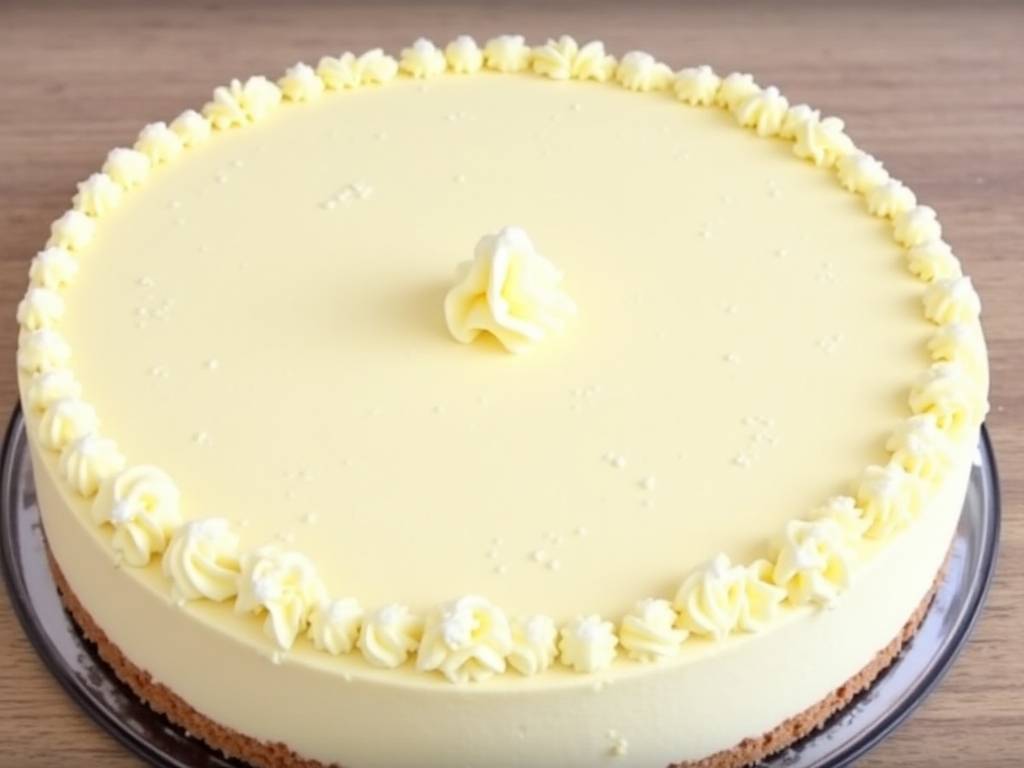
Your cheesecake must be completely cold, preferably even chilled for several hours in the refrigerator. A warm or even slightly cool cheesecake will cause the butter in your frosting to melt on contact, leading to a sliding, messy disaster. A cold base provides a firm foundation for your decorating artistry.
When you're ready to decorate, fit your piping bag with your chosen tip. For beautiful swirls, a large open star tip (like a 1M) is a classic choice. For borders, a round or star tip works wonderfully. Fill your piping bag only halfway to maintain control and prevent the frosting from getting too warm from the heat of your hands.
If you're not using the buttercream immediately, or if you find it has become too soft while working with it, don't panic. Cheesecake buttercream can be stored in an airtight container in the refrigerator for up to one week. When you're ready to use it again, let it come to room temperature on the counter for about an hour, then re-whip it in your mixer for a minute or two to bring back its smooth, pipeable texture.
You can also freeze it for up to three months. Thaw it overnight in the refrigerator and then re-whip it at room temperature.
This versatile frosting isn't just for cheesecakes! It's a fantastic less-sweet alternative for cupcakes, cakes, and even as a fruit dip. Its creamy texture and tangy flavor profile make it a crowd-pleaser for those who find traditional frostings too sugary.
So, the next time you bake a stunning cheesecake, crown it with this homemade, silky, and perfectly pipeable cheesecake buttercream. It’s the final, glorious touch that elevates a great dessert into an unforgettable one. You now have the knowledge and the recipe to create a decorating frosting that is not only beautiful but also tastes absolutely divine. Happy baking and decorating





