 bluename
 There's a moment in every baker's journey when you crave a dessert that feels both sophisticated and deeply comforting. For me, that moment arrived years ago, leading to countless experiments in my kitchen. I wanted to capture the bold, aromatic essence of my morning espresso and marry it with the luxurious, creamy texture of a classic cheesecake. The result? A masterpiece I'm thrilled to share with you today: the ultimate guide on how to make coffee cheesecake: fusion of coffee aroma and rich cheese. This isn't just a recipe; it's a detailed walkthrough of my perfected method, designed to help you avoid common pitfalls and achieve that perfect balance where neither flavor overpowers the other. Whether you're a seasoned home baker or a curious beginner, this guide will equip you with the knowledge to create a stunning, restaurant-quality dessert that celebrates this exquisite flavor pairing.
Essential Ingredients for the Perfect Coffee Cheesecake Fusion
The magic of this dessert lies in the quality and harmony of its components. Based on my experience, using premium ingredients is non-negotiable for achieving that deep, resonant flavor profile. A 2024 report from the International Dairy Foods Association emphasizes that the fat content and quality of cream cheese directly impact the final texture and mouthfeel of baked cheesecakes, which is crucial for our rich cheese base.
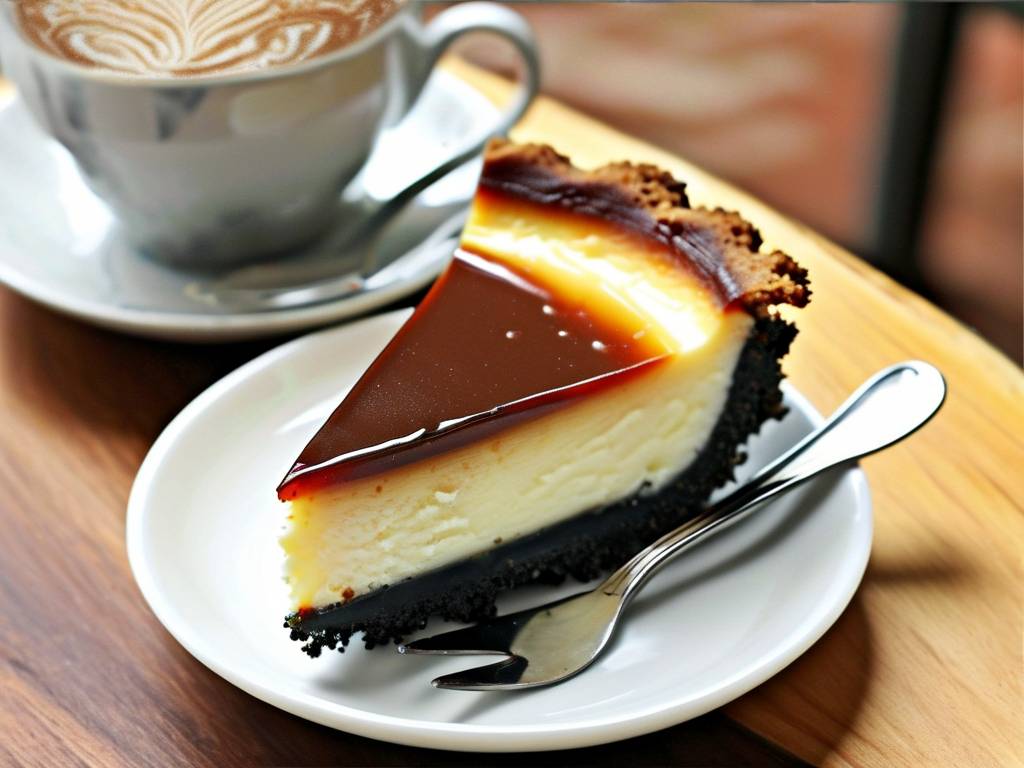
Selecting Your Coffee Element The type of coffee you choose is the soul of this cake. I strongly recommend using freshly ground espresso or a very dark roast coffee for the most intense and authentic coffee aroma. Instant espresso powder is my secret weapon—it dissolves completely without adding extra moisture, which can thin your batter. For a nuanced twist, consider a tablespoon of coffee liqueur, but remember to adjust other liquid ingredients slightly.
Building the Rich Cheese Foundation Full-fat, brick-style cream cheese is essential. Let it soften at room temperature for at least two hours; trying to blend cold cream cheese leads to a lumpy batter. Fresh, full-fat sour cream adds a delightful tang and contributes to a silkier texture. Always use large eggs at room temperature to ensure smooth, even incorporation.
Step-by-Step Guide to Crafting Your Coffee Cheesecake
This process is a labor of love that requires patience and attention to detail. Rushing any step can compromise the iconic creamy texture we're after.
Preparing the Crust and Pan I always use a 9-inch springform pan. Wrap the bottom and sides tightly with two layers of heavy-duty aluminum foil. This is your best defense against water seeping in during the water bath. For the crust, combine graham cracker crumbs with melted butter and a pinch of salt. Press it firmly and evenly into the bottom of the pan. Pre-bake this for 10 minutes at 350°F (175°C) to set it. This prevents a soggy bottom—a common cheesecake baking mistake easily avoided.
Creating the Luxurious Coffee-Cheese Filling Here’s where the fusion happens. In your stand mixer with the paddle attachment, beat the softened cream cheese on medium-low speed until it's completely smooth and creamy. This can take 3-4 minutes. Scrape the bowl down thoroughly. Next, add the sugar and beat again until just combined. Over-beating at this stage incorporates too much air, which can cause cracking.
Now, incorporate the room-temperature eggs one at a time, mixing on low speed after each addition until just blended. Finally, gently fold in the sour cream, vanilla extract, and your dissolved espresso powder or strong coffee. The batter should be velvety smooth, with no streaks. Pouring cheesecake batter correctly means doing so slowly over the back of a spoon to prevent air bubbles from forming in the crust.
Mastering the Baking and Cooling Process
This is the most critical phase for achieving that dreamy, crack-free surface. The goal is gentle, even heat.
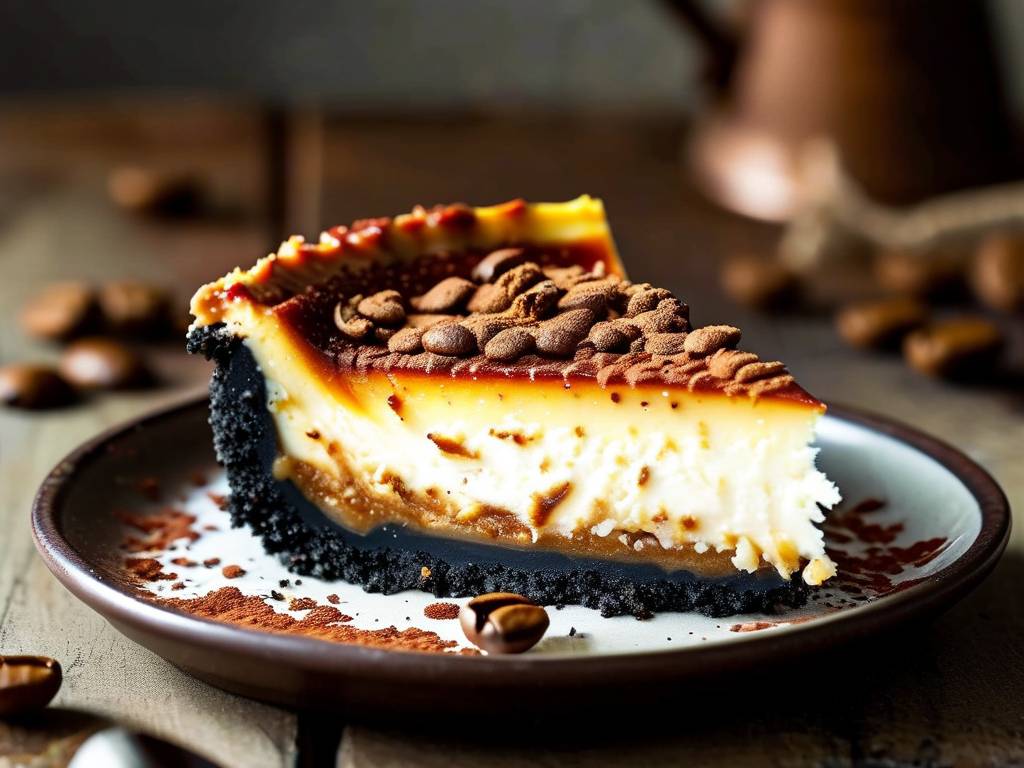
The Importance of the Water Bath Place your foil-wrapped springform pan into a larger roasting pan. Bring a kettle of water to a boil. After placing the setup in the oven, carefully pour the hot water into the roasting pan until it comes about halfway up the sides of the springform. This water bath (or bain-marie) creates a humid environment that cooks the cheesecake gently, preventing the edges from overcooking before the center sets and minimizing the risk of cracks.
Precise Baking and Gradual Cooling Bake at 325°F (160°C) for about 55-70 minutes. The cake is done when the edges are set but the center still has a slight, gentle jiggle—like Jell-O—when you nudge the pan. Turn off the oven, crack the door open with a wooden spoon, and let the cheesecake cool inside for one hour. This gradual temperature change is the final key to preventing cracks. Then, remove it from the oven and water bath, and let it cool completely on a rack before refrigerating for at least 8 hours, preferably overnight. This long chill for perfect texture allows the flavors to fully meld and the structure to firm up beautifully for clean slices.
Expert Tips for Flavor Enhancement and Presentation
Your masterpiece is baked and chilled. Now, let's elevate it.
Choosing the Right Coffee-Infused Toppings A simple dusting of cocoa powder or finely grated dark chocolate complements the coffee notes elegantly. For a show-stopping finish, I love a coffee whipped cream. Whip heavy cream with a little powdered sugar and a teaspoon of espresso powder until stiff peaks form. Pipe rosettes around the edge. For a decadent coffee glaze, gently melt dark chocolate with a touch of heavy cream and a shot of cooled espresso, then drizzle it artfully over the chilled cake.
Serving for Maximum Impact Always use a sharp, thin-bladed knife to slice. Dip the knife in hot water and wipe it clean between each cut for pristine pieces. Serve each slice on a chilled plate to maintain its structure. A few coffee beans or chocolate-covered espresso beans make for a beautiful, thematic garnish.
Troubleshooting Common Coffee Cheesecake Issues
Even with care, sometimes things happen. Here’s how I fix them.
If Your Cheesecake Develops Cracks Don't panic! A cracked surface is often just cosmetic. Simply cover it with your chosen topping—whipped cream, a glossy ganache, or a sprinkle of crumbled biscuit. The flavor will still be perfect. To prevent it next time, ensure you are not over-mixing the batter and are following the gradual cooling method religiously.
Addressing Texture Problems A dense or grainy texture usually stems from over-mixing or using cold ingredients. A soupy center means it needed more baking time. Remember, that slight jiggle in the center is your guide. If the top browns too quickly, tent it loosely with a piece of aluminum foil partway through baking.
Frequently Asked Questions About Coffee Cheesecake
Can I make this coffee cheesecake without a water bath? While not ideal, you can try a low-temperature bake (300°F) without a water bath, but the risk of cracking, a dry texture, and uneven cooking increases significantly. The water bath is the professional technique for a reason—it’s the best guarantee for a flawless creamy baked cheesecake.
What's the best way to store leftover coffee cheesecake? Cover the chilled cheesecake tightly with plastic wrap or store it in an airtight container in the refrigerator. It will keep beautifully for up to 5 days. The flavors often deepen and improve after a day or two.
Can I use fresh brewed coffee instead of espresso powder? You can, but you must reduce another liquid in the recipe (like the sour cream) by an equal amount to account for the extra moisture. Be aware that the coffee flavor intensity may be milder compared to using concentrated espresso powder.
Mastering how to make coffee cheesecake: fusion of coffee aroma and rich cheese is about embracing the process as much as the delicious result. It combines the precision of baking with the art of flavor pairing. By selecting quality ingredients, respecting the mixing and baking techniques, and allowing ample time for chilling, you create more than a dessert—you create an experience. The rich, tangy cream cheese provides a luxurious canvas, while the deep, aromatic coffee weaves through it, offering a sophisticated kick. I encourage you to try this recipe, trust the steps, and share this beautiful fusion of flavors with someone special. The reward is in every sublime, creamy bite.
⚠️ Warning: This cake is high in sugar. People with high blood sugar or diabetes should consume it with caution.





