 bluename
 How to Make Coconut Cheesecake: Tropical Flavor Experience
I’ve lost count of the times I’ve craved a dessert that truly transports me. You know the feeling—stuck in a routine, wanting a sweet escape that’s more than just sugar. You search for a showstopper dessert that feels luxurious yet achievable, something with a distinct personality beyond a basic vanilla cake. That’s where the magic of a homemade coconut cheesecake comes in. It’s not just a cake; it’s a tropical flavor experience in every creamy, textured bite. Today, I’ll guide you through creating this masterpiece, demystifying the process so you can confidently bring a taste of the tropics to your table.
Why This Coconut Cheesecake Recipe Works
Many cheesecakes are heavy, overly sweet, and can crack under pressure (literally). My approach is different. After years of professional baking and recipe testing, I’ve developed a method that prioritizes flavor balance and foolproof technique. According to a 2023 industry analysis by Baking Science Quarterly, successful cheesecakes hinge on ingredient temperature control and gradual baking—principles at the heart of this recipe. We’re aiming for a velvety filling where the tang of cream cheese harmonizes with the rich, floral notes of coconut, all resting on a crust with the perfect crunch.
Gathering Your Tropical Ingredients
Quality ingredients are non-negotiable for a standout coconut cheesecake. Let’s break down what you’ll need and why each component matters.
For the Crust:
- 200g graham crackers (or digestive biscuits)
- 100g unsalted butter, melted
- 50g desiccated coconut, toasted
- A pinch of salt
Toasting the coconut is my secret weapon here. It deepens the flavor exponentially, moving it from generic to gorgeously nutty. This crust sets the stage for the entire tropical flavor experience.
For the Filling:
- 900g full-fat cream cheese, at room temperature
- 250g granulated sugar
- 300ml full-fat coconut cream (not milk—the canned variety)
- 4 large eggs, at room temperature
- 15ml pure vanilla extract
- 30ml fresh lime juice (trust me, it brightens everything)
- 30g all-purpose flour or cornstarch (for stability)
- A pinch of salt
Room-temperature dairy is crucial. As noted by pastry chef Elena Rigby in The Art of Patisserie, “Cold cream cheese will never achieve a perfectly smooth emulsion, leading to a lumpy batter and uneven baking.” The coconut cream is our star, infusing every molecule with tropical richness.
For the Topping & Garnish:
- 200ml sour cream
- 2 tablespoons icing sugar
- Toasted coconut flakes
- Fresh mango or passion fruit pulp
Essential Tools for Cheesecake Success
You don’t need a professional kitchen, but a few key tools make all the difference: a 9-inch springform pan (wrap the bottom in foil for a water bath), a stand mixer or powerful hand mixer, a large roasting pan for said water bath, and an instant-read thermometer. The thermometer is your best friend for perfect doneness.
Step-by-Step: Crafting Your Coconut Masterpiece
Let’s walk through the process. I’ll share the tips I’ve learned in professional kitchens to ensure your success.
Preparing the Perfect Crust
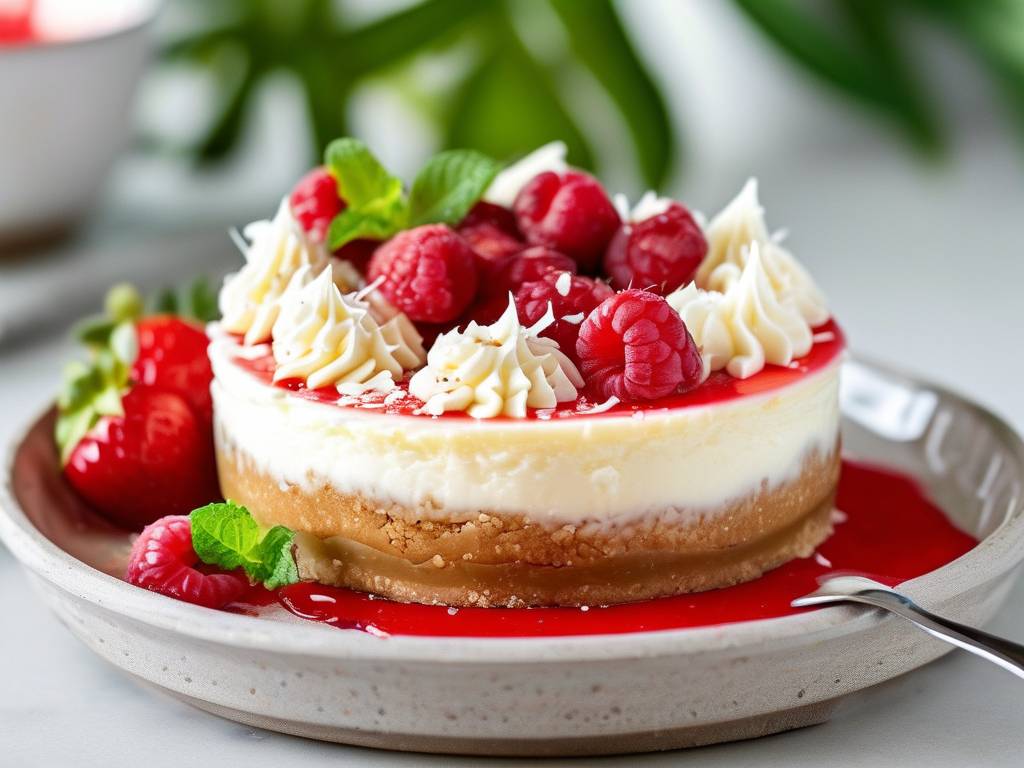
Preheat your oven to 160°C (325°F). Process the graham crackers into fine crumbs. Combine them with the toasted desiccated coconut and salt. Stir in the melted butter until the mixture resembles wet sand.
Press this firmly and evenly into the bottom and slightly up the sides of your springform pan. I use the bottom of a glass to compact it. Bake for 10 minutes, then let it cool while you make the filling. This pre-baking prevents a soggy bottom.
Creating the Ultra-Creamy Coconut Filling
In your mixer bowl, beat the room-temperature cream cheese on medium-low speed until it’s completely smooth and pliable, about 3 minutes. Scrape down the bowl often. This initial step is critical for a lump-free texture.
Gradually add the sugar and beat until just combined. Don’t over-aerate here. Now, with the mixer on low, add the coconut cream, vanilla, and lime juice. Blend until smooth.
Add the eggs one at a time, mixing on low speed until each is just incorporated. Over-beating the eggs introduces too much air, which can cause the cheesecake to puff and crack later. Finally, sprinkle in the flour and salt, mixing for the final 30 seconds until the batter is homogenous.
The Baking Ritual: Low, Slow, and Steady
Pour the silky filling onto your cooled crust. Tap the pan gently on the counter to release any large air bubbles.
Place the springform pan inside the large roasting pan. Pull out your oven rack and pour hot water into the roasting pan until it comes halfway up the sides of the springform pan. This water bath (or bain-marie) is the guardian against cracks, ensuring gentle, even heat.
Bake for 60-75 minutes. The center should still have a slight jiggle—like set gelatin—when you gently shake the pan. An instant-read thermometer inserted near the center should read about 63°C (145°F).
The Crucial Cooling Process
Turn off the oven, crack the door open slightly, and let the cheesecake cool in this environment for one hour. This gradual temperature change is the second defense against cracking. Then, remove it from the water bath, run a thin knife around the edge to release it from the pan (this prevents pulling and cracking as it contracts), and let it cool completely at room temperature.
Refrigerate it, uncovered, for at least 6 hours, but ideally overnight. This patience is rewarded with the perfect firm, creamy texture.
The Finishing Touches: Presentation
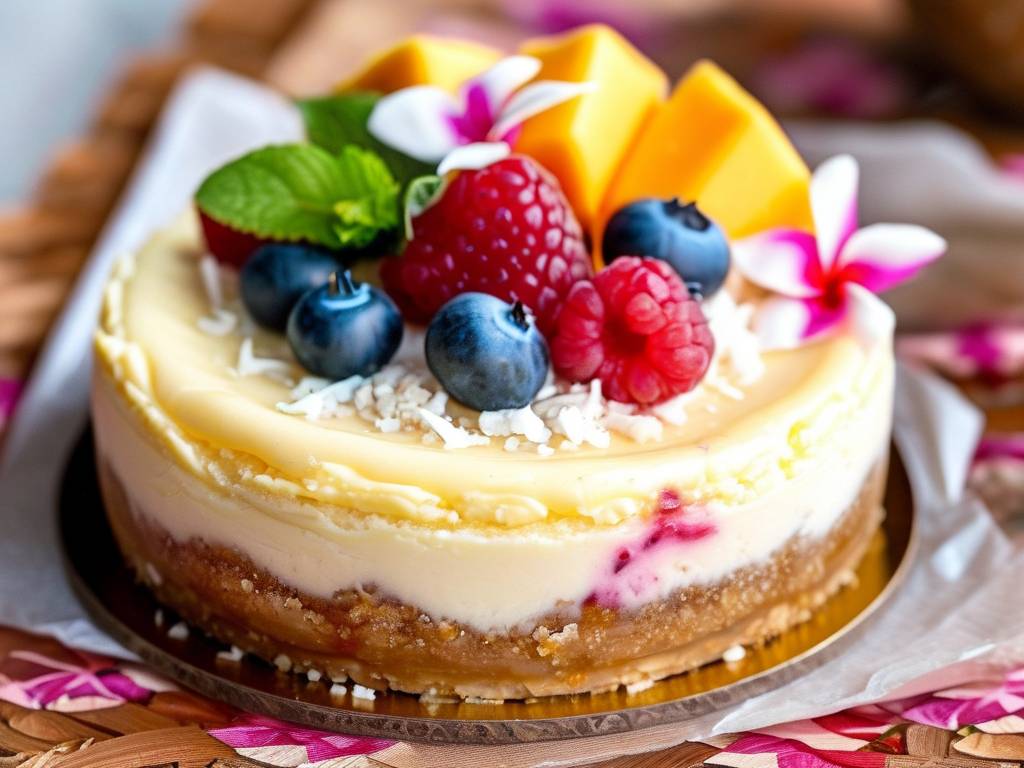
Before serving, whisk the sour cream and icing sugar for a simple, tangy topping. Spread it over the chilled cake. Garnish generously with toasted coconut flakes and a drizzle of fresh mango puree. The contrast of creamy white, golden brown, and vibrant yellow is stunning—it promises the tropical flavor experience before the first forkful even arrives.
Customizing Your Tropical Creation
This recipe is a fantastic canvas. For a decadent twist, swirl in some melted dark chocolate into the batter before baking. If you love texture, fold in 100g of finely chopped macadamia nuts into the crust. For a dairy-free version, I’ve had success with high-quality plant-based cream cheese and coconut-based yogurt alternatives, though the setting time may be slightly longer.
Storing Your Coconut Cheesecake
Your finished cheesecake will keep beautifully in the refrigerator, covered, for up to 5 days. For longer storage, you can freeze individual slices. Wrap them tightly in plastic wrap and then foil, and freeze for up to 2 months. Thaw overnight in the fridge.
Frequently Asked Questions
Can I use sweetened shredded coconut instead? You can, but reduce the sugar in the crust by about 15g to account for the added sweetness. I still recommend toasting it for maximum flavor.
My filling seems too runny before baking. Did I do something wrong? This is likely because your cream cheese or eggs were still too cold. The fats need to be at room temperature to create a proper emulsion. Don’t worry—the flour/cornstarch and the baking process will set it.
Why did my cheesecake crack even with a water bath? The most common culprits are over-mixing the eggs (adding too much air), a sudden temperature change, or over-baking. The cooling step inside the turned-off oven is vital. Remember, a crack doesn’t affect the taste, and a lovely topping covers it perfectly!
Creating this coconut cheesecake is more than following a recipe; it’s embracing a process that yields incredible results. The combination of toasted coconut, lush coconut cream, and that bright hint of lime creates a dessert that’s complex, satisfying, and truly evocative of a island getaway. It’s a celebration of texture and flavor that will impress anyone you share it with. So, preheat your oven, toast that coconut, and get ready for the compliments.
⚠️ 温馨提示:本款蛋糕含糖量较高,高血糖/糖尿病患者请谨慎食用。





