 bluename
 How to Make Cheesecake Cookies: Perfect Fusion of Crispy Cookies and Cheese
I’ve always been a baker caught between two worlds. On one hand, I adore the rich, tangy decadence of a classic cheesecake. On the other, I crave the simple, satisfying crunch of a perfect cookie. For years, I wondered: why choose? What if I could capture the soul of a cheesecake in the convenient, shareable form of a cookie? This quest led me to master the art of the cheesecake cookie, a delightful hybrid that solves a common dessert dilemma—the desire for creamy cheesecake flavor without the commitment to slicing and serving a whole cake.
The beauty of this fusion lies in its balance. We’re not just dropping cream cheese into cookie dough. We’re engineering a texture that offers the crisp edges of a cookie with a soft, melt-in-your-mouth center reminiscent of baked cheesecake. It’s the answer for potlucks, lunchboxes, or those moments when you want a single, perfectly portioned treat. As a professional patissier, I’ve refined this recipe through countless batches, ensuring it delivers on both flavor and texture, every single time.
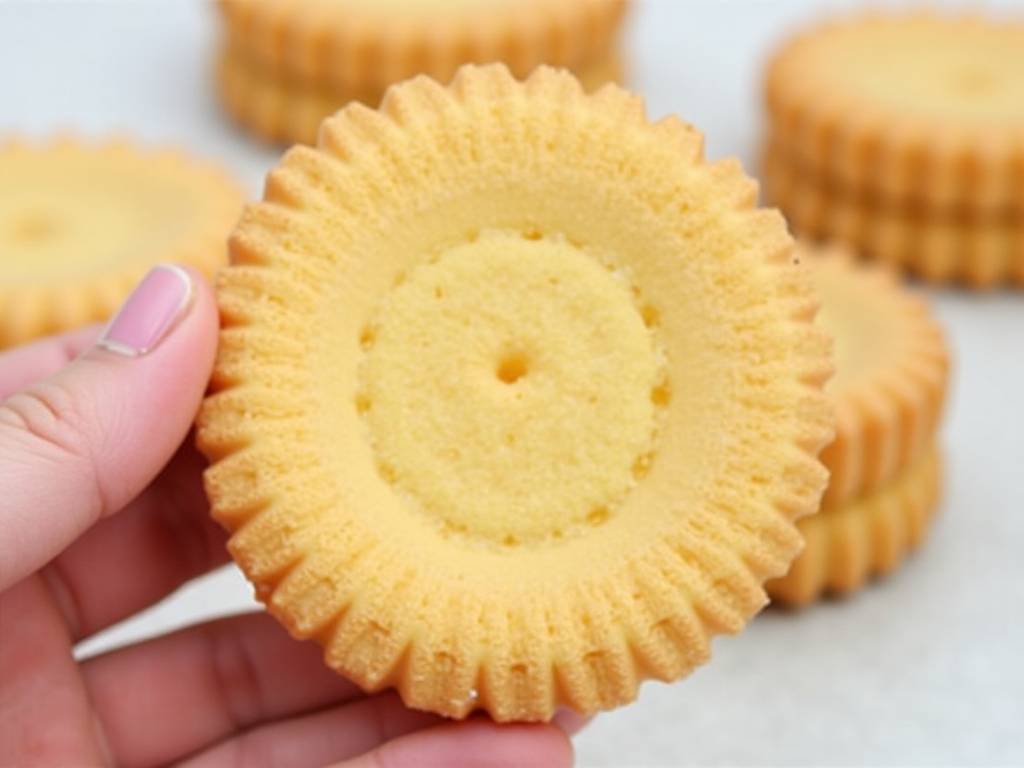
Essential Ingredients for the Ultimate Fusion
The magic starts with quality components. Each ingredient plays a specific role in creating that perfect fusion of crispy cookies and cheese.
Let’s start with the star: the cheese. Full-fat, brick-style cream cheese is non-negotiable. The spreadable kind in tubs contains more water and stabilizers, which can throw off your dough’s consistency. You want that pure, tangy richness. For the cookie base, I insist on unsalted butter. It gives you complete control over the salt level, which is crucial for balancing sweetness and enhancing the cheese flavor.
Flour choice matters. All-purpose flour provides the right structure. I sometimes substitute a small portion (about 10%) with cornstarch. This little trick, backed by pastry chefs like Claire Saffitz, tenderizes the crumb, pushing it closer to that velvety cheesecake texture. Don’t forget the acid. A touch of fresh lemon juice or zest doesn’t make the cookies taste lemony; instead, it brightens the cream cheese flavor, mimicking the subtle tang of a traditional cheesecake.
Step-by-Step Guide to Baking Perfection
This process is about technique as much as ingredients. Rushing can lead to flat, greasy cookies instead of the proud, textured puffs we’re after.
First, master the cream. Your cream cheese and butter must be at true room temperature—soft to the touch but not oily. I beat them together just until smooth and combined. Over-beating here incorporates too much air, which can cause collapse later. Gradually add the sugars. The combination of granulated and light brown sugar is key. The granulated sugar promotes spread and crispness, while the brown sugar adds moisture and a hint of caramel depth.
Incorporate the egg and vanilla, then the dry ingredients. I sift the flour, cornstarch, baking powder, and salt together. This isn’t just for show; it prevents lumps and ensures even leavening. Mix until the last trace of flour disappears, then stop. Overworking the dough develops gluten, leading to toughness.
Here’s a pro tip: chilling is mandatory. This firm, creamy dough needs at least two hours, preferably overnight, in the refrigerator. This solidifies the fat, preventing the cookies from spreading into thin pancakes in the oven. It also allows the flavors to marry deeply.
Baking Techniques for the Ideal Texture
Preheat your oven properly—375°F (190°C) is the sweet spot. Line your baking sheets with parchment paper. For picture-perfect cookies, I use a medium cookie scoop. Roll the chilled dough into balls, then roll the tops generously in crushed graham crackers. This is the “crust” of your cheesecake cookie, adding crunch and nostalgic flavor.
Space them well on the sheet. They will spread. Bake for 11-13 minutes. They should look puffed and set around the edges, but the centers will still seem soft. This is critical. They will finish setting as they cool on the sheet. If you wait for the centers to look fully cooked in the oven, you’ll overbake them. That soft center is your cheesecake-like prize.
Creative Flavor Variations and Add-Ins
Once you’ve mastered the classic, the canvas is yours to paint. The fusion of crispy cookies and cheese is incredibly versatile.
For a New York-style twist, fold in a handful of mini chocolate chips or chopped chocolate. The bitterness contrasts beautifully with the sweet cheese. Fruit swirls are another fantastic option. Before baking, make a small indentation in the dough ball and add a dollop of thick strawberry or raspberry jam. As it bakes, it sinks in, creating a fruity core.
Love salted caramel? Sprinkle a few flakes of sea salt on the dough balls right before baking. The salty-sweet combination is irresistible. For an autumn version, incorporate a teaspoon of pumpkin pie spice into the dry ingredients and use crushed ginger snaps instead of graham crackers.
Storing and Serving Your Cheesecake Cookies
These cookies are best enjoyed the day they are baked, when the contrast between the crisp edge and soft center is most dramatic. Store any leftovers in an airtight container at room temperature for up to 2 days. For longer storage, I freeze the unbaked dough balls on a tray before transferring them to a freezer bag. You can bake them straight from the freezer, adding just a minute or two to the baking time.
They are sublime with a cold glass of milk or a cup of coffee. For a truly decadent dessert, warm one slightly and serve it à la mode with a scoop of vanilla bean ice cream.
Troubleshooting Common Issues
Even with a great recipe, small things can happen. If your cookies spread too much, your dough likely wasn’t chilled long enough, or your butter was too warm. Next time, ensure a solid chill. If they are too cakey, you may have measured too much flour. Use the spoon-and-level method for accuracy.
If the cheese flavor isn’t pronounced enough, try adding an extra ounce of cream cheese, reducing the butter by half an ounce to compensate. Remember, ovens vary. Use the visual cues—puffed edges, soft center—as your primary guide, not just the timer.
Why did my cookies turn out flat and greasy? This is almost always due to insufficiently chilled dough or butter and cream cheese that were too soft when creamed. The fat melts too quickly in the oven before the structure sets. Ensure your ingredients are at the correct temperature and never skip the chilling step.
Can I use low-fat cream cheese? I don’t recommend it. The higher water content and different texture of low-fat cream cheese will alter the dough’s hydration and fat content, leading to a less tender cookie and a muted flavor. For the true fusion of crispy cookies and cheese, full-fat is the way to go.
How can I make sure the center stays soft and creamy? The key is under-baking them slightly. Remove them from the oven when the edges are set and lightly golden, but the centers still look soft and underdone. They will continue to cook from residual heat as they cool on the baking sheet, setting to a perfect soft-chewy consistency.
Mastering the cheesecake cookie is about embracing the hybrid. It’s a treat that satisfies multiple cravings at once, offering the handheld convenience of a cookie with the sophisticated, creamy pleasure of cheesecake. By understanding the role of each ingredient and respecting the process—especially the chill time—you can consistently produce bakery-quality results at home. So, preheat your oven, and get ready to experience the best of both dessert worlds in one unforgettable bite.
⚠️ 温馨提示:本款蛋糕含糖量较高,高血糖/糖尿病患者请谨慎食用。





