bluename
 The journey to a perfect cheesecake is a delicious science, and one of the most crucial, yet often overlooked, ingredients is sugar. It’s not just about sweetness; it’s about texture, color, moisture, and, most importantly, flavor complexity. The type of sugar you choose can transform your cheesecake from a simple, sweet treat into a nuanced dessert with layers of taste and a sublime mouthfeel. Let's explore the wonderful world of sugars and discover how each one can influence your final creation.
Think of sugar as more than just a sweetener. In cheesecake, it plays several vital roles. Firstly, it obviously provides sweetness, balancing the tang of the cream cheese and the sour notes from any added sour cream or yogurt. But its functions go deeper. Sugar interacts with the proteins and fats in the cheesecake batter, helping to create a tender, fine crumb. It also attracts and holds moisture, which is essential for that creamy, lush texture we all love. Furthermore, when baked, sugar caramelizes, contributing to the beautiful golden-brown color on the surface. Choosing the right sugar is like selecting the right spice—it defines the character of your dessert.
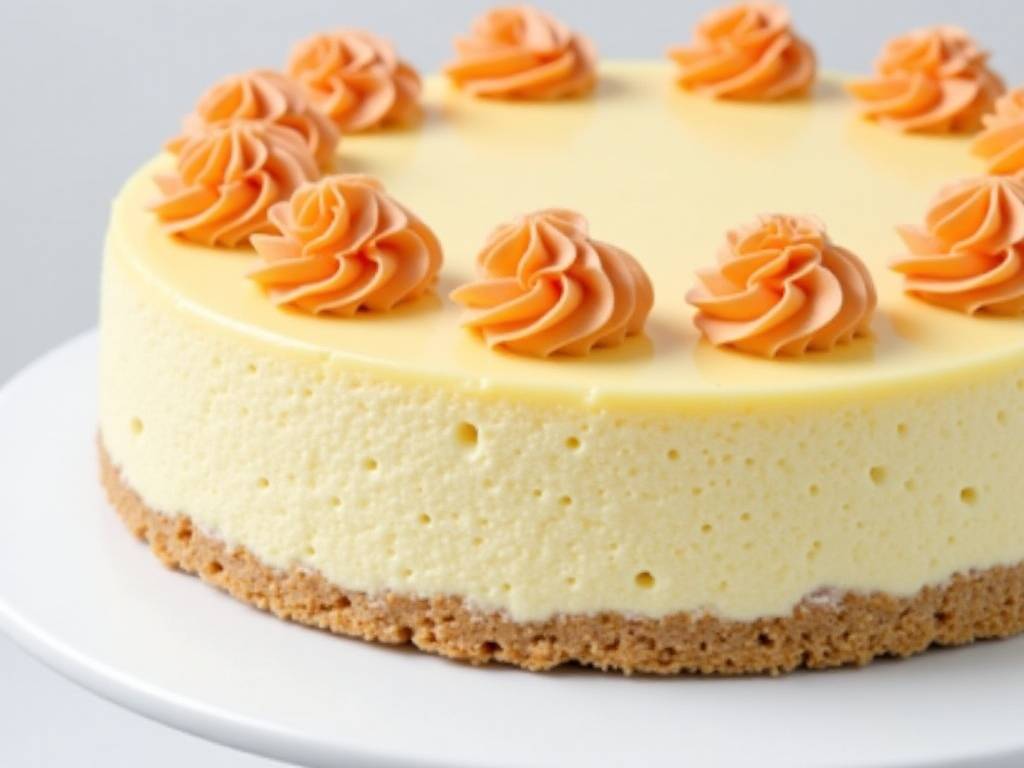
Let's start with the most common player in the baking world: granulated white sugar. This is the standard, the benchmark against which all other sugars are measured. Made from either sugarcane or sugar beets, its fine crystals dissolve easily into the creamy cheesecake batter. Why is it so popular? It provides a clean, straightforward sweetness that doesn't compete with other flavors. It allows the primary tastes of high-quality cream cheese, vanilla, and a buttery crust to shine through. If you're making a classic New York-style cheesecake or a simple vanilla bean cheesecake, granulated white sugar is your best bet for achieving that iconic, pure flavor profile. Its neutral sweetness ensures a consistently smooth and pale batter, leading to a classic, creamy yellow interior.
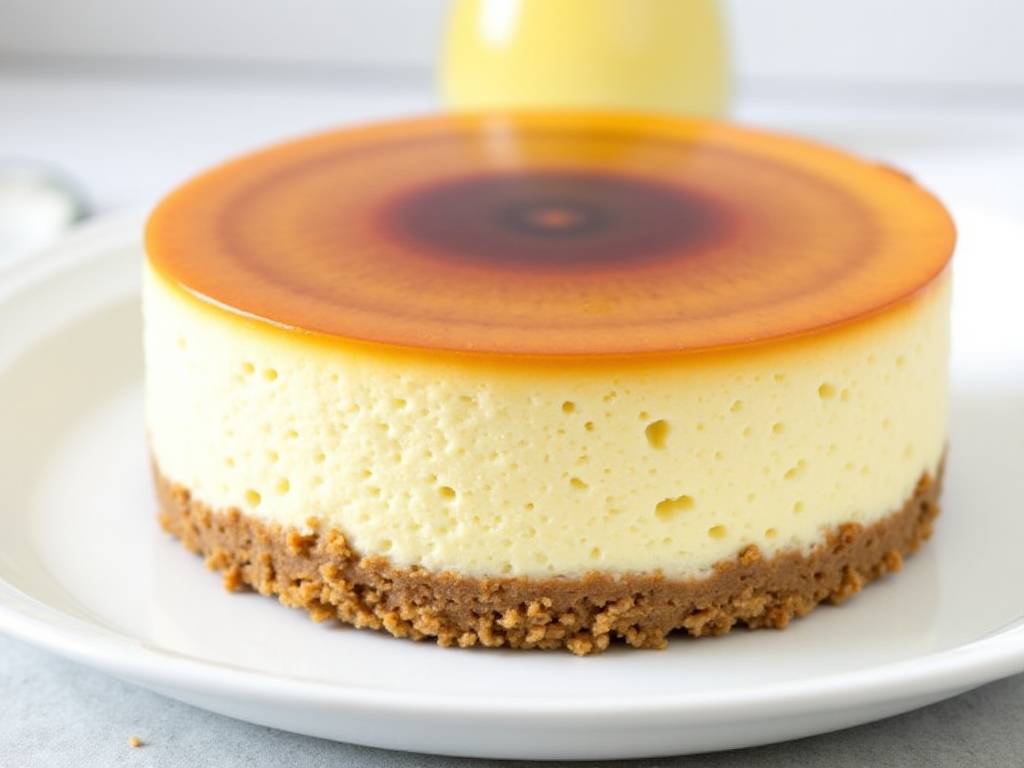
Now, let's talk about its close cousin, superfine sugar, sometimes known as caster sugar. The granules of this sugar are much finer than those of regular granulated sugar. This might seem like a small detail, but it makes a significant difference, especially in no-bake cheesecakes or recipes where the batter is not cooked for a long time. The tiny crystals dissolve almost instantaneously, which prevents any grittiness in the final texture. For a silky-smooth, mousse-like cheesecake, superfine sugar is a fantastic choice. It incorporates more air when creamed with the cream cheese, leading to a slightly lighter texture. If texture perfection is your goal, this sugar is a secret weapon.
For many bakers, brown sugar is the key to a deeper, richer flavor dimension. Brown sugar is essentially white sugar with molasses added back into it. The amount of molasses determines whether it's light or dark brown sugar. This molasses content is what gives brown sugar its distinctive flavor and color. When you use brown sugar in your cheesecake, you're introducing warm notes of caramel, toffee, and a slight hint of spice. It pairs exceptionally well with flavors like pumpkin, apple cinnamon, gingerbread, or chocolate. A cheesecake made with dark brown sugar will have a darker, beige-colored batter and a more robust, almost caramel-like flavor. It also contributes to a moister, denser crumb because the molasses is hygroscopic, meaning it holds onto moisture even more effectively than white sugar. For a fall-inspired cheesecake or one with a cozy, comforting profile, brown sugar is an excellent choice.
Confectioners' sugar, also called powdered sugar, is another interesting option. This is white sugar that has been ground into a fine powder and mixed with a small amount of cornstarch to prevent caking. Because it's so fine, it dissolves incredibly easily, making it another great candidate for no-bake cheesecakes or fillings that won't see the heat of an oven. However, the small amount of cornstarch can slightly thicken your batter. Its primary use in baked cheesecakes is often in the crust or as a dusting on top for decoration. If you do use it in the filling, be aware that it can sometimes lead to a slightly less creamy texture compared to granulated sugar because of the cornstarch, but the difference is often minimal in well-tested recipes.
Venturing beyond the basics, we find a world of less common sugars that can add unique character. Coconut sugar, for instance, has a deep, caramel-like flavor similar to brown sugar but with a slightly more complex, almost nutty undertone. It can be used one-for-one in place of white sugar, though it will give your cheesecake a distinct tan color and a rich, earthy sweetness. It’s a popular choice for those looking for a lower glycemic index option, though it is still a form of sugar.
Another fascinating alternative is maple sugar. This is made by dehydating maple syrup until all the moisture is gone, leaving behind granulated crystals. The flavor is pure, concentrated maple. Using maple sugar in a cheesecake, especially one paired with pecans or bacon for a sweet-and-salty twist, creates an unforgettable autumnal dessert. Like coconut sugar, it can typically be substituted one-for-one, but its strong flavor will be the star of the show.
For the true adventurer, there is muscovado sugar. This is an unrefined cane sugar with a very strong molasses content and a damp, sandy texture. Its flavor is intensely rich and complex, with bitter, smoky, and toffee-like notes. Using muscovado sugar is not for the faint of heart. It will dramatically darken your cheesecake and impart a very powerful, almost rum-like flavor. It's best used in small quantities, perhaps mixed with white sugar, or in a cheesecake where a very bold flavor is desired, such as a dark chocolate or espresso cheesecake.
When you decide to get creative and substitute sugars, there are a few practical tips to keep in mind. A direct one-to-one swap by volume (e.g., one cup of white sugar for one cup of brown sugar) usually works quite well. However, if you are measuring by weight, the differences in density can matter. Remember that brown sugar, because of the molasses, is heavier and more moist. This added moisture can affect the overall texture, potentially making your cheesecake denser. If you are substituting a liquid sugar like honey or maple syrup for granulated sugar, you need to reduce the other liquids in the recipe slightly to compensate. These liquid sugars also promote faster browning, so you may need to lower your oven temperature by 25 degrees Fahrenheit to prevent the top from getting too dark before the center is set.
The best way to truly understand the flavor influence of different sugars is to experiment. Why not try a simple cheesecake recipe and divide the batter into several small ramekins? Sweeten one with white sugar, another with brown sugar, and a third with coconut sugar. Bake them together and then have a tasting session. You will be amazed at how distinctly different each one tastes. You might discover that you prefer the deep caramel notes of brown sugar in your classic cheesecake, or that the delicate dissolution of superfine sugar gives you the perfect no-bake texture.
Ultimately, the sugar you choose is a fundamental part of your cheesecake's identity. It’s not just a sweetener; it’s a flavor agent, a textural modifier, and a color contributor. From the clean, classic sweetness of granulated white sugar to the warm, moist complexity of brown sugar and the unique personalities of coconut or maple sugar, each type offers a new path to a delicious destination. So next time you set out to make a cheesecake, pause for a moment and consider your sugar. That simple choice is your first and most important step in crafting a truly memorable dessert.