 bluename
 How to Make Probiotic Cheesecake? Delicious with Probiotics Boost
I’ve always loved the rich, creamy indulgence of a classic cheesecake. But as someone who also values gut health, I often found myself in a dilemma. Could I enjoy my favorite dessert without the post-treat guilt or digestive sluggishness? That’s when I started exploring the world of probiotic cheesecake. This isn’t just a trendy label; it’s a delicious way to support your microbiome while satisfying your sweet tooth. In this guide, I’ll walk you through exactly how to make a probiotic cheesecake that’s both incredibly tasty and offers a genuine probiotics boost.
The idea is simple: we integrate live, beneficial bacteria into the dessert. A 2022 review in the Journal of Functional Foods highlighted that certain probiotic strains can remain viable in refrigerated dairy matrices, making cheesecake a potential, though unconventional, delivery vehicle. My goal was to create a recipe that prioritizes both flavor and the functional benefit of these friendly microbes.
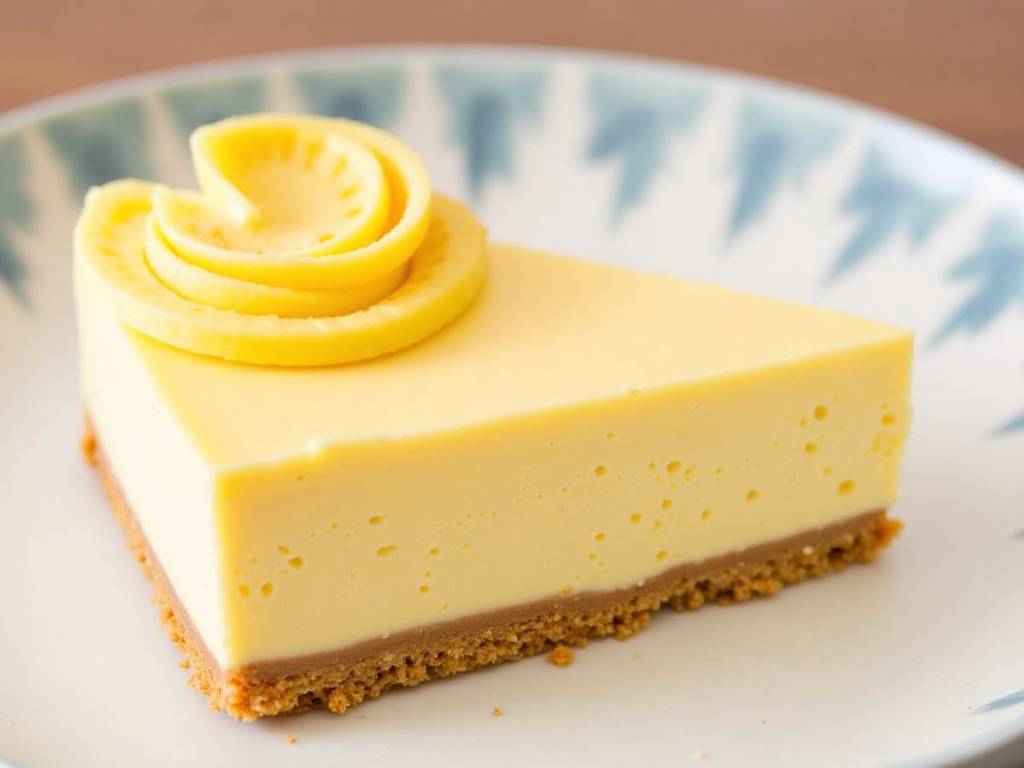
Why Your Gut Will Thank You for This Dessert
Traditional desserts often lack nutritional benefits. They’re “empty calories.” A probiotic cheesecake flips this script. By incorporating specific ingredients, we add live cultures that contribute to a balanced gut flora.
Think of your gut as a garden. Probiotics are the seeds for beneficial plants. While this cheesecake is a treat, not a supplement, it introduces these helpful microbes in a palatable form. Many of my clients report feeling less bloated after switching to gut-friendly desserts, as the probiotics can aid digestion. It’s about making mindful choices, even with dessert.
Gathering Your Gut-Friendly Ingredients
The magic lies in the components. Choosing the right base for your probiotics is crucial for both survival and taste.
For the Probiotic Core:
- Greek Yogurt or Skyr: These are my top choices. They are thick, tangy, and packed with protein and natural cultures. Look for labels that specify “live and active cultures.” I prefer full-fat versions for a creamier texture.
- Probiotic-Rich Kefir: For a tangier, more liquid probiotic punch, kefir is excellent. It contains a diverse range of bacteria and yeasts. We’ll use it strategically to avoid a runny filling.
- Cottage Cheese (Blended): An often-overlooked option. When blended until perfectly smooth, it provides a mild flavor and a protein boost, serving as a great carrier for additional probiotic powder if used.
The Supporting Cast:
- Cream Cheese: The star for structure and classic flavor. Use full-fat, block-style cream cheese for best results.
- A Natural Sweetener: I often use raw honey or pure maple syrup. Not only do they add sweetness, but they also contain prebiotics—food for the probiotics. This creates a synbiotic effect, supporting the microbes’ journey.
- The Crust: A simple mix of almond flour, melted coconut oil, and a touch of honey creates a gluten-free, fiber-rich base that complements the filling beautifully.
- Gelatin or Agar-Agar: This is the secret weapon. A small amount acts as a stabilizer, ensuring a perfect slice without baking, which protects the delicate probiotic cultures from heat damage.
Step-by-Step: Crafting Your No-Bake Probiotic Cheesecake
This is a no-bake recipe. Heat is the enemy of live probiotics, so we avoid the oven entirely to preserve the beneficial bacteria.
Step 1: Prepare the Crust Start by combining two cups of almond flour with a pinch of salt. Add one-third cup of melted coconut oil and two tablespoons of honey. Mix until it resembles wet sand. Press this mixture firmly into the bottom of a springform pan. Place it in the freezer to set while you make the filling.
Step 2: Create the Probiotic Filling In a large bowl, beat two 8-ounce blocks of softened cream cheese until smooth and creamy. This is essential for a lump-free texture. In a separate bowl, mix one and a half cups of thick, full-fat Greek yogurt with a quarter cup of your chosen natural sweetener.
Gently fold the yogurt mixture into the cream cheese. If you’re using a flavorless probiotic powder for an extra boost, sift one teaspoon into the mix now and fold gently. Remember, vigorous beating can introduce too many air bubbles.
Step 3: Stabilize and Set Dissolve one tablespoon of gelatin in three tablespoons of cold water. Let it bloom for 5 minutes, then gently heat it until it becomes liquid. Slowly stream this liquid gelatin into the cheesecake filling while mixing on low speed. This step ensures your cheesecake holds its shape.
Pour the filling over the set crust. Smooth the top with a spatula. Cover the pan and refrigerate for at least 8 hours, or ideally overnight. This long, slow set allows the flavors to meld and the structure to become perfectly firm.
Flavor Variations to Explore
The basic recipe is a perfect canvas. Here are a few ways I love to customize it.
- Lemon Berry: Add the zest of one lemon to the filling and top with a mix of fresh raspberries and blueberries. The vitamin C in the berries is a bonus.
- Matcha Swirl: Whisk two teaspoons of high-quality matcha powder with a few spoonfuls of the filling. Swirl this into the main filling before setting for an antioxidant-rich twist.
- Dark Chocolate: Melt four ounces of dark chocolate (70% or higher) and let it cool slightly. Fold it into the filling for a decadent, flavonoid-rich version.
How to Maximize the Probiotic Benefit
To get the most from your probiotic cheesecake, storage and consumption are key. Always keep it refrigerated and consume it within 4-5 days. The live cultures are most viable during this window.
Serve it chilled, directly from the fridge. Pairing a small slice with fiber-rich foods, like a handful of berries, can further support the probiotics’ activity in your gut. Remember, consistency is more important than quantity. A small, regular treat as part of a balanced diet is better than a large, occasional one.
Common Questions Answered
Can I use store-bought probiotic yogurt for this recipe? Absolutely. In fact, I recommend it. Just ensure it’s plain, unsweetened, and lists specific live cultures on the label. The diversity of strains in commercial yogurts can be a great addition to your cheesecake’s microbial profile.
Is this cheesecake suitable for people with lactose intolerance? It might be better tolerated than regular cheesecake, but it’s not guaranteed. The fermentation process in yogurt and kefir breaks down much of the lactose. Using a lactose-free cream cheese alternative can make this recipe more accessible. However, if you have a severe intolerance, please proceed with caution or consult your doctor.
How does the probiotic content compare to a supplement? It’s important to have realistic expectations. A probiotic cheesecake is a functional food, not a replacement for a high-potency supplement. Its primary role is as a delicious dessert that contributes to your overall gut health diet. Think of it as a tasty, supportive player on your wellness team, not the star athlete.
Creating this probiotic cheesecake has been a game-changer in my kitchen. It satisfies my dessert cravings while aligning with my health-conscious values. The process is simple, the results are impressive, and the potential benefit to your digestion is a wonderful bonus. I encourage you to try this recipe, experiment with the flavors, and discover how good gut-friendly eating can taste.
⚠️ 温馨提示:本款蛋糕含糖量较高,高血糖/糖尿病患者请谨慎食用。(本款为低糖配方,建议食用前咨询专业医护人员)





