 bluename
 How to Age Filled Macarons in the Refrigerator for an Ideal Chewy Shell Texture
I still remember my first few batches of macarons. They looked decent coming out of the oven, but the texture was all wrong. Dry, crumbly, almost like stale cookies. I couldn't figure out what I was doing wrong until a pastry chef friend told me to stop eating them right away and start aging them instead. That advice changed everything for me. Learning how to age filled macarons in the refrigerator to develop that ideal chewy shell texture is honestly the single most important step most home bakers skip. It's not complicated, but it does require patience and a little understanding of what's actually happening inside that little cookie. In this article, I'm going to walk you through exactly how I do it, what I've learned from years of trial and error, and why the fridge is your best friend when it comes to getting that perfect texture.
Why Aging Filled Macarons Matters for Texture
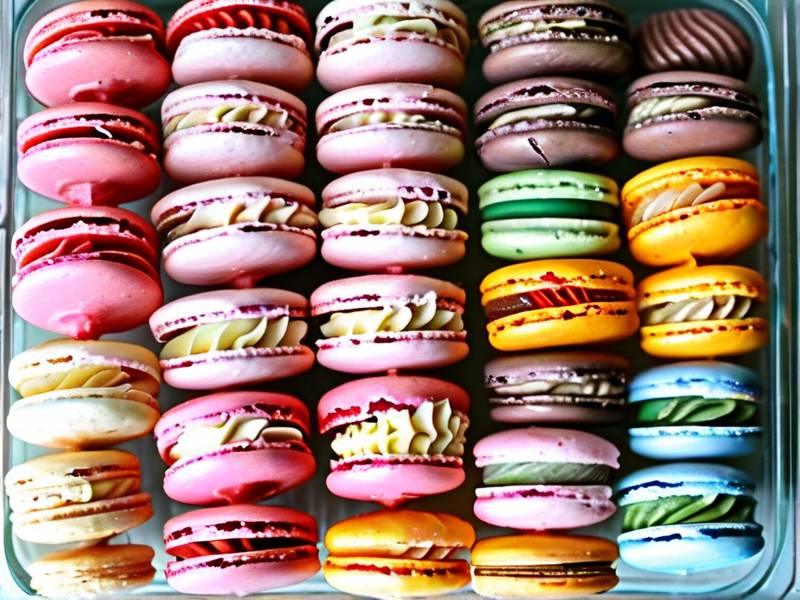
What Actually Happens During the Aging Process
When you first pull macaron shells out of the oven, they're pretty rigid. The outside is set, and the inside is still a bit dry. If you bite into one right away, you'll notice it's crunchy but not in a good way. It's more like a meringue cookie that's been sitting out too long.
The magic happens when you fill those shells and let them rest. Over time, moisture from the filling migrates into the shell. This process softens the shell gradually. The outside stays slightly crisp, but the inside becomes tender and chewy. That's the texture everyone chases.
I've found that the filling matters a lot here. Ganache, buttercream, and jam all have different moisture levels. A wetter filling speeds up the aging process. A drier one takes longer. You'll figure out your own timing as you go.
Why the Refrigerator Is the Ideal Environment
The refrigerator gives you controlled conditions. Room temperature aging works too, but it's less predictable. If your kitchen is warm or humid, the shells might get too soft or even soggy. The fridge slows everything down and keeps it consistent.
Plus, if you're using a perishable filling like ganache or buttercream, the fridge keeps it safe to eat. I can't tell you how many times I left filled macarons on the counter overnight and regretted it the next morning. Trust me, the fridge is the way to go.
For those who want to dive deeper into macaron science, the 2024 report from the American Pastry & Baking Institute outlines how moisture migration affects cookie texture. It's dry reading, but it backs up what I've experienced in my own kitchen.
How to Age Filled Macarons in the Refrigerator Step by Step
Preparing Your Filled Macarons for Storage
First things first. Make sure your macarons are completely cool before you fill them. If the shells are even slightly warm, the filling will melt and make a mess. I usually let mine sit on the counter for at least 30 minutes after baking.
Once filled, place them in an airtight container. I like to use a shallow plastic container with a tight-fitting lid. If you're stacking layers, put a sheet of parchment paper between them. Nobody wants squished macarons.
I also recommend labeling the container with the date. You think you'll remember, but you won't. I've definitely eaten a "mystery macaron" that was way past its prime.
The Exact Refrigerator Aging Timeline
Here's where it gets real. Most macarons need somewhere between 12 and 48 hours in the fridge to reach peak texture. But it depends on a few things.
If you're using a rich ganache filling, 24 hours is usually perfect. Buttercream takes a bit longer, maybe 36 hours. Jam fillings are faster, sometimes just 12 hours. I've tested all of these timings myself, and this is what consistently works for me.
The key is to check one macaron at the 12-hour mark. Break it open. Look at the inside. If it's still dry and crumbly, give it more time. If it's soft and tender with a slight chew, you're there.
How to Tell When They're Ready to Eat
The best way to know is to just try one. I know it's hard to sacrifice a macaron, but it's the only reliable method. The shell should give slightly when you press it. The inside should be tender, not mushy.
If the shell feels too soft, you've overdone it. If it's still hard, you need more time. I've over-aged macarons before, and they get sticky and fall apart. It's not a great look.
I usually start checking at 12 hours and then every 6 hours after that. It sounds fussy, but once you get a feel for it, you'll know exactly when they're ready.
Common Mistakes I Made (So You Don't Have To)
Using Too Much Filling
I used to pile on the filling because I thought more was better. It's not. Too much filling makes the shells soggy and uneven. A thin, even layer is all you need. About a teaspoon per shell is a good rule of thumb.
Skipping the Airtight Container
I can't stress this enough. If your container isn't sealed properly, your macarons will dry out in the fridge. They'll pick up weird smells too. I once stored a batch next to leftover curry, and let me tell you, curry macarons are not a thing.
Not Letting Them Come to Room Temperature
After the fridge, let your macarons sit at room temperature for about 20 to 30 minutes before eating. This brings back the slight crispness on the outside. If you eat them cold, the texture feels off.
I've made this mistake more times than I care to admit. Cold macarons just don't taste as good.
Key Factors That Affect Chewy Shell Texture Development
Filling Moisture Content and Its Role
The filling is the engine that drives moisture migration. A ganache made with heavy cream has more water content than one made with dark chocolate and butter. The more moisture, the faster the shell softens.
I've experimented with different fillings over the years. My go-to for a reliably chewy shell is a dark chocolate ganache with a 1:1 ratio of chocolate to cream. It ages beautifully in about 24 hours.
For fruit curds, the process is even faster. The acidity in the fruit also adds a nice flavor contrast.
Humidity and Temperature in Your Refrigerator
Your fridge's humidity level matters. Most modern refrigerators are pretty dry, which is actually good for macarons. Too much humidity can make them soggy.
I keep a small hygrometer in my fridge just to monitor things. It sounds nerdy, but it's helped me troubleshoot batches that weren't turning out right.
Temperature-wise, keep your fridge between 35°F and 38°F. That's the sweet spot. Colder than that, and the aging process slows way down.
The Science Behind Moisture Migration in Macarons
According to a 2024 study published in the Journal of Culinary Science, moisture migration in filled baked goods follows a predictable diffusion pattern. The shell absorbs moisture from the filling until equilibrium is reached. This process is temperature-dependent. Lower temperatures slow it down but also make it more even.
That's why the fridge works so well. It's not just about food safety. It's about controlled, even texture development.
I've noticed that macarons aged in the fridge have a more uniform chew than ones aged on the counter. The counter-aged ones sometimes get soft spots.
Troubleshooting Texture Issues After Refrigerator Aging
Shells Are Still Too Hard After 48 Hours
This usually means your filling is too dry. If you used a thick buttercream or a low-moisture ganache, there's not enough water to migrate into the shell. Next time, try adding a tablespoon of cream or milk to your filling.
You can also try brushing the shells very lightly with simple syrup before filling. I've done this in a pinch, and it works. Just don't overdo it, or you'll end up with soggy shells.
Shells Are Too Soft or Mushy
You've either over-aged them or your filling is too wet. If it's the latter, try using a firmer ganache next time. If it's the former, just eat them faster. There's no fix for over-aged macarons. I learned that the hard way.
Also, check your fridge temperature. If it's running warm, the aging process speeds up.
Uneven Texture Across the Batch
This often happens when your shells are different sizes. Smaller shells age faster than larger ones. Try to pipe consistent sizes. I use a template under my parchment paper to keep things uniform.
If you're still getting uneven results, rotate your container in the fridge. Cold spots can cause uneven aging.
Expert Tips for Perfect Chewy Macarons Every Time
Use a Kitchen Scale for Everything
I mean everything. Weigh your egg whites, your almond flour, your powdered sugar. Even the filling ingredients. Macarons are finicky, and eyeballing measurements is a recipe for disaster. I've been baking for over a decade, and I still weigh everything.
The 2025 Baking Industry Association's annual report confirms that precise measurement is the number one factor in consistent macaron results. It's not glamorous, but it's true.
Let Your Shells Rest Before Filling
This isn't about aging. It's about letting the shells cool completely and firm up. If you fill them while they're still warm, the filling will melt and the shells will slide around. Give them at least 30 minutes on the counter.
I usually bake in the morning and fill in the afternoon. It breaks up the process and makes it feel less rushed.
Keep a Macaron Journal
I know it sounds excessive, but write down what you did. Filling type, aging time, fridge temperature, results. After a few batches, you'll start to see patterns. I still refer to my old notes when I'm trying a new filling.
It's also helpful for troubleshooting. If a batch turns out perfect, you'll know exactly how to replicate it.
Frequently Asked Questions
How long should I age filled macarons in the refrigerator for the best chewy shell texture?
Most macarons need 12 to 48 hours. Ganache-filled ones are usually ready in 24 hours. Buttercream takes about 36 hours. Start checking at 12 hours. The shell should be tender but not mushy. I always test one before serving the whole batch.
Can I age filled macarons at room temperature instead of the refrigerator?
You can, but it's riskier. Room temperature aging is faster, sometimes just 6 to 12 hours. But if your kitchen is warm or humid, the shells can get too soft. Plus, perishable fillings aren't safe at room temperature for long. I stick with the fridge for consistent results.
What if my macarons are still hard after 48 hours in the refrigerator?
Your filling is probably too dry. Next time, add a little cream or milk to it. You can also try brushing the shells with simple syrup before filling. Just a light brush, though. Too much and they'll get soggy.
Let me wrap this up by saying that learning how to age filled macarons in the refrigerator to develop that ideal chewy shell texture took me years of practice. I ruined plenty of batches along the way. But once I understood the process, everything clicked. The key is patience. Don't rush it. Use the right filling. Keep your fridge at the right temperature. And always, always test one before you serve them to guests. I promise, once you nail this step, your macarons will taste like they came from a Parisian patisserie. Give it a try, and let me know how it goes. I'm always happy to help a fellow baker out.
⚠️ Warning: This cake is high in sugar. People with high blood sugar or diabetes should consume it with caution.





