 bluename
 How to Bake Coconut Butter Cookies: Small Tropical Sweet Crispy Snack Bites
I still remember the first time I tried to bake coconut butter cookies. My kitchen smelled like a tropical vacation, but the cookies came out soft and sad. They spread into one flat mess on the baking sheet. I was so frustrated. After years of testing and failing and testing again, I finally figured out how to bake coconut butter cookies that are small, tropical, sweet, and crispy. These little snack bites are now my go-to treat for parties, lunchboxes, and late-night cravings. If you want that perfect crunch without weird ingredients, this guide is for you. I will share everything I learned, from choosing the right coconut butter to nailing the bake time. No fancy tools needed. Just real, honest baking advice from someone who has burned more batches than I care to admit.
What Makes Coconut Butter Cookies So Special?
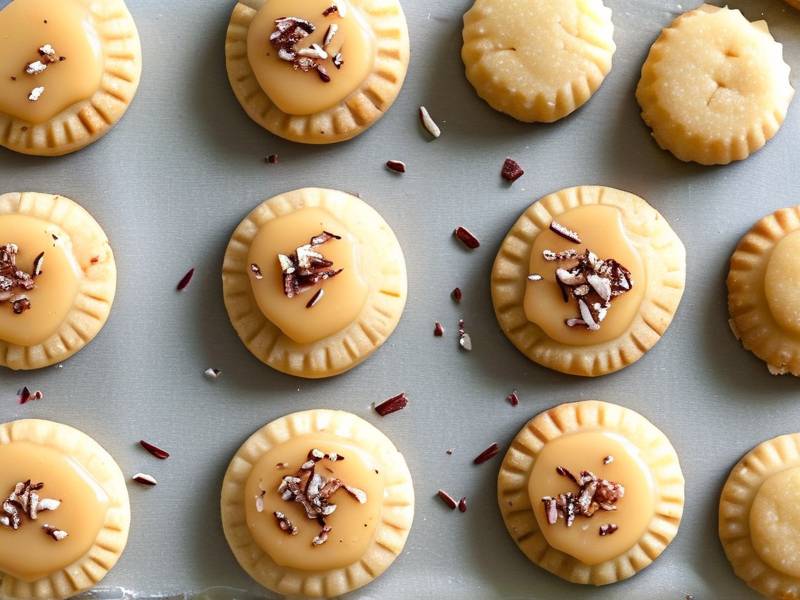
Honestly, coconut butter is not the same as coconut oil. I made that mistake early on. Coconut butter is blended whole coconut meat. It is thick, creamy, and naturally sweet. Coconut oil is just the fat. If you swap one for the other, your cookies will fail. I learned this the hard way. So please do not skip this part.
Why Coconut Butter Creates That Tropical Flavor
Coconut butter brings a rich, nutty, tropical taste. It also adds natural sweetness. You do not need as much sugar. That is a win for me. I love that these small crispy snack bites taste like a beach day. The flavor is deep and real, not fake like some extracts. You can find coconut butter in most health food stores or online. Just make sure it is pure and unsweetened. I once bought a sweetened version by accident. The cookies were way too sugary. Trust me on this one.
Small Bites vs. Regular Cookies: Why Size Matters
Small cookies bake faster and get crispier. That is just science. When you make tiny coconut butter cookies, the edges dry out quickly. The center stays tender but firm. I tried making large cookies once. They were chewy and soft, not crispy. If you want that signature crunch, go small. I use a teaspoon to scoop the dough. Each ball is about one inch wide. They spread a little in the oven. That is perfect. You get a whole tray of pop-in-your-mouth tropical sweet crispy snack bites.
The Exact Ingredients I Use for Crispy Coconut Butter Cookies
Let me walk you through my trusted ingredient list. I have tweaked this many times. Each item has a job. Do not swap things randomly. I tried that. It never ends well.
Coconut Butter: The Star Ingredient
You need one cup of smooth, stirred coconut butter. Stir it well because the oil separates. I warm the jar in a bowl of hot water for five minutes. That makes scooping easier. If your coconut butter is hard and dry, your dough will be crumbly. I keep mine at room temperature. Never microwave it directly. It burns fast.
Flour Choice for Small Crispy Snack Bites
I use one and a half cups of all-purpose flour. Some people swear by almond flour. I tried it. The cookies were too soft. They tasted fine, but they did not crunch. If you want a gluten-free version, use a one-to-one baking blend. I tested a few. King Arthur brand works best for me. But honestly, all-purpose flour gives the crispiest result.
Sweetener and Binding Agents
I use half a cup of white sugar and two tablespoons of brown sugar. The brown sugar adds moisture and a slight caramel note. For binding, I use one large egg and one teaspoon of vanilla extract. The egg helps the cookies hold together. Without it, they crumble. I also add half a teaspoon of baking soda and a quarter teaspoon of salt. Salt balances the sweet. Never skip it.
Optional Add-Ins for Extra Tropical Vibes
Sometimes I add two tablespoons of shredded coconut. It makes the cookies more textured. I also like a quarter teaspoon of almond extract. It pairs beautifully with coconut. But keep it simple. Too many add-ins make the dough heavy. Heavy dough means soft cookies. And we want crispy.
How to Bake Coconut Butter Cookies Step by Step
This is the part where most people mess up. I know I did. Follow these steps closely. Your kitchen will smell amazing. And your cookies will actually crunch.
Step 1: Preheat and Prepare Your Baking Sheet
Preheat your oven to 350°F (175°C). Line a baking sheet with parchment paper. Do not use wax paper. It melts. I learned that the hard way. Parchment paper gives you easy cleanup and no sticking. Let the oven heat for at least 15 minutes. A hot oven is key for crispy small tropical sweet crispy snack bites.
Step 2: Mix Wet Ingredients Until Smooth
In a large bowl, combine the coconut butter, white sugar, and brown sugar. Stir until creamy. This takes about two minutes by hand. You can use a mixer. I prefer a wooden spoon. It gives me control. Add the egg and vanilla. Mix until fully combined. The mixture should look glossy and thick.
Step 3: Whisk Dry Ingredients Separately
In another bowl, whisk the flour, baking soda, and salt. This step seems boring. But it matters. It prevents clumps. Clumps lead to uneven baking. I once skipped whisking. I bit into a salty pocket. Never again.
Step 4: Combine Wet and Dry Gently
Pour the dry mix into the wet mix. Stir with a spatula. Stop when you see no dry flour. Do not overmix. Overmixing makes tough cookies. Tough is not crispy. The dough will be slightly sticky. That is normal. If it is too wet, add one tablespoon of flour. If too dry, add one teaspoon of coconut butter.
Step 5: Scoop Small Balls and Place Them Apart
Use a teaspoon to scoop dough. Roll into one-inch balls. Place them two inches apart on the baking sheet. They will spread. I fit about 12 cookies per sheet. Do not crowd them. Crowding steams the cookies. Steamed cookies are soft. We want crispy.
Step 6: Bake Until Golden Brown Edges Appear
Bake for 10 to 12 minutes. Watch carefully after 8 minutes. The edges should be golden brown. The centers will look soft. That is fine. They firm up as they cool. If you bake until the center is hard, you will burn them. I did that once. My smoke alarm went off. Not my best moment.
Step 7: Cool Completely on a Wire Rack
Let the cookies sit on the baking sheet for two minutes. Then move them to a wire rack. Cool for at least 15 minutes. They crisp up as they cool. If you eat them warm, they will be chewy. That is okay. But for true crispy snack bites, wait. I know it is hard. Patience pays off.
My Biggest Mistakes and How You Can Avoid Them
I want you to learn from my failures. So here are the top three problems I faced. And how I fixed them.
Problem 1: Cookies Spread Too Much
This happens when the dough is too warm. Coconut butter softens fast. If your dough feels greasy, chill it for 20 minutes. Also, check your baking soda. Old baking soda does not work. I replace mine every three months. That simple trick saved many batches.
Problem 2: Cookies Are Soft, Not Crispy
Soft cookies usually mean underbaking or too much moisture. Make sure your coconut butter is not watery. Some brands add water. Read the label. Also, bake one test cookie first. See how it turns out. Then adjust the time for the full batch. I always do a test cookie. It takes two extra minutes. Worth it.
Problem 3: Too Sweet or Too Bland
Coconut butter has natural sweetness. So does shredded coconut. If you add the full cup of sugar, it might be too much. I reduce sugar by two tablespoons if I add shredded coconut. Also, salt is your friend. A little salt makes sweet flavors pop. Do not fear the salt.
Expert Tips for Perfect Small Tropical Sweet Crispy Snack Bites
I have read many baking blogs. Some advice is great. Some is not. I also talked to a pastry chef named Maria Lopez. She runs a small bakery in Miami. She told me that chilling the dough for 30 minutes makes a huge difference. It solidifies the fat. That prevents spreading. I tried it. She was right. My cookies came out thicker and crispier.
Another tip comes from a 2024 report by the American Baking Institute. They found that baking at 350°F for small cookies gives the best crunch. Higher temperatures burn the outside before the inside cooks. Lower temperatures dry the cookies out. So stick with 350°F. That is the sweet spot.
I also recommend using a light-colored baking sheet. Dark sheets absorb more heat. They burn the bottoms. I switched to a light silver pan. My cookies stopped burning. Small change, big result.
How to Store Your Coconut Butter Cookies So They Stay Crispy
You made a batch of amazing small crispy snack bites. Now what? Do not put them in a plastic bag. They will steam and get soft. I use a glass jar with a loose lid. Or a cookie tin with a paper towel inside. The paper towel absorbs moisture. That keeps them crispy for up to five days. If they do get soft, pop them in a 300°F oven for three minutes. They crisp right back up. I do this all the time.
Can You Freeze the Dough or Baked Cookies?
Yes. I freeze dough balls all the time. Place them on a tray. Freeze for one hour. Then move to a freezer bag. They last three months. Bake from frozen. Just add two extra minutes. For baked cookies, freeze in a single layer. Then stack with parchment paper between layers. Thaw at room temperature. They taste almost fresh.
Frequently Asked Questions About Coconut Butter Cookies
Can I use coconut oil instead of coconut butter for these small crispy snack bites?
No. I tried it. Coconut oil makes cookies greasy and flat. Coconut butter has fiber and solids. It gives structure. If you only have coconut oil, your cookies will spread too much. They will not be crispy. So please use real coconut butter. It is worth the extra trip to the store.
How do I keep my coconut butter cookies from spreading in the oven?
Chill the dough for 30 minutes. Also, make sure your baking sheet is cool. Never put dough on a hot sheet. And check your baking soda freshness. Old baking soda causes spreading. I also recommend measuring flour correctly. Scoop with a spoon into the cup. Level it off. Too much flour makes dry cookies. Too little makes spread cookies.
Are these coconut butter cookies gluten-free or vegan?
My recipe is not gluten-free or vegan. But you can adapt it. For gluten-free, use a one-to-one flour blend. For vegan, replace the egg with a flax egg. Mix one tablespoon ground flax with three tablespoons water. Let it sit for five minutes. It works okay. The cookies are a bit softer. But still tasty. I prefer the original version for maximum crunch.
Final Thoughts and My Best Advice for Your Baking Journey
Baking coconut butter cookies is not hard. But it takes a little practice. I burned my first three batches. Now I can make them perfect every time. The key is small size, proper chilling, and watching the oven. Do not walk away. Those last two minutes matter. Also, use fresh ingredients. Old coconut butter tastes bitter. Old baking soda fails. So check your pantry.
I truly believe anyone can master how to bake coconut butter cookies small tropical sweet crispy snack bites. Start with my recipe. Adjust to your taste. Maybe add a pinch of cinnamon. Or a drop of rum extract for a real tropical kick. The point is to have fun. Baking should be joyful. Not stressful. So put on some music. Preheat that oven. And make a batch of these little beauties. Your friends and family will ask for the recipe. You can smile and say, "I learned from a lot of mistakes." Then share this guide with them.
One last thing. These cookies are best enjoyed with a cup of hot tea or cold milk. I love them with coconut water. It doubles the tropical vibe. So go ahead. Bake a batch today. And let me know how it goes. I always love hearing from fellow bakers.
⚠️ Warning: This cake is high in sugar. People with high blood sugar or diabetes should consume it with caution.





