bluename
 How to Make Cappuccino Cheesecake? Mastering Fluffy Foam Aroma & Texture
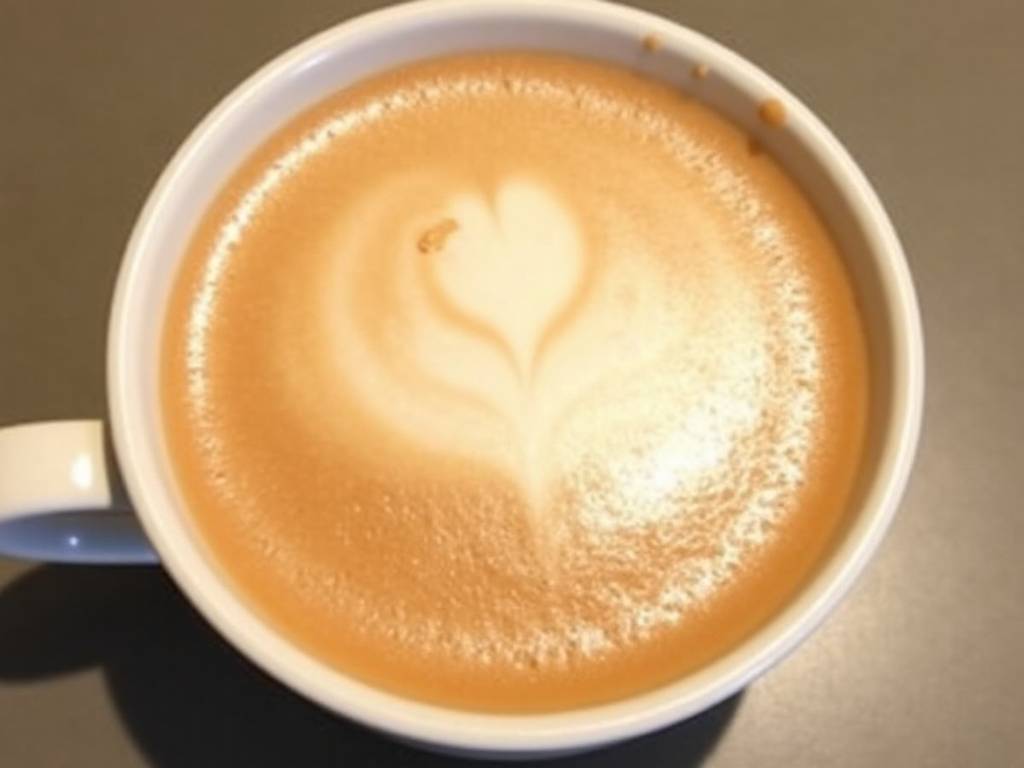
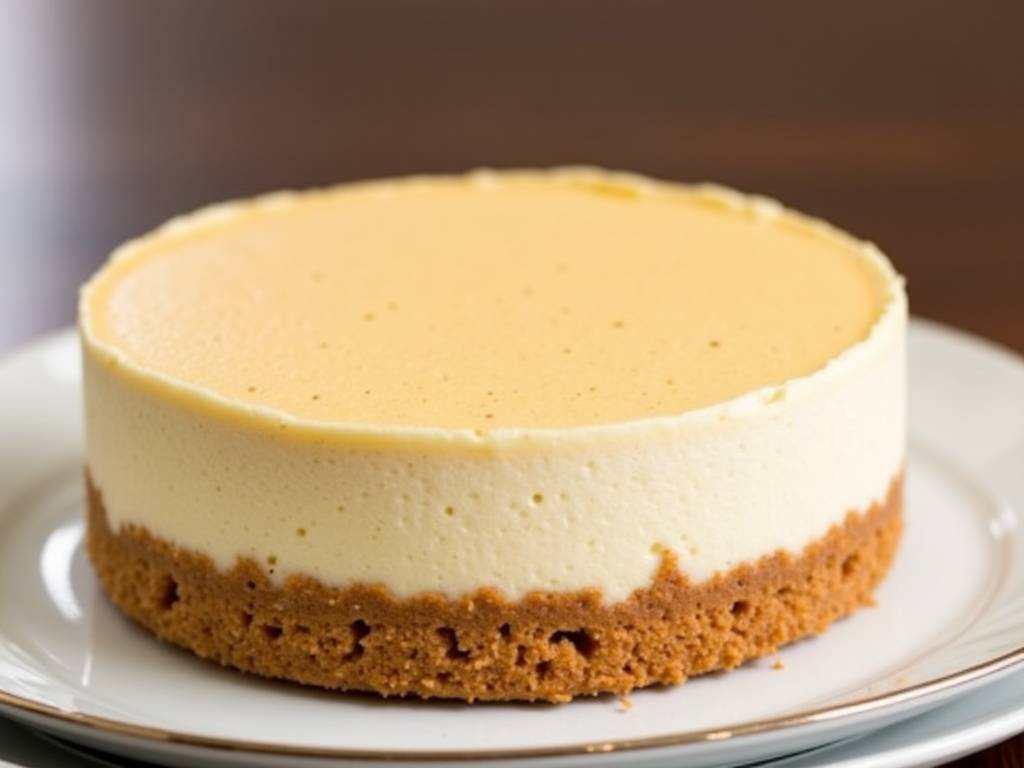
Have you ever craved the rich, comforting flavors of a coffee shop classic, but in a decadent dessert form? Many home bakers dream of creating a cappuccino cheesecake that perfectly captures that signature fluffy foam aroma & texture – the airy, coffee-infused lightness that sits atop a creamy, dense base. Yet, the challenge often lies in balancing the intense coffee flavor without bitterness, achieving that distinct “foamy” layer, and preventing the dreaded cracked surface. This guide is designed to solve these exact pain points. We’ll walk you through a professional-grade recipe that demystifies the process, ensuring your cheesecake is as stunning in appearance as it is sublime in taste.
The secret to an exceptional cappuccino cheesecake lies in understanding its components. According to pastry chef and recipe developer Elena Martinez, “The ‘cappuccino’ element isn’t just about adding coffee. It’s about layering flavors and textures to mimic the drink itself: a strong base, a smooth, rich body, and a light, aromatic top.” This philosophy guides our approach, focusing on technique to guarantee success.
Gathering Your Ingredients for Success
A great dessert starts with quality ingredients. For the authentic fluffy foam aroma & texture, using freshly brewed, high-quality espresso or strong coffee is non-negotiable. Instant coffee granules can work in a pinch, but for depth of flavor, the real thing is best.
For the Crust:
- 200 grams of digestive biscuits or graham crackers
- 100 grams of unsalted butter, melted
- 1 tablespoon of granulated sugar (optional, for extra sweetness)
For the Cheesecake Filling:
- 675 grams of full-fat cream cheese, at room temperature
- 200 grams of granulated sugar
- 3 large eggs, at room temperature
- 240 milliliters of full-fat sour cream
- 2 teaspoons of pure vanilla extract
- 60 milliliters of freshly brewed espresso or very strong coffee, cooled
- 2 tablespoons of all-purpose flour
For the Cappuccino Foam Layer:
- 240 milliliters of heavy whipping cream, chilled
- 2 tablespoons of icing sugar
- 1 tablespoon of instant espresso powder dissolved in 1 tablespoon of hot water (cooled)
- 1 teaspoon of vanilla extract
Essential Equipment:
- 9-inch springform pan
- Electric mixer (stand or hand)
- Large roasting pan for water bath
- Fine-mesh sieve
Crafting the Perfect Base: Crust and Filling
Begin by preheating your oven to 160°C (325°F). Process the biscuits into fine crumbs and combine them thoroughly with the melted butter and sugar, if using. Press this mixture firmly and evenly into the bottom of your springform pan. Pre-bake this crust for 10 minutes, then set it aside to cool slightly. This step ensures a crisp base that won’t become soggy.
Now, for the heart of the cheesecake. Using your electric mixer on medium-low speed, beat the softened cream cheese until it is completely smooth and creamy, with no lumps. This can take 2-3 minutes. Gradually add the sugar and beat until just combined. Scrape down the bowl frequently. Add the eggs one at a time, mixing on low speed after each addition until only just incorporated. Over-beating the eggs incorporates too much air, which can lead to cracking during baking.
Next, blend in the sour cream and vanilla extract. With the mixer on low, slowly pour in the cooled espresso. Finally, sift the flour over the mixture and fold it in gently until no streaks remain. The flour acts as a stabilizer. Pour this velvety filling over your prepared crust.
The Water Bath: Your Key to a Silky Texture
The single most important technique for a crack-free, ultra-creamy cheesecake is the water bath (or bain-marie). Tightly wrap the outside bottom and sides of your springform pan with two layers of heavy-duty aluminum foil to prevent water seepage. Place the pan inside a large roasting pan. Pour the cheesecake filling into the springform, then place the entire setup in the oven. Carefully pour hot water into the roasting pan until it comes about halfway up the sides of the springform pan.
Bake for 60-70 minutes. The center should still have a slight jiggle when you gently shake the pan, but the edges will be set. Turn off the oven, crack the door open slightly, and let the cheesecake cool inside for one hour. This gradual temperature change is crucial for preventing surface cracks and achieving that perfect texture.
Creating the Signature Fluffy Foam Topping
Once the cheesecake has cooled to room temperature on a wire rack, refrigerate it for at least 6 hours, preferably overnight. This allows it to set fully and develop flavor.
Before serving, prepare the crowning glory: the cappuccino foam. In a chilled bowl, whip the heavy cream, icing sugar, and vanilla extract until soft peaks form. Gently fold in the cooled, dissolved espresso mixture until you achieve a marbled, light-brown foam with a distinct fluffy foam aroma. Spread or pipe this cloud-like topping over the entire chilled cheesecake. For an authentic finish, dust the top lightly with cocoa powder or espresso powder through a fine sieve.
Serving and Storing Your Masterpiece
Use a sharp, thin knife dipped in hot water to slice clean portions. This cheesecake is rich, so smaller slices are often perfect. Store any leftovers covered in the refrigerator for up to 5 days. The foam topping is best enjoyed within 1-2 days of application.
Can I make this cheesecake without a water bath? While strongly discouraged, you can try without. The risk of a cracked surface and denser, less creamy texture increases significantly. The water bath provides gentle, even heat essential for the ideal custard-like consistency.
What can I use if I don’t have espresso powder for the foam? You can use 1-2 tablespoons of cooled, strongly brewed coffee. Add it very slowly to the whipped cream to avoid deflating it. The foam may be slightly less stable but will still carry the flavor.
My cream cheese filling was lumpy. What went wrong? This is almost always due to using cold cream cheese. Ensure all dairy ingredients—cream cheese, eggs, sour cream—are truly at room temperature before you begin mixing. This allows for a smooth, homogenous blend.
Mastering the cappuccino cheesecake is a rewarding journey that combines precise baking technique with the art of flavor layering. By focusing on ingredient temperature, the protective magic of the water bath, and the careful creation of the airy topping, you can consistently produce a dessert that truly embodies the fluffy foam aroma & texture of its namesake coffee. It’s a show-stopping treat that satisfies the deepest coffee and dessert cravings in one elegant slice.
⚠️ 温馨提示:本款蛋糕含糖量较高,高血糖/糖尿病患者请谨慎食用。