 bluename
 How to Make Darjeeling Cheesecake? Elegant Black Tea Aroma
Have you ever craved a dessert that’s both luxuriously creamy and intriguingly aromatic? Many home bakers find traditional cheesecakes rich but sometimes one-dimensional in flavor. The quest for a sophisticated twist—one that elevates the classic with a nuanced, fragrant note without overpowering the delicate dairy—is a common challenge. The solution lies in a celebrated ingredient from the misty hills of India. This guide will walk you through creating a stunning Darjeeling Cheesecake, where the elegant black tea aroma perfectly marries the velvety texture of premium cream cheese, transforming your dessert into a conversation piece.
Why Darjeeling Tea is the Perfect Pairing for Cheesecake
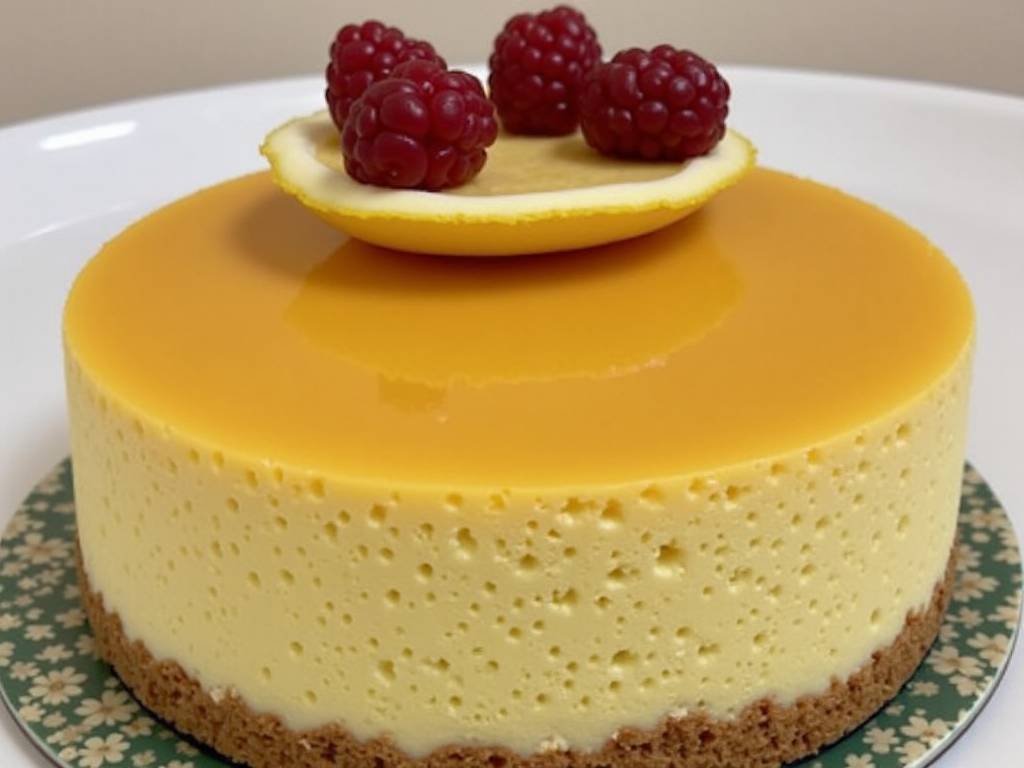
Darjeeling tea, often called the “Champagne of Teas,” is renowned for its unique muscatel flavor and floral bouquet. Unlike stronger, more astringent black teas, Darjeeling offers a delicate complexity that infuses into cream and cheese without bitterness. This makes it an ideal candidate for baking. When steeped in warm cream, it releases subtle notes of stone fruit and a gentle tannic structure that cuts through the richness of the cheesecake filling, creating a beautifully balanced profile. Pastry experts, like those from the International Culinary Center, often highlight how floral teas can add a layer of sophistication to desserts without adding moisture or disrupting structure.
Gathering Your Ingredients: Quality is Key
A remarkable Darjeeling Cheesecake starts with remarkable ingredients. Using high-quality, full-fat components ensures the signature texture and allows the tea’s aroma to shine.
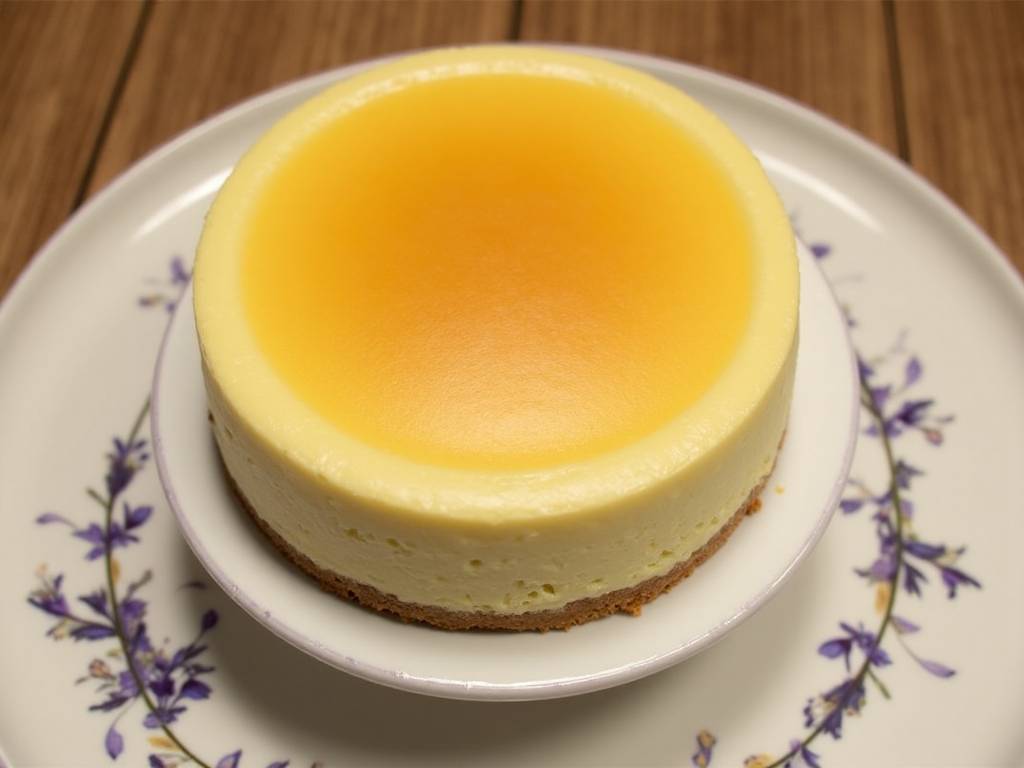
For the Crust:
- 200 grams of digestive biscuits or graham crackers
- 100 grams of unsalted butter, melted
- 1 tablespoon of granulated sugar (optional, depending on biscuit sweetness)
For the Darjeeling Tea Infusion & Filling:
- 200 ml of heavy whipping cream
- 3-4 tablespoons of loose-leaf Darjeeling tea (preferably second flush for deeper aroma)
- 675 grams of full-fat cream cheese, at room temperature
- 200 grams of granulated sugar
- 3 large eggs, at room temperature
- 1 teaspoon of pure vanilla extract
- 200 ml of sour cream, at room temperature
- 2 tablespoons of all-purpose flour (for stability)
Step-by-Step Guide to the Perfect Infused Cheesecake
Crafting this dessert is a labor of love that involves infusion, careful mixing, and gentle baking. Follow these steps for a flawless result.
Creating the Intense Tea Infusion
The secret to a pronounced yet elegant black tea aroma is a concentrated infusion. In a small saucepan, gently heat the heavy cream until it just begins to simmer—small bubbles will form around the edges. Remove it from the heat immediately. Add the loose-leaf Darjeeling tea, stir, and cover. Let it steep for 15-20 minutes. The longer it steeps, the stronger the flavor, but avoid going beyond 25 minutes to prevent bitterness. Strain the cream through a fine-mesh sieve, pressing on the tea leaves to extract every last drop of flavor. You should have a richly colored, fragrant cream. Let this cool completely to room temperature.
Preparing the Base and Oven Setup
While your infusion cools, prepare the crust. Pulse the biscuits into fine crumbs in a food processor or place them in a sealed bag and crush with a rolling pin. Mix the crumbs thoroughly with the melted butter (and optional sugar) until it resembles wet sand. Press this mixture firmly and evenly into the bottom of a 9-inch springform pan. Pre-bake this crust at 180°C (350°F) for 8-10 minutes, then let it cool. Reduce the oven temperature to 160°C (325°F). For the perfect, crack-free bake, place a roasting pan on the lower oven rack and fill it with boiling water to create a steam bath.
Mixing and Baking for a Silky Texture
Now, for the filling. Using a stand mixer or hand beaters on medium-low speed, beat the softened cream cheese until it is completely smooth and lump-free—this is crucial. Gradually add the sugar and beat until just combined. Incorporate the eggs, one at a time, mixing on low speed after each addition until only just blended. Over-beating eggs incorporates too much air, which can lead to cracking. Scrape down the bowl frequently.
On low speed, mix in the cooled Darjeeling-infused cream, sour cream, vanilla extract, and finally the flour. Mix until the batter is homogeneous and silky. Pour the filling over the cooled crust. Place the springform pan into the preheated oven on the rack above the water bath.
Bake for 55-70 minutes. The cake is done when the edges are set but the center still has a slight, gentle wobble—like set gelatin. Turn off the oven, crack the door open slightly, and let the cheesecake cool inside for one hour. This gradual temperature change is the best defense against sinking or cracking. Then, remove it from the oven and water bath, run a thin knife around the edge to release it from the pan, and let it cool completely on a wire rack before refrigerating for at least 6 hours, preferably overnight.
Serving and Presentation Ideas
The long chill is essential for the flavors to meld and the texture to become perfectly sliceable. For serving, consider a simple dusting of powdered sugar or a drizzle of lightly sweetened mascarpone. Fresh berries, such as raspberries or blueberries, provide a vibrant, tart contrast that complements the tea’s floral notes. A small garnish of edible gold leaf or a candied violet can elevate the presentation for special occasions.
Frequently Asked Questions
Can I use tea bags instead of loose-leaf Darjeeling? While possible, loose-leaf tea is strongly recommended. It generally offers a superior, fresher flavor and aroma compared to the finer dust found in many tea bags. If you must use bags, ensure they are high-quality Darhamjeeling tea bags and use 4-5 bags for a similar intensity.
My cheesecake cracked in the center. What went wrong? Cracks typically result from over-mixing the batter (incorporating too much air), a sudden temperature change, or over-baking. Using a water bath, cooling the cake gradually in the turned-off oven, and ensuring you stop baking while the center is still slightly wobbly will prevent most cracks. Remember, a crack doesn’t affect the delicious taste!
How long can I store this cheesecake? Properly covered in the refrigerator, your Darjeeling cheesecake will stay fresh and flavorful for up to 5 days. You can also freeze it for up to 1 month. Thaw it overnight in the refrigerator before serving to preserve the best texture.
Mastering the Darjeeling Cheesecake is about embracing the process—from patiently steeping the tea to gently baking the filling. The reward is a dessert with an undeniable elegant black tea aroma that weaves through every creamy bite. It’s a testament to how a single, well-chosen ingredient can transform a beloved classic into something extraordinary. Share it with friends who appreciate subtlety, or savor a slice with a cup of the very tea that inspired it.
⚠️ 温馨提示:本款蛋糕含糖量较高,高血糖/糖尿病患者请谨慎食用。





