 bluename
 How to Make Red Wine Cheesecake? A Guide to Elegant Fruit-Wine Fusion
Have you ever admired the sophisticated dessert menus at upscale restaurants, wishing you could recreate that elegant fusion of flavors at home? Perhaps you’ve tried a classic cheesecake but found it a bit too rich, longing for a complex, fruity note to cut through the creaminess. The quest for a dessert that is both impressively gourmet and surprisingly achievable ends here. This guide is dedicated to crafting the perfect Red Wine Cheesecake, a stunning dessert where the deep, berry notes of a good red wine intertwine with the luxurious, tangy creaminess of cheesecake. We will demystify the process, ensuring you achieve a flawless texture and that elegant fruit-wine fusion that will elevate any occasion from a simple family dinner to a celebratory gathering.
The magic of a red wine cheesecake lies in its harmonious balance. According to pastry chef and cookbook author Elena Rosemond, “Incorporating wine into desserts isn’t just about adding alcohol; it’s about layering flavors. A reduction amplifies the wine’s natural fruitiness and acidity, which acts as a brilliant counterpoint to fat and sugar.” This principle is at the heart of our recipe. We’ll focus on technique, ingredient selection, and the little details that transform good baking into great baking.
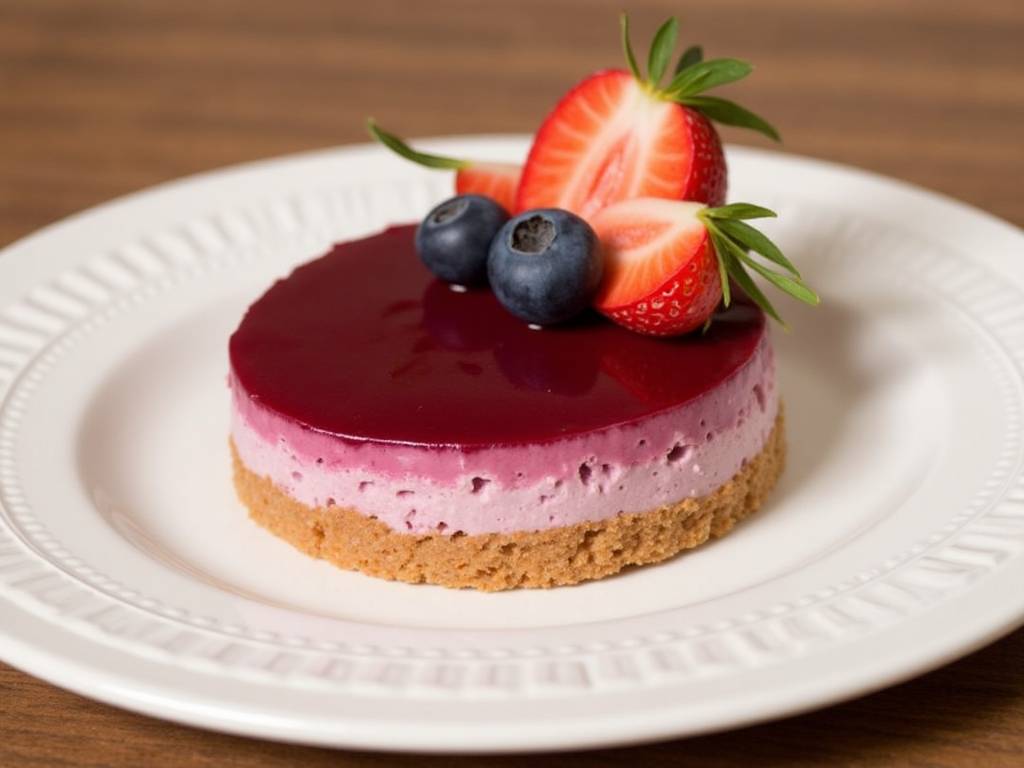
Choosing Your Core Ingredients for Success
The foundation of any remarkable dessert is quality ingredients. For a red wine cheesecake that truly sings, each component plays a specific role.
The Red Wine Reduction: The Flavor Heart This is the soul of your dessert. You don’t need a prohibitively expensive bottle, but choose a wine you would enjoy drinking. A Cabernet Sauvignon or Merlot with pronounced berry and plum notes works beautifully. Avoid wines that are overly oaky or tannic. We will simmer it into a syrup, concentrating its flavor and ensuring it bakes smoothly into the filling without making it watery.
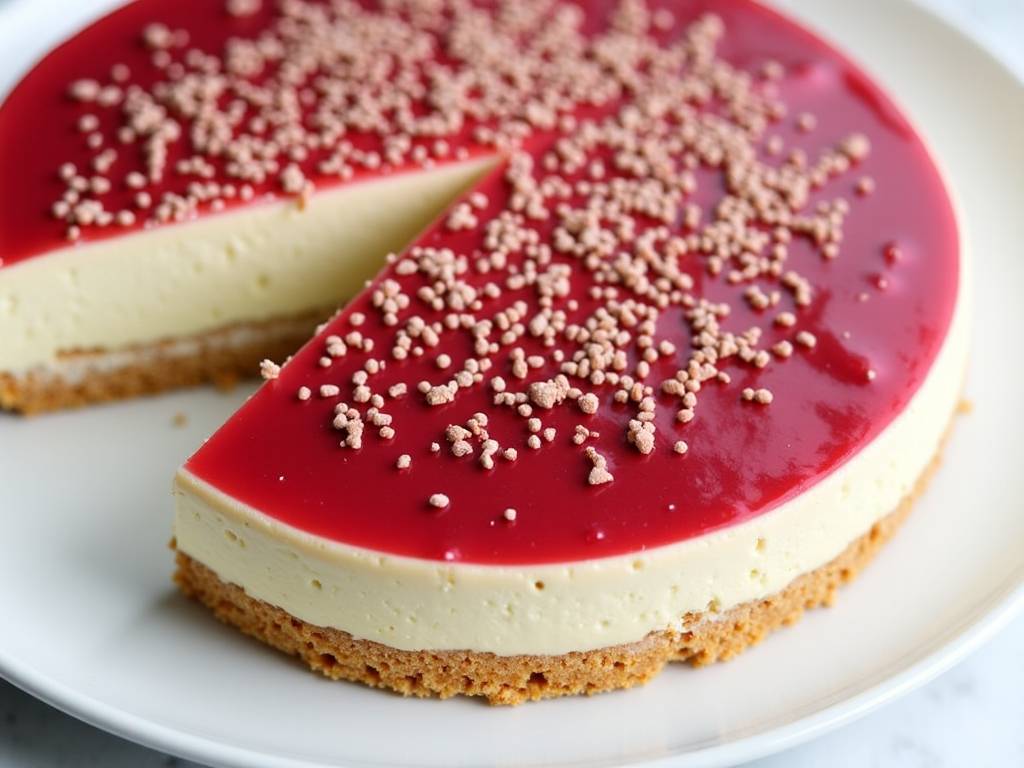
The Cheese: Creamy and Tangy Full-fat, brick-style cream cheese is non-negotiable for that classic, dense-yet-creamy texture. Ensure it is completely softened to room temperature to avoid lumps. For added depth, many bakers, including myself at dessertmake, incorporate a small amount of sour cream or mascarpone. This introduces a pleasant tang that complements the wine’s acidity.
The Crust: A Sturdy, Flavorful Base While a traditional graham cracker crust is always an option, consider a twist. Crushed chocolate wafer cookies or even speculoos biscuits paired with the reduced wine in the crust mixture create a more sophisticated and cohesive flavor profile that marries perfectly with the filling.
Mastering the Red Wine Reduction
This step is simple but crucial. Pour one and a half cups of your chosen red wine into a small saucepan. Add a couple of tablespoons of sugar and, if you like, a strip of orange zest or a cinnamon stick for extra aroma. Bring to a simmer over medium heat, then reduce to low and let it cook gently until it reduces to about 1/3 cup of a thick, syrupy glaze. This can take 20-30 minutes. It should coat the back of a spoon. Let it cool completely before using. This reduction is potent, packing all the wine’s flavor without the raw alcohol taste.
Step-by-Step: Assembling Your Elegant Fusion Cheesecake
Prepare the Pan and Crust Preheat your oven to 325°F (160°C). Wrap the outside bottom and sides of a 9-inch springform pan tightly with heavy-duty aluminum foil to prevent water seepage. For the crust, combine 1 ½ cups of fine cookie crumbs, 2 tablespoons of granulated sugar, and 4-5 tablespoons of the cooled red wine reduction. Mix until it resembles wet sand. Press firmly and evenly into the bottom of the prepared pan. Pre-bake for 10 minutes, then set aside to cool. Reduce oven temperature to 300°F (150°C).
Create the Luxurious Filling Using a stand mixer or hand beaters, beat 24 ounces of softened cream cheese on medium-low speed until perfectly smooth and creamy, about 3 minutes. Scrape down the bowl frequently. Gradually add ¾ cup of granulated sugar, beating until just combined. Incorporate 3 large eggs, one at a time, mixing on low speed after each until only just blended. Over-beating eggs incorporates too much air, which can cause cracking.
Now, gently fold in the remaining red wine reduction, ¼ cup of sour cream, 2 tablespoons of all-purpose flour (for stability), and 1 teaspoon of pure vanilla extract. The batter should be a beautiful, uniform rosy hue with no streaks. Pour the filling over the cooled crust and smooth the top.
The Perfect Bake: Water Bath Method Place the foil-wrapped springform pan into a larger roasting pan. Pour hot water into the larger pan until it comes halfway up the sides of the springform. This water bath creates a gentle, steamy environment, baking the cheesecake evenly and preventing the dreaded top cracks and rubbery texture. Bake for 60-75 minutes. The edges should be set, but the center should still have a slight jiggle—like Jell-O—when gently shaken. This residual heat will continue to cook the center as it cools.
The Critical Cooling Process Turn off the oven, crack the door open slightly, and let the cheesecake sit in this environment for one hour. This gradual temperature change prevents sudden contraction. Then, remove it from the water bath, carefully peel off the foil, and let it cool completely on a wire rack. Once at room temperature, refrigerate it, uncovered, for at least 6 hours, but ideally overnight. This prolonged chill is essential for the flavors to meld and the texture to firm up perfectly for slicing.
Finishing Touches and Serving Suggestions
Unmold the cheesecake by running a thin knife dipped in hot water around the inner edge. A simple garnish elevates the presentation. Consider a glossy red wine and berry compote spooned over each slice, a dollop of wine-infused whipped cream, or a delicate dusting of powdered sugar and fresh berries. The visual contrast is stunning.
When serving, use a sharp, thin-bladed knife dipped in hot water and wiped clean between each cut. This guarantees pristine, professional-looking slices that showcase the beautiful marbled or solid rose color of your creation.
Frequently Asked Questions
Can I make this recipe alcohol-free? While the alcohol cooks off during the reduction and baking processes, the wine flavor remains. For a completely non-alcoholic version, you can simulate the flavor by reducing a mixture of grape or pomegranate juice with a splash of balsamic vinegar and a bit of fruit preserves. The flavor profile will be different but still delicious.
My cheesecake cracked! What went wrong? Cracking is usually caused by over-mixing the batter (incorporating too much air), a too-high oven temperature, or rapid cooling. The water bath and the slow, staged cooling process outlined above are your best defenses against cracks. Remember, a crack can always be covered with a beautiful topping!
How long will it keep, and can I freeze it? Properly stored and covered in the refrigerator, this cheesecake will maintain optimal texture and flavor for up to 5 days. For longer storage, you can freeze the whole cheesecake or individual slices. Wrap it tightly in plastic wrap and then aluminum foil. Thaw overnight in the refrigerator before serving.
Creating a Red Wine Cheesecake is a rewarding baking project that yields spectacular results. It’s a testament to how simple techniques, when applied with care, can produce a dessert of restaurant-quality elegance. The key is patience—in reducing the wine, in not over-mixing the batter, and, most importantly, in allowing it to chill thoroughly. This elegant fruit-wine fusion is more than just a dessert; it’s an experience, a conversation piece, and a beautiful way to end a memorable meal.
⚠️ 温馨提示:本款蛋糕含糖量较高,高血糖/糖尿病患者请谨慎食用。





