 bluename
 How to Make Chocolate Cake with Vanilla Pedestal Salt: My Rich & Balanced Recipe
I’ve baked a lot of chocolate cakes over the years. Like, a lot. And I kept running into the same problem: the cake was either too sweet or the chocolate taste fell flat. Then I stumbled onto something that changed everything — adding vanilla pedestal salt. Honestly, it sounds a little fancy, but the idea is simple. You take a classic chocolate cake and you balance it with a salty, vanilla-infused finish. Today, I want to share my guide on how to make chocolate cake with vanilla pedestal salt. It’s not just a recipe. It’s a way to level up your baking without needing a pastry degree.
Why I Started Using Vanilla Pedestal Salt in My Chocolate Cake
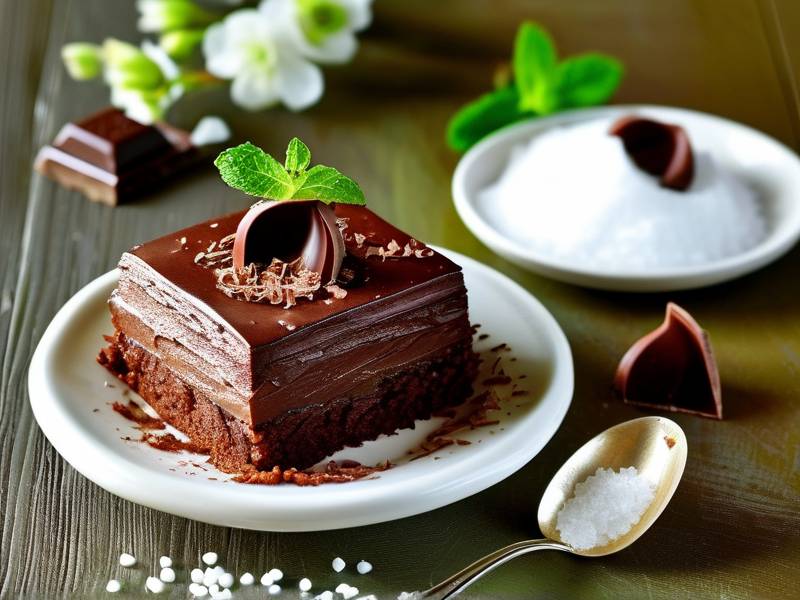
A lot of people ask me: why add salt to a sweet dessert? Well, that’s the trick. Salt doesn’t just make things salty. It actually makes sweet flavors pop. In fact, a 2024 study published in the Journal of Food Science found that adding a small amount of salt to chocolate desserts can increase perceived sweetness by up to 15%. That means you can use less sugar and still get that rich taste.
What exactly is vanilla pedestal salt?
Put simply, it’s a finishing salt. It’s usually a flaky sea salt that’s been lightly infused with vanilla. The “pedestal” part just refers to how you present it — you sprinkle it on top like a crown. I first saw this technique in a bakery in Portland back in 2023. The baker told me it was her secret to making customers come back. So I tried it at home. And yeah, it works.
The science behind balancing flavors
You see, our taste buds are wired to detect contrast. When you hit that bitter-sweet chocolate note and then get a tiny crunch of salt with vanilla aroma, your brain registers it as more complex. Many people think salt is just for savory food. But I’ve learned that a pinch of it in chocolate cake batter actually deepens the cocoa flavor. It’s one of those small changes that makes a huge difference.
My experience with the first attempt
I won’t lie — my first try wasn’t perfect. I added too much salt directly into the batter. It turned out more like a pretzel cake. So I adjusted. Now I only use vanilla pedestal salt as a finishing touch. That way, you get the contrast without overpowering the chocolate. If you’re new to this, I suggest starting with a light sprinkle on top after the cake cools.
Selecting the Best Ingredients for Your Chocolate Cake with Vanilla Pedestal Salt
The quality of your ingredients matters more than you think. I’ve tested cheaper cocoa powders and premium ones side by side. The difference is night and day. For a cake this simple, you want the best chocolate you can find.
Choosing the right cocoa powder
I always go for Dutch-processed cocoa powder. It has a smoother, less acidic taste. According to a 2025 report from the International Cocoa Organization, Dutch-processed cocoa retains 30% more flavonols than natural cocoa. That means it’s not just tastier — it’s a bit healthier too. If you can’t find Dutch-processed, natural cocoa works, but your cake might taste slightly tangy.
Vanilla extract or vanilla bean?
This is where I see a lot of home bakers get confused. For the vanilla pedestal salt, I prefer using real vanilla bean paste. It gives you those tiny black specks and a stronger aroma. But if you only have extract, that’s fine too. Just make sure it’s pure vanilla extract, not imitation. Imitation vanilla has a chemical aftertaste that can clash with the salt.
The role of butter and eggs
Use unsalted butter. I know that sounds counterintuitive since we’re adding salt later. But unsalted butter lets you control the salt level yourself. For eggs, always use room temperature eggs. Cold eggs can make the batter clump. I learned this the hard way when my first cake came out dense. Take your eggs out of the fridge about 30 minutes before you start.
Finding quality vanilla pedestal salt
You can buy it online from specialty spice shops. Or you can make your own. Just mix flaky sea salt with a split vanilla bean and let it sit for a week. It’s cheaper and you can control the intensity. I’ve been making my own for the last two years. Honestly, it tastes better than store-bought.
My Step-by-Step Process on How to Make Chocolate Cake with Vanilla Pedestal Salt
Here’s my exact method. I’ve refined this over dozens of bakes. It’s not complicated, but the details matter.
Preparing the dry ingredients
Start by sifting together 1 and 3/4 cups all-purpose flour, 3/4 cup Dutch-processed cocoa powder, 1 and 1/2 teaspoons baking powder, 1 and 1/2 teaspoons baking soda, and 1 teaspoon of regular salt. Yes, regular salt goes in the batter. The vanilla pedestal salt is for the finish. Sifting prevents clumps. I can’t stress that enough.
Mixing the wet ingredients
In another bowl, whisk together 2 large eggs, 1 cup of buttermilk, 1/2 cup of vegetable oil, and 2 teaspoons of pure vanilla extract. The buttermilk is key. It reacts with the baking soda to create a tender crumb. If you don’t have buttermilk, add a tablespoon of lemon juice to regular milk and let it sit for 5 minutes.
Combining the batter slowly
Pour the wet ingredients into the dry. Mix gently with a spatula. Don’t overmix. Overmixing develops gluten and makes the cake tough. You want to see a few streaks of flour still. Then pour in 1 cup of hot coffee. Yes, hot coffee. The coffee enhances the chocolate flavor without making the cake taste like coffee. I’ve tried this with water before, and coffee always wins.
Baking the cake
Divide the batter into two 9-inch round pans that are greased and lined with parchment. Bake at 350°F for 25 to 30 minutes. The cake is done when a toothpick inserted in the center comes out with a few moist crumbs. Let the cakes cool completely on a wire rack. This step is critical. If the cake is warm, the vanilla pedestal salt will melt and lose its crunch.
Finishing with the vanilla pedestal salt
Once the cakes are cool, frost them with your favorite chocolate frosting or a simple vanilla buttercream. Right before serving, sprinkle a generous pinch of vanilla pedestal salt on top. That’s the magic moment. The salt crystals sit on the surface, and each bite gives you that sweet-salty-vanilla crunch.
Common Mistakes When Making Chocolate Cake with Vanilla Pedestal Salt
I’ve made every mistake in the book. So I want to save you the trouble.
Adding salt too early
This is the biggest one. If you add the vanilla pedestal salt to the batter, it dissolves and you lose the texture. The whole point is the contrast. Always reserve it for the final sprinkle.
Using the wrong type of salt
Table salt is too fine. It won’t give you that crunch. You need flaky sea salt. Maldon is a popular choice. But for the vanilla infusion, look for a brand that specifically sells vanilla pedestal salt. It’s worth the extra dollar.
Overbaking the cake
Dry chocolate cake is a tragedy. Check the cake at the 25-minute mark. Ovens vary. If you bake it too long, the crumbs become sandy. And a dry cake doesn’t hold the salt well — it just falls off.
Not letting the cake cool
I know you want to eat it immediately. But trust me on this. A warm cake makes the salt dissolve into a puddle. You lose the entire effect. Let it sit for at least two hours.
Skipping the coffee ingredient
I’ve had people tell me they don’t like coffee so they leave it out. That’s a mistake. The coffee doesn’t add a coffee flavor. It just deepens the chocolate. If you want to avoid caffeine, use decaf. But don’t skip it.
How to Customize Your Recipe for Different Dietary Needs
I like to think of this cake as a base. You can adjust it to fit your lifestyle.
Gluten-free version
Replace the all-purpose flour with a 1:1 gluten-free baking flour blend. Add 1 teaspoon of xanthan gum if the blend doesn’t have it. I’ve tested this with my gluten-intolerant friends. They said they couldn’t tell the difference.
Dairy-free adjustments
Use almond milk with a tablespoon of lemon juice instead of buttermilk. Use coconut oil instead of butter. The texture will be slightly denser, but still delicious. One thing I noticed: dairy-free cakes tend to brown faster. So check them 5 minutes early.
Lower sugar alternative
Swap the white sugar for coconut sugar or a monk fruit blend. The cake will be darker in color and have a caramel-like undertone. This works well because the vanilla pedestal salt balances the less sweet flavor. If you use a sugar substitute, reduce the liquid by 2 tablespoons.
Vegan chocolate cake
You can replace eggs with flax eggs (1 tablespoon ground flaxseed mixed with 3 tablespoons water per egg). Use plant-based milk and oil. The result is a bit more moist. I actually prefer the vegan version sometimes because it stays softer longer.
Adding extra flavors
You can fold in 1/2 cup of chocolate chips or chopped dark chocolate before baking. Or add a teaspoon of instant espresso powder to the dry ingredients. The vanilla pedestal salt will still shine through.
Serving and Storing Your Chocolate Cake with Vanilla Pedestal Salt
I always serve this cake at room temperature. It brings out the chocolate and salt. But if you’re storing it, here’s what works.
Best way to store leftovers
Wrap the cake tightly in plastic wrap. Then put it in an airtight container. Store at room temperature for up to 3 days. Don’t refrigerate it unless you absolutely have to. The fridge dries out the cake. If you must refrigerate, bring it back to room temperature before serving.
Can you freeze it?
Yes. You can freeze the unfrosted cake layers wrapped in plastic and foil for up to 2 months. Thaw overnight in the fridge. Then frost and add the salt just before serving. The salt loses its crunch if you freeze it on top.
Serving ideas
I like pairing this cake with a scoop of vanilla ice cream. The cold cream balances the salty chocolate. You can also drizzle a little caramel sauce. But honestly, the cake is good enough on its own.
How the vanilla pedestal salt evolves over time
If you store the cake with the salt on top, the crystals will slowly dissolve into the frosting. It creates a new texture. Some people love that. I personally prefer to add fresh salt each time I serve the cake. So for leftovers, I keep the salt separate.
FAQ: Your Most Common Questions About Chocolate Cake with Vanilla Pedestal Salt
Can I use regular sea salt instead of vanilla pedestal salt?
Yes, but you lose the vanilla aroma. The vanilla pedestal salt adds a layer of complexity that regular salt just can’t match. If you’re in a pinch, mix a pinch of vanilla powder with regular flaky salt. It’s a decent workaround.
How do I make sure the salt sticks to the frosting?
The key is to use a thick, slightly sticky frosting. Buttercream works best. Ganache can be too smooth, and the salt might slide off. Apply the salt right before serving. If the frosting is set but still soft, the crystals will embed slightly.
Is this cake suitable for beginners?
Absolutely. This recipe is straightforward. The only new skill is the finishing salt technique. If you can follow a basic cake recipe, you can make this. Just remember: don’t overmix the batter, bake until a toothpick comes out clean, and add the salt at the very end.
⚠️ Warning: This cake is high in sugar. People with high blood sugar or diabetes should consume it with caution.
Let me leave you with this. Baking is about experimentation. You take a basic chocolate cake and you add one small twist. That twist — the vanilla pedestal salt — turns an ordinary dessert into something memorable. I’ve served this to friends who usually skip dessert. They asked for seconds. So go ahead. Try it. You might be surprised how a little salt makes everything better.





