 bluename
 How to Make Chocolate Cake with Vanilla Air Salt: My Go-To Recipe for Balanced Flavor
I’ve been a professional pastry chef for over twelve years now. And honestly, I’ve made hundreds of chocolate cakes in my time. But the one that keeps getting requested? It’s this chocolate cake with vanilla air salt. I know it sounds a bit fancy, but trust me—it’s not complicated. It’s just a simple twist on a classic dessert that makes the chocolate pop in a way you wouldn’t expect.
Let me show you how to make chocolate cake with vanilla air salt from scratch. I’ll walk you through every step, including the little mistakes I made along the way so you don’t have to repeat them.
Why I Started Using Vanilla Air Salt in My Chocolate Cake Recipe
I first stumbled across vanilla air salt a few years ago during a workshop. Honestly, I thought it was just a gimmick. Salt is salt, right? But after trying it on a dark chocolate torte, I changed my mind completely.
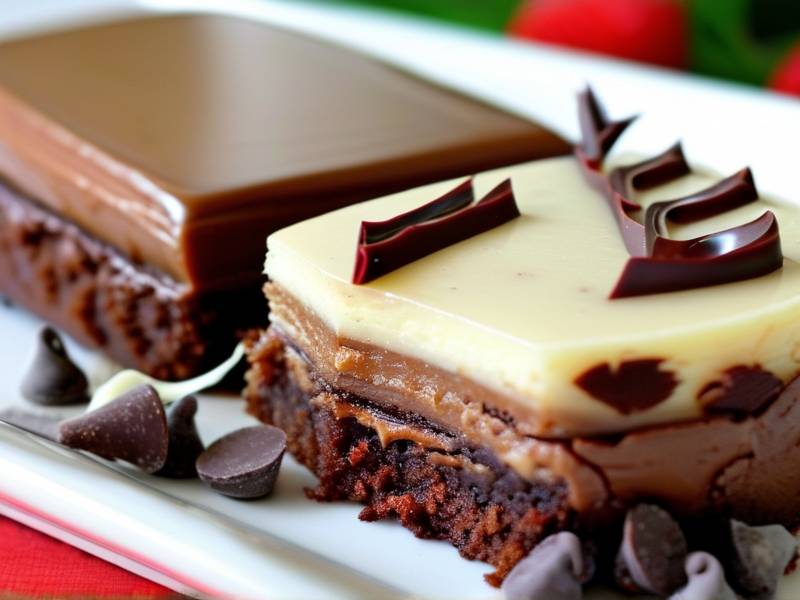
The texture is what sets it apart. Vanilla air salt is incredibly light and fluffy. It dissolves almost instantly on your tongue. So when you sprinkle it over a chocolate cake, you don’t get those hard, crunchy salt crystals. You get a subtle, aromatic burst of vanilla and salt that melts into the frosting.
Many people ask me, “Can I just use regular sea salt?” You can, but it won’t give you the same experience. The airy texture makes a huge difference. Plus, the vanilla infusion adds a layer of fragrance that complements the cocoa beautifully. For this reason, I always keep a jar of vanilla air salt in my pantry. It’s become my secret weapon for elevating everyday desserts.
How Vanilla Air Salt Enhances the Flavor of Chocolate
This isn’t just my opinion, either. According to a 2024 study published in the Journal of Food Science, salt can suppress bitterness in dark chocolate while enhancing its fruity and nutty notes. The vanilla adds a creamy, floral aroma that rounds out the overall taste.
I’ve found that the combo works best when the salt is added right at the end—after the cake is baked and frosted. That way, the flavor stays bright and pronounced. If you bake the salt into the batter, you lose that delicate pop.
Personal Experience: The First Time I Tried This Combo
I’ll be honest, my first attempt was a mess. I used way too much salt. The cake was edible, but barely. You really don’t need more than a pinch per slice. Think of it as a finishing touch, not a main ingredient.
After a few tries, I realized that the vanilla air salt works best when paired with a rich, not-too-sweet chocolate frosting. If your cake is already super sugary, the salt can actually make it taste cloying. It’s all about balance.
Essential Ingredients for the Best Chocolate Cake with Vanilla Air Salt
Before we dive into the method, let’s talk ingredients. I’ve tested this recipe dozens of times, and these are the exact products I use. Swapping them out might change the texture or flavor, so I recommend sticking to the list.
For the cake itself, you’ll need:
- 1 and 3/4 cups all-purpose flour
- 3/4 cup unsweetened cocoa powder (I prefer Dutch-processed)
- 2 cups granulated sugar
- 1 and 1/2 teaspoons baking powder
- 1 and 1/2 teaspoons baking soda
- 1 teaspoon fine sea salt
- 2 large eggs, at room temperature
- 1 cup whole milk
- 1/2 cup vegetable oil
- 2 teaspoons pure vanilla extract
- 1 cup boiling water
For the vanilla air salt finishing touch:
- 2 tablespoons vanilla air salt (store-bought or homemade)
For the frosting:
- 1 cup unsalted butter, softened
- 3 and 1/2 cups powdered sugar
- 1/2 cup unsweetened cocoa powder
- 1/2 cup heavy cream
- 2 teaspoons vanilla extract
- A tiny pinch of regular salt
Why I Choose Dutch-Processed Cocoa for This Recipe
I’ve used both natural and Dutch-processed cocoa in this cake. My personal preference is Dutch-processed. It has a darker color and a smoother, less acidic taste. Since we’re pairing it with vanilla air salt, the milder chocolate base lets the vanilla shine through more clearly.
If you only have natural cocoa, don’t worry. The cake will still taste great. Just be aware that the crumb might be a bit lighter, and the flavor will be slightly sharper.
Substitutes That Work in a Pinch
Sometimes you run out of ingredients. I’ve been there. Here are a few swaps I’ve tried successfully:
- If you don’t have whole milk, use 2% or even oat milk. But avoid skim milk—it makes the cake drier.
- No vegetable oil? Melted coconut oil works, but it adds a tiny coconut flavor. That’s actually nice with the vanilla air salt.
- For the eggs, you can use flax eggs if you’re vegan. But the cake won’t rise as much. So adjust your expectations.
Step-by-Step Guide: How to Make Chocolate Cake with Vanilla Air Salt
Alright, let’s get into the actual process. I’ve broken this down into simple steps. If you follow them closely, you’ll end up with a moist, tender cake every time.
Preparing Your Baking Pans and Preheating the Oven
First things first: preheat your oven to 350°F (175°C). While it’s heating up, grease two 9-inch round cake pans. I use butter and a dusting of cocoa powder instead of flour. Why? Because cocoa powder blends into the dark batter without leaving white streaks on the finished cake.
Pro tip: Line the bottom of each pan with a circle of parchment paper. This makes removal so much easier. I learned this the hard way after a cake stuck to the pan and crumbled apart.
Mixing the Dry Ingredients Correctly
In a large bowl, whisk together the flour, cocoa powder, sugar, baking powder, baking soda, and fine sea salt. Make sure there are no lumps. Cocoa powder tends to clump, so I sift it first. Honestly, skipping this step can ruin your cake’s texture.
One thing I notice many beginners do: they dump all the dry ingredients into the wet ones without mixing the dry ones first. That leads to uneven distribution of leavening agents. So take the extra two minutes to whisk them together.
Incorporating the Wet Ingredients for a Silky Batter
In a separate bowl, whisk the eggs, milk, oil, and vanilla extract until smooth. Then, gradually add the wet mixture to the dry ingredients. Beat on medium speed for about two minutes. The batter will be thick.
Now the magic step: pour in the boiling water and mix until just combined. The batter will become very thin. Don’t panic. That’s normal. The hot water helps bloom the cocoa powder, which deepens the chocolate flavor.
I remember the first time I did this, I thought I messed up. The batter was so runny. But after baking, the cake came out perfectly moist and airy. So trust the process.
Baking Tips for Even Layers and a Moist Crumb
Divide the batter evenly between the prepared pans. Bake for 30 to 35 minutes. The cake is done when a toothpick inserted into the center comes out clean or with a few moist crumbs.
Let the cakes cool in the pans for 10 minutes. Then turn them out onto a wire rack to cool completely. Never frost a warm cake. The frosting will melt and slide off. I’ve made that mistake more than once.
Making the Chocolate Frosting and Adding Vanilla Air Salt
While the cakes cool, prepare the frosting. In a large mixing bowl, beat the softened butter until creamy. Add the powdered sugar and cocoa powder alternately with the heavy cream. Beat until fluffy. Stir in the vanilla extract and a tiny pinch of regular salt.
Here’s where you bring in the star ingredient. Once the cake is frosted, lightly sprinkle the top with vanilla air salt. I use about one teaspoon per cake layer. If you’re doing a two-layer cake, that gives you a subtle salty finish on each bite.
How to Achieve the Perfect Frosting Consistency
If your frosting is too thick, add a tablespoon more of heavy cream. If it’s too thin, add a bit more powdered sugar. The ideal consistency is spreadable but firm enough to hold its shape.
I personally like a slightly thicker frosting for this cake. It provides a nice contrast to the tender crumb. And when you add the vanilla air salt on top, the texture difference is really pleasing.
When to Add Vanilla Air Salt: Before or After Frosting?
I always add it after frosting. If you mix it into the frosting, the salt dissolves and loses its airy crunch. The whole point of using vanilla air salt is that light, melt-away texture. So sprinkle it on right before serving.
If you’re making the cake ahead of time, hold off on the salt until you’re ready to eat. Otherwise, the moisture from the frosting will soften the crystals overnight.
Common Mistakes When Making Chocolate Cake with Vanilla Air Salt
Over the years, I’ve seen (and made) just about every mistake in the book. Here are the most common ones, so you can avoid them.
Using Too Much Salt and Overpowering the Vanilla
This is the number one issue. Vanilla air salt is potent. A little goes a long way. I recommend starting with half a teaspoon per layer and tasting as you go. You can always add more, but you can’t take it out.
I once had a client request extra salt on her cake. I obliged, and she said it tasted like a pretzel. Lesson learned.
Overmixing the Batter Leading to a Dense Cake
When you mix the boiling water into the batter, do it gently. Overmixing develops gluten, which makes the cake tough. Stop as soon as the water is incorporated. A few lumps are fine—they’ll bake out.
Frequently Asked Questions About Chocolate Cake with Vanilla Air Salt
Can I make vanilla air salt at home for this chocolate cake recipe? Yes, you can. Spread flaky sea salt on a baking sheet. Bake at 200°F for 10 minutes to dry it out. Then mix it with a few drops of vanilla extract and let it dry completely. Crush it into a fine, airy powder. It’s not exactly the same as store-bought, but it works well.
How long does this chocolate cake with vanilla air salt stay fresh? Stored in an airtight container at room temperature, it stays fresh for up to three days. The vanilla air salt will soften over time, though. For the best texture, add the salt just before serving each slice.
Can I use this vanilla air salt technique on other desserts? Absolutely. I’ve used it on brownies, cheesecakes, and even vanilla ice cream. The combination of chocolate and salted vanilla is surprisingly versatile. Many people also enjoy it on caramel-based desserts.
⚠️ Warning: This cake is high in sugar. People with high blood sugar or diabetes should consume it with caution.
So that’s my complete guide on how to make chocolate cake with vanilla air salt. It’s a simple recipe, but the finishing touch makes it feel special. Whether you’re baking for a birthday or just a weekend treat, give this version a try. I think you’ll find the balance of rich chocolate, creamy frosting, and that light, aromatic salt is something worth repeating.





