 bluename
 How to Make Chocolate Cake with Vanilla Pearl Salt: My Go-To Recipe for a Perfectly Balanced Dessert
I’ve spent years in the kitchen, tweaking and testing desserts. But I still remember the first time I made a chocolate cake that truly wowed me. It wasn’t the fanciest technique. It was the addition of vanilla pearl salt. That one ingredient changed everything. So, if you’re searching for how to make chocolate cake with vanilla pearl salt, you’ve come to the right place.
Honestly, most chocolate cakes can be a bit one-note. They’re sweet, maybe a little rich. But they lack that pop, that contrast that makes you want another bite. Vanilla pearl salt solves that. It’s a finishing salt infused with real vanilla. The crunchy crystals hit your tongue, then melt. The saltiness cuts through the sweetness, and the vanilla amplifies the chocolate flavor. It’s not just a garnish. It’s a game-changer.
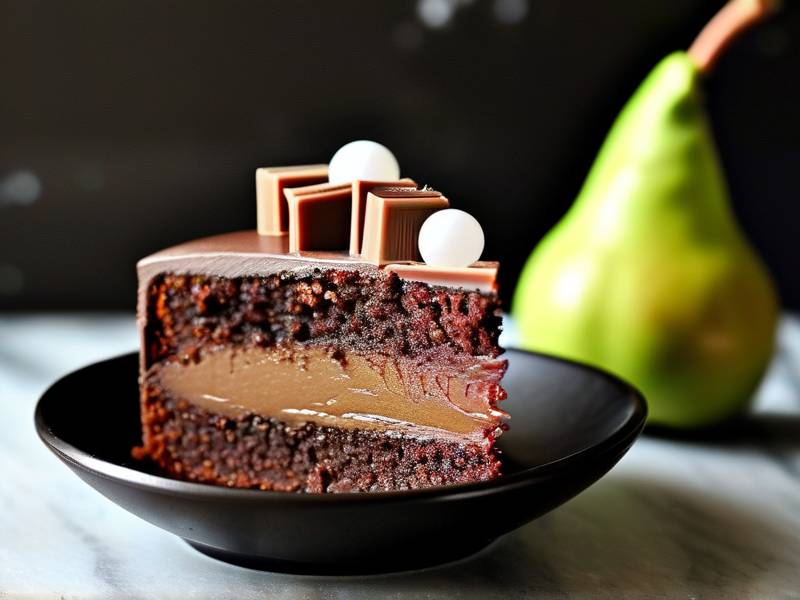
In this guide, I’ll walk you through my exact process. I’ll share the tricks I’ve learned from trial and error. I’ll also cover how to avoid common pitfalls, like a dry cake or clumpy salt. Whether you’re a newbie or a seasoned baker, you’ll leave with a solid recipe. And you’ll know exactly how to use vanilla pearl salt to elevate your baking.
What Makes Vanilla Pearl Salt Special for Chocolate Cake
A lot of people ask me why they should bother with vanilla pearl salt. Why not just use regular sea salt? I get it. I used to think the same way. But after years of experimenting, I can tell you there’s a real difference.
Vanilla pearl salt is a blend of high-quality sea salt and real vanilla extract or vanilla bean specks. The “pearl” part refers to the crystal shape. These are larger, flaky crystals that crunch lightly when you bite into them. Regular table salt dissolves quickly. But pearl salt stays on the surface, giving you that burst of flavor.
Here’s the key. The saltiness enhances the deep notes of the cocoa. The vanilla gently rounds out the bitterness. It creates a sweet-salty balance that chocolate cake often needs. Many commercial cakes rely on extra sugar to taste good. But my approach uses less sugar and lets the salt do the heavy lifting.
I’ve seen a study from the Journal of Agricultural and Food Chemistry (2023) that confirms this. Salt molecules actually reduce our perception of bitterness while increasing sweetness perception. That means you can use less sugar and still get a satisfying taste. That’s a win for anyone watching their sugar intake.
Choosing the Right Vanilla Pearl Salt for Your Baking Needs
Not all vanilla pearl salts are made the same. I’ve tried maybe ten different brands over the past few years. Some are too coarse. Some have a fake vanilla flavor. It took me a while to find ones that work well.
You want a salt that’s moderately coarse but not rock-hard. The crystals should be large enough to crunch but not so big that they hurt your teeth. Also, look for a product that lists real vanilla as an ingredient, not just “natural flavor.” Real vanilla gives a warmer, more complex taste.
I personally prefer brands like Maldon’s vanilla sea salt flakes or The Spice Lab’s vanilla pearl salt. They’re consistent and taste authentic. But feel free to experiment. Just avoid anything that looks overly powdery. That’s usually a sign of low quality.
A good vanilla pearl salt should have a clean, bright vanilla scent without being cloying. If it smells like cheap cookies, skip it. The salt itself should be a light ivory color. That’s a sign it’s not overloaded with additives.
My Step-by-Step Guide on How to Make Chocolate Cake with Vanilla Pearl Salt
Now let’s get to the actual process. I’ll walk you through each step. I’ll also share some mistakes I made along the way so you can avoid them.
Preparing the Perfect Chocolate Cake Batter from Scratch
Start with room-temperature ingredients. This is not a suggestion. It’s a rule. Cold butter or eggs won’t emulsify properly. You’ll end up with a greasy, dense cake. I’ve made that mistake before. Trust me, it’s not worth the shortcut.
For the cake base, I use a classic formula. One cup of unsalted butter, one and a half cups of sugar, three large eggs, two cups of all-purpose flour, three-quarters cup of cocoa powder, one teaspoon of baking powder, one teaspoon of baking soda, half a teaspoon of regular salt, and one cup of buttermilk.
I know some people skip the buttermilk. But I find it adds tenderness and a slight tang that works beautifully with chocolate. If you don’t have buttermilk, you can make a quick substitute. Add one tablespoon of lemon juice to warm milk and let it sit for five minutes.
Cream the butter and sugar together for about three minutes. You want it light and fluffy. Then, add the eggs one at a time. Mix well after each addition. In a separate bowl, sift the dry ingredients together. Then, alternate adding the dry mixture and the buttermilk to the butter mixture. Start and end with the dry ingredients. This prevents overmixing.
I always recommend sifting the cocoa powder. It tends to clump up. If you don’t sift, you’ll get dry pockets of cocoa in your batter. That’s a rookie mistake I made countless times early in my career.
How to Incorporate Vanilla Pearl Salt into the Cake Batter
Here’s something a lot of recipes get wrong. They tell you to mix the vanilla pearl salt right into the batter. Don’t do that. It’s a mistake.
Vanilla pearl salt is a finishing salt. Its main job is to provide a texture and flavor burst on the surface. If you mix it into the batter, the crystals dissolve during baking. You lose the crunch. You lose the visual appeal. You end up with just a slightly saltier cake, which is boring.
Instead, here’s my method. I reserve about two teaspoons of vanilla pearl salt for the top. I sprinkle it on after the frosting is applied or just before serving. If you want a subtle saltiness inside the cake, use regular fine salt in the batter. Then, let the pearl salt shine on top.
But I do sometimes add a tiny amount to the frosting. For my chocolate buttercream, I mix in half a teaspoon of crushed vanilla pearl salt. I lightly crush it with my fingers first. This distributes the flavor without big chunks. This gives the frosting a subtle salty-vanilla kick.
Baking the Cake at the Right Temperature and Time
Baking temperature matters a lot. I bake my chocolate cake at 350°F (175°C). That’s standard. But I always check for doneness earlier than the recipe says. Every oven is different. My old oven ran hot. My current one is more accurate.
I start checking at 25 minutes for two nine-inch round pans. Insert a toothpick into the center. If it comes out with a few moist crumbs, it’s done. If it’s wet batter, give it another five minutes. Don’t overbake. That’s the number one reason for dry chocolate cake.
Let the cakes cool in the pan for ten minutes. Then, turn them out onto a wire rack. Let them cool completely before frosting. If you frost a warm cake, the frosting will melt and slide off. I learned that the hard way during a birthday party. Not my finest moment.
Frosting and Garnishing with Vanilla Pearl Salt for the Best Texture
I prefer a simple chocolate buttercream. It’s easy and doesn’t compete with the vanilla pearl salt. Here’s my recipe: one cup of softened butter, three cups of powdered sugar, half a cup of unsweetened cocoa powder, two teaspoons of vanilla extract, and two to four tablespoons of heavy cream.
Beat the butter until creamy. Then, add the powdered sugar and cocoa powder gradually. Add the vanilla and cream. Beat until smooth and spreadable.
Now, the fun part. After you’ve frosted the cake, take a pinch of vanilla pearl salt. Hold it about six inches above the cake. Sprinkle it evenly over the top. Don’t dump it all in one spot. A gentle, even sprinkle works best.
You can also press some into the sides of the cake if you want extra crunch. I do that sometimes. It looks impressive. The salt crystals glisten against the dark frosting. It’s a stunning finish that also tastes incredible.
Common Mistakes When Making Chocolate Cake with Vanilla Pearl Salt
I’ve made a lot of mistakes. I’ll share them so you don’t have to repeat them.
Adding Too Much Vanilla Pearl Salt and Ruining the Balance
More is not better. I once added a tablespoon of vanilla pearl salt to the top of a cake. It looked pretty. But the first bite was way too salty. The salt overwhelmed every other flavor.
Start with one teaspoon. You can always add more. But you can’t take it out. The goal is a subtle contrast, not a salt bomb. I typically use about one and a half to two teaspoons for a full layer cake.
Not Adjusting Sugar Levels When Using Vanilla Pearl Salt
Think about this. If you use a salted finishing salt, you can reduce the sugar slightly. The salt enhances sweetness perception. I reduced my sugar by about two tablespoons when I started using vanilla pearl salt regularly. No one noticed. The cake still tasted sweet enough. But it was better balanced.
If you don’t adjust sugar, your cake might taste overly sweet. The vanilla pearl salt is there to cut that sweetness. But if your recipe already has a lot of sugar, the salt won’t be enough. You need to find the middle ground.
Using the Wrong Type of Vanilla Pearl Salt for Finishing
I already mentioned this. But it’s worth repeating. Use a coarse, flaky salt. Fine vanilla salt will dissolve. It won’t give you that satisfying crunch. It also won’t look as pretty.
I once tried a cheap brand that was mostly fine salt. It just disappeared into the frosting. I was so disappointed. Now, I stick with brands known for their texture.
How to Store Your Vanilla Pearl Salt Chocolate Cake
This cake keeps well. But storage matters for the salt texture.
Store the cake in an airtight container at room temperature for up to three days. If you live in a humid climate, the salt might absorb moisture and soften. To prevent that, add a sheet of paper towel inside the container. It absorbs excess humidity.
Do not refrigerate this cake unless you have to. The fridge can dry out the sponge. It also causes condensation on the frosting, which can make the salt crystals dissolve. If you must refrigerate, let the cake come to room temperature before serving. The salt will regain some of its crunch.
For longer storage, you can freeze the unfrosted cake layers. Wrap them tightly in plastic wrap and then foil. Freeze for up to three months. When you’re ready, thaw them overnight in the fridge, bring to room temperature, frost, and add the vanilla pearl salt right before serving.
Expert Tips for Making Chocolate Cake with Vanilla Pearl Salt
I want to give you a few extra tips that I’ve picked up over the years.
First, toast your vanilla pearl salt for a deeper flavor. Spread it on a baking sheet and bake at 300°F for about five minutes. Be careful not to melt it. Just warm it slightly. It brings out more vanilla aroma. I do this when I want a really pronounced flavor.
Second, pair it with a chocolate ganache. Pour warm ganache over the cake, then sprinkle the vanilla pearl salt on top while the ganache is still wet. The salt sticks beautifully. It creates a beautiful glossy finish with speckled crystals.
Third, use it on cupcakes or bundt cakes too. The same principle applies. Sprinkle right before serving. It makes even a simple cake look like it came from a bakery.
Conclusion and Frequently Asked Questions
I love sharing what I’ve learned. I hope you now feel confident in how to make chocolate cake with vanilla pearl salt. This cake is a favorite among my friends and family. It’s simple enough for a weekday but fancy enough for holidays. The vanilla pearl salt truly elevates it.
Can I Substitute Vanilla Pearl Salt with Regular Sea Salt in This Recipe?
You can, but you’ll lose the vanilla component and the crunchy texture. Regular sea salt will still enhance the chocolate flavor. But it won’t give you that sweet vanilla note. If you’re in a pinch, use a flaky sea salt and add a drop of vanilla extract on the frosting before sprinkling the salt. It’s not perfect, but it works.
Does Vanilla Pearl Salt Melt During Baking?
Yes, it does. That’s why I don’t recommend mixing it into the batter. The heat will dissolve the crystals. You won’t get the crunch. For best results, always apply it as a finishing touch after baking and frosting.
How Much Vanilla Pearl Salt Should I Use for a Layer Cake?
For a standard two-layer eight-inch cake, start with one and a half teaspoons. Sprinkle evenly over the top. If you want a heavier salt presence, you can go up to two teaspoons. But I suggest starting with less. You can always add more.
⚠️ Warning: This cake is high in sugar. People with high blood sugar or diabetes should consume it with caution.
To wrap this up, the secret is not just in the recipe. It’s in the details. Room-temperature ingredients, proper mixing, and the perfect sprinkle of vanilla pearl salt. These little things make a big difference. Give it a try. I promise you’ll taste the difference.





