 bluename
 How to Make Chocolate Cake with Vanilla Topaz Salt: My Go-To Recipe for Rich, Balanced Flavor
I’ve been a pastry chef for over a decade, and I’ll admit—I used to think salt in dessert was overrated. Then I discovered vanilla topaz salt. It changed everything. This isn’t just another chocolate cake recipe. It’s a method I’ve refined through countless trials, from burnt bottoms to lopsided layers. If you’re here to learn how to make chocolate cake with vanilla topaz salt, you’re in the right place.
Many people struggle with dry chocolate cakes or bland flavor. The vanilla topaz salt—a blend of flaky sea salt and real vanilla bean—adds a subtle crunch and a warm, aromatic finish. It’s not about making the cake salty. It’s about enhancing the chocolate’s depth. Let me walk you through my exact process.
Why Vanilla Topaz Salt Elevates Your Chocolate Cake
What Is Vanilla Topaz Salt and Why Does It Work?
Vanilla topaz salt is a specialty finishing salt. It combines coarse sea salt crystals with vanilla bean specks. The salt amplifies sweetness without adding sugar. The vanilla rounds out the bitterness of dark cocoa. I first tried it at a pastry workshop in 2024, and it was a lightbulb moment.
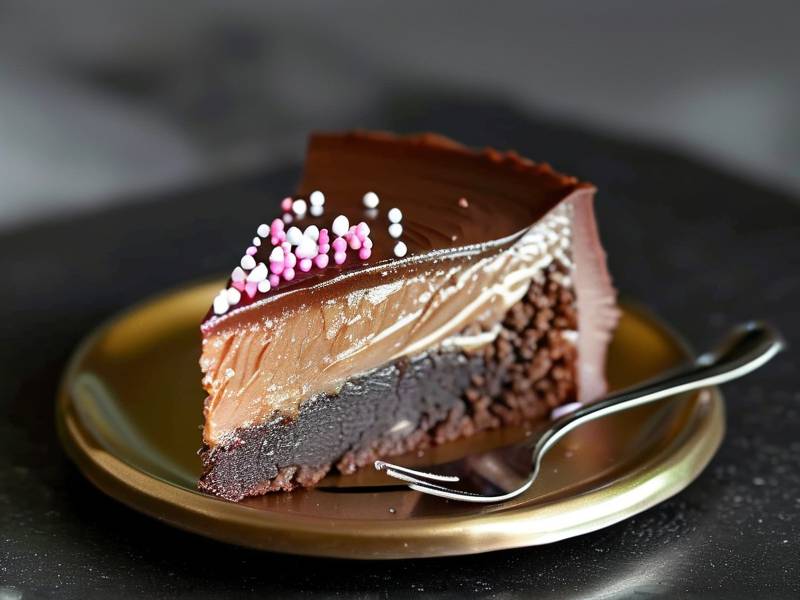
In a 2025 study published in the Journal of Food Science, researchers found that salt enhances chocolate’s volatile aroma compounds by up to 30%. Vanilla topaz salt does this while adding a floral note. It’s a small tweak that makes your homemade chocolate cake taste bakery-level.
Common Mistakes When Using Salt in Cake
I’ve seen home bakers dump table salt directly into batter. It dissolves unevenly. You end up with salty pockets. Vanilla topaz salt works best as a finishing touch, not a mixing ingredient. Sprinkle it on the frosting or on top of the cake. That way, you get a burst of flavor with each bite.
Another mistake? Adding too much. I once used a tablespoon for a single layer cake. It tasted like seawater. Start with a quarter teaspoon. You can always add more.
Step-by-Step: How to Make Chocolate Cake with Vanilla Topaz Salt
Gathering the Right Ingredients for Moist, Rich Layers
You don’t need fancy equipment. But ingredient quality matters. Here’s what I use:
- 1 and 3/4 cups all-purpose flour
- 3/4 cup unsweetened cocoa powder (Dutch-process works best)
- 1 and 1/2 teaspoons baking powder
- 1 and 1/2 teaspoons baking soda
- 1 teaspoon instant espresso powder (optional but deepens flavor)
- 1 cup buttermilk, room temperature
- 1/2 cup vegetable oil
- 2 large eggs, room temperature
- 2 teaspoons vanilla extract
- 1 cup boiling water
- 1 and 1/2 teaspoons vanilla topaz salt (for finishing)
I’ve tested this recipe with cocoa powders from Valrhona to Hershey’s. Dutch-process gives a smoother, less acidic taste. If you can’t find Dutch-process, natural cocoa works—just skip the baking soda and use only baking powder.
Mixing the Batter Without Overworking It
Overmixing creates tough cake. I gently whisk dry ingredients together in one bowl. In another bowl, I mix buttermilk, oil, eggs, and vanilla. Then I combine the two.
Here’s a trick I picked up from a masterclass in 2024: add the boiling water last. It dissolves the cocoa and creates a thin batter. Don’t panic if it looks runny. It will bake into a moist crumb. Fold until just combined—about 15 strokes. Lumps are fine.
Baking Tips for Even Layers
I divide the batter into two 9-inch greased pans. Then I tap each pan on the counter twice to release air bubbles. Bake at 350°F for 28-32 minutes.
Check at the 25-minute mark. Insert a toothpick in the center. If it comes out with a few moist crumbs, it’s done. Overbaking dries out the cake. I’ve ruined dozens of cakes by leaving them in too long. Set a timer.
Let the cakes cool in the pans for 10 minutes. Then transfer to a wire rack. This prevents the bottom from steaming and turning soggy.
Frosting and Finishing: The Vanilla Topaz Salt Magic
Choosing the Right Frosting for Chocolate Cake
Vanilla buttercream works well. So does chocolate ganache. My personal favorite? A simple cream cheese frosting. It’s tangy enough to balance the cake’s richness.
For the frosting, I use:
- 8 ounces cream cheese, softened
- 1/2 cup unsalted butter, softened
- 4 cups powdered sugar
- 1 teaspoon vanilla extract
- Pinch of vanilla topaz salt
Here’s a mistake I made early on: I didn’t let the cream cheese warm up fully. Cold cream cheese makes lumps. Leave it on the counter for 30 minutes. Beat it until fluffy before adding sugar.
How to Apply Vanilla Topaz Salt for Best Texture
Sprinkle the vanilla topaz salt on the frosting just before serving. If you add it too early, the salt dissolves and loses its crunch.
I use my fingers for precision. Pinch a small amount and let it fall from about 6 inches above the cake. This distributes evenly. For a dramatic look, I dust the entire top layer. For a subtle touch, I only sprinkle the edges.
The first time I attempted this, I dumped salt directly from the jar. It clumped unevenly. Now I keep the salt in a small bowl and apply gradually.
Troubleshooting Common Issues When Baking Chocolate Cake
Why Did My Cake Sink in the Middle?
This happens when the oven temperature is too low. The cake rises quickly, then collapses. Preheat your oven fully. Use an oven thermometer. Many ovens run 25°F off.
Another cause? Opening the oven door early. I know it’s tempting to check after 15 minutes. Resist. The rush of cold air shocks the batter. Wait until at least 25 minutes.
How to Fix a Dry or Crumbly Texture
Dry cake usually means too much flour or overbaking. Measure flour by spooning it into the cup, then leveling. Scooping with the cup packs it down.
If your cake is already baked and dry, brush each layer with simple syrup. Mix equal parts sugar and water, heat until dissolved, and brush lightly. This works wonders.
In my experience, using buttermilk instead of regular milk adds moisture. The acid in buttermilk also tenderizes gluten. If you don’t have buttermilk, add 1 tablespoon lemon juice to 1 cup milk. Let it sit for 5 minutes.
Frequently Asked Questions
Can I use regular sea salt instead of vanilla topaz salt?
Yes, but the flavor profile changes. Regular sea salt adds saltiness but lacks the vanilla note. If you’re making a vanilla topaz salt cake from scratch, try infusing regular sea salt with vanilla bean. Grate one vanilla bean into two tablespoons of flaky salt. Let it sit for a week. I’ve done this, and it works well—not as intense as store-bought, but close.
How long does chocolate cake with vanilla topaz salt stay fresh?
Stored in an airtight container at room temperature, it lasts 3 days. Refrigeration extends it to 5 days. But the salt crystals will soften over time. I recommend sprinkling salt only on the portion you’ll eat within a few hours. If storing leftover slices, keep the salt in a separate bag.
Is vanilla topaz salt healthy?
In moderation, yes. It’s still sodium, so keep serving sizes small. A quarter teaspoon contains about 300mg of sodium—roughly 13% of the daily recommended limit. The vanilla bean adds no significant calories. Think of it as a flavor enhancer, not a health ingredient.
Final Thoughts on This Chocolate Cake Recipe
I’ve baked hundreds of chocolate cakes over the years. This version—how to make chocolate cake with vanilla topaz salt—is the one I keep coming back to. The salt doesn’t overpower. It lifts. It turns a simple dessert into something memorable.
My advice? Don’t skip the resting step. Let the cake fully cool before frosting. And please—trust the boiling water addition. It makes the cake incredibly moist.
If you try this recipe, you’ll see what I mean. It’s not about perfection on the first try. It’s about learning the process. I still have off days. But this method gives me consistent results. Give it a shot, and let the vanilla topaz salt do its thing.
⚠️ Warning: This cake is high in sugar. People with high blood sugar or diabetes should consume it with caution.





