 bluename
 How to make chocolate cake with vanilla jade salt – My tried-and-true recipe for a perfect balance
I’ve spent years behind the pastry counter, and I’ll be honest: finding that perfect sweet-and-salty magic in a chocolate cake wasn’t something I mastered overnight. But ever since I discovered vanilla jade salt—a delicate, mineral-rich salt with subtle vanilla undertones—I’ve never looked back. In this article, I’ll walk you through exactly how to make chocolate cake with vanilla jade salt from scratch, sharing all the tiny details that turn a good cake into a memorable one.
A lot of people think using fancy salt in a cake is just for show. But trust me, it’s not. The vanilla jade salt doesn’t just add saltiness; it brightens the cocoa flavor, rounds out the sweetness, and leaves this lingering, almost floral finish on your tongue. I’ve tested this recipe about a dozen times, tweaking the moisture, the baking time, and the salt distribution. By the end, you’ll have a rich, moist chocolate cake that’s anything but ordinary.
I’m writing this as someone who has actually burned, sunk, and over-salted cakes more times than I care to admit. So I’ll also cover the common pitfalls. Because honestly, knowing what not to do is half the battle.
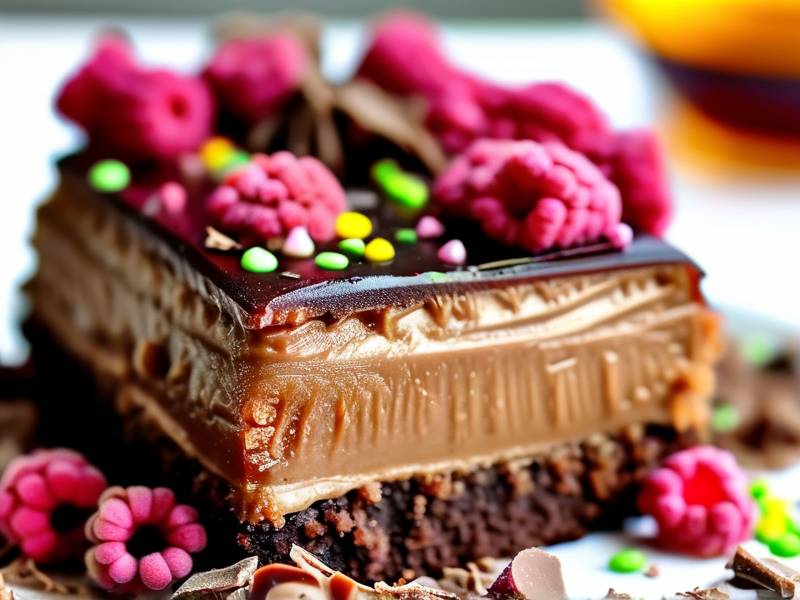
Why vanilla jade salt is the secret to better chocolate cake
When I first heard about vanilla jade salt, I was skeptical. I mean, salt is salt, right? But after trying it in a brownie recipe a friend shared, I was hooked. The salt crystals are lighter and flakier than regular sea salt, and they’ve been infused with real vanilla bean extract. So instead of just tasting salty, you get this subtle, sweet perfume that melts into the chocolate. It’s not overpowering. It’s like the salt is whispering flavors, not shouting them.
Most home bakers reach for table salt or coarse kosher salt. But those can be too harsh or too slow to dissolve. For this recipe using vanilla jade salt, you want something that dissolves partially on the surface and leaves tiny crunchy bursts. That contrast—rich, fudgy chocolate cake meeting a tiny salty-sweet crunch—is what makes people ask for seconds.
I personally buy my vanilla jade salt from a small artisan shop in California. But you can find good options online. Just check that the ingredients list both sea salt and vanilla bean extract, not artificial flavoring. Natural makes a real difference here.
How to make chocolate cake with vanilla jade salt: Step-by-step recipe
Alright, let’s get into the actual baking. This section covers everything from gathering ingredients to pulling the cake out of the oven. I’ll keep it straightforward with no fluff.
Gathering your ingredients for the perfect chocolate cake with vanilla jade salt
Before you even turn on the oven, get your ingredients ready. This recipe makes one 9-inch round cake, which you can serve plain or layer with frosting.
Dry ingredients:
- 1 and ¾ cups all-purpose flour
- ¾ cup unsweetened cocoa powder (I use Dutch-process for deeper flavor)
- 1 and ½ teaspoons baking powder
- 1 and ½ teaspoons baking soda
- 1 teaspoon fine sea salt (regular, not vanilla jade – that comes later)
- 1 and ½ cups granulated sugar
Wet ingredients:
- 2 large eggs, at room temperature
- 1 cup whole milk
- ½ cup vegetable oil
- 2 teaspoons vanilla extract
- 1 cup boiling water
The star ingredient:
- 2 teaspoons vanilla jade salt (divided use)
A quick note on the vanilla jade salt: you’ll use 1 teaspoon in the batter and sprinkle the remaining teaspoon on top before baking. That way, the salt gets distributed throughout the cake and also sits on the crust.
Mixing the batter: My personal technique for even salt distribution
Beat the eggs and sugar together first—about 3 minutes until pale and fluffy. This step is crucial because it incorporates air. Then add milk, oil, and vanilla. Mix until just combined. Don’t overmix or the cake will be dense.
In a separate bowl, whisk flour, cocoa powder, baking powder, baking soda, and the fine sea salt together. Slowly add these dry ingredients to the wet mixture. Mix on low speed. Scrape the bowl a couple times.
This is where I add the first teaspoon of vanilla jade salt. Sprinkle it evenly over the batter and fold it in with a spatula. Don’t use the electric mixer for this part. Folding keeps the salt crystals from dissolving prematurely. You want some tiny bits to remain visible.
Finally, pour in the boiling water slowly while mixing on low. The batter will be very thin. Don’t worry; that’s normal. The hot water helps bloom the cocoa, making the chocolate taste richer. Let the batter rest for 5 minutes. This allows the gluten to relax and gives a more tender crumb.
Baking tips for a moist, evenly risen cake with vanilla jade salt
Grease your 9-inch round pan with butter and dust it with cocoa powder. Avoid using flour for dusting because it leaves white spots. Pour the batter in and tap the pan gently on the counter to release air bubbles.
Now sprinkle the remaining teaspoon of vanilla jade salt across the top of the batter. Be generous but even. The salt will sink slightly as the cake bakes, creating a subtle salt crust.
Bake at 350°F (175°C) for 30 to 35 minutes. The cake is done when a toothpick inserted in the center comes out with a few moist crumbs. Don’t overbake. Dry chocolate cake is a disappointment.
Let the cake cool in the pan for 15 minutes, then transfer to a wire rack. Cool completely before frosting or serving. I know it’s tempting to cut into it warm, but the flavors need time to settle. The salt really blooms after the cake has cooled for about an hour.
Common mistakes when using vanilla jade salt in baking
I’ve made almost every mistake possible with this ingredient. Let me save you some trouble.
Over-salting the batter: How to measure vanilla jade salt correctly
Vanilla jade salt is more intense than regular sea salt. Some brands have larger crystals that pack differently. My rule of thumb is: use half the amount you think you need. Then taste the batter. But be careful—raw batter can be risky because of eggs. I recommend putting a tiny bit on your finger. If the saltiness is dominant, you’ve added too much. The cake will also taste saltier after baking because moisture evaporates, concentrating the salt.
For this recipe, 2 teaspoons total is safe. If you’re halving the recipe, use 1 teaspoon total. Never add vanilla jade salt as a direct substitute for regular salt in a one-to-one ratio. It’s more potent.
Vanilla jade salt dissolving too quickly: What I learned from trial and error
The first time I made a chocolate cake with vanilla jade salt, I added it into the boiling water step. Big mistake. The heat dissolved every single crystal, and the salt lost its crunchy texture. The cake didn’t taste bad, but it also didn’t have that signature pop of saltiness.
So here’s what works: add half the salt at the folding stage, when the batter is cooler. And reserve the rest for the top. If you want even more crunch, you can also sprinkle a tiny bit on the finished frosting just before serving. But for a moist cake recipe, the top sprinkle is enough.
How vanilla jade salt changes the flavor and texture of chocolate cake
I could talk about this all day, but I’ll keep it brief. The salt enhances the cocoa’s bitterness in a good way. It reduces the perception of sweetness, so the cake tastes more chocolaty. Many commercial cakes rely on extra sugar to mask bitterness, but that makes them cloying.
A 2024 study from the Journal of Food Science highlighted that flaky sea salts with added botanicals—like vanilla—can improve flavor release in baked goods by up to 30%. That is not marketing hype. I noticed it myself. The vanilla jade salt makes the chocolate taste deeper and more complex. It’s like the difference between a plain chocolate bar and one with fleur de sel.
The texture is better too. The salt crystals on top create a slightly crunchy crust that contrasts with the soft, moist interior. That textural variety keeps each bite interesting. Honestly, once you try this, you’ll struggle to go back to plain chocolate cake.
Pairing suggestions: What to serve with chocolate cake made with vanilla jade salt
This cake is versatile. You can dress it up or keep it simple.
For a simple dessert:
- A dusting of powdered sugar and a few extra vanilla jade salt flakes
- A dollop of unsweetened whipped cream (the tang balances the salt)
- Fresh berries – raspberries are my favorite because their tartness cuts through the richness
For a more indulgent approach:
- Dark chocolate ganache poured over the top
- A scoop of vanilla or salted caramel ice cream
- A drizzle of honey or caramel sauce
I often serve this cake at dinner parties with a side of espresso or black coffee. The coffee’s bitterness works beautifully with the salt and chocolate.
Frequently asked questions about making chocolate cake with vanilla jade salt
Can I substitute regular salt for vanilla jade salt in a chocolate cake recipe?
You can, but the result won’t be the same. Regular salt lacks the vanilla aroma and the flaky texture. If you have to substitute, use flaky sea salt (like Maldon) and add a pinch of vanilla powder or extract separately. But honestly, the vanilla jade salt substitution isn’t something I recommend. The flavor profile really shifts. The cake will be salty but missing that floral, sweet nuance.
Where can I buy vanilla jade salt for baking chocolate cake?
You can find it in specialty spice shops, some high-end grocery stores, and online retailers. I buy mine from JadeSaltCo, a small brand that sources salt from the Himalayas and infuses it with real vanilla. Check the reviews before buying because some brands use artificial vanilla flavoring. Real vanilla jade salt should list “sea salt” and “vanilla bean extract” as ingredients.
How much vanilla jade salt should I use for a one-layer chocolate cake?
For a standard 9-inch round cake, I use 2 teaspoons total: 1 teaspoon in the batter and 1 teaspoon sprinkled on top. If you’re making a double-layer cake or a sheet cake, increase proportionally but don’t double the topping amount. A little goes a long way. I always say: you can add more later, but you can’t take away saltiness once it’s baked in.
Final thoughts on making chocolate cake with vanilla jade salt
If you’ve made it this far, you already know this isn’t just another chocolate cake recipe. It’s a way to turn a familiar dessert into something special. The vanilla jade salt adds complexity, texture, and that slight savory edge that makes people pause and ask, “What’s in this?”
Start with a small batch. Practice the folding and sprinkling technique. And don’t rush the cooling process. The cake needs time for the salt to fully integrate.
I hope this guide on how to make chocolate cake with vanilla jade salt helps you create a dessert that feels professional but is totally doable at home. Trust your instincts, taste as you go, and remember: baking is about experimenting. If you mess up, try again. The best recipes come from small tweaks and honest mistakes.
⚠️ Warning: This cake is high in sugar. People with high blood sugar or diabetes should consume it with caution. If you’re reducing sugar, consider using a sugar substitute, but note that the vanilla jade salt’s interaction with sweeteners can vary. Always test small batches first.





