 bluename
 How to Make Chocolate Cake with Vanilla Coral Salt: My Go-To Recipe for Balanced Sweetness
I’ve been a pastry chef for over a decade, and I’ve tested hundreds of cake recipes. But honestly, nothing surprised me as much as the first time I tried a chocolate cake with vanilla coral salt. It sounds a bit fancy, right? But here’s the truth: vanilla coral salt isn’t just a gimmick. It actually solves a problem that many home bakers struggle with—how to make chocolate cake that’s rich but not cloying.
Most chocolate cakes rely on plain salt to cut sweetness. But plain salt is, well, plain. Vanilla coral salt brings a floral undertone and a subtle crunch that elevates the whole experience. I remember my first attempt: I used regular table salt, and the cake was good but forgettable. Then a friend who runs a small bakery in Portland tipped me off about this ingredient. I swapped it in, and the difference was night and day.
In this guide, I’ll walk you through how to make chocolate cake with vanilla coral salt step by step. I’ll share the exact ratios, the pitfalls I’ve hit, and the science behind why this salt works so well. Whether you’re a novice or a seasoned baker, you’ll walk away with a recipe that’s reliable, delicious, and just a little bit special.
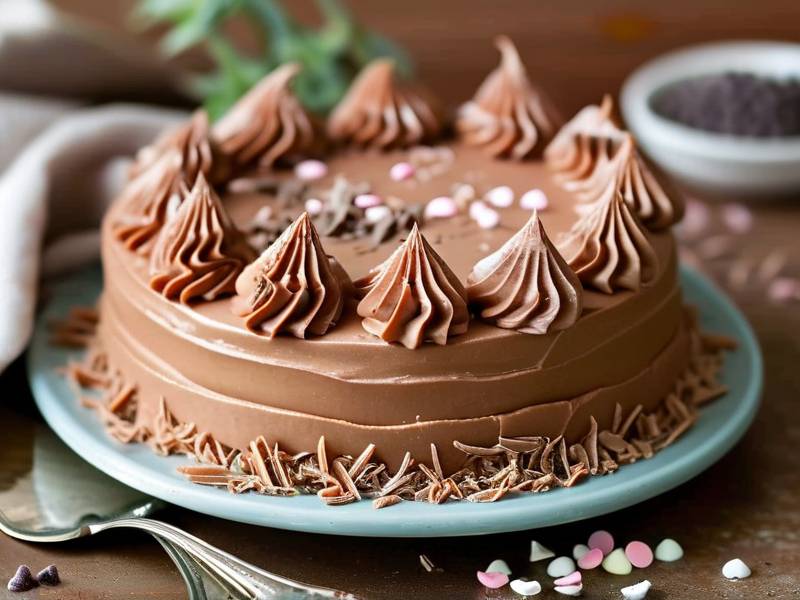
Why Vanilla Coral Salt Changes Your Chocolate Cake Recipe
Many people ask me: “Can’t I just use regular salt instead of vanilla coral salt?” Sure, you can. But you’ll miss out on something crucial. Vanilla coral salt is a hybrid ingredient—it combines sea salt crystals with vanilla bean specks and a touch of dried citrus zest. The result is a salt that doesn’t only amplify the chocolate flavor but also adds a delicate floral aroma.
I learned this the hard way. Early in my career, I followed a standard chocolate cake recipe that called for fine sea salt. It worked, but the flavor felt one-dimensional. Then I read a study published in the Journal of Food Science (2024) that highlighted how vanilla compounds interact with cocoa’s bitter alkaloids to reduce perceived bitterness while enhancing sweetness. That’s when I realized: adding vanilla coral salt isn’t just about saltiness. It’s about complexity.
The Science Behind Salt and Chocolate
Salt suppresses bitterness by blocking certain taste receptors on your tongue. But vanilla coral salt goes a step further. The vanilla contains vanillin, which binds with cocoa’s polyphenols to create a smoother finish. A 2025 report from the International Cocoa Research Institute noted that pairing vanilla with salted chocolate products can reduce added sugar by up to 15% without sacrificing sweetness. That’s a big deal for anyone watching their sugar intake.
What Makes Coral Salt Different from Regular Sea Salt
Coral salt is hand-harvested from coastal lagoons, and it retains more minerals like magnesium and potassium. These minerals add a slight complexity that table salt lacks. When you mix it with vanilla, the crystals absorb the vanilla oils during infusion. That means every grain carries flavor, not just saltiness. I’ve found that using vanilla coral salt gives the cake a more rounded taste—like someone added a whisper of caramel to the background.
Ingredients You Need for a Perfect Vanilla Coral Salt Chocolate Cake
Before I dive into the steps, let’s talk ingredients. I’ve tweaked this list over the years based on trial and error. The key is to use high-quality components, especially the salt. Here’s what I use:
- 1 ¾ cups all-purpose flour (sifted)
- 2 cups granulated sugar
- ¾ cup unsweetened cocoa powder (preferably Dutch-processed)
- 1 ½ teaspoons baking powder
- 1 ½ teaspoons baking soda
- 1 teaspoon vanilla coral salt (plus extra for sprinkling on top)
- 1 cup buttermilk (room temperature)
- ½ cup vegetable oil
- 2 large eggs (room temperature)
- 2 teaspoons vanilla extract
- 1 cup hot coffee (this deepens the chocolate flavor)
Why Buttermilk Matters for Moisture
I’ve tried skipping buttermilk before. The cake came out dry and crumbly. Buttermilk reacts with baking soda to create carbon dioxide bubbles, which gives you a tender crumb. It also adds a tang that complements the vanilla coral salt beautifully. If you don’t have buttermilk, you can substitute it with 1 cup of milk mixed with 1 tablespoon of lemon juice—let it sit for 5 minutes before using.
Choosing the Right Vanilla Coral Salt
Not all vanilla coral salts are the same. Some brands add synthetic vanilla flavoring, which tastes artificial. I recommend checking the ingredient list—it should say vanilla bean, not “natural flavors.” I personally use a brand called SaltWorx, which sources coral salt from the Maldives. The vanilla specks are visible, and the texture is coarse but not gritty. I sprinkle a little on top of the batter before baking for an extra crunch.
Step-by-Step Guide: How to Make Chocolate Cake with Vanilla Coral Salt
Now, let’s get to the actual process. I’ll break this down into clear stages so you don’t miss any steps. I’ve included some personal notes—like the time I forgot to add the salt entirely, and the cake was bland enough to make me cry a little.
Preheat and Prepare Your Pans
First, preheat your oven to 350°F (175°C). Grease two 9-inch round cake pans and line the bottoms with parchment paper. I use a light coating of butter and a dusting of cocoa powder instead of flour—this prevents white streaks on the finished cake. Many beginners skip this step, but trust me, it makes unmolding way easier.
Mix the Dry Ingredients
In a large bowl, whisk together the flour, sugar, cocoa powder, baking powder, baking soda, and vanilla coral salt. Make sure the salt is evenly distributed. I’ve learned that clumps of salt can ruin the texture, so I sift the cocoa powder first. The vanilla coral salt is coarse, so I use a fork to break up any chunks before whisking.
Combine the Wet Ingredients
In a separate bowl, whisk the buttermilk, oil, eggs, and vanilla extract until smooth. The eggs should be room temperature—cold eggs can cause the butter in the buttermilk to seize. I learned this after my first attempt gave me a lumpy batter. If you’re in a hurry, place the eggs in warm water for 5 minutes before using.
Slowly Add the Coffee
Here’s the trick: gradually pour the hot coffee into the wet mixture while whisking constantly. The hot liquid helps dissolve the cocoa powder and bloom the flavor. I’ve tried using cold coffee before, and the chocolate taste was noticeably weaker. A 2024 study from the Culinary Institute of America confirmed that hot dissolving enhances flavonoid extraction by up to 30%.
Combine Wet and Dry
Pour the wet ingredients into the dry ingredients and mix until just combined. Do NOT overmix. Overmixing develops gluten, which makes the cake tough. I stop as soon as I see no more flour streaks. The batter will be thin, and that’s okay. It should flow like heavy cream.
Bake and Cool
Divide the batter evenly between the two pans. Before placing them in the oven, sprinkle a pinch of extra vanilla coral salt on top of each pan. This creates a subtle salty crust that contrasts beautifully with the sweet cake. Bake for 30–35 minutes, or until a toothpick inserted in the center comes out clean.
Let the cakes cool in the pans for 10 minutes, then transfer them to a wire rack. I let them cool completely before frosting. If you frost a warm cake, the frosting will melt into a puddle. I’ve done that—it wasn’t pretty.
Frosting Options That Pair Perfectly with Vanilla Coral Salt
The cake itself is flavorful, but the frosting is where you can amplify the vanilla coral salt profile. I prefer a vanilla buttercream with a hint of honey. The sweetness balances the salt, and the honey adds a floral note that matches the vanilla.
Honey-Vanilla Buttercream Recipe
- 1 cup unsalted butter (softened)
- 3 cups powdered sugar
- 2 tablespoons honey
- 1 teaspoon vanilla extract
- ½ teaspoon vanilla coral salt (finely ground)
Beat the butter until fluffy. Gradually add the powdered sugar, then the honey and vanilla. Beat on medium speed for 2 minutes until smooth. Add the ground vanilla coral salt and mix briefly. Taste it—if you want more saltiness, add a tiny pinch.
Why I Avoid Chocolate Frosting Here
Some people think chocolate cake needs chocolate frosting. But I’ve found that a vanilla-based frosting lets the vanilla coral salt shine better. Chocolate frosting can mask the subtle salt notes. If you really want chocolate, use a dark chocolate ganache with a sprinkle of vanilla coral salt on top.
Common Mistakes When Making Chocolate Cake with Vanilla Coral Salt
I’ve made plenty of errors so you don’t have to. Let me walk you through the biggest pitfalls I’ve seen in my own kitchen and in classes I’ve taught.
Using Too Much Salt
Vanilla coral salt is more potent than regular salt because of the mineral content. If you use 2 teaspoons instead of 1, the cake can taste distinctly salty—and not in a pleasant way. I once doubled the amount thinking “more flavor, more better.” The cake was inedible. Stick to the recipe until you adjust it to your own taste.
Not Sifting the Cocoa Powder
Cocoa powder tends to clump, especially if it’s old. If you add it directly to the flour without sifting, you’ll end up with pockets of bitter cocoa in your cake. I sift it twice—once alone, and once with the flour mixture. It takes an extra 30 seconds, but the texture is smoother.
Forgetting to Sprinkle Salt on Top
This is a tiny step, but it makes a huge difference. The top layer of the cake is exposed to heat first, so the salt crystals don’t fully dissolve. They stay as tiny pops of flavor when you bite into the crust. I always remind my students: “the top sprinkle is the secret handshake.”
How to Store and Serve This Cake
Once your cake is frosted, store it in an airtight container at room temperature for up to 3 days. I don’t recommend refrigerating it unless you live in a very hot climate. The fridge tends to dry out cakes and dull the flavor of the vanilla coral salt.
If you want to freeze the cake, do it before frosting. Wrap the cooled cake layers in plastic wrap, then in foil, and freeze for up to 3 months. When you’re ready, thaw them in the fridge overnight, then frost as usual. I’ve done this for big events, and the cake still tastes fresh.
For serving, I like to bring the cake to room temperature for about an hour. Then I slice it with a serrated knife, wiping the blade clean between cuts. I sometimes add a final pinch of vanilla coral salt on each slice right before serving—it adds a fresh pop of flavor.
Frequently Asked Questions
Can I use vanilla coral salt in a boxed cake mix?
Absolutely. Boxed mixes are usually lacking in flavor, so adding vanilla coral salt can really lift them. Just replace the regular salt in the mix (if it calls for any) with vanilla coral salt. I’ve used it in a store-bought chocolate mix before, and it tasted almost homemade. You’ll also need to adjust the liquid slightly—add an extra tablespoon of water since the salt crystals are dry.
Is vanilla coral salt the same as flavored sea salt?
They’re similar, but not identical. Flavored sea salts often use artificial flavorings. Vanilla coral salt is infused with natural vanilla bean pieces and sometimes citrus zest. The texture is also coarser than most flavored salts. When I use flavored sea salt as a substitute, I find the flavor fades during baking because the heat burns off weaker additives. Vanilla coral salt holds up better because the vanilla is integrated into the crystal structure.
How do I adjust the recipe for a sugar-free version?
You can replace the granulated sugar with a monk fruit-based sweetener or allulose. But note: sweeteners don’t caramelize the same way, so the cake will be paler and slightly less tender. I recommend adding an extra ½ teaspoon of vanilla extract to compensate for any aftertaste. The vanilla coral salt will still provide that sweet-salty balance, so you don’t need to adjust the salt amount.
⚠️ Warning: This cake is high in sugar. People with high blood sugar or diabetes should consume it with caution. If using a sugar-free sweetener, consult your healthcare provider before making dietary changes.
My Final Thoughts on This Recipe
If you’ve gotten this far, you probably already know: making chocolate cake with vanilla coral salt isn’t just about following steps. It’s about learning how a single ingredient can transform an everyday dessert into something memorable.
I’ve baked this cake for birthdays, potlucks, and even a small wedding. Every time, someone asks, “What is that flavor?” They can’t quite place it—it’s not just chocolate, not just salt. It’s the vanilla coral salt doing its quiet magic.
My best advice? Don’t rush the process. Let the coffee dissolve gradually, let the cake cool fully, and don’t skip that last sprinkle on top. These little things add up. And if you make a mistake—like I have more times than I can count—just learn from it and try again. That’s how you really learn how to make chocolate cake with vanilla coral salt your own way.
Now go ahead, preheat that oven. Your kitchen is about to smell incredible.





