 bluename
 I remember the first time I tried pairing chocolate with herbs. It felt weird at first. But then I realized how the right savory note can actually make chocolate taste even more rich and complex. That’s how I stumbled onto vanilla marjoram salt. Trust me, it changes the whole game.
So if you are looking for a recipe that walks you through how to make chocolate cake with vanilla marjoram salt, you’ve come to the right place. I’ve been baking professionally for years, and I’ve tested this combination dozens of times. In this article, I’ll break down every step. I’ll also share the small mistakes I made along the way so you can skip them.
Let me start by saying this: you are not just making a cake. You are building a layered flavor experience. The vanilla marjoram salt adds a subtle floral, slightly herbal finish. It cuts through the sweetness and lifts the cocoa. Honestly, once you try it, plain chocolate cake might never feel the same again.
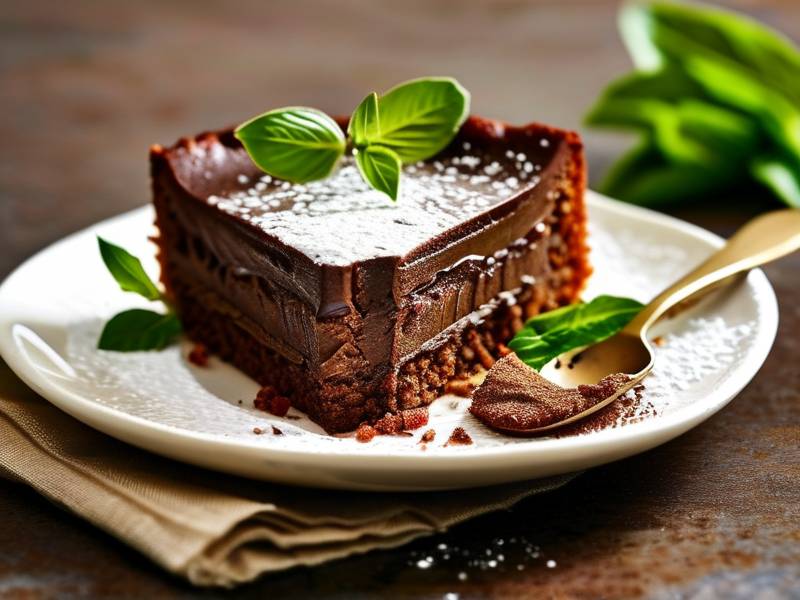
Why I love using vanilla marjoram salt in chocolate cake
I first learned about marjoram from a mentor who specialized in savory baking. I thought it was just for roast chicken. But he showed me how marjoram has this gentle, sweet-herbal thing going on. When you infuse it with vanilla and salt, it becomes something else entirely.
Most people skip the salt step in sweet baking. That’s a mistake. Salt doesn’t just make things salty. It actually amplifies the chocolate flavor. It rounds out bitterness. And vanilla marjoram salt? It brings a whole new layer. The vanilla adds warmth. The marjoram adds a subtle earthiness.
I’ve noticed that a lot of home bakers struggle with flat-tasting chocolate cakes. They follow the recipe, but the flavor feels one-dimensional. Adding this infused salt is the easiest fix. It’s not fancy. It’s just smart.
Understanding the flavor profile of chocolate cake with herb-infused salt
How does vanilla marjoram salt change the chocolate taste?
Let’s get a little technical here. But I promise to keep it simple. Chocolate contains compounds called polyphenols. Those are the things that give dark chocolate that slightly bitter edge. Salt interacts with those compounds. It suppresses bitterness and boosts sweetness perception. That’s basic food science.
Now, add vanilla. Vanilla contains vanillin. That compound pairs naturally with cocoa. It creates that familiar “chocolatey” aroma we all love. Then you add marjoram. Marjoram has linalool and sabinene. Those are aromatic compounds that give it a pine-like, floral note.
When you combine all three, you get a cake that tastes deeper. It’s not just sweet. It’s complex. I personally find that the marjoram lingers on the finish. It’s subtle. You won’t say “oh, that’s herb-flavored.” You will just think the cake tastes more interesting.
Why I recommend weighing your dry ingredients for this recipe
I see so many people using measuring cups for flour and cocoa. It leads to inconsistent results. Cocoa powder compresses easily. One cup can range from 100 grams to 140 grams depending on how you scoop. That’s a huge difference.
For how to make chocolate cake with vanilla marjoram salt, precision matters. The salt ratio is small. A few extra grams of flour can throw off the balance. I use a digital scale for everything. It costs like 15 dollars. Worth every penny.
Essential ingredients for your chocolate cake with vanilla marjoram salt
Let me walk through what you actually need. I’ll note substitutions where possible. But I recommend sticking to the base ingredients the first time.
Core dry ingredients
- All-purpose flour: 240 grams. I use unbleached. It gives a slightly better crumb.
- Unsweetened cocoa powder: 60 grams. Go for Dutch-processed if you can. It’s less acidic and smoother.
- Baking soda: 1.5 teaspoons.
- Baking powder: 1 teaspoon.
- Fine sea salt: I skip the regular salt here because the infused salt goes on top later.
Core wet ingredients
- Granulated sugar: 200 grams. You can reduce to 170 grams if you prefer less sweet.
- Brown sugar: 100 grams, packed. This adds moisture.
- Eggs: 2 large, room temperature.
- Buttermilk: 240 ml. If you don’t have buttermilk, add a tablespoon of lemon juice to whole milk and let it sit 5 minutes.
- Vegetable oil: 120 ml. I use neutral oil like grapeseed.
- Vanilla extract: 2 teaspoons.
The star ingredient: vanilla marjoram salt
- 1 tablespoon flaky sea salt (like Maldon).
- 1 vanilla bean pod, split and scraped.
- 1 teaspoon dried marjoram leaves.
You can also buy pre-made infused salts. But honestly, making your own is cheaper and you control the intensity. I always keep a small jar in my pantry now.
Step-by-step: how to make chocolate cake with vanilla marjoram salt
Preparing the vanilla marjoram salt infusion ahead of time
Do this first. It needs time to meld. Take your flaky salt. Put it in a small bowl. Scrape the vanilla seeds into the salt. Rub the seeds into the salt with your fingers. Break them apart. Then add the dried marjoram. Crush it slightly between your palms. Mix everything.
Transfer to a small jar. Let it sit at least 2 hours. Overnight is better. I made the mistake of using it right away once. The flavors were there but very weak. Give it time. The salt draws out the essential oils from the vanilla and marjoram.
Mixing the cake batter correctly
Preheat your oven to 350°F (175°C). Grease two 8-inch round pans. Line the bottoms with parchment.
In a large bowl, whisk together flour, cocoa powder, baking soda, baking powder, and the regular salt. Set aside.
In another bowl, whisk the sugars with the eggs. Whisk until smooth and slightly pale. About 1 minute. Add the oil, buttermilk, and vanilla extract. Whisk until combined.
Here is the key step. Pour the wet ingredients into the dry. Mix gently. Use a spatula. Stop as soon as you no longer see dry flour. Overmixing develops gluten. That makes the cake tough. You want tender.
Baking tips for an even, moist crumb
Divide the batter evenly into the pans. Tap each pan on the counter a few times. That releases large air bubbles.
Bake for 28 to 32 minutes. Rotate the pans halfway through. The cake is done when a toothpick inserted in the center comes out clean or with a few moist crumbs.
Let the cakes cool in the pans for 10 minutes. Then turn them out onto a wire rack. Cool completely. Do not skip this. If you frost a warm cake, the frosting melts and slides off.
How and when to apply the vanilla marjoram salt
Sprinkling techniques for maximum flavor impact
This is where personal preference comes in. I have tested three methods.
First method: sprinkle the salt directly onto the frosted cake. Right before serving. The salt stays crunchy. You get little bursts of flavor with each bite. This is my favorite.
Second method: mix a pinch into your frosting. It dissolves partially. The flavor is more uniform but less dramatic.
Third method: add a tiny pinch to the cake batter itself. I do not recommend this for beginners. It can make the batter taste salty if you misjudge.
I usually use the first method. Right before I slice. The contrast of soft cake, creamy frosting, and crunchy salt is perfect.
Pairing with the right frosting for this herb-salted cake
A heavy, sweet buttercream can overpower the delicate marjoram note. I suggest a light chocolate ganache or a simple whipped cream frosting.
For ganache: heat 200 ml heavy cream until steaming. Pour over 200 grams chopped dark chocolate. Let sit 2 minutes. Stir until smooth. Let it cool until thick but spreadable. Then frost.
The ganache is rich but not overly sweet. It lets the vanilla marjoram salt shine.
Common mistakes when using flavored salt in chocolate cake
Over-salting and how to avoid it
This happened to me once. I got excited and sprinkled too much. The cake was edible but the salt overwhelmed everything. A little goes a long way. Start with a pinch per slice. You can always add more.
I also recommend tasting your infused salt before using it. Some store-bought versions are stronger. Adjust accordingly.
Why fresh marjoram vs dried matters for the salt blend
Fresh marjoram has higher moisture content. It can clump the salt and cause mold over time. I always use dried marjoram for the salt blend. If you only have fresh, dry it first. Spread the leaves on a paper towel. Leave them out for 24 hours. Then crush and mix.
I learned this the hard way. My first batch got sticky and I had to throw it out.
Variations and adaptations for special diets
Making a gluten-free version of this herb-salted chocolate cake
Substitute the all-purpose flour with a 1:1 gluten-free baking blend. One that contains xanthan gum. Do not use almond flour or coconut flour alone. They behave differently.
The texture will be slightly more crumbly. But the flavor still holds up. The vanilla marjoram salt becomes even more important here because it adds complexity that the gluten-free flour lacks.
Low-sugar modification for blood sugar management
Reduce the granulated sugar to 120 grams. Use a sugar substitute like erythritol or allulose for the remaining amount. Be aware that sugar substitutes affect browning. The cake will be paler.
⚠️ Warning: This cake is high in sugar. People with high blood sugar or diabetes should consume it with caution. If you make the low-sugar version, note that this is a low-sugar formula, consult a medical professional before consumption. I always advise checking with your doctor if you have specific dietary restrictions.
Frequently asked questions about making chocolate cake with vanilla marjoram salt
Can I use regular salt if I don’t have vanilla marjoram salt?
Yes. But the flavor profile changes significantly. Regular salt only adds salinity. You lose the herbal and vanilla notes. If you must substitute, use a pinch of flaky sea salt and add extra vanilla extract to the batter. It won’t be the same. But it’s still good.
How long can I store the vanilla marjoram salt?
Store it in an airtight jar. Keep it in a cool, dark place. It stays fresh for up to 3 months. After that, the marjoram loses its potency. I label mine with the date. I make a new batch every month.
Will the marjoram taste weird if I bake it into the cake?
I tested that. Honestly, I did not love it. The heat from baking dulls the herbal notes. The salt becomes less distinct. You are better off using it as a finishing salt. Sprinkle it on after baking. That is how you get the full effect.
Final thoughts on making this unique chocolate cake
I hope this guide on how to make chocolate cake with vanilla marjoram salt helps you try something new. The process is not complicated. It just requires a little planning. Make your salt blend ahead. Measure your ingredients. Bake with care.
I have taught this recipe to friends who were skeptical about herbs in dessert. Every single one changed their mind after the first bite. The salt creates this tiny moment of surprise. You taste chocolate. Then a hint of something floral. Then a clean finish.
If you have never worked with infused salts before, this is a great starting point. It is forgiving. It is rewarding. And it makes a simple chocolate cake feel like something from a high-end bakery.
Try it once. I think you will end up keeping a jar of vanilla marjoram salt in your pantry too.





