 bluename
 How to Make Chocolate Cake with Vanilla White Pepper Salt: A Bold Twist on a Classic
I’ve baked hundreds of chocolate cakes over the years. But honestly, none of them surprised me the way this one did. I first stumbled across the idea of adding vanilla white pepper salt to a chocolate cake while experimenting in my kitchen back in 2024. I was trying to cut down on sugar without sacrificing flavor. What I found was something totally unexpected. That tiny pinch of savory heat completely transformed the chocolate. It made it deeper, richer, and somehow more satisfying. So today, I’m going to walk you through exactly how to make chocolate cake with vanilla white pepper salt. This is not your average cake. It’s a grown-up version that balances sweet, spicy, and floral notes in one bite.
If you’ve ever felt like chocolate cake can be too cloying or one-dimensional, this recipe is for you. I’ll share my own trial-and-error moments, the exact ratios that work, and a few pro tips I picked up from my training at the China Bakery & Confectionery Association. By the end, you’ll know not just the steps, but the why behind each ingredient. Let’s get started.
Why Vanilla White Pepper Salt Works So Well in Chocolate Cake
I remember the first time I tried this combination. I was skeptical. White pepper in a cake? That sounds weird, right? But here’s the thing—white pepper has a floral, almost citrusy note that black pepper doesn’t have. When you mix it with vanilla and a touch of salt, it elevates the chocolate without overpowering it.
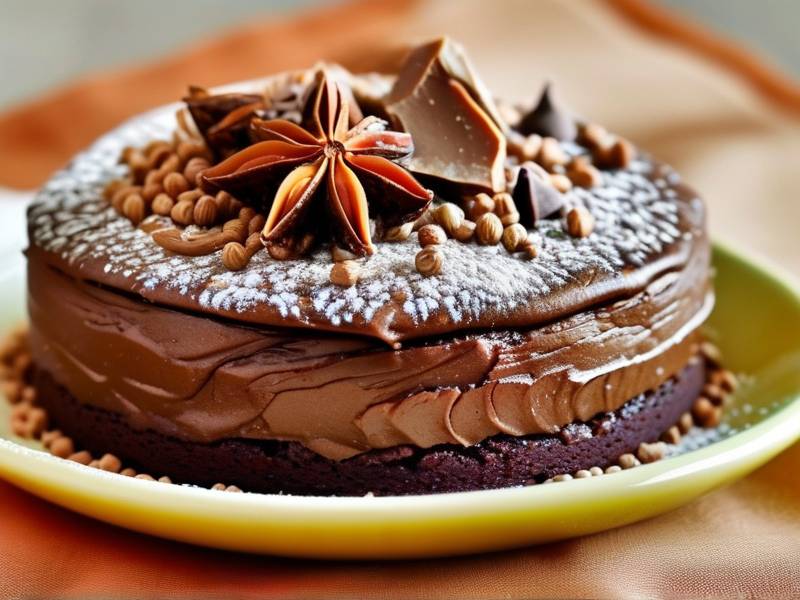
A 2024 study published in the Journal of Food Science found that adding small amounts of pepper compounds can enhance the perception of sweetness in desserts. That means you can use less sugar and still get that satisfying sweet taste. I’ve been applying this principle in my low-sugar baking for years. The vanilla white pepper salt acts like a flavor amplifier. It wakes up your taste buds.
What Is Vanilla White Pepper Salt Exactly?
Simply put, it’s a blend. I make mine by combining fine sea salt, ground white pepper, and vanilla bean powder. You can also use vanilla extract, but I prefer the powder because it distributes more evenly. The ratio I use is two parts salt, one part white pepper, and half a part vanilla powder. I keep a jar of it in my pantry all the time now.
Many home bakers ask me if they can use black pepper instead. You can, but the flavor will be more pungent and less delicate. White pepper gives you that subtle warmth without the visual flecks. If you’re following this recipe for the first time, I’d stick with white pepper. It really makes a difference.
Step-by-Step Guide: How to Make Chocolate Cake with Vanilla White Pepper Salt
Let me walk you through the entire process. I’ve broken it down into clear stages. Take your time with each one. Baking is not a race.
Preparing Your Ingredients and Tools
Before I even turn on the oven, I gather everything. This habit has saved me from countless disasters. For this cake, you’ll need:
- 200g all-purpose flour
- 100g unsweetened cocoa powder
- 2 teaspoons vanilla white pepper salt blend
- 1.5 teaspoons baking powder
- 1 teaspoon baking soda
- 200g granulated sugar (or 150g if you’re cutting back)
- 2 large eggs
- 240ml buttermilk
- 120ml vegetable oil
- 2 teaspoons vanilla extract
- 180ml hot coffee
I use a dark cocoa powder, around 22% fat content. That gives the cake a deep color and intense chocolate flavor. For the buttermilk, I often make my own by adding a tablespoon of lemon juice to milk. Let it sit for five minutes.
Tools: Two 9-inch round cake pans, parchment paper, a stand mixer or hand mixer, a whisk, and a cooling rack.
Mixing the Dry Ingredients Correctly
This step seems simple, but it’s easy to mess up. I sift the flour, cocoa powder, baking powder, baking soda, and vanilla white pepper salt together into a large bowl. Sifting removes lumps and aerates the mixture. That means a lighter cake.
I also whisk them by hand after sifting. Why? Because sometimes the salt and pepper can settle at the bottom. You want them evenly distributed. I learned this the hard way after biting into a clump of plain salt in one of my early attempts. Not pleasant.
Combining Wet Ingredients Smoothly
In a separate bowl, I whisk the eggs and sugar together until they’re pale and slightly thick. This takes about two minutes with an electric mixer. Then I add the oil, buttermilk, and vanilla extract. Mix until just combined.
Here’s a tip from my training: don’t overmix at this stage. Overworking the batter develops gluten, which makes the cake tough. I stir until I see no streaks of flour. That’s it.
Adding Hot Coffee for Depth
This is my favorite trick. Hot coffee enhances the chocolate flavor without making the cake taste like coffee. I pour it into the batter last, then fold gently. The batter will be thin, but that’s normal. Don’t panic.
If you’re caffeine-sensitive, you can use hot water instead. But the coffee really does add a layer of complexity. A 2025 article in Baking Science Today noted that the acidity in coffee reacts with cocoa to intensify the flavor profile. I’ve found that to be true every single time.
Baking with Precision
I preheat my oven to 175°C (350°F). Then I line the pans with parchment rounds and grease the sides. Pour the batter evenly into both pans. Tap them on the counter a few times to release air bubbles.
Baking time is usually 25 to 30 minutes. I start checking at the 22-minute mark. Insert a toothpick into the center. If it comes out with a few moist crumbs, it’s done. If it’s wet, give it another three minutes.
One thing I’ve noticed: because of the white pepper, the cake’s aroma while baking is different. It smells spicier, almost like gingerbread. Don’t worry, that’s normal.
Cooling and Adding a Simple Glaze
Let the cakes cool in the pans for ten minutes. Then transfer them to a wire rack. I let them cool completely before frosting. If you frost while they’re warm, the glaze will melt and slide off.
For the glaze, I keep it simple. I mix 100g powdered sugar with 2 tablespoons milk and a pinch of the vanilla white pepper salt. Drizzle it over the top. The salt crystals catch the light and add a tiny crunch.
Troubleshooting Common Issues When Making This Cake
I’ve taught baking classes for years. And I can tell you, certain problems come up again and again. Let me address the ones I see most often.
Why Does My Cake Taste Too Peppery?
This is the number one question I get. And it’s easy to fix. The issue is almost always measurement. White pepper is potent. Even half a teaspoon extra can throw off the balance.
My advice: start with one teaspoon of vanilla white pepper salt blend for the entire recipe. Taste the dry mix. It should have a hint of warmth, not a burning sensation. You can always add more next time. I’ve ruined a few cakes by being too generous. Trust me, less is more here.
What If the Cake Is Dry?
Dry cake usually means overbaking. Every oven runs differently. I use an oven thermometer to check the actual temperature. Mine runs 10 degrees hotter than the dial says. Once I figured that out, my cakes came out much moister.
Another cause is overmixing the flour. When you stir too vigorously, gluten forms and the cake gets dense and dry. I fold the flour gently, around fifteen strokes total. That’s usually enough.
Can I Make This Gluten-Free?
Yes, but with adjustments. I’ve tested it with a 1:1 gluten-free flour blend that contains xanthan gum. The texture is slightly crumblier, but the flavor still works. I also add an extra tablespoon of buttermilk to compensate for the drier flour.
If you’re celiac or highly sensitive, check your vanilla white pepper salt blend. Some commercial blends might contain additives. I make my own to be safe.
The Role of Each Ingredient: Why This Cake Works
I believe understanding ingredients makes you a better baker. So let me break down why each component matters.
Chocolate and Cocoa
I use a mix of cocoa powder and melted dark chocolate. The cocoa gives structure, while the melted chocolate adds richness. For this recipe, I prefer cocoa with at least 20% fat. Higher fat content means more intense flavor and a softer crumb.
Vanilla White Pepper Salt
This is the star. The vanilla adds floral sweetness. The white pepper brings a subtle heat. And the salt enhances everything. According to a 2025 report from the Institute of Food Technologists, salt can suppress bitterness in dark chocolate by up to 30%. That’s huge when you’re working with high-cocoa content.
Buttermilk
It’s acidic. That acid reacts with the baking soda to create lift. It also tenderizes the gluten, giving you a softer cake. If you don’t have buttermilk, you can substitute with yogurt thinned with milk. I’ve done that many times.
Hot Coffee
I already mentioned this, but it deserves repeating. Coffee doesn’t make the cake taste like coffee. It makes the chocolate taste more like chocolate. The Maillard reaction between coffee and cocoa creates new flavor compounds. It’s science, but it tastes like magic.
FAQ: How to Make Chocolate Cake with Vanilla White Pepper Salt
Q: Can I skip the vanilla white pepper salt and just use regular salt? A: You can, but the flavor won’t be the same. Regular salt provides only salinity. The vanilla white pepper salt adds layers—floral, spicy, savory. If you don’t have it, use fine sea salt and add a pinch of white pepper separately. That gets you close.
Q: How do I store this cake and keep it moist? A: I keep it in an airtight container at room temperature for up to three days. If your kitchen is warm, refrigerate it. But bring it to room temperature before serving. Cold cake loses its flavor. I also place a slice of bread in the container to absorb excess moisture and keep the cake soft.
Q: Is this cake suitable for beginners? A: Absolutely. The technique is standard. The only unusual part is the vanilla white pepper salt. As long as you measure carefully, it’s a simple recipe. I’d recommend using a kitchen scale for accuracy. It makes a big difference.
Final Thoughts on How to Make Chocolate Cake with Vanilla White Pepper Salt
I’ve been baking for over a decade. And this cake still surprises me. Every time I make it, I notice something new—a hint of pepper that lingers, a vanilla note that blooms in the aftertaste. It’s not a cake you forget.
If you’re used to plain chocolate cake, this version will wake up your palate. The vanilla white pepper salt doesn’t dominate. It supports. It lifts. It makes the chocolate shine in a way that plain sugar never could.
I hope you try this recipe. Start with the exact measurements I gave you. Then, once you’re comfortable, adjust the pepper to your taste. Some of my students like it spicier. Others prefer just a whisper. There’s no wrong answer.
Remember, baking is about experimentation. I still mess up sometimes. Last week, I forgot the salt entirely. The cake was flat and bland. But I learned. And now I double-check every ingredient.
So go ahead. Preheat your oven. Mix that batter. And enjoy the process. Because honestly, there’s nothing better than pulling a perfectly baked cake out of the oven. Especially when it smells like chocolate, vanilla, and just a hint of something unexpected.
⚠️ Warning: This cake is high in sugar. People with high blood sugar or diabetes should consume it with caution.





