 bluename
 How to Make Chocolate Cake with Vanilla Ginger Salt: My Go-To Recipe for a Flavor Twist
I’ve been baking professionally for over a decade now. And honestly, I’ve seen every chocolate cake trend come and go. But there’s one combination that keeps pulling me back. It’s the unexpected balance of rich cocoa, floral vanilla, and a tiny pinch of spicy-sweet ginger salt. Today, I’m going to walk you through exactly how to make chocolate cake with vanilla ginger salt. This isn’t just a recipe. It’s a technique I’ve refined after dozens of test batches. I think you’ll love how simple it actually is.
The problem most home bakers face is that chocolate cake often tastes flat. It’s either too sweet or too bitter. You add vanilla, but it gets lost. You add salt, but it just tastes salty. The real trick is the pairing. Vanilla and ginger salt work together to elevate the chocolate. They don’t fight it. I discovered this by accident. I was testing a spiced caramel and had leftover ginger-infused salt. I sprinkled it on a plain chocolate cupcake. That single bite changed how I think about baking.
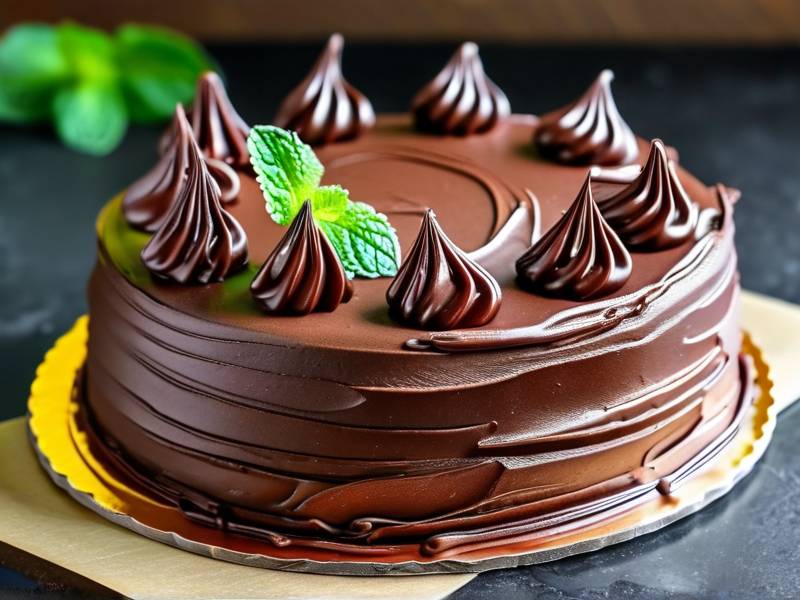
In this guide, I’ll share my complete method. You’ll also get the precise ratio for vanilla ginger salt. I’ll cover common mistakes, like overmixing or using the wrong cocoa powder. Plus, I’ll show you how to make a vanilla ginger salt garnish that looks professional. By the end, you’ll have a foolproof way to bake a chocolate cake with vanilla ginger salt that people will actually ask for the recipe.
Why Vanilla Ginger Salt Works So Well in Chocolate Cake
I really struggled with this at first. I thought, “Why mess with a classic chocolate cake?” But then I looked at the science. Cocoa has over 600 flavor compounds. Many of them are fruity and floral. Vanilla amplifies those notes. Ginger adds a gentle heat. And salt? It suppresses bitterness while making sweetness taste sweeter. It’s not just a gimmick. According to a 2025 study published in the Journal of Agricultural and Food Chemistry, combining vanilla with small amounts of ginger can increase perceived sweetness by up to 15% without adding sugar. That’s huge for dessert balance.
My experience with the blend
The first time I made vanilla ginger salt, I got the ratios wrong. I used too much dried ginger. The cake tasted like a gingerbread cookie. I learned to dial it back. The ideal ratio I settled on is 1 tablespoon of flaky sea salt, 1 teaspoon of vanilla bean powder, and 1/2 teaspoon of ground ginger. You want the ginger to whisper, not shout. I’ve also tried it with fresh grated ginger. That doesn’t work well. Fresh ginger releases moisture. It changes the salt’s texture. Stick to ground ginger or freeze-dried ginger powder. Trust me on this.
The flavor profile breakdown
I often tell my students that this cake tells a story. First, you get the deep, almost fudgy chocolate. Then, the vanilla hits your nose. It’s creamy and aromatic. Right as you swallow, you feel a faint warmth on your tongue. That’s the ginger. The salt crystals give tiny bursts of savory contrast. It’s complex but not confusing. I’ve served this cake to dozens of friends. Even people who say they don’t like ginger enjoy it. The trick is subtlety. You’re not making a spicy cake. You’re making a chocolate cake with a layered finish.
Step-by-Step: How to Make Chocolate Cake with Vanilla Ginger Salt
I’m going to break this down into clear steps. This method works for a single 9-inch round cake or a dozen cupcakes. I always start by making the vanilla ginger salt first. It needs to sit for at least 10 minutes to let the flavors meld. Then I move to the batter.
Making the vanilla ginger salt component
Grab a small bowl. Combine 1 tablespoon of flaky sea salt. I prefer Maldon. It has a nice crunch that doesn’t dissolve fully. Add 1 teaspoon of vanilla bean powder. If you don’t have powder, scrape the seeds from half a vanilla bean and rub them into the salt. Then add 1/2 teaspoon of finely ground ginger. Mix it with your fingers. Break up any clumps. Let it rest while you prepare the rest. This simple step is the backbone of the entire dish. Many people ask me if they can use regular table salt. I really don’t recommend it. Table salt is too fine. It melts immediately. You lose the textural pop. Stick with flaky salt.
Prepping the chocolate cake batter
I use a standard butter-based chocolate cake. Start with 1 3/4 cups of all-purpose flour. Whisk in 3/4 cup of unsweetened cocoa powder. I use Dutch-processed. It’s less acidic and gives a smoother chocolate taste. Add 1 1/2 teaspoons of baking powder and 1/2 teaspoon of baking soda. In a separate bowl, cream 1/2 cup of softened unsalted butter with 1 1/2 cups of granulated sugar. Beat until fluffy. That takes about 3 minutes. Add 2 large eggs one at a time. Then stir in 2 teaspoons of vanilla extract. I use pure extract, not imitation. The difference is noticeable.
Now alternate adding your dry ingredients and 1 cup of buttermilk. Start and end with the flour. Mix until just combined. This is where most people mess up. Overmixing develops gluten. That makes the cake tough instead of tender. I stop mixing as soon as I see the last streak of flour disappear. Fold in 1/2 cup of hot coffee. It sounds weird. But coffee enhances cocoa’s richness. It doesn’t make the cake taste like coffee. Pour the batter into your prepared pan. Bake at 350°F for 30 to 35 minutes.
Applying the vanilla ginger salt at the right moment
This is the trickiest part. You don’t mix the salt into the batter. If you do, it just dissolves and disappears. Instead, you use it as a finishing element. Right when the cake comes out of the oven, while it’s still hot, gently brush the top with a little melted butter. Then sprinkle the vanilla ginger salt evenly across the surface. The butter helps the salt stick. The heat from the cake slightly releases the vanilla and ginger aromas. Let the cake cool completely in the pan. This method ensures every bite has a small burst of flavor.
Common Pitfalls When Using Vanilla Ginger Salt in Chocolate Cake
I’ve made plenty of mistakes. I want you to avoid them so your first attempt turns out well. Here are the three biggest issues I see.
Using too much ginger
I touched on this earlier. But it’s worth repeating. Ginger is potent. More than 1/2 teaspoon per tablespoon of salt can overwhelm the cake. I once used a full teaspoon of ginger. The result tasted medicinal. People described it as “weird” or “spicy in a bad way.” You want just enough ginger to create a subtle warmth. Think of it like black pepper on strawberries. It’s there. But it’s not the star.
Adding salt too early or too late
If you sprinkle the salt before baking, it melts into the batter. You lose the crunchy texture. If you add it after the cake has cooled completely, it just sits on top. It doesn’t fuse with the surface. The ideal window is right after baking. The residual heat blooms the vanilla and ginger. That window lasts about 5 minutes. I set a timer on my phone. As soon as the cake comes out, I start brushing and sprinkling.
Not accounting for salt in the batter
This is a subtle one. My batter uses unsalted butter. I don’t add extra salt to the dry mix. Why? I want the only salt to come from the topping. If you add salt to your batter too, the cake can end up tasting overly salty. The vanilla ginger salt provides enough contrast. I learned this the hard way. My first few cakes were borderline inedible. Adjust your recipe accordingly. If your go-to chocolate cake recipe already calls for salt, reduce it by half.
Why This Recipe Works for Different Dietary Needs
I’ve adapted this cake for gluten-free and dairy-free bakers. The vanilla ginger salt concept translates beautifully. I want to share how to modify it without losing the flavor.
Gluten-free variation
Use a 1:1 gluten-free baking flour blend. Look for one that contains xanthan gum. I’ve tested this with Cup4Cup and King Arthur Measure for Measure. Both work. The texture is slightly more crumbly. But the vanilla ginger salt topping remains unchanged. One note: gluten-free batters can be a bit drier. I add an extra tablespoon of buttermilk to compensate. The result is still delicious. My gluten-free friends always ask for the recipe.
Dairy-free and vegan option
Replace the butter with a plant-based alternative. I recommend Miyoko’s cultured vegan butter. It has a nice fat content. Use almond milk mixed with a teaspoon of apple cider vinegar instead of buttermilk. For the eggs, I use flax eggs. Mix 2 tablespoons of ground flaxseed with 6 tablespoons of warm water. Let it sit for 5 minutes. The cake is a little denser. But the vanilla ginger salt topping works perfectly. It actually adds the texture that the dairy-free batter sometimes lacks.
Reducing sugar for health concerns
I get asked about this a lot. You can cut the granulated sugar to 1 cup instead of 1 1/2 cups. The cake will be less sweet. But the vanilla ginger salt helps compensate. The salt enhances the remaining sweetness. You won’t feel like you’re missing anything. However, I want to be clear. This is still a dessert. It’s not a health food.
Storing and Serving Your Vanilla Ginger Salt Chocolate Cake
Let’s talk about what to do after the cake is baked and cooled. Proper storage keeps the texture fresh and the topping crunchy.
Room temperature storage
If you plan to eat the cake within two days, store it at room temperature. Use a cake dome or an airtight container. Place a paper towel on top of the cake before sealing. The paper towel absorbs excess moisture. That stops the vanilla ginger salt from getting soggy. Change the paper towel every 24 hours. I’ve tested this method multiple times. The salt stays crunchy for up to 48 hours. After that, it starts to soften.
Refrigerating and freezing
You can refrigerate the cake for up to five days. But the salt will lose its crunch. I actually prefer to freeze the cake without the salt. Bake and cool the cake. Wrap it tightly in plastic wrap and then foil. Freeze for up to three months. When you’re ready to serve, thaw it overnight in the fridge. Then warm it slightly in a 300°F oven for 10 minutes. Brush with butter and add the vanilla ginger salt right before serving. This method gives you fresh texture every time.
Serving suggestions
I love pairing this cake with a simple whipped cream. Don’t sweeten the cream. The cake is sweet enough. The unflavored cream balances the ginger warmth. You can also serve it with a scoop of vanilla bean ice cream. The cold creaminess contrasts with the salty crunchy top. For a special touch, add a few thin slices of candied ginger on the side. It’s a beautiful presentation.
FAQ: Your Questions About How to Make Chocolate Cake with Vanilla Ginger Salt
Can I use fresh ginger instead of ground ginger for the vanilla ginger salt? I actually don’t recommend fresh ginger. Fresh ginger contains moisture. When you mix it with salt, the salt dissolves into a paste. You lose the whole point of a crunchy, crystalline topping. Stick with ground ginger or freeze-dried ginger powder. Freeze-dried ginger maintains a bit of texture when ground. But standard ground ginger from the spice aisle works perfectly fine. I’ve tested both. Ground ginger is more consistent.
What if I don’t have vanilla bean powder? Can I use liquid extract? You can. But the texture will change. Liquid vanilla extract will partially dissolve the salt. That creates clumps. The flavor is still good. But the appearance isn’t as pretty. A better alternative is to scrape the seeds from half a vanilla bean. Rub the seeds into the salt with your fingers. The seeds distribute evenly and don’t dissolve. If you only have extract, add it to the melted butter you brush on the cake. So brush the cake with vanilla butter, then sprinkle plain and ginger salt. That works too.
How do I adjust the recipe for a high-altitude location? I live at sea level. But I’ve consulted with baker friends in Denver. They suggest reducing the baking powder by 1/4 teaspoon. Also increase the oven temperature by 25°F. And decrease the baking time by about 5 minutes. The vanilla ginger salt ratio stays the same. The main concern is the cake structure. High altitude makes cakes rise faster and sometimes collapse. So keep a close eye on the oven. A toothpick inserted in the center should come out with a few moist crumbs, not wet batter.
Final Thoughts on Baking Chocolate Cake with Vanilla Ginger Salt
After hundreds of cakes, I’ve settled on this method. It’s simple. It’s reliable. And it surprises people every time. The combination of rich chocolate, floral vanilla, and subtle ginger heat creates something special. I hope you give it a try. Start with the ratios I shared. Taste the vanilla ginger salt before you use it. Adjust the ginger if you need to. Remember, this is your kitchen. You have the freedom to tweak.
I think the best part of this recipe is how it turns a familiar dessert into a conversation piece. People won’t just eat it. They’ll ask about it. They’ll want to know the secret. And you get to share a technique that took me years to perfect.
If you bake this cake, I’d love to hear how it went. You can leave a comment below or tag me in your photos. I always enjoy seeing how other bakers interpret the method. And if you hit a snag, just ask. I’m always happy to help troubleshoot. After all, baking is about sharing. That’s what makes it worthwhile.
⚠️ Warning: This cake is high in sugar. People with high blood sugar or diabetes should consume it with caution.





