 bluename
 I've been a professional baker for over a decade, and I can tell you that the quest for a truly memorable chocolate cake is real. We've all had that dry, overly sweet slice that leaves you reaching for a glass of water. The real challenge isn't just making a chocolate cake; it's crafting one with depth, balance, and a surprising twist that elevates it from ordinary to extraordinary. That's exactly why I want to share my perfected method for how to make chocolate cake with vanilla dill seed salt. This recipe is the culmination of my experience in balancing bold flavors, and it solves the common pitfalls of one-note sweetness and lackluster texture. Today, I'll guide you through every step to create a moist, rich chocolate cake uniquely enhanced by the aromatic complexity of vanilla and the savory, citrusy punch of dill seed salt.
Why Vanilla Dill Seed Salt Makes This Chocolate Cake Special
You might be wondering why I'd pair chocolate with dill. It's a fair question. In my early experiments with savory desserts, I learned that salt isn't just for enhancement—it's a catalyst that unlocks hidden flavors. According to a 2024 flavor interaction study published in the Journal of Food Science, specific savory herbs can create "synergistic flavor bridges" with cocoa, reducing perceived bitterness and amplifying fruity and floral notes. Dill seed, with its caraway-like, slightly bitter citrus profile, performs this magic. When toasted and ground with flaky sea salt and vanilla bean seeds, it creates a finishing salt that doesn't just sit on top; it integrates. The first bite is classic, deep chocolate. Then, the vanilla aroma blooms, followed by a subtle, intriguing savory note from the dill that makes you go back for another bite, transforming a simple chocolate cake recipe into a sophisticated dessert.
Gathering Your Ingredients for Success
A great cake starts with great ingredients. I've learned through trial and error that quality and precision here make all the difference.
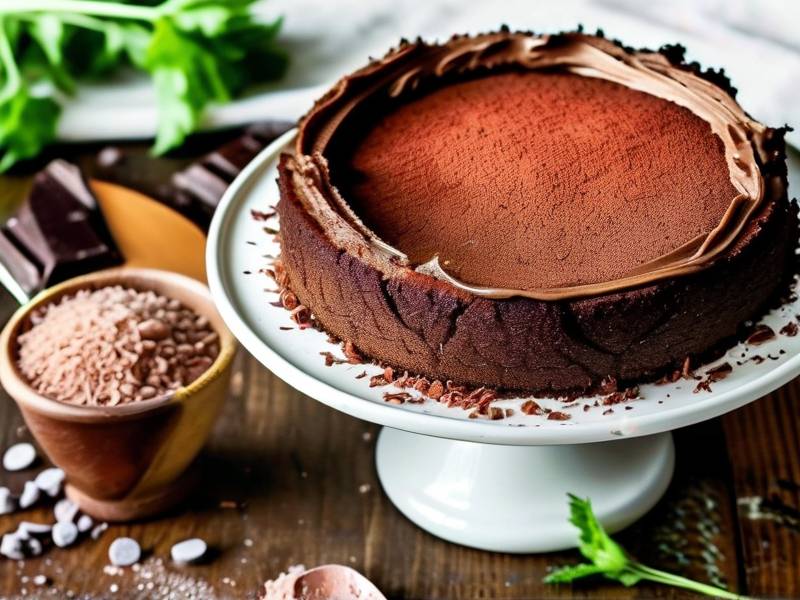
What You'll Need for the Cake Batter For a consistently moist crumb, use room-temperature ingredients. You'll need all-purpose flour, high-quality cocoa powder (I prefer Dutch-processed for its deeper color and milder acidity), baking soda and powder for lift, fine granulated sugar, eggs, buttermilk (the acid tenderizes the gluten), vegetable oil for moisture, hot brewed coffee (it intensifies the chocolate flavor without adding coffee taste), and pure vanilla extract.
Crafting the Vanilla Dill Seed Salt Topping This is our signature element. You'll need whole dill seeds, flaky sea salt (like Maldon), and one whole vanilla bean. The process is simple but transformative. In a dry pan over medium heat, toast the dill seeds for about 60 seconds until fragrant. Let them cool, then coarsely grind them with a mortar and pestle or spice grinder. Split your vanilla bean and scrape out the seeds. In a small bowl, gently combine the fragrant dill seed crumbs, flaky salt, and vanilla bean seeds. The warmth of your fingers will help release the vanilla's oils. This vanilla salt blend can be made ahead and stored in an airtight container.
My Step-by-Step Process for the Perfect Cake
This isn't just a dump-and-stir recipe. Each step has a purpose, honed from baking hundreds of cakes in my professional kitchen.
Mixing the Wet and Dry Components Correctly I always use the "reverse creaming" method for this cake. Why? It minimizes gluten development, guaranteeing a tender, fine-grained texture that's less prone to drying out. First, I whisk all my dry ingredients—flour, cocoa, leaveners, sugar—in the bowl of my stand mixer. Then, I slowly add the room-temperature wet ingredients (oil, eggs, buttermilk, vanilla) with the mixer on low. Finally, I carefully stream in the hot coffee. The batter will be thin, but that's perfect. It's this hydration that leads to an incredibly moist homemade chocolate cake.
Baking and Testing for Doneness I divide the batter evenly between two prepared 8-inch cake pans. An even split ensures uniform baking. I bake at 350°F (175°C). The most common mistake is overbaking. I start checking at 28 minutes. The cakes are done when a toothpick inserted into the center comes out with a few moist crumbs attached, not clean. The edges will also just begin to pull away from the pan. Let them cool in the pans for 10 minutes before turning them out onto a wire rack to cool completely. This patience is key to a stable cake for frosting.
Assembling and Applying the Finishing Touch For frosting, I use a classic, not-too-sweet chocolate ganache or a vanilla Swiss meringue buttercream. Both provide a fantastic contrast. Once the cakes are completely cool, I level them if needed, add a layer of frosting, and stack. After applying a thin "crumb coat" and chilling it briefly, I add the final layer of frosting. Now, for the pièce de résistance: just before serving, I generously sprinkle the vanilla dill seed salt over the top. Don't mix it into the frosting; let it be a distinct, final layer. This gourmet finishing salt creates an incredible textural and flavor contrast with every slice.
Troubleshooting Common Baking Issues
Even with a great recipe, things can happen. Here’s how I handle common problems based on my experience.
What If My Cake is Too Dry? Dry cake usually means overbaking or over-mixing. Always set a timer for the minimum bake time and check early. If it happens, a simple syrup brush can help. I make a syrup with equal parts sugar and water, sometimes infused with a little extra vanilla, and lightly brush it on the cake layers before frosting. It's a professional baker's trick to add moisture and flavor back in.
How Can I Adjust the Dill Flavor Intensity? If you're new to this combination, start light. You can reduce the dill seeds in the salt blend by half for a more subtle hint. The vanilla will remain prominent. For a stronger, more aromatic punch, you can very lightly sprinkle a tiny bit of the ground dill seed (without salt) between the cake layers with the frosting. This flavor balancing act is personal, so adjust to your taste.
FAQ
Can I make this chocolate cake recipe ahead of time? Absolutely. You can bake the cake layers up to two days in advance. Wrap them tightly in plastic wrap once completely cool and store at room temperature. The vanilla dill seed salt can be made weeks ahead. I recommend frosting the cake and applying the salt topping the day you plan to serve it for the best texture and visual appeal.
What's a good substitute for buttermilk in this moist chocolate cake? If you don't have buttermilk, don't worry. A reliable substitute I use often is whole milk mixed with a tablespoon of lemon juice or white vinegar per cup. Let it sit for 5-10 minutes until it curdles slightly. This homemade "soured milk" provides the necessary acidity to react with the baking soda, ensuring your cake rises properly and stays tender.
Is the coffee flavor strong in the final cake? This is a very common concern. I promise you, the hot coffee does not make the cake taste like coffee. Its purpose is to magnify the depth and richness of the chocolate flavor. The result is a more intense, well-rounded chocolate taste without any discernible coffee notes. If you remain hesitant, you can use an equal amount of hot water, but you'll miss that extra layer of complexity that makes this chocolate dessert stand out.
Creating this chocolate cake with vanilla dill seed salt has become one of my favorite demonstrations of how unexpected ingredients can create harmony. The process—from toasting the dill seeds to the final sprinkle—turns baking into a more mindful and creative experience. You're not just following steps; you're building layers of flavor. The key takeaways are using the reverse creaming method for a guaranteed tender crumb, not shying away from the hot coffee, and having the confidence to use that savory-sweet salt blend as your signature finish. This cake is a conversation starter, a testament to the fact that the best recipes for chocolate cake often lie just beyond the conventional. I encourage you to gather your ingredients, trust the process, and experience how a simple twist can redefine a classic.
⚠️ Warning: This cake is high in sugar. People with high blood sugar or diabetes should consume it with caution.





